Plot Explained Spoilers guaranteed!
Plot Explained

Browse by genre

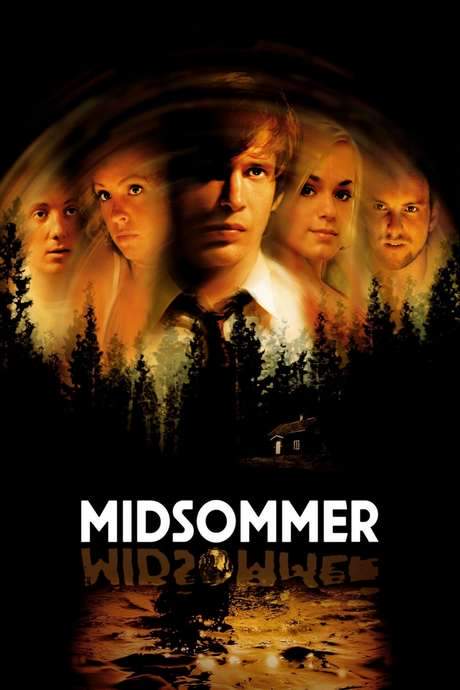
Midsommar (2019) movie poster

Ending Explained

Midsommar (2019) Ending Explained – Final Scene & Meaning

Release, runtime and language
2019 · 147 min · English
Echo score 75
Loading streaming availability…
Directed by
Ari Aster
Starring
Jack Reynor, Florence Pugh, Will Poulter, William Jackson Harper, Vilhelm Blomgren, Ellora Torchia
Budget
$9M

Following a personal tragedy, a young woman and her boyfriend travel to Sweden for a traditional midsummer festival in a remote village. What begins as an idyllic retreat soon descends into a disturbing and bizarre sequence of events. As the days pass, the group's initial innocence gives way to unsettling rituals and a growing sense of dread, blurring the lines between celebration and something far more sinister. The couple's already fragile relationship is pushed to its breaking point amidst the increasingly strange occurrences.

On this page (7)
  1. 1 Where to watch
  2. 2 What happens at the end
  3. 3 Final events in order
  4. 4 Ending questions answered
  5. 5 Movie threads
  6. 6 Movies like Midsommar
  7. 7 Every angle
Loading streaming availability…

Ending explained · contains spoilers

What Happens at the End of Midsommar?

How Midsommar (2019) ends, what the final scene means, which earlier moments set it up and how to read the ending if the film leaves it open. The full ending explained, with every spoiler.

Dani's transformation at the end of Midsommar is both horrifying and strangely hopeful. Throughout the film, she begins as a woman overwhelmed by grief and isolation after losing her family, feeling like an outsider in her relationship with Christian, who wants to leave her and often dismisses her feelings. Her journey to Hårga seems initially like a search for belonging, but it quickly turns into a ritualistic nightmare. By the climax, Dani is crowned May Queen during a ritual dance, symbolizing her acceptance and new status within the community. When she witnesses Christian engaged in sex with Maja, her pain resurges, but instead of acting out of revenge, she makes a profound choice: she decides to sacrifice Christian—who has hurt her the most—to the gods, as a way of exorcising her grief and betrayal.

Her decision is rooted in her emotional release and her alignment with the community she has found. As she watches Christian sewn into a bear skin and burned alive in the sacred temple, she finally feels a sense of belonging and empowerment—her tears transforming into a smile as she observes the temple burn. What might seem grotesque is ultimately a symbolic rebirth: Dani calls out her pain and finds a new family among the Hårgans. Her act of sacrifice, although brutal, signifies her letting go of a toxic relationship and embracing a new sense of connection and community. This ending underscores the film’s core themes of belonging, healing through release, and the paradoxical idea that sometimes, deepest pain can lead to a new beginning. In the context of Ari Aster's films, Midsommar offers a remarkably more hopeful note—Dani walks away from trauma not as a victim but as someone who has found a new, albeit unconventional, family. It’s a story of rebirth, where the darkness ultimately allows her to emerge into a form of personal salvation and hope.

Last updated: June 25, 2025 at 08:59

Was this helpful?

The last 4 events

How Midsommar Ends: The Final Events in Order

The last events of Midsommar (2019) in chronological order, the run-up to the ending explained above. The complete timeline has all 12 events, scene by scene.

Open the full timeline
  1. Betrayal at the Festival

    Dani's joyful moment takes a dark turn when she sees Christian engaging in an intimate act with Maja, a local villager. This betrayal crushes Dani, pushing her deeper into despair and severing her already strained relationship with Christian.

    Where
    Harga, Sweden
  2. The Grotesque Ritual

    As the festival reaches its climax, Dani is thrust into a dark and grotesque ritual where she must make harrowing sacrifices. Christian and his friends find themselves targeted by the villagers, as the sinister customs of Harga unfold around them.

    Where
    Harga, Sweden
  3. Christian's Gruesome Fate

    In a chilling and horrific twist, Christian meets his end encased inside a bear's corpse as part of the ritual. His tragic fate symbolizes the culmination of the village's manipulation and the consequences of his betrayal toward Dani.

    Where
    Harga, Sweden
  4. Dani's Acceptance

    Finalizing her emotional journey, Dani faces the villagers as they collectively express their anguish. Stricken with horror yet amid the chaos, a disturbing smile begins to appear on her face as she finally finds a sense of belonging amidst her pain.

    Where
    Harga, Sweden

Ending questions answered

Midsommar Ending: Your Questions Answered

The questions people ask most about the ending of Midsommar (2019): what the final scene means, how the twist works, what happens to each character and how to read the ending. Each answer contains spoilers.

Q1

Why does Dani smile at the end of Midsommar?

Dani smiles because she experiences a genuine moment of catharsis and belonging. After witnessing Christian betray her with Maja and enduring immense emotional pain, she allows herself to release her grief through the community's acceptance. The smile represents her finding a new family and purpose, though this comes at the horrific cost of Christian's life. It's not a sign of madness but rather her way of moving forward from trauma.

Foreshadowing: Earlier scenes show Dani's isolation and Christian's emotional distance, making her eventual acceptance into the Harga community feel like a resolution to her loneliness.

  • dani smile
  • ending meaning
  • catharsis
  • belonging
Q2

What happens to Christian at the end of Midsommar?

Christian is sacrificed by the Harga cult. He is sewn into a bear skin and burned alive inside the sacred temple as part of the midsummer ritual. Dani watches this happen and appears to accept his death as necessary for her own healing. This is the culmination of the group's time in the village.

Foreshadowing: The group learns early on that the previous May Queen and her brother self-immolated, establishing the cult's practice of human sacrifice.

  • christian death
  • sacrifice
  • bear costume
Q3

Why does Dani choose to sacrifice Christian?

Dani chooses to sacrifice Christian because he represents her deepest pain, his emotional neglect, his plan to break up with her, and his betrayal with Maja. By allowing the Harga to use him in the ritual, she symbolically releases her grief and trauma. The decision is both an act of vengeance and a ritualistic way to let go of her toxic relationship.

Foreshadowing: Christian repeatedly dismisses Dani's emotional needs throughout the film, and his secret trip to Sweden with friends while planning to leave her establishes his betrayal.

  • dani christian sacrifice
  • betrayal
  • revenge
Q4

Is Dani brainwashed or indoctrinated at the end of Midsommar?

Dani's connection to the Harga is complex and open to interpretation. While the cult has psychologically manipulated her through trauma bonding and isolation, her final choice also reflects genuine empowerment, she actively selects belonging over her previous life. Whether this is brainwashing or a twisted form of healing is deliberately ambiguous, which is central to the film's unsettling tone.

Foreshadowing: The elders use Dani's grief as a point of connection from the moment she arrives, offering comfort that Christian cannot provide.

  • cult brainwashing
  • indoctrination
  • manipulation
Q5

What does Dani being crowned May Queen represent?

Being crowned May Queen symbolizes Dani's full acceptance into the Harga community. She earns this position through her endurance of the ritualistic challenges, including the extreme dancing that pushes her to physical exhaustion. The crown represents her transformation from outsider to insider, from someone seeking belonging to someone who has found it, however disturbing that community may be.

Foreshadowing: The film shows other members performing difficult tasks and receiving community approval, establishing the pattern of earning status through ordeal.

  • may queen
  • crown
  • acceptance
  • initiation
Q6

What happens to Josh and Mark at the end of Midsommar?

Josh is killed earlier in the film when he is pushed off a cliff for taking photos of the sacred text. Mark is also killed during the finale, when he is supposedly crowned May King, he is actually hung and his body is torn apart by the villagers in a ritualistic manner. Both American friends are sacrificed as part of the festival's rituals.

Foreshadowing: The elders express anger about Mark urinating on the ancestral tree and Josh photographing the rune room, establishing consequences for disrespecting sacred spaces.

  • josh death
  • mark death
  • friends killed
Q7

Is Dani's ending in Midsommar happy or tragic?

The ending is intentionally ambiguous, existing in a space between horror and hope. On one hand, Dani has witnessed brutal murders and participated in human sacrifice. On the other hand, she appears to find genuine peace and belonging for the first time since her family's death. The film presents this as a bittersweet transformation, she escapes her trauma but at the cost of becoming complicit in murder.

Foreshadowing: Dani's journey begins with devastating loss, and the film questions whether her found family is salvation or corruption.

  • ending meaning
  • bittersweet
  • hope
  • horror
Q8

Why does Dani cry during the May Queen dance?

Dani cries during the dance because she is physically and emotionally overwhelmed. The intense, prolonged dancing combined with the trauma of her recent losses causes her to collapse. However, her tears are also tied to the emotional release the ritual provides, she is processing grief while surrounded by a community that validates her pain, which contrasts sharply with Christian's dismissive behavior.

Foreshadowing: Christian tells his friends he's considering leaving Dani right before the festival begins, showing the emotional neglect she experiences.

  • crying
  • dance
  • emotional release
  • grief
Q9

What does the bear costume represent in the ending?

The bear in which Christian is sewn is a ritualistic symbol representing the ancient spirit of the harvest. In Harga tradition, the bear costume houses a human sacrifice that is then burned in the temple. This combines the symbolism of death and renewal, the bear dies and is reborn through fire, paralleling Dani's own metaphorical death and rebirth as she lets go of her old life and embraces her new community.

Foreshadowing: The film opens with Dani's family tragedy involving a bear, creating a thematic connection between bears and death throughout the story.

  • bear symbol
  • sacrifice
  • ritual
Q10

Why does Dani decide to stay with the Harga instead of leaving?

Dani decides to stay because the Harga offers her something she lacked in her previous life: unconditional acceptance and a sense of belonging. After losing her entire family, she found a new family that celebrates her rather than dismisses her. While this decision is deeply troubling given the cult's violence, it represents her choice to embrace connection over isolation, even if that connection is built on horrific rituals.

Foreshadowing: Dani's isolation and grief are established from the opening scene, making her desire for belonging the driving emotional force of the film.

  • staying
  • belonging
  • community
  • cult
Q11

What does the burning temple represent in the ending?

The burning temple represents the ritualistic completion of the sacrifice and the cycle of death and rebirth central to the Harga's beliefs. It is where Christian is burned alongside others who have been chosen for the midsummer offering. For Dani, watching the temple burn symbolizes the destruction of her past life and the emergence of her new identity within the community.

Foreshadowing: The elders explain that the temple is a sacred space for the most important rituals, building its significance throughout the film.

  • temple fire
  • sacrifice
  • ritual
  • rebirth

Movie threads

More Movies Like Midsommar, by Mood & Story

Curated lists built around what makes Midsommar tick: the same mood, the same kind of story or the same emotional payoff. Each list explains why these movies belong together.

Ceremonial Horror Movies Like Midsommar

Stories where ancient traditions and sunshine conceal a growing, inescapable terror. If you enjoyed the blend of folk traditions and psychological dread in Midsommar, this thread highlights similar movies. These films explore unsettling rituals and communal terror, often set against deceptively beautiful backdrops. Discover more stories where the horror is rooted in ancient practices and the loss of individuality.

  • ceremonial
  • disturbing
  • claustrophobic
  • folk horror
  • oppressive
  • dreamlike
  • Tone: dark, disturbing, ceremonial
  • Pacing: slow burn, atmospheric
Why these movies?

The story pattern: The narrative follows outsiders entering a closed, traditional community. Initial fascination gives way to unease as they witness increasingly disturbing rituals. The story structure focuses on the slow erosion of the protagonist's sense of reality and safety, often culminating in a violent ceremonial climax that challenges their survival or transforms their identity.

Why they belong together: These movies are grouped by their unique approach to horror, replacing jump scares with atmospherics. They share a focus on cult-like group dynamics, the tension between ancient beliefs and modernity, and the psychological terror of being trapped in a beautiful but hostile environment. The pacing is deliberate, building a profound sense of unease.

Movies About Grief and Catharsis Like Midsommar

Emotional journeys where profound personal grief is absorbed and transformed by a group. For viewers who appreciated Midsommar's exploration of grief within a cult, this collection features movies about trauma and twisted redemption. These stories follow characters whose immense personal suffering leads them to a shocking, often disturbing, form of acceptance or release. Find similar narratives of emotional manipulation and bittersweet closure.

  • harrowing
  • grief
  • cathartic
  • psychological
  • manipulative
  • bittersweet
  • Tone: dark, heavy, bittersweet
  • Pacing: variable, character-driven
Why these movies?

The story pattern: The narrative centers on a protagonist grappling with unbearable grief or trauma. They are drawn into a collective—often a cult or intense community—that mirrors and amplifies their pain. The journey involves a psychological dismantling, culminating in a climactic event where the protagonist's individual suffering is subsumed by the group, resulting in a deeply ambivalent and powerful emotional resolution.

Why they belong together: These films are connected by their heavy emotional weight and focus on the psychology of grief. They share a narrative arc where catharsis is achieved not through healing in a conventional sense, but through a radical, often dark, transformation. The tone is consistently heavy, and the endings are bittersweet or bleak, offering closure at a great cost.

If you liked this

Movies Like Midsommar

Similar movies to Midsommar: the same genre, themes or kind of story. Each one comes with its own plot summary, timeline and ending explained.

Browse all movie summaries

Every angle

Midsommar (2019) Explained: Plot, Ending, Timeline & Characters

Everything about Midsommar in one place: what happens in the plot summary, the timeline in chronological order, the characters and meaning, the ending explained and a spoiler-free summary. What's After the Movie adds the cast, box office and post-credit scenes.

Coming soon on iOS and Android

The Plot Explained Movie Summary App

Plot summaries, endings explained and timelines on your phone. Catch up on any movie in minutes, save your favorites and never miss a twist again.

Be the first to know when we launch. Your email stays private, always.

Learn more about the app