Plot Explained Spoilers guaranteed!
Plot Explained

Browse by genre

Max Schmeling (2010) movie poster

Timeline

Max Schmeling (2010) Timeline Explained – Every Event in Order

Release, runtime and language
2010 · 118 mins · German
Loading streaming availability…
Starring
Susanne Wuest, Heino Ferch, Elliot Cowan, Uwe Boll, Detlef Bothe, Vladimir Tintor

The film dramatizes the true life of German boxer Max Schmeling, who rose to national hero status in the 1930s as World heavyweight champion. After his upset loss to African‑American rival Joe Louis, the Nazi regime turned against him, ordering his deployment to the front in the hope he would be killed, illustrating his tragic clash with politics and sport.

On this page (5)
  1. 1 Where to watch
  2. 2 Events in order (15)
  3. 3 Timeline questions answered
  4. 4 Movie threads
  5. 5 Every angle
Loading streaming availability…

15 events in order · contains spoilers

Max Schmeling Timeline: Events in Chronological Order

Every key event of Max Schmeling (2010) in order, scene by scene, with when and where it takes place. Use it to untangle flashbacks, time jumps and parallel storylines, to refresh your memory before the sequel or to find the exact scene you are thinking of.

  1. Crete framing and life-story request

    In May 1941, during the German invasion of Crete, a German paratrooper is wounded and treated. He is later assigned to escort a British prisoner of war named Alan, who recognizes him as Max Schmeling and asks him to tell his life story.

    When
    May 1941
    Where
    Crete
  2. Sharkey fight ends in controversial title win

    On June 12, 1930, Schmeling faces Sharkey in a bout that goes into the fourth round while Schmeling trails on points. Sharkey lands a brutal low blow to Schmeling’s kidneys, prompting a dramatic sequence in the ring. The referee disqualifies Sharkey, declaring Schmeling the winner, a decision later upheld by the NYSAC.

    When
    June 12, 1930
    Where
    New York, USA
  3. Beats Heller in Berlin

    On August 2, 1930, Schmeling knocks out Wurner Heller in the first round in Berlin. Anny Ondra attends the match but leaves before Schmeling lands the decisive blow, highlighting the growing tension between his public life and personal affairs.

    When
    August 2, 1930
    Where
    Berlin, Germany
  4. Retains title against Young Stribling

    July 3, 1931 in Cleveland, Schmeling fights Young Stribling for 15 exhausting rounds. He knocks Stribling down and retains the Heavyweight Championship, solidifying his status as the titleholder.

    When
    July 3, 1931
    Where
    Cleveland, USA
  5. Rematch with Sharkey; controversial decision

    June 21, 1932 in New York, Schmeling faces Sharkey again. The bout ends with a controversial split decision, leading many to believe Schmeling deserved the win and the title. The outcome fuels debates about judging and fairness in boxing.

    When
    June 21, 1932
    Where
    New York, USA
  6. 1933: Nazi rise and marriage to Anny Ondra

    As the Nazis rise to power in Germany, Schmeling’s public image becomes entangled with politics. He marries Anny Ondra on July 6, 1933, and remains protective of his Jewish manager Jacobs, resisting propagandistic uses of his fame.

    When
    July 6, 1933
    Where
    Berlin, Germany
  7. Schmeling vs Louis I: 1936 fight in New York

    June 19, 1936, Schmeling fights Joe Louis in America. By studying Louis’s films, he identifies flaws and uses a decisive right cross to counter. After twelve hard rounds, Schmeling scores a knockout and is hailed as the heroic upstart, though Louis notes he won't accompany Schmeling back to Germany.

    When
    June 19, 1936
    Where
    New York, USA (Yankee Stadium)
  8. Returns to Germany; hero's welcome; moves to Pommern

    Three weeks after the Louis fight, Schmeling returns to Germany as a national hero and receives honors from the Nazi-controlled press. He and Anny move to a cottage in Pommern to escape the publicity surrounding his victory.

    When
    1936
    Where
    Pommern, Germany
  9. Louis rematch; first-round KO

    June 22, 1938 in New York, Schmeling faces Louis again. Louis overwhelms him and knocks Schmeling out in the first round, marking a humiliating reversal and shifting public perception of Schmeling’s standing in boxing.

    When
    June 22, 1938
    Where
    New York, USA
  10. War era begins; Schmeling defies Nazi regime and enlists

    As World War II looms, Schmeling defies propaganda by hiding two Jewish children in his apartment. When war breaks out in September 1939, he enlists in the paratroops, demonstrating personal courage despite political pressure.

    When
    September 1939
    Where
    Berlin, Germany
  11. 1945: war ends; Schmeling returns to Hamburg

    With the war drawing to a close, Schmeling returns to his wife; they abandon their country estate as advancing Soviet forces approach and settle in Hamburg, beginning a new chapter after years of conflict.

    When
    1945
    Where
    Hamburg, Germany
  12. Alan helps reconnect and a comeback begins

    In 1947, the former British prisoner Alan helps Schmeling out of a jam and persuades him to return to boxing. Schmeling reconnects with his former trainer Max Machon, who agrees to train him again, reigniting his boxing career.

    When
    1947
    Where
    Germany
  13. Postwar comeback: Vollmer win in Frankfurt

    On September 29, 1947, Schmeling defeats local contender Werner Vollmer at the Waldstadion in Frankfurt, signaling a bold return to competition after eight years away from the ring.

    When
    September 29, 1947
    Where
    Frankfurt, Germany
  14. Kiel victory and looming retirement

    October 2, 1948 sees Schmeling defeat Hans Joachim Draegestein in Kiel, underscoring a late but persistent comeback. A boxing talent agent later urges him to retire to avoid risking further harm.

    When
    October 2, 1948
    Where
    Kiel, Germany
  15. Final retirement after Vogt bout

    Schmeling’s last boxing match occurs on October 31, 1948 in West Berlin against Richard Vogt. After the 10th round, he surrenders and announces his retirement from boxing, marking the end of an extraordinary career.

    When
    October 31, 1948
    Where
    West Berlin, Germany

Last updated: December 27, 2025 at 11:31

Was this helpful?

Timeline questions answered

Max Schmeling Timeline Explained: Your Questions Answered

When does it happen, and why in that order? The questions people ask about the chronology of Max Schmeling (2010): time jumps, flashbacks, cause and effect between scenes and the correct order of events, each answered with spoilers.

Q1

Why did the Nazi regime turn against Max Schmeling after his loss to Joe Louis?

After Schmeling lost to Joe Louis in their 1938 rematch, the Nazi regime viewed him as a propaganda failure. Prior to that defeat, Schmeling had been useful to Nazi optics as a symbol of German athletic superiority. However, his loss humiliated the regime, and his earlier refusal to fully cooperate with Nazi propaganda, including his loyalty to his Jewish manager Vladimir Weigl, made him a target. The Nazis subsequently ordered his deployment to the front lines, effectively hoping he would be killed.

Foreshadowing: The film establishes Schmeling's resistance to Nazi propaganda early, when he meets with the Reich Sports Committee head and agrees only to box for his own reasons.

  • nazi regime
  • joe louis
  • propaganda
  • world war 2
  • schmeling loss
Q2

Why did Max Schmeling hide Jewish children during the Nazi purge?

Schmeling defied the Nazi regime by hiding two Jewish children in his apartment during the mass purge of Jews in Berlin. This act was a direct result of his personal loyalty to his Jewish manager Vladimir Weigl and his moral opposition to the regime's persecution. His stance cost him official endorsement and placed him in danger, demonstrating his principled refusal to align with Nazi ideology despite the personal risk.

Foreshadowing: Earlier in the film, Schmeling shows loyalty to Weigl by remaining protective of his Jewish manager even as the Nazi Party tightens its grip on German life.

  • jewish children
  • nazi purge
  • resistance
  • moral courage
  • vladimir weigl
Q3

How did Max Schmeling beat Joe Louis in 1936?

Schmeling studied film of Louis's fights and identified a key vulnerability: Louis had a habit of dropping his left hand after throwing jabs. Using this intelligence, Schmeling employed a precise counter-right strategy. After twelve grueling rounds at Yankee Stadium, Schmeling landed the decisive blow and knocked Louis out, pulling off one of boxing's greatest upsets. This victory made Schmeling a national hero in Germany, though the political climate around him remained fraught.

Foreshadowing: The film shows Schmeling watching Louis's fight footage and studying his technique before the match.

  • joe louis
  • 1936 fight
  • knockout
  • yankee stadium
  • counter punch
Q4

Why was Max Schmeling deployed as a paratrooper during the invasion of Crete?

After the Nazis turned against Schmeling following his 1938 loss to Joe Louis and his earlier defiance of propaganda demands, the regime deliberately assigned him to dangerous military duty. Rather than flee Germany, Schmeling enlisted in the paratroops in September 1939, choosing duty over exile. This deployment placed him in harm's way during the 1941 invasion of Crete, where the film frames his story.

  • paratrooper
  • crete
  • invasion
  • military service
  • nazi retaliation
Q5

Why was Max Schmeling's 1930 heavyweight title win controversial?

Schmeling won the heavyweight championship when Jack Sharkey landed a low blow to Schmeling's kidneys, prompting the referee to disqualify Sharkey. While the New York State Athletic Commission upheld the decision, many felt the victory was tainted by the controversial ending. This made Schmeling the first European-born boxer to win the heavyweight title in 33 years, but the disputed nature of the win damaged his reputation in both the United States and Germany.

Foreshadowing: The opening bout establishes Schmeling's controversial relationship with title victories and public perception.

  • jack sharkey
  • heavyweight title
  • disqualification
  • new york
  • controversy
Q6

Why did Anny Ondra initially reject Max Schmeling?

When Schmeling visited Anny Ondra's apartment with roses the day after meeting her at a nightclub, she told him directly that she disliked boxing. Despite this setback, Schmeling continued to pursue her with quiet resolve, and they eventually married in 1933. The tension between his public boxing career and her personal feelings toward the sport highlights the complexity of their relationship.

Foreshadowing: Anny attends Schmeling's fight against Wurner Heller in Berlin but leaves before the knockout, reinforcing her discomfort with boxing.

  • anny ondra
  • marriage
  • boxing
  • rejection
  • relationship
Q7

Why did Max Schmeling return to boxing after World War II?

After returning to Hamburg in 1945 and settling there as the Soviets advanced, Schmeling's life took a turn when he encountered Alan again, the same British prisoner he had escorted on Crete. Alan helped him reconnect with former trainer Max Machon, persuading him to return to boxing. Schmeling began his comeback in 1947, defeating Werner Vollmer in Frankfurt, followed by another victory in Kiel, before his final retirement in 1948.

Foreshadowing: The Crete framing device establishes Alan as a pivotal figure who witnesses Schmeling's life story and later becomes instrumental in his postwar revival.

  • comeback
  • 1947
  • postwar
  • training
  • max machon
  • alan
Q8

Why did Max Schmeling remain loyal to his Jewish manager despite Nazi pressure?

Schmeling maintained his loyalty to manager Vladimir Weigl throughout the Nazi regime, refusing to abandon him despite pressure to conform to anti-Semitic policies. This loyalty was rooted in personal integrity and their long-standing professional relationship. When summoned to meet the head of the German Reich Sports Committee, Schmeling resisted the regime's attempts to use him for propaganda, demonstrating his principled stand against political coercion.

  • vladimir weigl
  • jewish manager
  • loyalty
  • nazi regime
  • professional relationship
Q9

What were Max Schmeling's final boxing matches after the war?

Schmeling's postwar comeback consisted of three fights: he defeated Werner Vollmer in Frankfurt on September 29, 1947, then beat Hans Joachim Draegestein in Kiel on October 2, 1948. A boxing talent agent cautioned him against continuing, warning the sport could kill him. His final professional fight occurred on October 31, 1948 in West Berlin against Richard Vogt, after which he retired from boxing for good, leaving the ring with his wife Anny by his side.

  • final fight
  • 1948
  • retirement
  • vollmer
  • draegestein
  • vogt
Q10

Who was the British prisoner Max Schmeling escorted on Crete?

During the German invasion of Crete in May 1941, the wounded paratrooper Max Schmeling was assigned to escort a British prisoner of war named Alan. Alan recognized Schmeling as the famous heavyweight champion and begged him to tell his life story. This request frames the film's flashback structure, allowing Schmeling to recount his remarkable career from 1930 through the war years. Schmeling ultimately showed mercy by allowing Alan to escape.

Foreshadowing: The opening scene establishes the wartime context that will later reveal the full extent of Schmeling's moral complexity.

  • alan
  • british prisoner
  • crete
  • escape
  • frame story

Movie threads

More Movies Like Max Schmeling, by Mood & Story

Curated lists built around what makes Max Schmeling tick: the same mood, the same kind of story or the same emotional payoff. Each list explains why these movies belong together.

Sports Dramas with Political Conflict like Max Schmeling

True stories of sports figures whose victories are overshadowed by political turmoil. If you enjoyed the historical clash of sports and politics in Max Schmeling, explore more movies like it. This collection features biographical dramas about athletes whose lives are irrevocably shaped by the turbulent times they live in, offering similar stories of personal courage against overwhelming political pressure.

  • gritty
  • tragic
  • uplifting
  • reflective
  • sobering
  • determined
  • Tone: bittersweet, sobering, determined
  • Pacing: steady, chronological
Why these movies?

The story pattern: These narratives follow a familiar arc: an athlete's rise to fame coincides with the rise of a dangerous political regime. Their initial status as a national hero is tested as they are forced to choose between complicity and conscience, leading to a fall from grace and a struggle for survival or redemption outside the sport they love.

Why they belong together: Movies in this thread share a sobering, gritty mood, blending the uplifting thrill of competition with the tragic weight of historical events. They are united by a steady biographical pacing, bittersweet tone, and a central theme of an individual's moral struggle within a corrupt system.
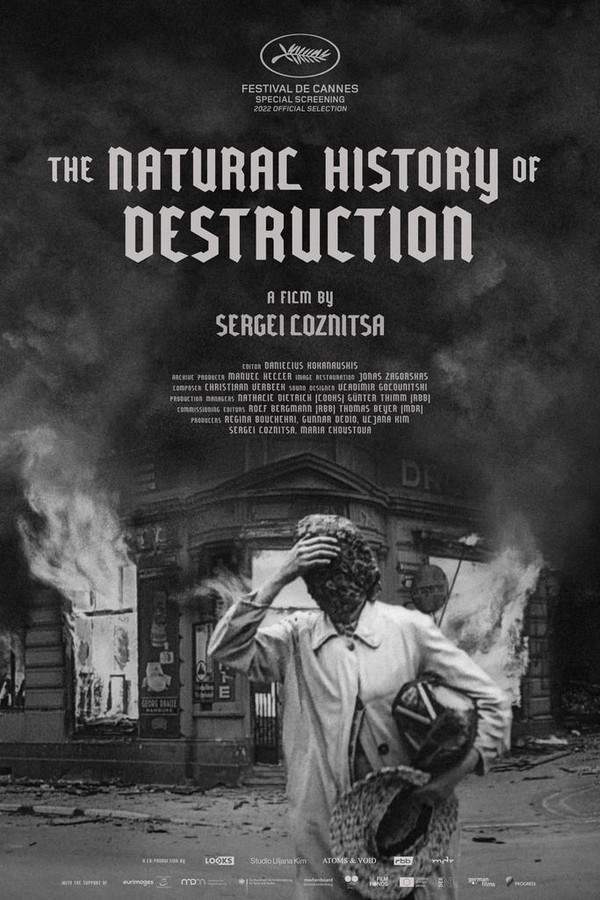
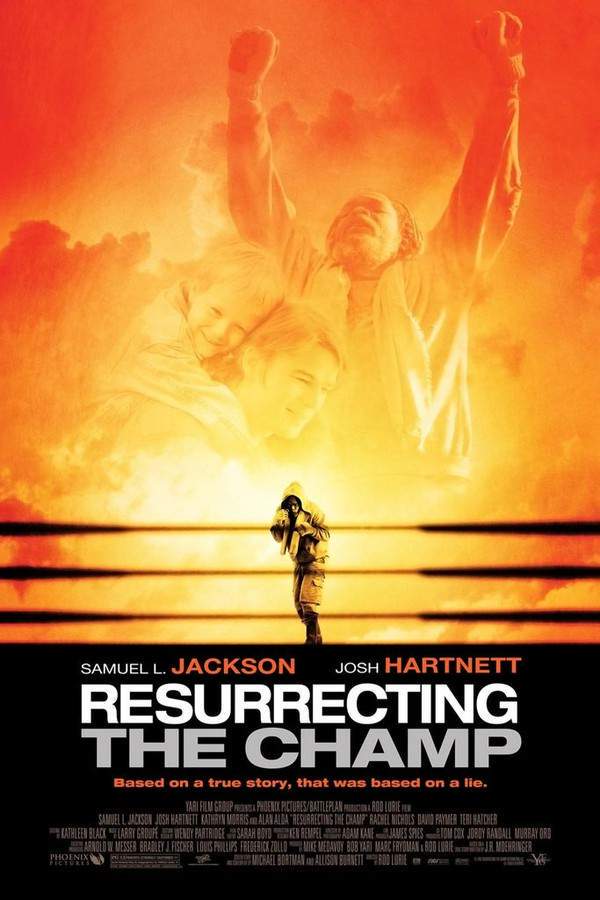
Stories of Moral Courage like Max Schmeling

Stories of personal integrity maintained under the shadow of tyranny. For viewers who appreciated the theme of quiet defiance in Max Schmeling, this list highlights similar movies about maintaining personal integrity under oppressive regimes. Discover more films where characters face the difficult choice between survival and conscience, often with bittersweet outcomes.

  • sobering
  • reflective
  • determined
  • gritty
  • tragic
  • hopeful
  • Tone: sobering, reflective, bittersweet
  • Pacing: steady, character-driven
Why these movies?

The story pattern: The narrative pattern involves an ordinary person navigating a corrupt or totalitarian society. Their journey is internal, focused on a series of moral choices that gradually isolate them from the mainstream. The climax is often not a victory over the system, but the personal triumph of surviving with one's soul intact, albeit scarred.

Why they belong together: These films are grouped by their shared mood of sobering reflection and determined grit. They feature a steady, character-driven pace and a medium emotional intensity, focusing on the psychological toll of resistance. The ending is typically bittersweet, valuing moral victory over a tidy, happy conclusion.

Every angle

Max Schmeling (2010) Explained: Plot, Timeline & Characters

Everything about Max Schmeling in one place: what happens in the plot summary, the timeline in chronological order, the characters and meaning and a spoiler-free summary. What's After the Movie adds the cast, box office and post-credit scenes.

Coming soon on iOS and Android

The Plot Explained Movie Summary App

Plot summaries, endings explained and timelines on your phone. Catch up on any movie in minutes, save your favorites and never miss a twist again.

Be the first to know when we launch. Your email stays private, always.

Learn more about the app