Plot Explained Spoilers guaranteed!
Plot Explained

Browse by genre

Max Schmeling (2010) movie poster

Characters & Themes

Max Schmeling (2010) Characters, Setting & Themes Explained

Release, runtime and language
2010 · 118 mins · German
Loading streaming availability…
Starring
Susanne Wuest, Heino Ferch, Elliot Cowan, Uwe Boll, Detlef Bothe, Vladimir Tintor

The film dramatizes the true life of German boxer Max Schmeling, who rose to national hero status in the 1930s as World heavyweight champion. After his upset loss to African‑American rival Joe Louis, the Nazi regime turned against him, ordering his deployment to the front in the hope he would be killed, illustrating his tragic clash with politics and sport.

On this page (8)
  1. 1 Where to watch
  2. 2 Characters explained (6)
  3. 3 Character relationship map
  4. 4 Where & when it takes place
  5. 5 Themes & meaning (4)
  6. 6 Character & meaning questions
  7. 7 Movie threads
  8. 8 Every angle
Loading streaming availability…

6 main characters · contains spoilers

Max Schmeling Characters Explained: Who Is Who

The main characters of Max Schmeling (2010), heroes and villains: what drives them, how they change over the course of the story and what each of them reveals about the film's bigger ideas.

  • Max Schmeling (Henry Maske)

    A German heavyweight boxer whose career defines the era's contradictions. He rises to world champion but remains wary of Nazi propaganda, choosing personal integrity over political gain. His life intertwines triumphs in the ring with moral decisions off it, including his stance toward his Jewish manager and his wife Anny Ondra.

    • 🥊 Boxer
    • 🕊️ Courage
    • 🧭 Integrity
  • Anny Ondra (Susanne Wuest)

    Czech-born actress and Schmeling's partner who becomes his confidant. She dislikes boxing but supports Schmeling, marrying him as the Nazi era intensifies. Their relationship anchors the human side of Schmeling’s story amid public controversy.

    • 🎭 Actress
    • 💕 Relationship
    • 🗝️ Support
  • Joe Jacobs (Vladimir Weigl)

    Schmeling's Jewish manager, whose career and fate are entangled with the era's politics. Schmeling's camaraderie with Jacobs and his defense of him reflect his personal code against oppression. Jacobs represents the human cost of the regime's antisemitic policies.

    • 💼 Manager
    • 🕍 Jewish
    • 🤝 Ally
  • Max Machon (Heino Ferch)

    Schmeling's trainer and mentor, who guides his preparation and returns to work with him after the war. Machon embodies the trusted coaching relationship that helps Schmeling navigate both sport and era-defining challenges.

    • 🏋️‍♂️ Trainer
    • 🧭 Mentor
    • 🕊️ Loyal
  • Joe Louis (Yoan Pablo Hernández)

    American heavyweight champion whose bouts with Schmeling became defining moments in boxing history. The film portrays their first fight as a controversial turning point and the rematch as a public test of courage and national identity.

    • 🥇 Champion
    • 🥊 Rivalry
    • 🌍 Legacy
  • Hans von Tschammer und Osten (Arved Birnbaum)

    Head of the German Reich Sports Committee who uses sport as propaganda and interacts with Schmeling about the Louis fights. He represents the political pressures Schmeling faces from the top of the regime.

    • 🏛️ Official
    • 🗺️ Politics
    • 🧭 Pressure

Last updated: October 28, 2026 at 21:39

Was this helpful?

7 characters · 10 connections · contains spoilers

Max Schmeling Character Relationship Map

Who is connected to whom in Max Schmeling: family, love, friendships, rivalries and hidden ties, colour-coded. Pick a character to see their side of the story, or a connection to see what brings two characters together.

How much of the story to show
MSMax SchmelingHenry MaskeAOAnny OndraSusanne WuestJJJoe JacobsVladimir WeiglMMMax MachonHeino FerchJLJoe LouisYoan Pablo HernándezHVHans von Tschammerund OstenArved BirnbaumAAlan

Last updated: October 28, 2026 at 21:39

Was this helpful?

Setting

Where and When Does Max Schmeling Take Place?

The setting of Max Schmeling (2010): the year and time period, the places and locations, and how they shape the characters, the mood and the tension of the story.

Time period

1930s–1948

The events span the 1930s through the late 1940s, beginning with Schmeling's ascent to the heavyweight title and ending with his retirement. The era covers the Nazi rise to power, the use of sport for propaganda, and Schmeling's personal acts of defiance and loyalty. The timeline includes the two historic bouts with Joe Louis and Schmeling's life after the war as Europe rebuilds.

Location

Crete, Berlin, New York, Cleveland, Kiel, Frankfurt, Hamburg, Pommern countryside, West Berlin

Set across the Mediterranean island of Crete during the 1941 invasion and major boxing venues in Berlin, New York, and Cleveland, the film traces Schmeling's rise and the changing perceptions of him amid a charged political era. It also visits German towns like Kiel and Hamburg and the Pommern countryside, where Schmeling's life alongside his wife unfolds amid upheaval. The story returns to war-time Europe and boxing culture, highlighting how geography frames the man behind the legend.

  • 🗺️ European
  • 🥊 Sports
  • 🪖 War era
  • 🏛️ History

Last updated: October 28, 2026 at 21:39

Was this helpful?

4 major themes

Max Schmeling Meaning: Themes & Message Explained

What is Max Schmeling (2010) really about? The emotional, social and philosophical themes the film keeps returning to, its symbolism and the message beneath the surface.

  • Integrity

    Max Schmeling's life tests personal integrity against mounting political pressure. The film shows how a top athlete can resist propaganda, choosing private conscience over public spectacle. It highlights courage in a society willing to redefine heroes for its own ends.

  • Public Image

    Schmeling's reputation as the 'low blow champion' demonstrates how media and crowd sentiment shape a hero's image. The narrative reveals the tension between public perception and private beliefs, especially under Nazi influence. Anny's relationship and Schmeling's actions expose the gap between image and character.

  • Loyalty

    Key relationships—Anny Ondra, Joe Jacobs, and Max Machon—show loyalty as a central thread. Schmeling's protection of his Jewish manager and his trusted circle underscores ethics over nationalist pressure. These bonds sustain him through war, exile, and comeback.

  • Legacy

    The film traces Schmeling's post-boxing life as a public icon and businessman, illustrating how sport can shape lasting influence beyond the ring. It portrays his humanitarian acts during wartime and his enduring reputation in boxing history. The ending reflects on how a sports figure can carry a legacy that outlives his prime.

Last updated: October 28, 2026 at 21:39

Was this helpful?

Character & theme questions

Max Schmeling Characters & Meaning: Your Questions Answered

The questions people ask about Max Schmeling (2010): who the characters really are, their relationships, what the symbols mean, where it takes place and what the movie is really about. Each answer contains spoilers.

Q1

Where is Max Schmeling set?

The film takes place across several major locations: boxing venues in Berlin, New York, and Cleveland, the Mediterranean island of Crete during the 1941 invasion, and German towns including Kiel, Hamburg, Frankfurt, and the Pommern countryside where Schmeling's personal life unfolds.

  • locations
  • boxing venues
  • berlin
  • new york
  • crete
  • germany
Q2

When does the story take place?

The events span from the 1930s through 1948, covering Schmeling's rise to become heavyweight champion, the Nazi era, World War II, and his post-war life. The timeline includes his two historic fights with Joe Louis and his military service during the war.

  • 1930s
  • 1940s
  • world war 2
  • era
  • timeline
  • history
Q3

What are the main themes of the film?

The film explores four central themes: integrity, public image, loyalty, and legacy. It examines how Schmeling's career tested his personal morals against Nazi political pressure, how media shaped his hero status, the loyalty he showed to his Jewish manager and loved ones, and his lasting impact as a sports figure beyond the ring.

  • themes
  • integrity
  • loyalty
  • legacy
  • public image
  • message
Q4

What does the film say about integrity?

The film shows Schmeling as a man who resists Nazi propaganda, choosing private conscience over public spectacle. Despite pressure to conform, he maintains his integrity by defending his Jewish manager and refusing to fully align with the regime, even when it costs him his status as a national hero.

  • integrity
  • moral courage
  • resistance
  • conscience
  • nazism
Q5

How does the film portray loyalty?

Loyalty emerges through key relationships: Schmeling's protection of his Jewish manager Joe Jacobs, his partnership with his wife Anny Ondra, and his bond with trainer Max Machon. These relationships sustain him through wartime hardship and illustrate his ethical choices over nationalist pressure.

  • loyalty
  • relationships
  • joe jacobs
  • anny ondra
  • max machon
  • friendship
Q6

What is Max Schmeling's legacy according to the film?

The film portrays Schmeling's legacy as a sports figure who carried influence beyond boxing. His humanitarian acts during wartime and his enduring reputation in boxing history demonstrate how an athlete can shape lasting impact. The bittersweet ending shows him surviving the war and finding post-war success despite losing his earlier status.

  • legacy
  • reputation
  • boxing history
  • post-war
  • sports career
Q7

Who is Max Schmeling in the film?

Max Schmeling is the German heavyweight boxer portrayed by Henry Maske, whose career defined the contradictions of the era. He rises to world champion while remaining wary of Nazi propaganda, choosing personal integrity over political gain. His story intertwines triumphs in the ring with moral decisions off it.

  • max schmeling
  • boxer
  • champion
  • protagonist
  • henry maske
Q8

Who is Anny Ondra?

Anny Ondra, played by Susanne Wuest, is a Czech-born actress who becomes Schmeling's partner and confidant. Though she dislikes boxing, she supports him throughout the Nazi era and marries him as political pressure intensifies. Their relationship anchors the human side of his story amid public controversy.

  • anny ondra
  • wife
  • actress
  • susanne wuest
  • relationship
Q9

Who is Joe Jacobs?

Joe Jacobs, portrayed by Vladimir Weigl, is Schmeling's Jewish manager whose career becomes entangled with the era's politics. Schmeling's defense of Jacobs reflects his personal code against oppression, representing the human cost of antisemitic policies under the Nazi regime.

  • joe jacobs
  • manager
  • jewish
  • oppression
  • /vladimir weigl
Q10

What is Joe Louis's role in the film?

Joe Louis, played by Yoan Pablo Hernández, is the American heavyweight champion whose two bouts with Schmeling became defining moments in boxing history. The film portrays their first fight as a controversial turning point and the rematch as a public test of courage and national identity, transcending mere sport.

  • joe louis
  • rival
  • american champion
  • fight
  • yoan pablo hernandez
Q11

Who is Hans von Tschammer und Osten?

Hans von Tschammer und Osten, portrayed by Arved Birnbaum, is the head of the German Reich Sports Committee who uses sport as propaganda. He interacts with Schmeling regarding the Louis fights and represents the political pressures the boxer faces from the top of the Nazi regime.

  • hans von tschammer und osten
  • reich sports committee
  • propaganda
  • politics
  • arved birnbaum
Q12

Who is Max Machon?

Max Machon, played by Heino Ferch, is Schmeling's trainer and mentor who guides his preparation throughout his career. He represents the trusted coaching relationship that helps Schmeling navigate both sporting challenges and era-defining difficulties, returning to work with him after the war.

  • max machon
  • trainer
  • mentor
  • heino ferch
  • coaching

Movie threads

More Movies Like Max Schmeling, by Mood & Story

Curated lists built around what makes Max Schmeling tick: the same mood, the same kind of story or the same emotional payoff. Each list explains why these movies belong together.

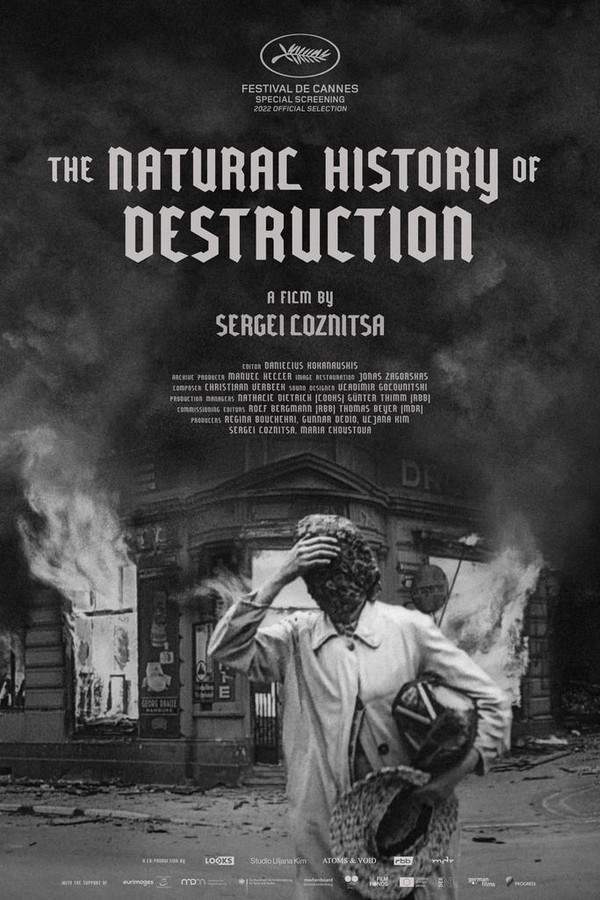
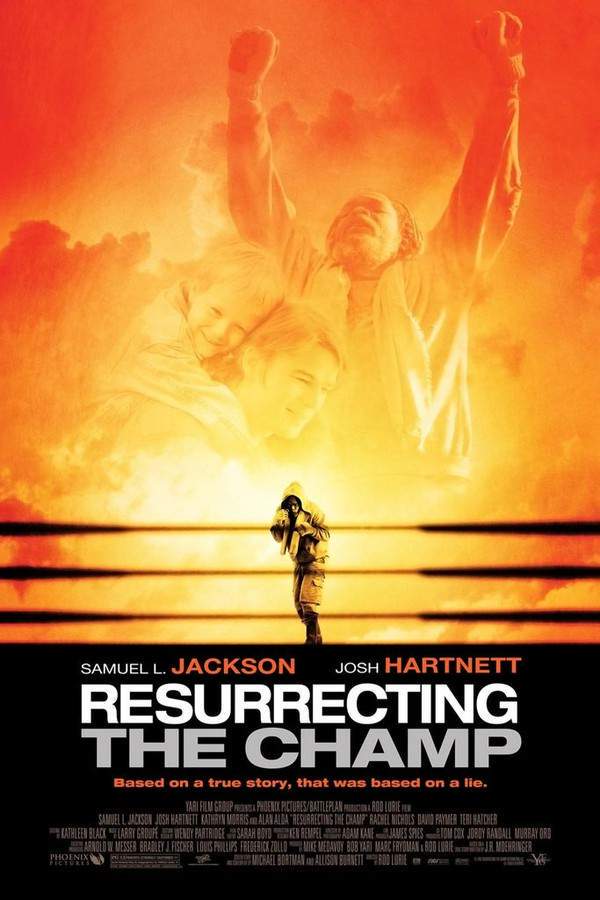
Sports Dramas with Political Conflict like Max Schmeling

True stories of sports figures whose victories are overshadowed by political turmoil. If you enjoyed the historical clash of sports and politics in Max Schmeling, explore more movies like it. This collection features biographical dramas about athletes whose lives are irrevocably shaped by the turbulent times they live in, offering similar stories of personal courage against overwhelming political pressure.

  • gritty
  • tragic
  • uplifting
  • reflective
  • sobering
  • determined
  • Tone: bittersweet, sobering, determined
  • Pacing: steady, chronological
Why these movies?

The story pattern: These narratives follow a familiar arc: an athlete's rise to fame coincides with the rise of a dangerous political regime. Their initial status as a national hero is tested as they are forced to choose between complicity and conscience, leading to a fall from grace and a struggle for survival or redemption outside the sport they love.

Why they belong together: Movies in this thread share a sobering, gritty mood, blending the uplifting thrill of competition with the tragic weight of historical events. They are united by a steady biographical pacing, bittersweet tone, and a central theme of an individual's moral struggle within a corrupt system.
Stories of Moral Courage like Max Schmeling

Stories of personal integrity maintained under the shadow of tyranny. For viewers who appreciated the theme of quiet defiance in Max Schmeling, this list highlights similar movies about maintaining personal integrity under oppressive regimes. Discover more films where characters face the difficult choice between survival and conscience, often with bittersweet outcomes.

  • sobering
  • reflective
  • determined
  • gritty
  • tragic
  • hopeful
  • Tone: sobering, reflective, bittersweet
  • Pacing: steady, character-driven
Why these movies?

The story pattern: The narrative pattern involves an ordinary person navigating a corrupt or totalitarian society. Their journey is internal, focused on a series of moral choices that gradually isolate them from the mainstream. The climax is often not a victory over the system, but the personal triumph of surviving with one's soul intact, albeit scarred.

Why they belong together: These films are grouped by their shared mood of sobering reflection and determined grit. They feature a steady, character-driven pace and a medium emotional intensity, focusing on the psychological toll of resistance. The ending is typically bittersweet, valuing moral victory over a tidy, happy conclusion.

Every angle

Max Schmeling (2010) Explained: Plot, Timeline & Characters

Everything about Max Schmeling in one place: what happens in the plot summary, the timeline in chronological order, the characters and meaning and a spoiler-free summary. What's After the Movie adds the cast, box office and post-credit scenes.

Coming soon on iOS and Android

The Plot Explained Movie Summary App

Plot summaries, endings explained and timelines on your phone. Catch up on any movie in minutes, save your favorites and never miss a twist again.

Be the first to know when we launch. Your email stays private, always.

Learn more about the app