Plot Explained Spoilers guaranteed!
Plot Explained

Browse by genre

Masani (2013) movie poster

Timeline

Masani (2013) Timeline Explained – Every Event in Order

Release, runtime and language
2013 · 150 mins · Tamil
Loading streaming availability…
Directed by
K. Padmaraja
Starring
Devan, Halwa Vasu, Roja Selvamani, Pandi, Sarath Babu, Rajendran

A wealthy landlord's brother begins a romance with a woman from a lower caste, which leads to tragedy when his sister-in-law commits murder. The young woman, carrying his child, is subsequently ostracized and dies during childbirth. However, she returns as a vengeful spirit, determined to haunt the village and confront those responsible for her suffering and the death of her unborn child.

On this page (5)
  1. 1 Where to watch
  2. 2 Events in order (14)
  3. 3 Timeline questions answered
  4. 4 Movie threads
  5. 5 Every angle
Loading streaming availability…

14 events in order · contains spoilers

Masani Timeline: Events in Chronological Order

Every key event of Masani (2013) in order, scene by scene, with when and where it takes place. Use it to untangle flashbacks, time jumps and parallel storylines, to refresh your memory before the sequel or to find the exact scene you are thinking of.

  1. Vishwa is raised by Swami and trained in sculpture

    Vishwa, a graduate, is raised by Swami, a renowned sculptor. He learns the craft under Swami's tutelage and grows into a skilled artist. Their bond centers on devotion to sculpture and artistic lineage.

    When
    early life
    Where
    Swami's workshop
  2. Vishwa meets Kavitha

    Vishwa meets Kavitha and they develop mutual affection. Their budding romance adds a personal stake to the village's idol project. The relationship inspires hope amid the looming challenges.

    When
    pre-idol assignment
    Where
    village
  3. The unfinished idol and the ghost

    In the village, many sculptors attempt to finish a god's idol left incomplete years ago. A ghost haunts the project and prevents completion, driving fear among the artisans. This sets the central conflict for the community.

    When
    present
    Where
    village idol site
  4. Rajeshwari's enmity with Devanna

    The village head's wife, Rajeshwari, holds enmity toward Kavitha's father, Devanna Gounder. Their feud casts a shadow over the idol project and village harmony. Personal grudges thwart cooperation.

    When
    present
    Where
    village
  5. Astrologer advises; Devanna requests Swami

    An astrologer advises action to complete the idol. Heeding this, Devanna pleads with Swami to come to his village and finish the work. Swami insists that Vishwa should undertake the task, making the boy the chosen sculptor.

    When
    present
    Where
    Devanna's village
  6. Swami appoints Vishwa to complete the idol

    Swami tells Devanna that Vishwa must complete the idol on his behalf, making Vishwa the project’s lead sculptor. This transition tests Vishwa's skills and resolve. The villagers watch with a mix of hope and skepticism.

    When
    present
    Where
    Swami's workshop
  7. Flashback: Vetri and Masani's love

    Swami recounts a past tale: Vetri, the village head's brother, falls in love with Masani, a lower-caste girl. Their bond faces resistance from Rajeshwari and social norms. The story foreshadows the tragedy that shapes Vishwa's future.

    When
    flashback
    Where
    village
  8. Vetri and Masani's pregnancy and plan to marry

    Vetri decides to marry Masani despite Rajeshwari's objections. Masani becomes pregnant, and their decision challenges caste and family authority. The couple's courage sets in motion a chain of consequences.

    When
    flashback
    Where
    village
  9. Vetri is killed and Masani is ostracized

    Rajeshwari poisons Vetri to prevent the marriage, and Masani is shamed and isolated from the village. The community's cruelty scars Masani and deepens the rift in the village.

    When
    flashback
    Where
    village
  10. Masani gives birth and dies; Swami's departure

    Masani endures hardship, delivers a baby boy in labor, and soon passes away. Swami arrives but leaves the village furious, unable to complete the idol.

    When
    flashback
    Where
    village
  11. Swami adopts Masani's baby, who is Vishwa

    Swami takes the newborn baby as his own, raising him as Vishwa. This act binds Vishwa's fate to the legacy of both Masani and Vetri. The adoption marks a turning point toward a future in which Vishwa will fulfill the idol.

    When
    post-flashback
    Where
    Swami's home
  12. Vishwa returns to complete the idol

    Vishwa grows up and returns to the village to finish the god's idol. His skill and resolve transform the site from fear to faith. The completion marks a moment of restitution for the community.

    When
    present
    Where
    village
  13. Masani's spirit convicts Rajeshwari and truth comes out

    Masani's soul appears to torment Rajeshwari and force her to reveal the truth to the villagers. The confession exposes the village's past wrongs and the root of the idol's delay. The moral balance shifts as guilt is confronted.

    When
    present
    Where
    village
  14. Revelation, apology, and marriage

    Swami arrives and reveals that Vishwa is Vetri and Masani's son. The villagers realize their mistake and apologize to Vishwa. Finally, Vishwa marries Kavitha, sealing a hopeful future for the couple.

    When
    present
    Where
    village

Last updated: October 09, 2025 at 16:09

Was this helpful?

Timeline questions answered

Masani Timeline Explained: Your Questions Answered

When does it happen, and why in that order? The questions people ask about the chronology of Masani (2013): time jumps, flashbacks, cause and effect between scenes and the correct order of events, each answered with spoilers.

Q1

Why does Rajeshwari kill Vetri in Masani?

Rajeshwari, the village head's wife, poisons and kills Vetri because he plans to marry Masani, a woman from a lower caste. Rajeshwari strongly opposes the marriage due to caste prejudice and wants to prevent the union from happening. By killing Vetri, she eliminates the man who would defy social norms and take Masani as his wife.

Foreshadowing: Rajeshwari's earlier enmity with Devanna Gounder hints at her capacity for ruthless opposition to relationships that cross social boundaries.

  • rajeshwari
  • vetri
  • poison
  • caste
  • marriage
Q3

Why does Masani's ghost haunt the village?

Masani's spirit haunts the village because of the extreme injustice done to her. She was ostracized and shamed after Vetri's death, left alone to endure hardships while pregnant, and died in childbirth with no one coming to help despite Swami's pleas. Her unresolved death and the murder of her unborn child's father fuel her vengeful return.

Foreshadowing: Swami's angry departure after witnessing Masani's suffering foreshadows that her spirit would not rest quietly.

  • masani
  • ghost
  • spirit
  • revenge
  • haunting
Q4

What happens to Masani after she gives birth?

Masani goes into labor alone and delivers a baby boy with Swami pleading for help from the villagers, but no one comes forward to assist her. After telling Swami about her tragic life story, Masani passes away. Her dying words and the village's refusal to help her directly contribute to Swami's fury and his decision to leave without completing the idol.

Foreshadowing: The flashback establishes that Masani's death in childbirth is not just a tragic event but the catalyst for the supernatural consequences that follow.

  • masani
  • childbirth
  • baby
  • death
  • labor
Q5

Why can't anyone complete the idol in Masani?

The village's god idol has remained unfinished for years because Masani's ghost haunts the site and prevents any sculptor from completing it. The ghost's presence drives away most artisans in fear. The supernatural blockage is tied to the injustice done to Masani, the very people who wronged her live in this village and benefit from the idol's completion, which her spirit will not allow.

Foreshadowing: The ghost's interference begins when the villagers attempt to complete the idol, suggesting a direct connection between the crime and the sacred work.

  • idol
  • ghost
  • unfinished
  • scuplture
  • village
Q6

What triggers Rajeshwari to confess the truth?

Masani's vengeful spirit directly torments Rajeshwari, haunting her until she can no longer bear the psychological torture. The ghost forces Rajeshwari to confront her crimes by making her relive the guilt of poisoning Vetri and ostracizing Masani. This supernatural pressure compels Rajeshwari to confess the truth to the villagers before she is killed by Masani's spirit.

Foreshadowing: Rajeshwari's guilt has been building throughout the story, and her fear of the ghost suggests she knows the consequences of her actions are coming.

  • rajeshwari
  • confession
  • truth
  • ghost
  • confess
Q7

How does Vishwa complete the idol when others failed?

Vishwa succeeds where others failed because he is the son of Masani and Vetri, the very people whose tragedy binds the village. When he works on the idol, Masani's spirit does not oppose him because he is her son and represents restitution for the wrongs committed. His lineage grants him the spiritual right to complete what his parents' memory made impossible.

Foreshadowing: Swami's insistence that Vishwa specifically must do the job hints that only someone with the right connection could finish the idol.

  • vishwa
  • idol
  • complete
  • scuplture
  • son
Q8

Why does Swami refuse to complete the idol?

Swami leaves the village without completing the idol because he witnesses the villagers refuse to help Masani during her life-threatening labor. Appalled by their cruelty and indifference to suffering, Swami departs in fury, declaring that the people will one day realize their mistake. He only adopts Masani's baby before leaving, taking on the responsibility that the village abandoned.

Foreshadowing: Swami's anger at the villagers' inaction during Masani's crisis sets up his later refusal to help the community that wronged her.

  • swami
  • idol
  • leave
  • refuse
  • abandon
Q9

Why is Masani ostracized by the village?

Masani is ostracized because she became pregnant by Vetri, the village head's brother, outside of acceptable social norms. After Rajeshwari kills Vetri and spreads shame upon Masani, the village collectively shuns her, refusing to help her during her pregnancy and childbirth. The caste divide combined with Rajeshwari's influence creates a community that abandons a vulnerable woman in crisis.

Foreshadowing: The flashback establishes that Rajeshwari deliberately isolates Masani to punish her for the relationship with Vetri.

  • masani
  • ostracized
  • caste
  • shame
  • village
Q10

Why does Masani's spirit specifically target Rajeshwari?

Masani's spirit targets Rajeshwari because she is the direct perpetrator of the crimes against her. Rajeshwari poisoned Vetri to prevent the marriage, orchestrated Masani's ostracism, and ultimately bears responsibility for the suffering and deaths of both Vetri and Masani. The ghost's vengeance focuses on the person most responsible for the tragedy, the one who initiated the chain of events that led to Masani's death.

Foreshadowing: Rajeshwari's role as the antagonist in the flashback directly sets up her as the target of supernatural retribution.

  • masani
  • rajeshwari
  • spirit
  • revenge
  • target

Movie threads

More Movies Like Masani, by Mood & Story

Curated lists built around what makes Masani tick: the same mood, the same kind of story or the same emotional payoff. Each list explains why these movies belong together.

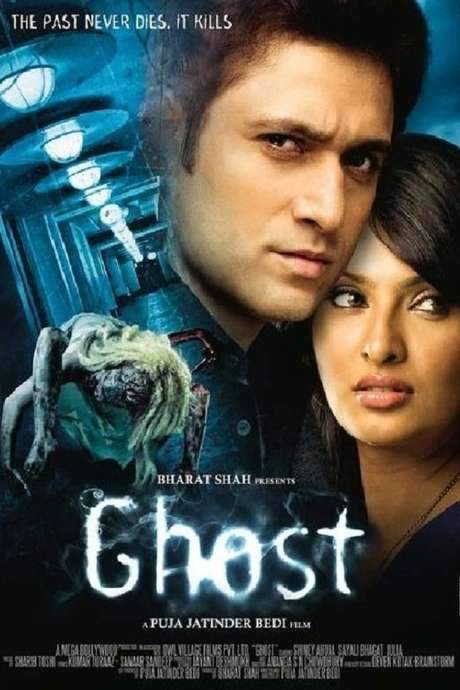
Ghost stories seeking justice like in Masani

Supernatural tales where wronged spirits return to settle earthly scores. Discover movies like Masani where tragic deaths lead to supernatural hauntings focused on justice. These films feature vengeful spirits confronting their tormentors, blending heavy emotional drama with elements of the ghost story and horror genres.

  • vengeful
  • haunting
  • tragic
  • supernatural justice
  • oppressive
  • melancholic
  • Tone: dark, tragic, vengeful
  • Pacing: steady, deliberate
Why these movies?

The story pattern: Stories in this thread typically follow a two-act structure: first, a grave injustice, often involving murder or persecution, leads to a tragic death. Then, the narrative shifts to the present, where the victim's spirit returns, wielding supernatural power to expose the truth and punish the guilty, forcing a moral and emotional confrontation.

Why they belong together: These movies are grouped by their central theme of supernatural retribution. They share a dark tone, a heavy emotional weight from the initial tragedy, and a core conflict driven by a vengeful spirit whose actions create a tense, often morally complex, atmosphere focused on achieving a form of justice.
Tragedies of social injustice like in Masani

Heartbreaking stories where societal oppression leads to personal ruin. Explore movies like Masani that center on tragic romances destroyed by social injustice. These films, often dramatic thrillers or social dramas, depict how rigid societal structures like caste or class lead to heartbreak, persecution, and a heavy emotional toll.

  • tragic
  • oppressive
  • melancholic
  • social drama
  • forbidden love
  • family feud
  • Tone: dark, melancholic, tragic
  • Pacing: steady, character-driven
Why these movies?

The story pattern: The narrative pattern involves a central, often forbidden, relationship that challenges deep-seated social norms. This defiance triggers a chain reaction of violent opposition from the community or family, leading to persecution, ostracism, and tragic consequences for the lovers, serving as a critique of the oppressive system.

Why they belong together: This thread unites films through their thematic focus on social injustice as the primary engine of tragedy. They share a dark, melancholic tone, a steady, character-driven pace that builds towards an inevitable downfall, and a consistently heavy emotional weight derived from the characters' struggle against an immovable system.

Every angle

Masani (2013) Explained: Plot, Timeline & Characters

Everything about Masani in one place: what happens in the plot summary, the timeline in chronological order, the characters and meaning and a spoiler-free summary. What's After the Movie adds the cast, box office and post-credit scenes.

Coming soon on iOS and Android

The Plot Explained Movie Summary App

Plot summaries, endings explained and timelines on your phone. Catch up on any movie in minutes, save your favorites and never miss a twist again.

Be the first to know when we launch. Your email stays private, always.

Learn more about the app