
Masani
Year: 2013
Runtime: 150 mins
Language: Tamil
Director: K. Padmaraja
A wealthy landlord's brother begins a romance with a woman from a lower caste, which leads to tragedy when his sister-in-law commits murder. The young woman, carrying his child, is subsequently ostracized and dies during childbirth. However, she returns as a vengeful spirit, determined to haunt the village and confront those responsible for her suffering and the death of her unborn child.
Where to Watch Masani?
Find where to stream, rent, or buy Masani (2013) in the US with current JustWatch availability, up-to-date pricing, and platform listings for subscription, rental, and digital purchase options.



Streaming availability powered by 
Warning: spoilers below!
Haven’t seen Masani yet? This summary contains major spoilers. Bookmark the page, watch the movie, and come back for the full breakdown. If you're ready, scroll on and relive the story!
Masani (2013) – Full Plot Summary & Ending Explained
Read the complete plot breakdown of Masani (2013), including all key story events, major twists, and the ending explained in detail. Discover what really happened, and what it all means.
Vishwa is a talented graduate sculptor who grows up under the guidance of the celebrated sculptor Swami, absorbing every nuance of the craft. When he meets Kavitha, the two quickly discover a shared affection that grounds them amid a troubling village backdrop. In a nearby locale, many sculptors come to finish a god’s idol that has remained unfinished for years, but every attempt meets a chilling obstacle as a ghost prevents completion, driving most away in fear.
The Village Head’s wife Rajeshwari harbors deep enmity with her relative Devanna Gounder, Kavitha’s father, setting a tense stage for what follows. On the advice of an astrologer, Devanna invites Swami to visit the village to complete the idol; Swami, though, tells him the job must be done by Vishwa.
Swami recounts a flashback: Vetri, the village head’s only brother, falls in love with Masaani, a woman of lower caste in the same village. Masaani becomes pregnant, and Vetri resolves to marry her despite Rajeshwari’s objections. Rajeshwari poisons and kills Vetri and also insults Masaani, isolating her from the community. Masaani endures hardship as she is left alone. Swami comes to the village to sculpt the idol, and, upon seeing Masaani in labor, he pleads for help, but none come forward. Masaani delivers a baby boy, tells Swami about her life, and then passes away.
Swami grows furious, and departs the village without completing the idol, convinced that the people will one day realize their mistake. He adopts the baby, who turns out to be the son of Vetri and Masaani, and raises him as Vishwa. The boy returns to the village and finally completes the idol. Masaani’s soul haunts the memory of the villagers and compels Rajeshwari to confess the truth; Rajeshwari is killed by Masaani’s spirit. Swami then reveals that Vishwa is the son of Vetri and Masaani, and with the truth out, the village turns to apologize to Vishwa, who eventually marries Kavitha.
Last updated: October 09, 2025 at 16:09
Masani (2013) Plot Questions Answered – Summary FAQ
Explore frequently asked questions about Masani (2013) with spoiler-rich answers covering the full plot summary, major story beats, character motivations, hidden details, and ending meaning. This movie summary FAQ helps explain confusing scenes, plot twists, and narrative decisions in clear, searchable detail.
Why does Rajeshwari kill Vetri in Masani?
Rajeshwari, the village head's wife, poisons and kills Vetri because he plans to marry Masani, a woman from a lower caste. Rajeshwari strongly opposes the marriage due to caste prejudice and wants to prevent the union from happening. By killing Vetri, she eliminates the man who would defy social norms and take Masani as his wife.
Rajeshwari's earlier enmity with Devanna Gounder hints at her capacity for ruthless opposition to relationships that cross social boundaries.
Why does Masani's ghost haunt the village?
Masani's spirit haunts the village because of the extreme injustice done to her. She was ostracized and shamed after Vetri's death, left alone to endure hardships while pregnant, and died in childbirth with no one coming to help despite Swami's pleas. Her unresolved death and the murder of her unborn child's father fuel her vengeful return.
Swami's angry departure after witnessing Masani's suffering foreshadows that her spirit would not rest quietly.
What happens to Masani after she gives birth?
Masani goes into labor alone and delivers a baby boy with Swami pleading for help from the villagers, but no one comes forward to assist her. After telling Swami about her tragic life story, Masani passes away. Her dying words and the village's refusal to help her directly contribute to Swami's fury and his decision to leave without completing the idol.
The flashback establishes that Masani's death in childbirth is not just a tragic event but the catalyst for the supernatural consequences that follow.
Why can't anyone complete the idol in Masani?
The village's god idol has remained unfinished for years because Masani's ghost haunts the site and prevents any sculptor from completing it. The ghost's presence drives away most artisans in fear. The supernatural blockage is tied to the injustice done to Masani, the very people who wronged her live in this village and benefit from the idol's completion, which her spirit will not allow.
The ghost's interference begins when the villagers attempt to complete the idol, suggesting a direct connection between the crime and the sacred work.
What triggers Rajeshwari to confess the truth?
Masani's vengeful spirit directly torments Rajeshwari, haunting her until she can no longer bear the psychological torture. The ghost forces Rajeshwari to confront her crimes by making her relive the guilt of poisoning Vetri and ostracizing Masani. This supernatural pressure compels Rajeshwari to confess the truth to the villagers before she is killed by Masani's spirit.
Rajeshwari's guilt has been building throughout the story, and her fear of the ghost suggests she knows the consequences of her actions are coming.
How does Vishwa complete the idol when others failed?
Vishwa succeeds where others failed because he is the son of Masani and Vetri, the very people whose tragedy binds the village. When he works on the idol, Masani's spirit does not oppose him because he is her son and represents restitution for the wrongs committed. His lineage grants him the spiritual right to complete what his parents' memory made impossible.
Swami's insistence that Vishwa specifically must do the job hints that only someone with the right connection could finish the idol.
Why does Swami refuse to complete the idol?
Swami leaves the village without completing the idol because he witnesses the villagers refuse to help Masani during her life-threatening labor. Appalled by their cruelty and indifference to suffering, Swami departs in fury, declaring that the people will one day realize their mistake. He only adopts Masani's baby before leaving, taking on the responsibility that the village abandoned.
Swami's anger at the villagers' inaction during Masani's crisis sets up his later refusal to help the community that wronged her.
Why is Masani ostracized by the village?
Masani is ostracized because she became pregnant by Vetri, the village head's brother, outside of acceptable social norms. After Rajeshwari kills Vetri and spreads shame upon Masani, the village collectively shuns her, refusing to help her during her pregnancy and childbirth. The caste divide combined with Rajeshwari's influence creates a community that abandons a vulnerable woman in crisis.
The flashback establishes that Rajeshwari deliberately isolates Masani to punish her for the relationship with Vetri.
Why does Masani's spirit specifically target Rajeshwari?
Masani's spirit targets Rajeshwari because she is the direct perpetrator of the crimes against her. Rajeshwari poisoned Vetri to prevent the marriage, orchestrated Masani's ostracism, and ultimately bears responsibility for the suffering and deaths of both Vetri and Masani. The ghost's vengeance focuses on the person most responsible for the tragedy, the one who initiated the chain of events that led to Masani's death.
Rajeshwari's role as the antagonist in the flashback directly sets up her as the target of supernatural retribution.

Explore Movie Threads
Discover curated groups of movies connected by mood, themes, and story style. Browse collections built around emotion, atmosphere, and narrative focus to easily find films that match what you feel like watching right now.
Ghost stories seeking justice like in Masani
Supernatural tales where wronged spirits return to settle earthly scores.Discover movies like Masani where tragic deaths lead to supernatural hauntings focused on justice. These films feature vengeful spirits confronting their tormentors, blending heavy emotional drama with elements of the ghost story and horror genres.
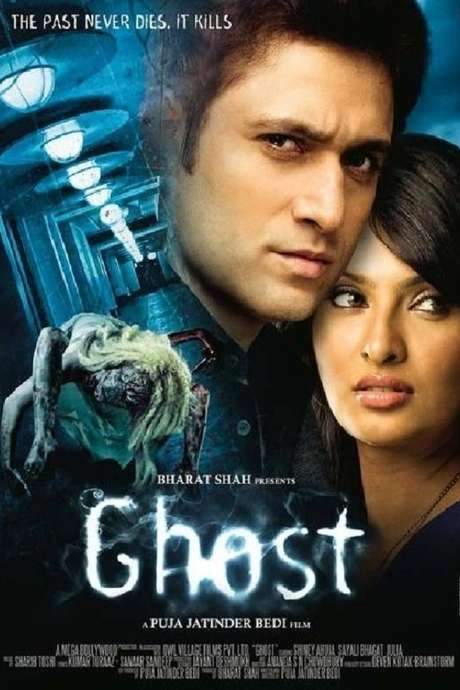
Ghost
2012

Sometimes They Come Back
1991

A Wicked Ghost
1999

Haunted
1977

A Wicked Ghost II: The Fear
2000

100 Ghost Street: The Return of Richard Speck
2012

J.D.’s Revenge
1976

Supernatural
1933

Ghost Story
1981

Vindicta
2023

Haunted
1995

1920: Horrors of the Heart
2023

Death Whisperer 2
2024

303 Fear Faith Revenge
1998

Suzzanna: Buried Alive
2018
Narrative Summary
Stories in this thread typically follow a two-act structure: first, a grave injustice, often involving murder or persecution, leads to a tragic death. Then, the narrative shifts to the present, where the victim's spirit returns, wielding supernatural power to expose the truth and punish the guilty, forcing a moral and emotional confrontation.
Why These Movies?
These movies are grouped by their central theme of supernatural retribution. They share a dark tone, a heavy emotional weight from the initial tragedy, and a core conflict driven by a vengeful spirit whose actions create a tense, often morally complex, atmosphere focused on achieving a form of justice.
Tragedies of social injustice like in Masani
Heartbreaking stories where societal oppression leads to personal ruin.Explore movies like Masani that center on tragic romances destroyed by social injustice. These films, often dramatic thrillers or social dramas, depict how rigid societal structures like caste or class lead to heartbreak, persecution, and a heavy emotional toll.

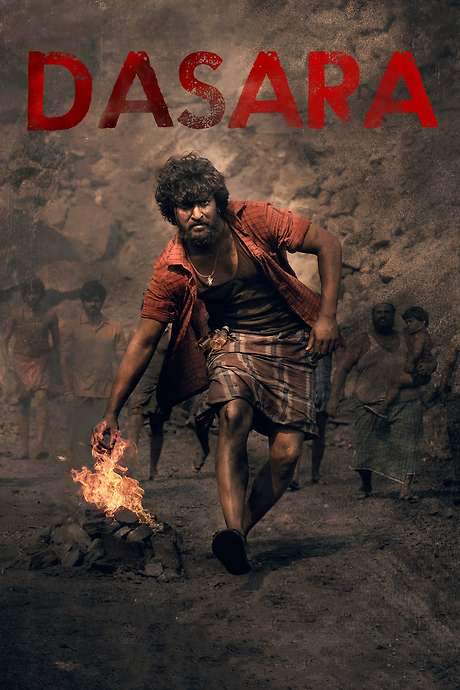


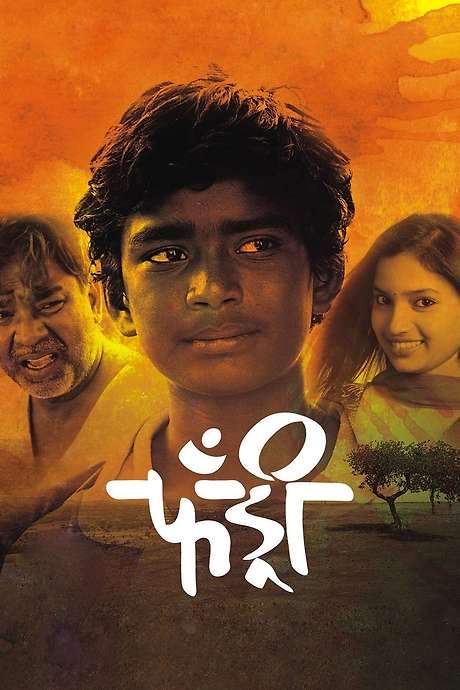


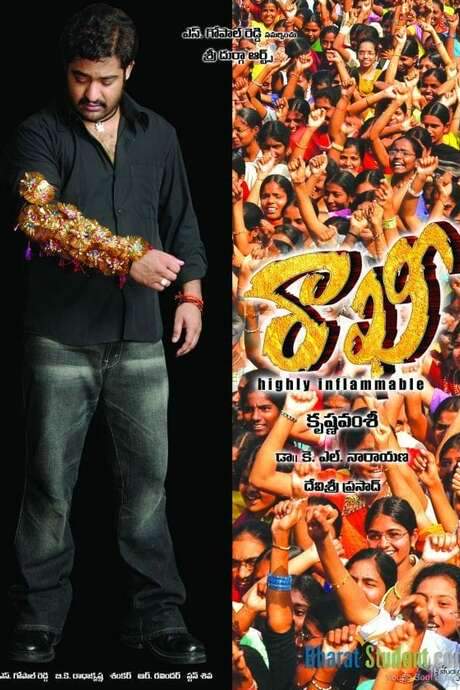


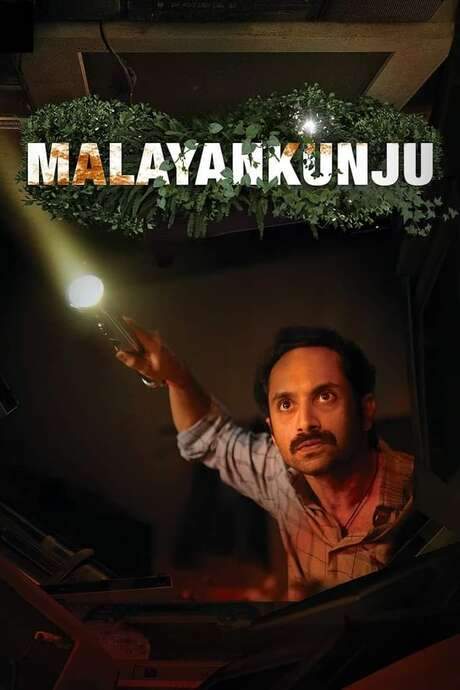
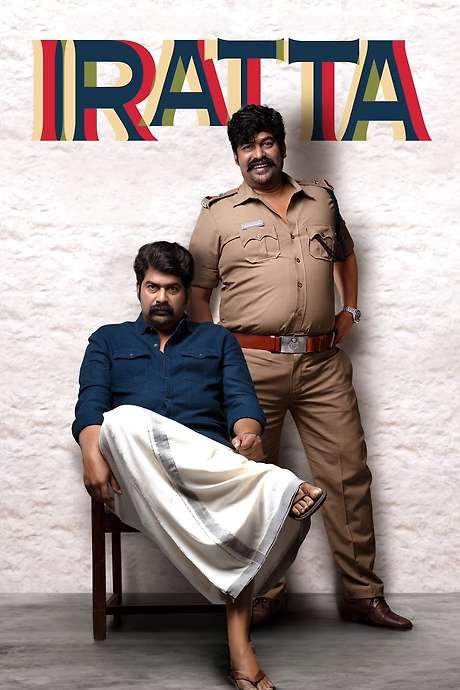
Narrative Summary
The narrative pattern involves a central, often forbidden, relationship that challenges deep-seated social norms. This defiance triggers a chain reaction of violent opposition from the community or family, leading to persecution, ostracism, and tragic consequences for the lovers, serving as a critique of the oppressive system.
Why These Movies?
This thread unites films through their thematic focus on social injustice as the primary engine of tragedy. They share a dark, melancholic tone, a steady, character-driven pace that builds towards an inevitable downfall, and a consistently heavy emotional weight derived from the characters' struggle against an immovable system.
Unlock the Full Story of Masani
Don't stop at just watching - explore Masani in full detail. From the complete plot summary and scene-by-scene timeline to character breakdowns, thematic analysis, and a deep dive into the ending - every page helps you truly understand what Masani is all about. Plus, discover what's next after the movie.
Masani Timeline
Track the full timeline of Masani with every major event arranged chronologically. Perfect for decoding non-linear storytelling, flashbacks, or parallel narratives with a clear scene-by-scene breakdown.

Characters, Settings & Themes in Masani
Discover the characters, locations, and core themes that shape Masani. Get insights into symbolic elements, setting significance, and deeper narrative meaning - ideal for thematic analysis and movie breakdowns.


