
Masani
Year: 2013
Runtime: 150 mins
Language: Tamil
Director: K. Padmaraja
A wealthy landlord's brother begins a romance with a woman from a lower caste, which leads to tragedy when his sister-in-law commits murder. The young woman, carrying his child, is subsequently ostracized and dies during childbirth. However, she returns as a vengeful spirit, determined to haunt the village and confront those responsible for her suffering and the death of her unborn child.
Where to Watch Masani?
Find where to stream, rent, or buy Masani (2013) in the US with current JustWatch availability, up-to-date pricing, and platform listings for subscription, rental, and digital purchase options.



Streaming availability powered by 
Warning: spoilers below!
Haven’t seen Masani yet? This summary contains major spoilers. Bookmark the page, watch the movie, and come back for the full breakdown. If you're ready, scroll on and relive the story!
Timeline & Setting – Masani (2013)
Explore the full timeline and setting of Masani (2013). Follow every major event in chronological order and see how the environment shapes the story, characters, and dramatic tension.
Last updated: October 03, 2025 at 20:05
Main Characters – Masani (2013)
Meet the key characters of Masani (2013), with detailed profiles, motivations, and roles in the plot. Understand their emotional journeys and what they reveal about the film’s deeper themes.
Last updated: October 03, 2025 at 20:05
Major Themes – Masani (2013)
Explore the central themes of Masani (2013), from psychological, social, and emotional dimensions to philosophical messages. Understand what the film is really saying beneath the surface.
Last updated: October 03, 2025 at 20:05
Masani (2013) Character & Theme Questions Answered – Info FAQ
Browse frequently asked questions about Masani (2013) focused on characters, relationships, themes, symbols, setting, and story context. This movie info FAQ gives spoiler-aware explanations for character arcs, world details, and thematic interpretation so readers can better understand what the film is really about.
Where is the movie Masani set?
Masani is set in a rural Tamil village renowned for its idol sculpture tradition. The story centers on Swami's workshop where sculptors attempt to complete a god's idol left unfinished. The village is characterized by tight-knit community dynamics but burdened by rigid caste divisions and social norms that drive much of the film's conflict.
What is the significance of the idol workshop in Masani?
The idol workshop serves as the central location and symbolic heart of the film. It represents both the village's artistic heritage and its social hierarchy. The unfinished god's idol becomes a metaphor for the community's broken social fabric, and completing it ultimately symbolizes reconciliation, healing, and redemption for the entire village.
What does Masani say about caste prejudice?
Masani explores caste prejudice as a destructive force that leads to tragedy. The film shows how a lower-caste woman named Masani faces severe ostracism due to her relationship with Vetri, the village head's brother. The village's collective prejudice and enmity directly cause suffering, death, and ultimately drive Masani to return as a vengeful spirit seeking justice and accountability.
What themes of redemption are explored in Masani?
Redemption in Masani operates on both personal and communal levels. Swami adopts Masani's child and leaves the village to allow the community to realize its mistakes. The completion of the idol becomes a symbol of reconciliation, while Masani's spirit forces the village to confront its wrongdoing. The film suggests that truth and accountability can lead to healing, though the path is marked by significant suffering.
Who is Vishwa in Masani and what is his role?
Vishwa is a talented sculptor-in-training raised by the master sculptor Swami. He is the biological son of Vetri and Masani, making him heir to both the craft and the tragic legacy. Vishwa transforms from a cautious apprentice into a determined artist who ultimately completes the unfinished idol, bridging generations and symbolically restoring honor to his family name through his artistic dedication.
Who is Masani and why is she important to the story?
Masani is a lower-caste woman who falls in love with Vetri, defying social conventions. After becoming pregnant, she faces severe ostracism from the village and ultimately dies in childbirth. Her spirit returns as a vengeful ghost to confront those responsible for her suffering and her unborn child's death. She represents both the tragic victim of caste prejudice and the catalyst for truth and redemption.
How does art and sculpture feature as a theme in Masani?
Art and devotion are central to Masani's narrative. Idol sculpture is presented as a sacred craft that transcends social barriers, the skill shared between Swami and Vishwa bridges generations and backgrounds. Completing the god's idol demonstrates dedication, perseverance, and the healing power of artistic expression. The temple idol becomes a vessel for both personal and communal redemption, transforming from a symbol of neglect to one of reconciliation.
What role does the vengeful spirit play in Masani?
Masani returns as a vengeful spirit to haunt those responsible for her suffering and her unborn child's death. Her supernatural presence drives the narrative forward by exposing secrets, confronting oppressors, and ultimately forcing the village to acknowledge its wrongs. The ghost serves as both a force of justice and a catalyst for the community's moral awakening and eventual reconciliation.
Who is Swami and what is his role in Masani?
Swami is a renowned sculptor and mentor to Vishwa who initially attempts to complete the unfinished idol. Moved by Masani's suffering and the injustice she faces, he makes the pivotal decision to adopt her baby and leave the village. His departure forces the community to confront its collective wrongdoing, and his legacy lives on through Vishwa, who completes the idol and carries forward both the craft and the lessons of compassion.
Who is Kavitha in Masani and what does she represent?
Kavitha is Vishwa's love interest and the daughter of Devanna Gounder, placing her in a family with existing rivalries against the village head's household. She navigates family expectations and social pressures while supporting Vishwa's journey to complete the idol. Kavitha represents resilience and loyalty, serving as a positive force that helps bridge the divide between rival families and contributes to the village's eventual reconciliation.

Explore Movie Threads
Discover curated groups of movies connected by mood, themes, and story style. Browse collections built around emotion, atmosphere, and narrative focus to easily find films that match what you feel like watching right now.
Ghost stories seeking justice like in Masani
Supernatural tales where wronged spirits return to settle earthly scores.Discover movies like Masani where tragic deaths lead to supernatural hauntings focused on justice. These films feature vengeful spirits confronting their tormentors, blending heavy emotional drama with elements of the ghost story and horror genres.
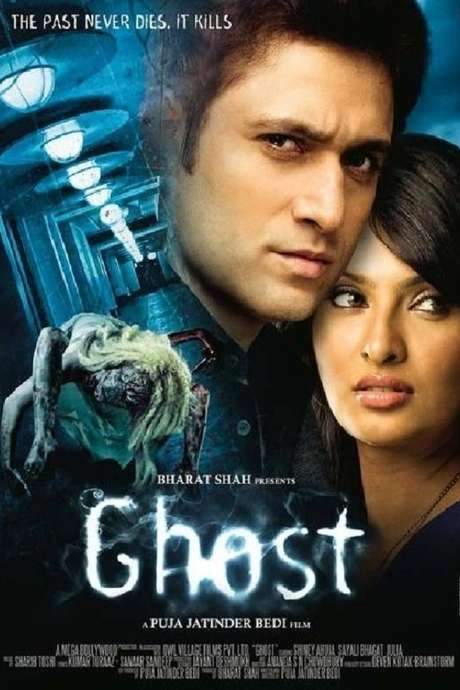
Ghost
2012

Sometimes They Come Back
1991

A Wicked Ghost
1999

Haunted
1977

A Wicked Ghost II: The Fear
2000

100 Ghost Street: The Return of Richard Speck
2012

J.D.’s Revenge
1976
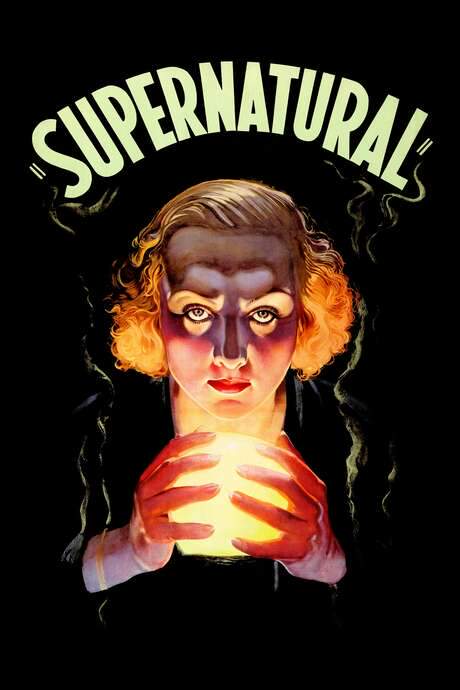
Supernatural
1933

Ghost Story
1981

Vindicta
2023

Haunted
1995

1920: Horrors of the Heart
2023

Death Whisperer 2
2024

303 Fear Faith Revenge
1998

Suzzanna: Buried Alive
2018
Narrative Summary
Stories in this thread typically follow a two-act structure: first, a grave injustice, often involving murder or persecution, leads to a tragic death. Then, the narrative shifts to the present, where the victim's spirit returns, wielding supernatural power to expose the truth and punish the guilty, forcing a moral and emotional confrontation.
Why These Movies?
These movies are grouped by their central theme of supernatural retribution. They share a dark tone, a heavy emotional weight from the initial tragedy, and a core conflict driven by a vengeful spirit whose actions create a tense, often morally complex, atmosphere focused on achieving a form of justice.
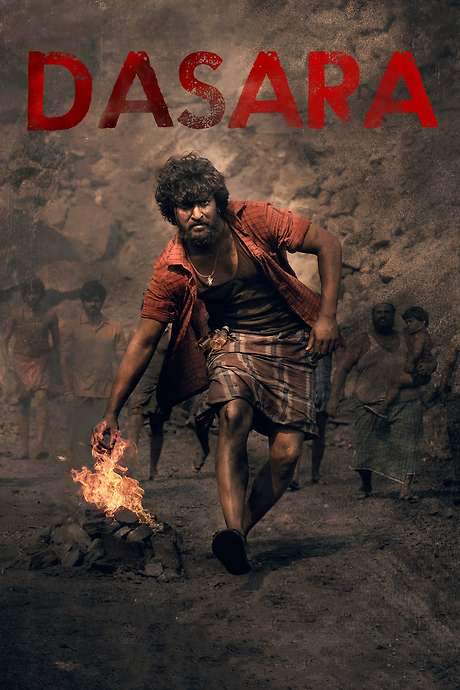
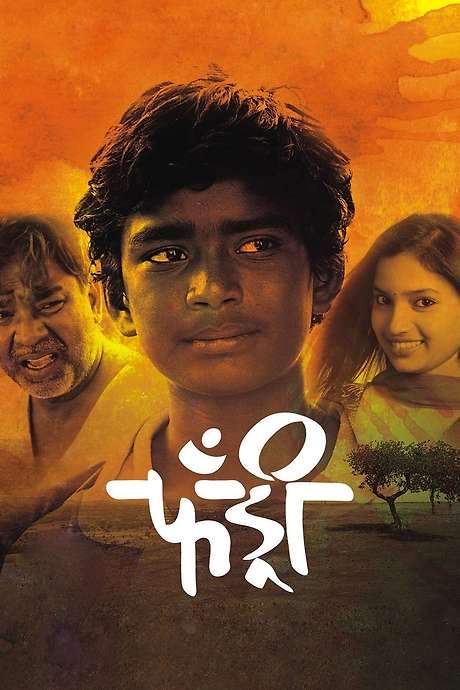
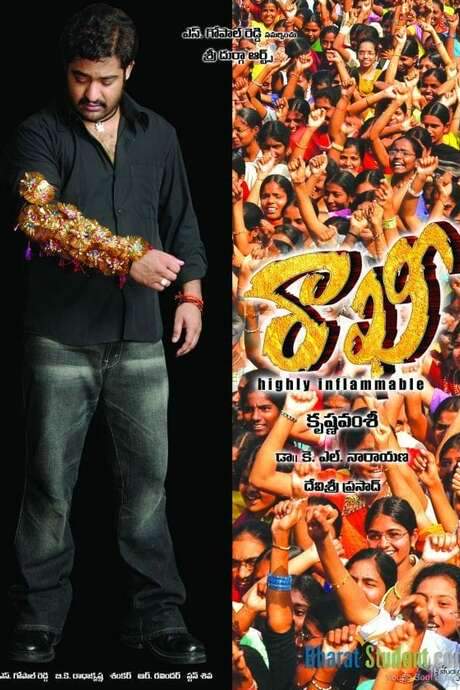
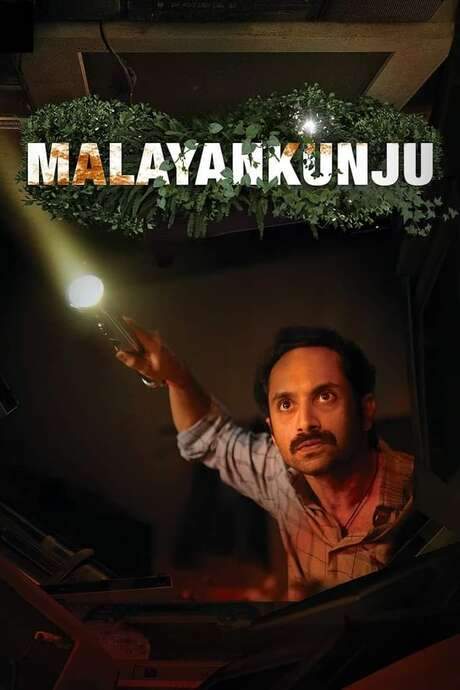
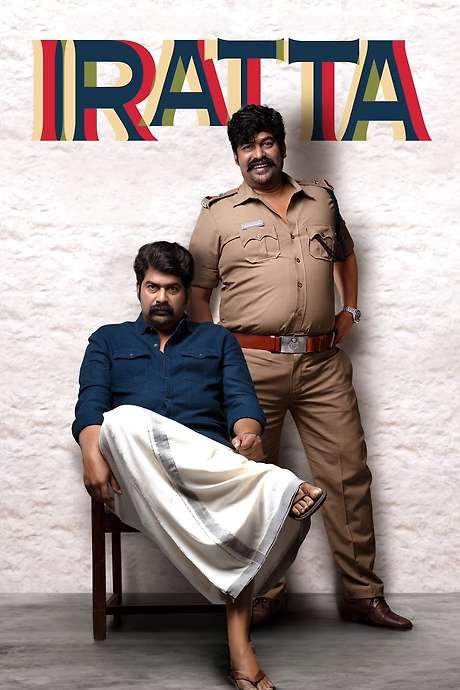
Tragedies of social injustice like in Masani
Heartbreaking stories where societal oppression leads to personal ruin.Explore movies like Masani that center on tragic romances destroyed by social injustice. These films, often dramatic thrillers or social dramas, depict how rigid societal structures like caste or class lead to heartbreak, persecution, and a heavy emotional toll.







Narrative Summary
The narrative pattern involves a central, often forbidden, relationship that challenges deep-seated social norms. This defiance triggers a chain reaction of violent opposition from the community or family, leading to persecution, ostracism, and tragic consequences for the lovers, serving as a critique of the oppressive system.
Why These Movies?
This thread unites films through their thematic focus on social injustice as the primary engine of tragedy. They share a dark, melancholic tone, a steady, character-driven pace that builds towards an inevitable downfall, and a consistently heavy emotional weight derived from the characters' struggle against an immovable system.
Unlock the Full Story of Masani
Don't stop at just watching - explore Masani in full detail. From the complete plot summary and scene-by-scene timeline to character breakdowns, thematic analysis, and a deep dive into the ending - every page helps you truly understand what Masani is all about. Plus, discover what's next after the movie.
Masani Summary
Read a complete plot summary of Masani, including all key story points, character arcs, and turning points. This in-depth recap is ideal for understanding the narrative structure or reviewing what happened in the movie.

Masani Timeline
Track the full timeline of Masani with every major event arranged chronologically. Perfect for decoding non-linear storytelling, flashbacks, or parallel narratives with a clear scene-by-scene breakdown.


