Plot Explained Spoilers guaranteed!
Plot Explained

Browse by genre

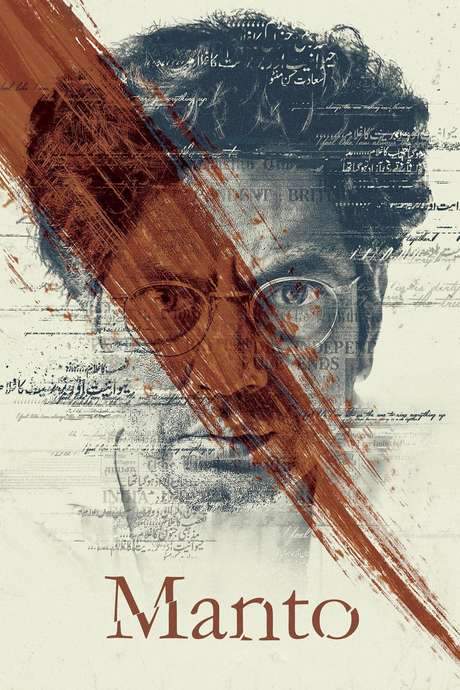
Manto (2018) movie poster

Characters & Themes

Manto (2018) Characters, Setting & Themes Explained

Release, runtime and language
2018 · 112 mins · Hindi
Echo score 84
Directed by
Nandita Das
Starring
Vijay Varma, Rajshri Deshpande, Rishi Kapoor, Tahir Raj Bhasin, Chandan Roy Sanyal, Madhurjeet Sarghi

Amidst the vibrant and sometimes corrupt film industry of Bombay, writer Saadat Hasan Manto achieves considerable recognition for his stories. However, as religious tensions escalate and widespread violence erupts across the country, he makes the challenging decision to leave Bombay and relocate to Lahore. There, he struggles to find acceptance and faces difficulty getting his work published, feeling isolated from his former circle of friends.

On this page (6)
  1. 1 Characters explained (5)
  2. 2 Where & when it takes place
  3. 3 Themes & meaning (3)
  4. 4 Character & meaning questions
  5. 5 Movie threads
  6. 6 Every angle

5 main characters · contains spoilers

Manto Characters Explained: Who Is Who

The main characters of Manto (2018), heroes and villains: what drives them, how they change over the course of the story and what each of them reveals about the film's bigger ideas.

  • Saadat Hasan Manto (Nawazuddin Siddiqui)

    A fearless Urdu short-story writer whose razor-sharp social commentary fuels his craft. He grapples with censorship, personal turmoil, and a relentless drive to tell truth through fiction. His genius is balanced by self-destructive tendencies, yet his voice remains resilient through the trials of obscenity charges and Partition-era upheaval.

    • 🖋️ Writer
    • ⚖️ Controversial
    • 🧭 Complex
  • Safia (Rasika Dugal)

    Manto’s wife, a steady and devoted partner who anchors him through fame, exile, and the pressures of public life. She stands by him as his career strains under social scrutiny and the personal costs of his vocation and the Partition turmoil.

    • 💞 Partner
    • 🎗️ Supportive
    • 🧭 Loyal
  • Ismat Chughtai (Rajshri Deshpande)

    A feminist writer and close ally within the Progressive Writers’ Association, she offers intellectual kinship and sharp critique. Her friendship with Manto reflects the era’s vibrant literary circles and the push for creative freedom.

    • 👩‍🎓 Feminist Ally
    • 🔍 Insightful
    • 🤝 Colleague
  • Shaad Amritsari (Shashank Arora)

    An ambitious actor and friend from Bombay’s film industry who provides camaraderie amid the glamour and pressure of show business. His presence highlights the meet-cute world of cinema that interacts with Manto’s writing life.

    • 🎬 Actor
    • 🤝 Friend
    • 🧭 Ally
  • Ashok Kumar

    played by Bhanu Uday Singh

    A renowned actor, director and producer whose industry stature intersects with Manto’s career, offering mentorship and moments of inspiration within the film world.

    • 🎭 Mentor
    • 🏆 Industry Icon
    • 🧩 Complex

Last updated: February 18, 2026 at 23:03

Was this helpful?

Setting

Where and When Does Manto Take Place?

The setting of Manto (2018): the year and time period, the places and locations, and how they shape the characters, the mood and the tension of the story.

Time period

1946-1948

Set in the immediate postwar years, the narrative tracks the run-up to India’s 1947 independence and the birth of Pakistan. It captures the cultural milieu of Bombay in the freedom struggle, and the refugee crisis and trauma that followed Partition, culminating in Manto’s move to Lahore in 1948.

Location

Bombay, Lahore

The film unfolds mainly in Bombay's glittering film industry as Saadat Hasan Manto works as a scriptwriter, surrounded by writers, actors and producers. It later shifts to Lahore after Partition, a city of refugees and loss, where Manto's life takes a darker turn. The contrast between the two cities highlights cultural vibrancy and upheaval in late 1940s India/Pakistan.

  • 🕰️ Historical
  • 🎭 Drama
  • 🗞️ Obscenity Trials

Last updated: February 18, 2026 at 23:03

Was this helpful?

3 major themes

Manto Meaning: Themes & Message Explained

What is Manto (2018) really about? The emotional, social and philosophical themes the film keeps returning to, its symbolism and the message beneath the surface.

  • Freedom of Speech

    The film centers on Manto’s battles with censorship and the obscure legal scrutiny around his stories. It shows how art can provoke social and political controversy, yet also defend a writer’s right to express difficult truths. The court trials test his resolve, shaping his voice and legacy.

  • Partition & Identity

    Partition uproots communities and compels a reassessment of religious and national identity. Manto’s discovery of his own vulnerability coincides with the exodus of families, changing friendships, and a city divided by fear. The trauma of displacement informs his writings and decisions, including his controversial move to Pakistan.

  • Addiction & Resilience

    Manto’s compulsions to write and drink create a cycle of creativity and self-destruction. The film portrays his decline, hospital stays, and the toll on his family, while also revealing moments of clarity and fierce literary courage. His addiction becomes part of the larger struggle to endure in a torn society.

Last updated: February 18, 2026 at 23:03

Was this helpful?

Character & theme questions

Manto Characters & Meaning: Your Questions Answered

The questions people ask about Manto (2018): who the characters really are, their relationships, what the symbols mean, where it takes place and what the movie is really about. Each answer contains spoilers.

Q1

Where is the movie Manto set?

The film is primarily set in Bombay's vibrant film industry, where Manto works as a scriptwriter among writers, actors, and producers. It later shifts to Lahore after Partition, depicting a city of refugees and loss where Manto's life takes a darker turn. The contrast between these two cities highlights the cultural vibrancy and upheaval of late 1940s India and Pakistan.

  • bombay film industry
  • lahore
  • partition settings
  • 1940s india
Q2

What time period does Manto cover?

The movie is set between 1946 and 1948, covering India's independence in 1947 and the subsequent Partition that created Pakistan. It captures the cultural milieu of Bombay during the freedom struggle and the refugee crisis and trauma that followed Partition, culminating in Manto's move to Lahore in 1948.

  • 1947 independence
  • partition
  • 1940s
  • postwar india
Q3

What is the main theme of Manto about free speech?

The film centers on Manto's battles with censorship and the obscure legal scrutiny around his stories. It shows how art can provoke social and political controversy, yet also defend a writer's right to express difficult truths. The court trials over obscenity charges test his resolve and shape his literary voice and legacy.

  • censorship
  • obscenity trials
  • free speech
  • literary freedom
Q4

How does Partition shape Manto's story?

Partition uproots communities and compels a reassessment of religious and national identity. Manto's discovery of his own vulnerability coincides with the exodus of families, changing friendships, and a city divided by fear. The trauma of displacement informs his writings and decisions, including his controversial move to Pakistan after Partition.

  • partition
  • displacement
  • identity
  • refugee crisis
Q5

Who is Saadat Hasan Manto in the movie?

Saadat Hasan Manto is a fearless Urdu short-story writer portrayed by Nawazuddin Siddiqui, known for his razor-sharp social commentary. He grapples with censorship, personal turmoil, and a relentless drive to tell truth through fiction. His genius is balanced by self-destructive tendencies, yet his voice remains resilient through obscenity charges and Partition-era upheaval.

  • saadat hasan manto
  • urdu writer
  • nawazuddin siddiqui
  • censorship
Q6

Who is Safia in Manto and what is her role?

Safia is Manto's wife, portrayed by Rasika Dugal, depicted as a steady and devoted partner who anchors him through fame, exile, and the pressures of public life. She stands by him as his career strains under social scrutiny and the personal costs of his vocation amid Partition turmoil.

  • safia
  • manto's wife
  • rasika dugal
  • family support
Q7

Who is Ismat Chughtai in the film?

Ismat Chughtai is a feminist writer and close ally within the Progressive Writers' Association, portrayed by Rajshri Deshpande. She offers Manto intellectual kinship and sharp critique. Her friendship with Manto reflects the era's vibrant literary circles and the push for creative freedom in pre-Partition India.

  • ismat chughtai
  • progressive writers association
  • feminist writer
  • literary circles
Q8

How does the film portray Manto's addiction struggles?

Manto's compulsions to write and drink create a cycle of creativity and self-destruction. The film portrays his decline, hospital stays, and the toll on his family, while revealing moments of clarity and fierce literary courage. His addiction becomes part of the larger struggle to endure in a torn society shaped by Partition trauma.

  • addiction
  • alcoholism
  • writer struggle
  • literary courage
Q9

What is Lahore like in Manto after Partition?

After moving to Lahore in 1948, Manto enters a city marked by refugees and collective loss. The setting takes on a darker tone compared to Bombay's glamour, reflecting the bleak atmosphere of post-Partition society. The city represents both physical exile and the psychological trauma of displacement that shapes Manto's later writings.

  • lahore post-partition
  • refugee city
  • exile
  • 1948
Q10

How does the film contrast Bombay and Lahore?

The film contrasts Bombay's glittering film industry, where Manto enjoys recognition among writers, actors, and producers, with Lahore's atmosphere of refugees and loss after Partition. Bombay represents cultural vibrancy and creative possibility, while Lahore symbolizes the darker reality of displacement, isolation, and the challenges Manto faces as he tries to rebuild his life and career in a new country.

  • bombay vs lahore
  • partition cities
  • cultural contrast

Movie threads

More Movies Like Manto, by Mood & Story

Curated lists built around what makes Manto tick: the same mood, the same kind of story or the same emotional payoff. Each list explains why these movies belong together.

Movies about displaced artists and creative crises like Manto

Stories of creators torn from their world, struggling against isolation and political upheaval. If you appreciated the portrayal of artistic displacement in Manto, you'll find similar journeys in these films. They feature writers, painters, and musicians grappling with exile, censorship, and the fight to preserve their voice against overwhelming odds.

  • exile
  • creative block
  • isolating
  • despairing
  • political turmoil
  • introspective
  • Tone: melancholic, introspective, despairing
  • Pacing: steady, character-driven
Why these movies?

The story pattern: These narratives typically follow an artist at the height of their power who is suddenly uprooted by political or social conflict. The journey focuses on their disillusionment, the erosion of their creative spirit in exile, and their struggle to find acceptance and relevance in a new land.

Why they belong together: These films are grouped together because they share a deep focus on the psychological toll of displacement on the creative process, blending intense personal drama with larger historical forces, resulting in a heavy, melancholic viewing experience.

Movies about finding bittersweet legacies after historical trauma like Manto

Personal stories of profound loss where a glimmer of hope survives in the legacy left behind. For viewers moved by the bittersweet ending of Manto, these films offer similar emotional journeys. They depict characters facing great personal tragedy amidst wider historical events, culminating in an ending that is sad yet carries a sense of enduring hope or legacy.

  • historical trauma
  • bittersweet
  • enduring legacy
  • heavy
  • reflective
  • despairing
  • Tone: bittersweet, heavy, reflective
  • Pacing: steady, deliberate
Why these movies?

The story pattern: The plot follows a protagonist through a period of intense historical upheaval, such as war or partition, which leads to their personal downfall or profound loss. The ending, while emotionally heavy, provides a counterpoint by highlighting how their spirit, work, or actions continue to resonate, creating a bittersweet feeling.

Why they belong together: These movies are connected by their shared structure of pairing a deeply sad, often tragic, central journey with an ending that offers a nuanced, bittersweet resolution, focusing on the survival of an idea or memory rather than a purely happy or bleak conclusion.

Every angle

Manto (2018) Explained: Plot, Timeline & Characters

Everything about Manto in one place: what happens in the plot summary, the timeline in chronological order, the characters and meaning and a spoiler-free summary. What's After the Movie adds the cast, box office and post-credit scenes.

Coming soon on iOS and Android

The Plot Explained Movie Summary App

Plot summaries, endings explained and timelines on your phone. Catch up on any movie in minutes, save your favorites and never miss a twist again.

Be the first to know when we launch. Your email stays private, always.

Learn more about the app