Plot Explained Spoilers guaranteed!
Plot Explained

Browse by genre

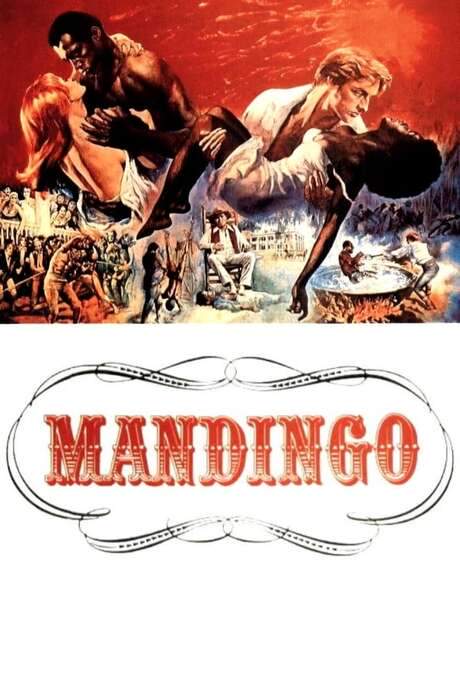
Mandingo (1975) movie poster

Characters & Themes

Mandingo (1975) Characters, Setting & Themes Explained

Release, runtime and language
1975 · 127 mins · English
Loading streaming availability…
Directed by
Richard Fleischer
Starring
Sylvester Stallone, James Mason, Debbi Morgan, Susan George, Perry King, Paul Benedict

Set on a decaying Southern plantation, Warren Maxwell pressures his son Hammond to marry and secure an heir. Hammond chooses his cousin Blanche, but after their honeymoon he acquires a sex slave. Maxwell also brings in a Mandingo slave, Mede, to be bred and trained as a prize‑fighter, exposing the brutal, sensual, and shameful realities of the era.

On this page (7)
  1. 1 Where to watch
  2. 2 Characters explained (6)
  3. 3 Where & when it takes place
  4. 4 Themes & meaning (3)
  5. 5 Character & meaning questions
  6. 6 Movie threads
  7. 7 Every angle
Loading streaming availability…

6 main characters · contains spoilers

Mandingo Characters Explained: Who Is Who

The main characters of Mandingo (1975), heroes and villains: what drives them, how they change over the course of the story and what each of them reveals about the film's bigger ideas.

  • Hammond Maxwell (Perry King)

    An ambitious planter who wields unchecked power at Falconhurst, using Ellen as a sex slave and orchestrating marriages to protect status. He tolerates brutal treatment of enslaved people and pursues control through manipulation, fear, and confrontation. His actions drive the plantation’s cycles of exploitation and violence, culminating in deadly conflicts on the estate.

    • 🏡 Planter
    • 💰 Wealth
    • 🗡️ Power
  • Ellen (Brenda Sykes)

    An enslaved woman brought to Falconhurst who endures coercion and sexual exploitation under Hammond. She becomes pregnant, faces violence from Blanche, and clings to hope for freedom despite the brutal constraints of the plantation system.

    • 👩 Enslaved Woman
    • 💔 Victim
    • 🕊️ Resilience
  • Blanche Woodford Maxwell (Susan George)

    Hammond's wife, desperate to escape her brother Charles's influence and the plantation’s confines. She leverages Mede to secure a child and exhibits a volatile temperament fueled by alcohol and status anxiety, intensifying the cruelty around her.

    • 👩 Wife
    • 💔 Manipulator
    • 🌀 Alcoholic
  • Warren Maxwell (James Mason)

    The aging patriarch who owns Falconhurst and pushes for a grandchild to secure the family line. He uses coercive threats and tight control to force reconciliation, and his death marks a turning point in the estate’s bloody power structure.

    • 👨 Planter
    • ⚖️ Patriarch
    • 💥 Violence
  • Mede (Ganymede) (Ken Norton)

    A Mandingo slave bred as a prizefighter and a source of profit for Hammond. Forced to endure brutal conditioning and used in breeding, Mede's fate underscores the commodification of enslaved people on Falconhurst. He is killed by Hammond in a violent confrontation, a pivotal catalyst for the story’s collapse.

    • 🤼‍♂️ Slave & Fighter
    • 💰 Commodification
    • 🩸 Violence
  • Agamemnon

    played by Richard Ward

    A slave known for his strength who ultimately acts against the master's tyranny by killing Warren after being provoked. His moment of resistance thrusts the plantation into chaos and showcases a rare crack in the system of oppression.

    • 🗡️ Rebellion
    • 🧩 Resistance
    • 🖤 Tragedy

Last updated: October 04, 2025 at 17:08

Was this helpful?

Setting

Where and When Does Mandingo Take Place?

The setting of Mandingo (1975): the year and time period, the places and locations, and how they shape the characters, the mood and the tension of the story.

Time period

Antebellum America, pre-Civil War

The action takes place in the Deep South before the Civil War, when slavery is lawful and large plantations shape everyday life. Wealth and status depend on controlling enslaved labor, and family ties are often a means to protect property and prestige. Life on Falconhurst is governed by coercion, secrecy, and a brutal racial order. The period's norms drive nearly every decision and conflict in the story.

Location

Falconhurst Plantation

Falconhurst is a dilapidated Southern plantation in the Deep South, run largely by the Maxwell family. It is a microcosm of the antebellum system where enslaved people are bought, bred, and controlled as property. The sprawling estate serves as the backdrop for brutal power games, sexual exploitation, and deadly rivalries. Its world is defined by wealth, status, and a rigid hierarchy built on violence.

  • 🏡 Plantation
  • 🌾 Slavery Era
  • 🕰️ Antebellum

Last updated: October 04, 2025 at 17:08

Was this helpful?

3 major themes

Mandingo Meaning: Themes & Message Explained

What is Mandingo (1975) really about? The emotional, social and philosophical themes the film keeps returning to, its symbolism and the message beneath the surface.

  • Power

    The film centers on a hierarchy where white masters wield absolute control over enslaved people, exposing how wealth, land, and lineage create social dominance. The power dynamic drives nearly every action: marriages, sales, and coercive sex are used to stabilize the plantation's order. Even benevolent gestures mask coercion and manipulation. The ultimate violence erupts when power is challenged, revealing its fragility.

  • Exploitation

    Enslaved bodies are commodified: women are bought for sex, a slave bred for sport is used for profit, and children are sacrificed to preserve reputation. Ellen's pregnancy and miscarriage underline how deeply exploitation penetrates personal life. Blanche's manipulation and Mede's forced intimacy show how desire is weaponized to reinforce control. The film relentlessly connects affection to ownership, blurring love and coercion.

  • Violence

    Violence underpins the entire society depicted: coercion, rape, and brutal punishments keep slaves in line. The climactic acts—the killing of Mede by Hammond, and Warren's murder by Agamemnon—expose a cycle of vengeance sparked by oppression. The narrative treats violence as both tool of control and catalyst for catastrophe. It starkly presents how violence begets more violence, with few heroes and many casualties.

Last updated: October 04, 2025 at 17:08

Was this helpful?

Character & theme questions

Mandingo Characters & Meaning: Your Questions Answered

The questions people ask about Mandingo (1975): who the characters really are, their relationships, what the symbols mean, where it takes place and what the movie is really about. Each answer contains spoilers.

Q1

Where is Mandingo set?

Mandingo is set on Falconhurst Plantation, a decaying Southern estate in the Deep South. The plantation serves as a microcosm of the antebellum system where enslaved people are bought, bred, and controlled as property. The sprawling estate operates as a world defined by wealth, status, and a rigid hierarchy built on violence and coercion.

Foreshadowing: The plantation's dilapidated condition foreshadows the collapse of the social order that defines the story.

  • falconhurst plantation
  • southern plantation
  • deep south
  • setting
Q2

What time period does Mandingo depict?

The film takes place in Antebellum America, specifically the pre-Civil War South when slavery is lawful. This era shaped everyday life on large plantations, where wealth and status depended on controlling enslaved labor. Family ties serve as a means to protect property and prestige, and life on Falconhurst is governed by coercion, secrecy, and a brutal racial order.

  • antebellum
  • pre-civil war
  • slavery era
  • 1800s
Q3

What are the main themes in Mandingo?

Mandingo explores three interconnected themes: Power, Exploitation, and Violence. The film examines how white masters wield absolute control over enslaved people, how enslaved bodies are commodified for profit and sexual exploitation, and how violence serves as both a tool of control and a catalyst for catastrophe. These themes intertwine to reveal the brutal realities of the antebellum South.

  • power
  • exploitation
  • violence
  • themes
  • slavery
Q4

How does Mandingo explore power dynamics?

The film centers on a hierarchy where white masters wield unchecked power over enslaved people. Wealth, land, and lineage create social dominance, driving nearly every action: marriages, sales, and coercive sex are used to stabilize the plantation's order. Even seemingly benevolent gestures mask coercion and manipulation. The fragility of this power becomes apparent when it is challenged.

Foreshadowing: Warren's tight control over his family and slaves eventually leads to his downfall.

  • power dynamics
  • control
  • hierarchy
  • masters
  • slaves
Q5

How does Mandingo portray exploitation?

Mandingo portrays exploitation by showing how enslaved bodies are commodified, women are bought for sex, slaves are bred for sport and profit, and children are sacrificed to preserve reputation. The film connects affection to ownership, blurring the lines between love and coercion. Ellen's pregnancy and Blanche's manipulations demonstrate how deeply exploitation penetrates personal life.

  • exploitation
  • sexual coercion
  • commodification
  • slaves
Q6

How is violence depicted in Mandingo?

Violence underpins the entire society depicted in Mandingo. Coercion, rape, and brutal punishments keep enslaved people in line. The narrative treats violence as both a tool of control and a catalyst for catastrophe, the killing of Mede by Hammond and Warren's murder by Agamemnon expose a cycle of vengeance sparked by oppression. The film presents how violence begets more violence.

  • violence
  • abuse
  • punishment
  • revenge
  • cycle of violence
Q7

Who is Hammond Maxwell?

Hammond Maxwell is the ambitious planter who wields unchecked power at Falconhurst. He uses Ellen as a sex slave and orchestrates marriages to protect his status. He tolerates brutal treatment of enslaved people and pursues control through manipulation, fear, and confrontation. His actions drive the plantation's cycles of exploitation and violence, culminating in deadly conflicts on the estate.

  • hammond maxwell
  • planter
  • master
  • ellen
Q8

Who is Warren Maxwell?

Warren Maxwell is the aging patriarch who owns Falconhurst Plantation. His primary concern is securing a grandchild to continue the family line, leading him to push Hammond toward marriage. He uses coercive threats and tight control to maintain order on the estate. His death marks a turning point in the plantation's power structure, triggering chaotic events that follow.

Foreshadowing: Warren's ruthless control over his family sets the stage for the violent resolution.

  • warren maxwell
  • patriarch
  • owner
  • family line
Q9

Who is Mede in Mandingo?

Mede (also called Ganymede) is a Mandingo slave brought to Falconhurst to be bred and trained as a prizefighter. He represents the commodification of enslaved people, the film uses him as a source of profit for Hammond. Mede's forced existence illustrates how enslaved people were stripped of humanity and reduced to property. His violent death at Hammond's hands becomes a pivotal catalyst for the story's collapse.

  • mede
  • ganymede
  • mandingo
  • prizefighter
  • slave
Q10

Who is Ellen in Mandingo?

Ellen is an enslaved woman brought to Falconhurst who endures coercion and sexual exploitation under Hammond. She becomes pregnant, faces violence from Blanche, and clings to hope for freedom despite the brutal constraints of the plantation system. Her storyline underlines how deeply exploitation penetrates personal life on the plantation.

  • ellen
  • enslaved woman
  • pregnancy
  • exploitation
Q11

Who is Blanche in Mandingo?

Blanche Woodford Maxwell is Hammond's wife, who marries him to escape her brother Charles's influence and the plantation's confines. Desperate to secure a child and status, she manipulates Mede to achieve her goals. She exhibits a volatile temperament fueled by alcohol and status anxiety, which intensifies the cruelty already present on Falconhurst.

  • blanche woodford
  • wife
  • manipulation
  • status

Movie threads

More Movies Like Mandingo, by Mood & Story

Curated lists built around what makes Mandingo tick: the same mood, the same kind of story or the same emotional payoff. Each list explains why these movies belong together.

Gothic tales of moral decay like Mandingo

Gothic tales where a family's legacy is built on a foundation of rot. If you were captivated by the oppressive atmosphere and systemic cruelty in Mandingo, explore more movies like it. These films feature decaying families, corrupt power structures, and settings that become prisons, all leading to a sense of inescapable doom.

  • oppressive
  • decadent
  • claustrophobic
  • grim
  • volatile
  • melancholic
  • Tone: dark, bleak, oppressive
  • Pacing: steady, deliberate
Why these movies?

The story pattern: These narratives typically follow the unraveling of a powerful but corrupt system, often a family or institution. The plot focuses on exposing the rot at the core, as characters who are both perpetrators and victims navigate a world where humanity has been stripped away, leading to tragic consequences for nearly everyone involved.

Why they belong together: These films are grouped together for their shared atmosphere of oppressive dread, their focus on systemic moral failure, and their unflinching portrayal of how power corrupts absolutely. They deliver a consistently dark and emotionally heavy experience.

Movies about systemic cruelty like Mandingo

Stories that relentlessly expose the violent machinery of an unjust world. For viewers seeking films similar to Mandingo's unflinching look at the horrors of slavery. These movies share a high-intensity, steady pacing as they expose the brutal realities of oppressive systems, leaving a lasting emotional impact.

  • brutal
  • harsh
  • desperate
  • anxious
  • grim
  • unflinching
  • Tone: dark, grim, harsh
  • Pacing: steady, methodical
Why these movies?

The story pattern: The narrative pattern involves a steady, almost clinical unveiling of an exploitative system's mechanisms. Characters are often trapped by their roles within the system, whether as enforcers, victims, or both. The story builds tension not through action, but through the accumulation of horrific details, culminating in a conclusion that underscores the system's devastating power.

Why they belong together: These movies are connected by their shared commitment to depicting the grim reality of oppressive power structures without sugarcoating or offering easy redemption. They feature high intensity, heavy emotional weight, and a pacing that forces the viewer to sit with the discomfort.

Every angle

Mandingo (1975) Explained: Plot, Timeline & Characters

Everything about Mandingo in one place: what happens in the plot summary, the timeline in chronological order, the characters and meaning and a spoiler-free summary. What's After the Movie adds the cast, box office and post-credit scenes.

Coming soon on iOS and Android

The Plot Explained Movie Summary App

Plot summaries, endings explained and timelines on your phone. Catch up on any movie in minutes, save your favorites and never miss a twist again.

Be the first to know when we launch. Your email stays private, always.

Learn more about the app