Plot Explained Spoilers guaranteed!
Plot Explained

Browse by genre

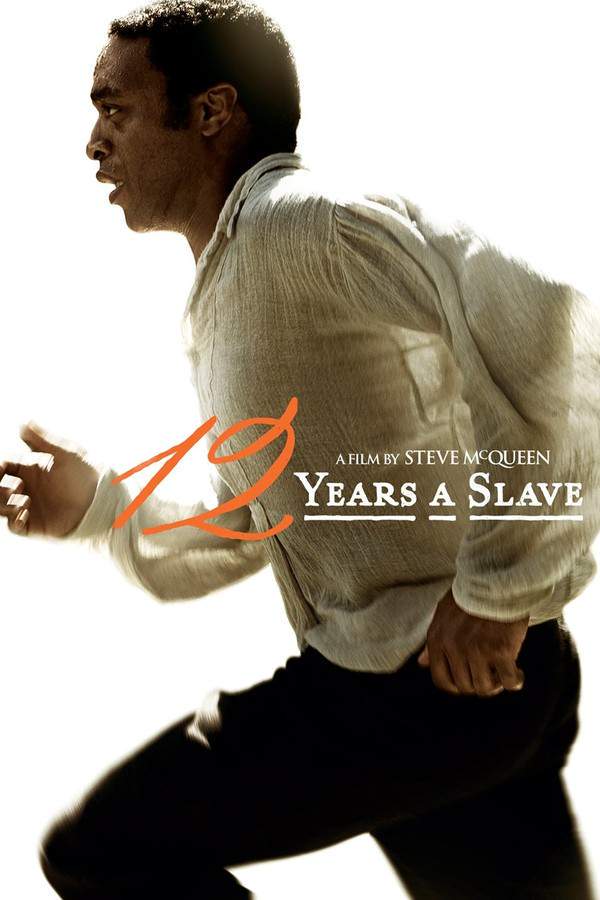
12 Years a Slave (2013) movie poster

Plot Summary

12 Years a Slave (2013) Plot Summary Explained

Release, runtime and language
2013 · 134 min · English
Loading streaming availability…
Starring
Michael Fassbender, Benedict Cumberbatch, Paul Giamatti, Chiwetel Ejiofor, Brad Pitt, Paul Dano
Budget
$20M

A free man living with his family in the North, Solomon Northup is kidnapped and sold into slavery in the Deep South. Stripped of his name and identity, he endures horrific conditions and faces brutal treatment while struggling to survive and maintain hope. Through perseverance and unexpected alliances, he fights to reclaim his freedom and return to his loved ones.

On this page (6)
  1. 1 Where to watch
  2. 2 What happens: full plot
  3. 3 Plot questions answered
  4. 4 Movie threads
  5. 5 Movies like 12 Years a Slave
  6. 6 Every angle
Loading streaming availability…

Full plot summary · contains spoilers

What Happens in 12 Years a Slave: Full Plot Summary

The whole story of 12 Years a Slave (2013) explained, from the opening scene to the final frame: every key event, every twist and what it all adds up to. Read it as a quick recap before the sequel, to check a scene you missed, or to finally understand what really happened.

In 1841, Solomon Northup, portrayed by Chiwetel Ejiofor, is a free African American man living in Saratoga Springs, New York. He is a skilled carpenter and talented fiddle player, enjoying life with his beloved wife and two children. However, everything changes when he is deceived by two men, who offer him a seemingly promising two-week job as a musician. After being drugged, Solomon awakens to find himself in chains, on the brink of being sold into slavery.

Transported to New Orleans, Solomon is stripped of his identity and renamed "Platt," the name of a runaway slave from Georgia. He faces brutal treatment from those who have enslaved him, being beaten regularly. Eventually, he is bought by the plantation owner William Ford, played by Benedict Cumberbatch, a relatively kind master. Solomon uses his skills to create a waterway that allows for the efficient transportation of logs, earning the gratitude of Ford, who gifts him a violin.

However, life on the plantation takes a darker turn as Carpenter John Tibeats, portrayed by Paul Dano, harbors resentment towards Solomon and begins to verbally abuse him. The conflict escalates as Tibeats launches a physical attack, leading to an attempt to lynch Solomon. In desperation, Ford is forced to sell Northup to Edwin Epps, a plantation owner played by Michael Fassbender, whose cruel treatment is justified in his mind by a misinterpretation of the Bible. Epps forces his slaves to pick an unreasonable amount of cotton, or face harsh punishments.

One of the slaves, Patsey, a character performed by Lupita Nyong'o, becomes Epps' particular obsession, as she is capable of picking an astounding 500 pounds of cotton each day. Epps sexually assaults her, while his wife, played by Sarah Paulson, is consumed by jealousy, further subjecting Patsey to humiliation and violence. In a moment of despair, Patsey pleads with Solomon to end her suffering, but he cannot bring himself to do so.

After a devastating cotton worm blight hits the plantation, Epps wrongly blames the newer slaves for the disaster and sends them away, temporarily leasing them to another plantation. During this time, Solomon gains favor with the neighboring plantation’s owner, who recognizes his musical talent. After returning to Epps, Solomon tries to utilize a coin gifted to him to pay a man, Garret Dillahunt’s character, to communicate with his friends back in New York. Although the man accepts the money, he betrays Solomon. In a heartbreaking moment, Solomon is forced to burn the letter, representing the last shred of hope for his freedom.

As time progresses, Solomon starts to work alongside a Canadian laborer named Bass, played by Brad Pitt. Bass openly criticizes Epps for his treatment of the slaves, which only angers Epps further. Meanwhile, one harrowing day, Epps discovers Patsey is missing and harshly punishes her upon her return. Under duress, he compels Solomon to whip Patsey, an act that deeply traumatizes him.

In a turning point, Solomon bravely confides in Bass about his abduction and pleads for his help to send a letter to Saratoga Springs. Bass, risking his life, agrees to assist him. Eventually, a local sheriff arrives with a man from Solomon’s past, confirming his identity and intent to free him. Despite Epps' furious protests and Patsey’s devastation, Solomon is liberated after twelve grueling years of bondage.

Reunited with his family, Solomon steps into his home where he is welcomed by a heartwarming sight of his loved ones, including his daughter and grandson. The film closes with an epilogue detailing the challenges Solomon faced in seeking justice for his enslavement, as well as the lingering mysteries surrounding his later life and death.

Last updated: November 03, 2024 at 23:31

Was this helpful?

Plot questions answered

12 Years a Slave Plot Explained: Your Questions Answered

The questions people ask most about 12 Years a Slave (2013): what happens in the confusing scenes, why the characters do what they do, the twists, hidden details and what the ending means. Each answer contains spoilers.

Q1

Why was Solomon sold to Edwin Epps?

Solomon was sold to Edwin Epps after a violent confrontation with carpenter John Tibeats. Tibeats became resentful of Solomon's skills and attacked him physically. During the attack, Solomon defended himself and nearly killed Tibeats, which led to a near-lynching incident. Plantation owner William Ford, unable to protect Solomon any longer from Tibeats' continued threats, was forced to sell him to prevent further violence.

Foreshadowing: Earlier tension between Solomon and Tibeats had been building over Solomon's superior carpentry skills, which made Tibeats feel undermined.

  • john tibeats
  • william ford
  • edwin epps
  • sold
  • violence
Q2

Why was Solomon renamed Platt?

When Solomon arrived in New Orleans, he was stripped of his identity and forced to take the name Platt, which belonged to a runaway slave from Georgia. This practice was common in the slave trade to erase the identities of enslaved people and assert control over them as property.

Foreshadowing: The renaming immediately follows Solomon being drugged and waking in chains, marking the beginning of his identity erasure.

  • platt
  • renamed
  • identity
  • new orleans
  • slave trade
Q3

Why couldn't Solomon help Patsey when she asked him to end her suffering?

When Patsey pleaded with Solomon to kill her and end her endless torment under Edwin Epps' sexual abuse and relentless punishment, Solomon couldn't bring himself to do it. He was trapped by his own powerlessness, he had no weapon, no means of escape, and killing Epps would have resulted in his own death, leaving his own family never knowing what happened to him. His own survival depended on remaining invisible.

Foreshadowing: Solomon had already witnessed Patsey being brutally punished for simply seeking soap, showing the consequences of defying Epps.

  • patsey
  • suffering
  • mercy
  • solomon
  • epps
Q4

How was Solomon finally able to send a letter to his family?

Solomon confided in Bass, a Canadian laborer working on the plantation, about his abduction and true identity as a free man. Bass agreed to risk his life to help and sent a letter to Saratoga Springs on Solomon's behalf. This act of courage led to the eventual arrival of authorities who could verify Solomon's identity.

Foreshadowing: Earlier, Solomon had tried to use a coin to pay another man to send a letter, but that man betrayed him, making Bass's trustworthiness even more significant.

  • bass
  • letter
  • freedom
  • saratoga springs
  • help
Q5

What happened to the letter Solomon tried to send?

After returning to Epps' plantation from being leased elsewhere, Solomon gave a coin to a man (Garret Dillahunt's character) to pay for sending a letter to his friends in New York. However, the man betrayed Solomon and kept the money without sending the letter. In desperation and heartbreak, Solomon burned the letter, destroying his last hope of reaching his family.

Foreshadowing: This failure sets up the later successful attempt through Bass, showing Solomon's continued hope despite repeated setbacks.

  • letter
  • betrayal
  • coin
  • burned
  • hope
Q6

Why did John Tibeats attack Solomon?

John Tibeats attacked Solomon out of resentment and jealousy. As a carpenter himself, Tibeats felt threatened by Solomon's superior skills and the attention Solomon received from plantation owner William Ford. Tibeats' resentment grew until it erupted into a physical attack against Solomon.

Foreshadowing: Tibeats had been verbally abusing Solomon throughout his time on Ford's plantation, hinting at his growing hostility.

  • john tibeats
  • attack
  • jealousy
  • carpenter
  • ford
Q7

Why did Edwin Epps force Solomon to whip Patsey?

After discovering Patsey had briefly left the plantation to get soap, Epps punished her severely upon her return. To further break both their spirits, Epps forced Solomon to whip Patsey. This was a deliberate act of psychological torture, making Solomon complicit in the abuse of another human being, especially someone he cared about, deepened his trauma and demonstrated Epps' cruel control over his enslaved people.

Foreshadowing: Epps had already demonstrated his obsession with Patsey and his willingness to abuse her sexually and physically, making this escalation predictable.

  • epps
  • patsey
  • whip
  • punishment
  • trauma
Q8

Why did Bass decide to help Solomon?

Bass, a Canadian laborer, had already demonstrated his moral opposition to slavery by openly criticizing Epps' treatment of the enslaved people. When Solomon confided his story of being a free man kidnapped into slavery, Bass felt a deep moral obligation to help. He risked his own life by agreeing to send a letter to Saratoga Springs, understanding that helping a fugitive could result in severe consequences.

Foreshadowing: Bass had been publicly vocal about his disapproval of slavery, which made him sympathetic to Solomon's plight.

  • bass
  • canadian
  • help
  • moral
  • risk
Q9

What was the cotton worm blight and why did it matter?

A cotton worm blight devastated Epps' plantation, destroying much of the cotton crop. Epps wrongly blamed the newer enslaved people for the disaster and punished them. He then temporarily leased some slaves, including Solomon, to another plantation. This lease period gave Solomon an opportunity to showcase his musical talents to a neighboring owner, providing brief respite and connection to the outside world.

Foreshadowing: The blight represents one of the few moments where Epps' attention was diverted, allowing Solomon brief opportunities.

  • cotton worm
  • blight
  • lease
  • epps
  • crop
Q10

Why did William Ford sell Solomon after the lynching attempt?

After Tibeats led a mob to lynch Solomon, Ford intervened and saved his life. However, Ford knew he could not protect Solomon from future violence. Tibeats held a grudge and would have continued seeking revenge. To ensure Solomon's survival and perhaps to protect his own property, Ford made the difficult decision to sell Solomon to Edwin Epps, though this ultimately led to far worse conditions.

Foreshadowing: Ford had shown kindness to Solomon, gifting him a violin, but the violence from Tibeats made remaining on the plantation impossible.

  • william ford
  • john tibeats
  • sold
  • lynching
  • protection
Q11

How did the sheriff verify Solomon's identity to free him?

Bass's letter reached people in Saratoga Springs who recognized Solomon's situation. A local sheriff arrived at the plantation with a man from Solomon's past who could confirm his identity as a free Black man from New York. This verification was crucial because Epps violently protested the removal of Solomon, claiming he was his property. The legal confirmation finally allowed Solomon's liberation after twelve years.

Foreshadowing: Bass's decision to help was the critical turning point that set this liberation process in motion.

  • sheriff
  • verification
  • identity
  • free
  • legal

Movie threads

More Movies Like 12 Years a Slave, by Mood & Story

Curated lists built around what makes 12 Years a Slave tick: the same mood, the same kind of story or the same emotional payoff. Each list explains why these movies belong together.

Movies about survival like 12 Years a Slave

Individuals pushed to their absolute limits in a fight for basic humanity. This list features movies similar to 12 Years a Slave, focusing on harrowing survival stories where characters endure extreme circumstances. If you were gripped by Solomon Northup's fight for freedom, you'll find other powerful films about human endurance against injustice and oppression.

  • harrowing
  • desperate
  • oppressive
  • traumatic
  • solemn
  • urgent
  • Tone: dark, harrowing
  • Pacing: steady, cumulative
Why these movies?

The story pattern: The narrative follows a protagonist thrust into a nightmarish situation, stripped of their autonomy and subjected to relentless hardship. The plot is a linear or episodic chronicle of their struggle, where small acts of resistance and fleeting moments of hope become monumental victories in a daily battle for existence.

Why they belong together: These films are grouped by their shared focus on the raw, visceral experience of survival. They create an oppressive atmosphere and carry a heavy emotional weight, making the viewer a witness to extreme suffering while also investing deeply in the character's fragile hope.

Unflinching historical dramas like 12 Years a Slave

Stories that confront the darkest chapters of history with painful accuracy. Discover movies like 12 Years a Slave that depict brutal historical events with unflinching realism. If you appreciated the film's authentic and difficult portrayal of slavery, you'll find other powerful dramas that explore similar dark periods of history with a serious and solemn tone.

  • solemn
  • oppressive
  • traumatic
  • educational
  • sobering
  • difficult
  • Tone: solemn, dark
  • Pacing: steady, deliberate
Why these movies?

The story pattern: These narratives are often biographical or based on true events, structured to educate as much as to entertain. They depict the mechanics of oppression in a straightforward manner, forcing the audience to confront uncomfortable truths about the past, often leading to a bittersweet or bleak conclusion that acknowledges the scale of the tragedy.

Why they belong together: They are connected by a commitment to historical verisimilitude and a solemn, dark tone. The pacing is often deliberate to let the gravity of the events sink in, and the intensity is high due to the graphic and emotionally charged subject matter.

If you liked this

Movies Like 12 Years a Slave

Similar movies to 12 Years a Slave: the same genre, themes or kind of story. Each one comes with its own plot summary, timeline and ending explained.

Browse all movie summaries

Every angle

12 Years a Slave (2013) Explained: Plot, Timeline & Characters

Everything about 12 Years a Slave in one place: what happens in the plot summary, the timeline in chronological order, the characters and meaning and a spoiler-free summary. What's After the Movie adds the cast, box office and post-credit scenes.

Coming soon on iOS and Android

The Plot Explained Movie Summary App

Plot summaries, endings explained and timelines on your phone. Catch up on any movie in minutes, save your favorites and never miss a twist again.

Be the first to know when we launch. Your email stays private, always.

Learn more about the app