





Plot Explained Spoilers guaranteed!
Plot Explained

Browse by genre

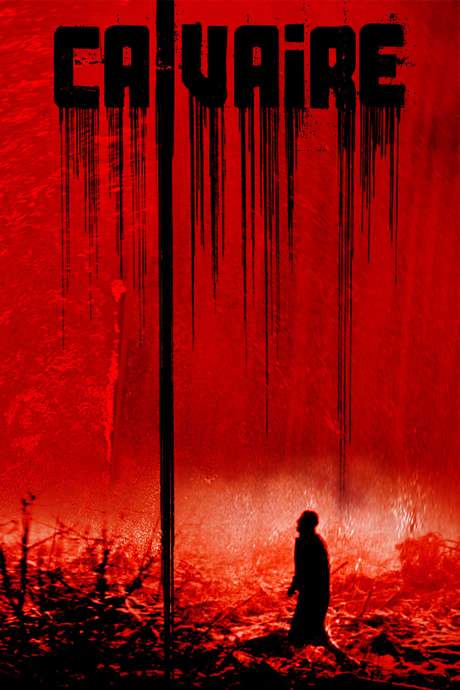
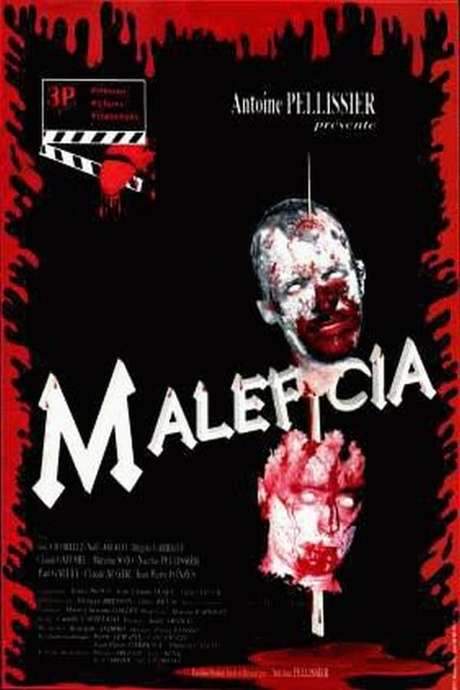
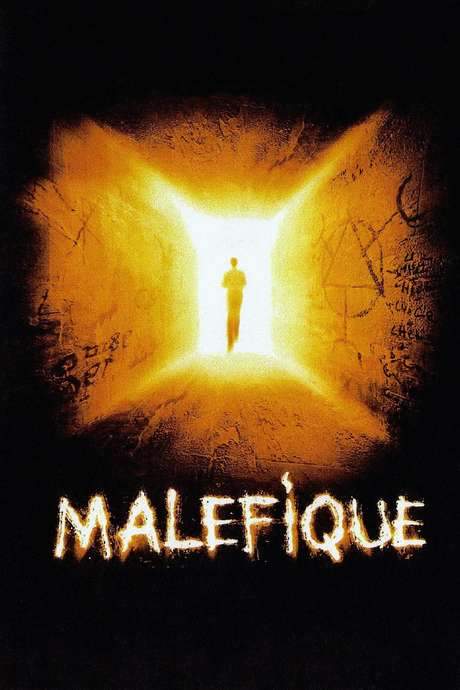
Maléfique (2002) movie poster

Timeline

Maléfique (2002) Timeline Explained – Every Event in Order

Release, runtime and language
2002 · 90 mins · French
JustWatch #10,368 11
Directed by
Eric Valette
Starring
Philippe Laudenbach, Clovis Cornillac, Dimitri Rataud, Geoffrey Carey, Benjamin Haddad, Gérald Laroche

Will you make it out alive? Four prisoners discover a handwritten book of black magic in their cell, and decide to use it to escape.

On this page (6)
  1. 1 Where to watch
  2. 2 Events in order (15)
  3. 3 Timeline questions answered
  4. 4 Movie threads
  5. 5 Movies like Maléfique
  6. 6 Every angle

Where to watch

Where to Watch Maléfique (2002)

Where can you watch Maléfique? Stream, rent or buy it in the US, including on Shudder and Amazon Video: current JustWatch availability with up-to-date prices.

Streaming availability powered by JustWatch

15 events in order · contains spoilers

Maléfique Timeline: Events in Chronological Order

Every key event of Maléfique (2002) in order, scene by scene, with when and where it takes place. Use it to untangle flashbacks, time jumps and parallel storylines, to refresh your memory before the sequel or to find the exact scene you are thinking of.

  1. Arrival and new cellmates

    Carrere arrives at the prison and is assigned a shared cell. He meets three inmates: Lassalle, Paquerette, and Marcus, each with a dark backstory. The uneasy trio begins to size up their new living situation.

    When
    Arrival
    Where
    Prison cell
  2. Discovery of Danvers's journal

    Behind a loose brick, they uncover a handwritten journal from a former prisoner named Danvers. The book is filled with incantations and symbols of black magic. The discovery hints at powers that may defy their confinement.

    When
    Shortly after arrival
    Where
    Prison cell
  3. Incantation spoken; symbol appears

    Carrere reads aloud one incantation, and a bright, burning symbol materializes on the cell floor. The others react with fear and curiosity as the book's potential becomes personal. The moment marks the first tangible connection between the text and their reality.

    When
    Same day
    Where
    Prison cell
  4. Disturbing visions

    As they study the book, each man begins to experience unsettling visions that blur the line between reality and the incantations. The atmosphere thickens with dread as the book seems to exert psychological pressure. The group senses the artifact is more dangerous than it appears.

    When
    Soon after discovery
    Where
    Prison cell
  5. Paquerette loses his fingers

    One morning Paquerette wakes to find his fingers have vanished, a chilling sign that the book's power is altering their bodies. The remaining prisoners fear what else the book might demand. This event cements the book's threat and its control over them.

    When
    Within days
    Where
    Prison cell
  6. Paquerette dies; suspicion falls on others

    The inmates debate what to do with the book; Paquerette seizures the volume and eats its pages, only to be overpowered by an unseen force. The book seems to twist his body, snapping his spine and killing him. The guards blame the other inmates, while Lassalle hints the book may be defending itself.

    When
    Night of death
    Where
    Prison cell
  7. Picus arrives; strange visitor

    A new prisoner named Picus arrives, carrying a video camera and a strange air of eccentricity. He disappears one morning, leaving his camera and the journal behind. The last footage shows Picus reading an incantation from the book and a doorway of light appearing on the wall.

    When
    Shortly after Paquerette's death
    Where
    Prison cell
  8. Picus a hallucination; the book's reveal

    When the guards claim they do not know who Picus is, the others learn that Picus was a hallucination conjured by the book to reveal its true powers. The book's influence becomes clearer as it manipulates perception. The prisoners realize they are dealing with something more than a conventional journal.

    When
    Following Picus' appearance
    Where
    Prison cell
  9. Carrere's personal loss

    Carrere has been abandoned by his wife and fears losing his son forever. His only relic is a toy action figure from his child, symbolizing what he yearns to reclaim. The needle of despair pushes him toward the book as a possible way out.

    When
    Between events
    Where
    Prison cell
  10. Re-reading incantation; doorway to 1920s prison

    The prisoners recite the same incantation that Picus read, and the cell wall bursts into light to form a doorway. They step through into a dirtier, older prison cell that is Danvers' space in the 1920s. The transition confirms that the book's power can move time rather than relocate the bodies.

    When
    Transition
    Where
    From prison cell to Danvers' cell (1920s)
  11. Confrontation in the 1920s cell: Marcus killed

    Inside the 1920s cell, tensions rise as Lassalle surprises Marcus and kills him with a sharpened rock. Carrere and the others realize the powers come at a terrible price. The scene marks a brutal shift in how they must use the book's magic.

    When
    In the 1920s sequence
    Where
    1920s prison cell
  12. Danvers' fate and the youth illusion

    A flashback reveals Danvers' obsessive quest for youth and the spell that transforms him into a younger self, only to reverse and dissolve him into an unborn infant. The revelation exposes the dark price of seeking youth through the book. The act underscores the impossibility of escaping one’s desires.

    When
    Flashback sequence
    Where
    1920s prison cell
  13. Lassalle merges with the book and dies

    Lassalle grasps the book and merges with it as the powers finally consume him. His obsession with the written word is both the danger and the key to their fates. The others watch as the last vestige of the old cellmate is extinguished.

    When
    After confrontation
    Where
    1920s prison cell
  14. Carrere becomes sole survivor; wish granted mutates

    Carrere voices his deepest wish—to see his son again—and the book grants a warped form of that desire, but at the cost of his own humanity. His mouth opens in a silent scream and his eyes vanish, signaling his complete erasure from the present.

    When
    Climax
    Where
    1920s prison cell
  15. Outside the cell: vanishing; family reunion turned eerie

    Outside the cell, Carrere's estranged wife and son arrive to collect his belongings, only to learn the prisoners have vanished. A prison official explains the disappearances as arbitrary. On the drive home, the son plays with an action figure and the doll’s head is revealed to hold Carrere's living eyes, suggesting his lingering connection to his son.

    When
    End/after vanishings
    Where
    Outside prison

Last updated: October 09, 2025 at 16:33

Was this helpful?

Timeline questions answered

Maléfique Timeline Explained: Your Questions Answered

When does it happen, and why in that order? The questions people ask about the chronology of Maléfique (2002): time jumps, flashbacks, cause and effect between scenes and the correct order of events, each answered with spoilers.

Q1

Why did Paquerette die after eating the book's pages?

Paquerette's death was the book's direct response to his attempt to destroy it. When he seized the journal and began eating its pages, an unseen force overtook his body, twisting and snapping his spine and neck. The book is established as a sentient, defensive entity that kills anyone who tries to harm or misuse it. Lassalle explicitly states the book was defending itself, suggesting it cannot be physically destroyed and punishes those who attempt to subvert its power.

Foreshadowing: Earlier, when the symbol appeared after Carrère read aloud, the book demonstrated it could affect the physical world, hinting at its ability to harm those who disrespect it.

  • paquerette
  • book pages
  • death
  • magic book
  • sentient book
Q2

Why did Lassalle kill Marcus in the 1920s prison cell?

Lassalle killed Marcus because the book's magic is designed to reveal each prisoner's deepest desires while exacting a terrible price. Rather than granting simple escape, the book forces prisoners to confront their desires through deadly competition. When they entered the 1920s cell, Lassalle understood the book's true nature before the others, he realized that only one of them could have their wish granted, and he chose to eliminate Marcus to increase his own chances. The murder was Lassalle's way of playing the book's game, believing that the wishes would only be fulfilled for those who survived the deadly test.

Foreshadowing: The guards blamed Carrère and the others for Paquerette's death, showing how the book manipulates events to create conflict among prisoners.

  • lassalle
  • marcus
  • killed
  • 1920s cell
  • desire
  • book price
Q3

What happened to Carrère at the end of the film?

Carrère was completely erased from existence after the book granted his wish in a twisted way. After Lassalle merged with the book and Marcus was dead, Carrère made his final wish, to see his son again. The book responded by removing his physical form entirely: his mouth opened in a silent scream and his eyes vanished from his body. However, his consciousness or essence was transferred into the action figure doll that belonged to his son. At the very end, the child's toy is shown in close-up with living eyes inside, revealing Carrère can now see his son forever, but as a trapped, inanimate object rather than a human being.

Foreshadowing: The film established early that the action figure was Carrère's only connection to his son, and his desperation to reunite with the child drove him to use the book despite its dangers.

  • carrese
  • eyes
  • action figure
  • son
  • transformation
  • ending
Q4

Was Picus a real prisoner or a hallucination?

Picus was a complete hallucination created by the book itself. He appeared as a new prisoner carrying a video camera, but when the guards were asked about him, they claimed complete ignorance, Picus had never existed. The book used Picus to demonstrate its true power: the ability to manifest convincing illusions that can manipulate perception. Through Picus's video camera, the prisoners witnessed the first successful use of the book's magic, a doorway of light appearing, proving to them that the journal could actually transport people through time, not just cause visions.

Foreshadowing: The prisoners began having disturbing visions after discovering the book, showing its power to affect their minds before creating physical manifestations.

  • picus
  • hallucination
  • video camera
  • illusion
  • book powers
Q5

What happened to Danvers, the original owner of the magic book?

Danvers, the prisoner from the 1920s who owned the journal, met a horrific fate through his own obsessive use of the book. The flashback reveals he was obsessed with youth and used an incantation to transform himself into a younger version of himself. However, the reverse aging continued unchecked, he kept getting younger and younger until he literally dissolved into nothingness, regressing into an unborn infant and disappearing entirely. His complete erasure demonstrates the book's deadliest property: it grants wishes but takes them to a literal, absolute extreme that destroys the wisher.

Foreshadowing: The book was found hidden behind a brick in the cell wall, suggesting Danvers concealed it before his disappearance decades earlier.

  • danvers
  • 1920s
  • youth
  • aging
  • disappeared
  • flashback
Q6

How does the magic book work and what price does it demand?

The book grants wishes by revealing and fulfilling the wielder's deepest desire, but the price is always catastrophic and literal. It does not provide easy escape or fulfillment, instead, it twists wishes into terrible physical and emotional consequences. The book's power seems connected to time (it can transport users to the 1920s), physical manifestation (creating doorways of light), and body manipulation (removing fingers or dissolving bodies). Every character who used the book suffered: Paquerette lost his life, Danvers dissolved into nothing, Lassalle was consumed and merged with the book, and Carrère was transformed into an inanimate object. The book seems to understand wishes in the most literal, extreme way possible.

Foreshadowing: When the symbol appeared after the first incantation, the book showed it could affect physical reality, hinting at its dangerous power to literally fulfill desires.

  • magic book
  • wish
  • price
  • power
  • incantation
  • dark magic
Q7

Why did Carrère want to use the book so desperately?

Carrère's driving motivation was reuniting with his son, from whom he was separated after his wife left him. He was convicted of financial fraud and imprisoned, believing he would never see his child again. The only possession he kept from his former life was his son's action figure toy, which he clutched as his most precious relic. This desperate longing to escape not just physical imprisonment but emotional separation from his child made him willing to risk the book's deadly powers. His final wish to see his son again came from this profound paternal love and despair.

Foreshadowing: The film establishes early that Carrère's personal life is in tatters, he has lost his wife and fears losing his son forever, making his decision to use the book feel inevitable.

  • carrese
  • son
  • wife
  • escape
  • family
  • doll action figure
Q8

Why did Lassalle merge with the book at the end?

Lassalle merged with the book because his lifelong fascination with the written word made him uniquely drawn to its power, and ultimately consumed by it. As an old librarian who murdered his wife, Lassalle had an obsessive relationship with text and knowledge. After Marcus was killed, Lassalle seized the book for one final act, and the book's powers crushed the life out of him, merging his body with the pages. His fate represents the danger of intellectual obsession taken to its extreme, he literally became part of the text he loved, trapped within the journal forever.

Foreshadowing: Lassalle was the one who first suggested the book might be defending itself, showing his deep interest in understanding its nature and his willingness to engage with its dangerous knowledge.

  • lassalle
  • merge
  • book
  • death
  • librarian
  • written word
Q9

What does the ending with the action figure's eyes mean?

The ending reveals that Carrère's wish to see his son again was granted in the most literal, bittersweet way possible. His physical body was completely erased, but his consciousness or essence was transferred into the action figure doll his son was playing with. The close-up shot of the toy's head with living human eyes inside shows Carrère can now see his son whenever the boy plays with the toy. It's a tragic yet strangely touching resolution, he is finally always with his child, but as a silent, trapped observer in an inanimate object, trapped by love just as he was trapped by prison walls.

Foreshadowing: The action figure was introduced as Carrère's only connection to his son, and the film's themes of imprisonment extend to the final image of him being bound to the toy forever.

  • action figure
  • eyes
  • ending
  • bittersweet
  • son
  • transformation
Q10

Why did Paquerette's fingers vanish after reading the book?

Paquerette's fingers vanished as the first physical manifestation of the book's dangerous power. After experiencing disturbing visions from studying the book, he woke one morning to find his fingers had completely disappeared, this was the book directly altering his body as a warning or punishment. Unlike the earlier symbolic manifestation (the burning symbol on the floor), this was a literal, physical change that proved the book's power was real and could permanently harm the prisoners. It was the first concrete sign that interacting with the book carried severe physical consequences.

Foreshadowing: The disturbing visions began immediately after they discovered the book, showing its psychological impact before physical manifestations occurred.

  • paquerette
  • fingers
  • vanished
  • punishment
  • physical harm
Q11

How did the prisoners travel back to the 1920s?

The prisoners traveled to the 1920s by reciting the same incantation that Picus (the hallucination) had read in his video, which opened a doorway of light in the cell wall. The book does not transport bodies through space but through time, when they stepped through the glowing portal, they emerged in Danvers' old prison cell as it existed in the 1920s, dirtier and older than the present-day facility. This confirms the book's power operates across time rather than simply providing physical escape from the prison. The transition was triggered specifically by reading the incantation aloud, suggesting the book's magic is bound to the spoken word and ritual.

Foreshadowing: Picus's video footage showed him reading an incantation and a doorway appearing, giving the prisoners the exact ritual needed to replicate the phenomenon.

  • 1920s
  • time travel
  • doorway
  • incantation
  • prison cell

Movie threads

More Movies Like Maléfique, by Mood & Story

Curated lists built around what makes Maléfique tick: the same mood, the same kind of story or the same emotional payoff. Each list explains why these movies belong together.

Claustrophobic supernatural horror movies like Maléfique

Stories where confined spaces become prisons for supernatural terror and psychological breakdown. If you enjoyed the grim terror of Maléfique, these movies feature similar stories of characters trapped in confined spaces with malevolent supernatural forces. They share a focus on psychological torment, escalating dread, and the horrifying consequences of confronting evil with no escape.

  • claustrophobic
  • supernatural horror
  • psychological torment
  • existential dread
  • anxious
  • grim
  • Tone: dark, tense, grim
  • Pacing: steady, relentless
Why these movies?

The story pattern: Narratives in this thread often begin with characters isolated in a confined location who discover a supernatural presence or artifact. Their attempts to understand or combat the threat are constrained by their environment, leading to escalating paranoia, psychological breakdown, and often gruesome consequences as the horror becomes inescapable.

Why they belong together: Movies are grouped here for their shared core experience: the potent combination of a limited, inescapable setting with a supernatural horror element. This creates a unique brand of tension and dread, focusing on the psychological impact of being trapped with evil rather than a sprawling, external threat.
Movies about the cost of forbidden knowledge like Maléfique

Characters gain dangerous power to fulfill a desperate wish, only to pay a terrible price. For viewers who liked Maléfique's exploration of desperate wishes and horrific consequences, this list features similar movies about characters who use occult or dangerous power to achieve their goals. These stories often end on a bittersweet or bleak note, emphasizing the heavy price of tampering with forces beyond human understanding.

  • faustian bargain
  • cosmic horror
  • tragic
  • melancholic
  • desperate
  • occult
  • Tone: dark, melancholic, tragic
  • Pacing: steady, deliberate
Why these movies?

The story pattern: The narrative pattern involves a protagonist with a powerful, often sympathetic desire—freedom, love, reunion—who discovers a dangerous shortcut through occult means, dark science, or a Faustian bargain. The story traces their initial success, which is inevitably followed by unintended, devastating consequences that reveal the true, horrific cost of their actions.

Why they belong together: These films are united by their central theme: the exploration of desire and its consequences when pursued through unnatural means. They share a dark tone and heavy emotional weight, focusing on moral complexity and the bittersweet or bleak outcomes that result from challenging cosmic order or morality.

If you liked this

Movies Like Maléfique

Similar movies to Maléfique: the same genre, themes or kind of story. Each one comes with its own plot summary, timeline and ending explained.

Browse all movie summaries

Every angle

Maléfique (2002) Explained: Plot, Timeline & Characters

Everything about Maléfique in one place: what happens in the plot summary, the timeline in chronological order, the characters and meaning and a spoiler-free summary. What's After the Movie adds the cast, box office and post-credit scenes.

Coming soon on iOS and Android

The Plot Explained Movie Summary App

Plot summaries, endings explained and timelines on your phone. Catch up on any movie in minutes, save your favorites and never miss a twist again.

Be the first to know when we launch. Your email stays private, always.

Learn more about the app