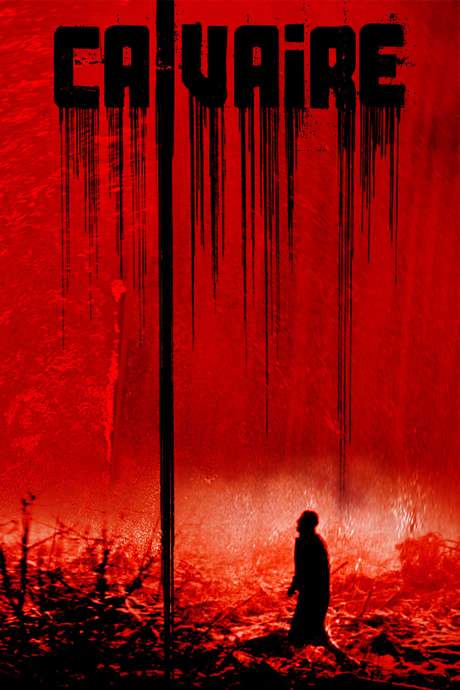
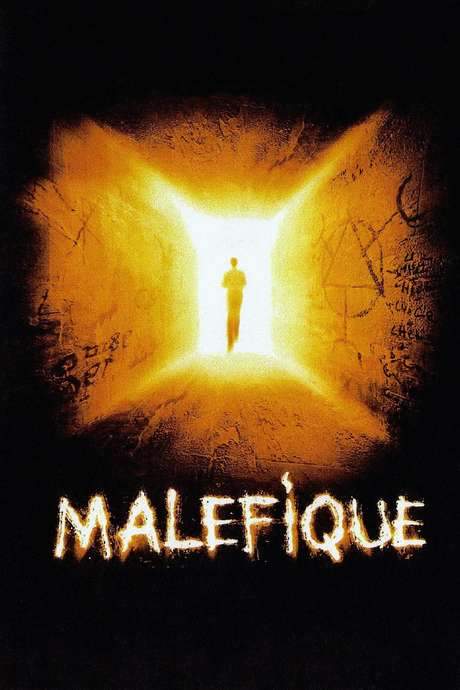
Marc Stevens Laurent Lucas is a struggling, mid-tier performer who earns a living singing light pop ballads and easy listening tunes at retirement homes. While en route to perform at a Christmas special, his van—also his makeshift home—breaks down during a fierce storm, leaving him stranded deep in the woods. Freezing, lost, and fighting the cold, he is found by a gaunt local named Boris and taken to a run-down inn where the day’s light has already faded.
The inn is a quiet, almost hermetic place run by its proprietor, Mr. Bartel Jackie Berroyer, a genial, hermit-like ex-standup comic who treats the place as a shrine to old entertaining days. He offers to repair the broken van as a token of kinship between fellow entertainers, and Marc accepts the hospitality, keeping his distance and avoiding discussion about his career or personal life.
The morning after, Bartel hauls the van into the inn’s yard. When Marc says he’ll take a walk, Bartel’s mood shifts dramatically—paranoia and aggression surface as he warns Marc against entering the nearby village. While Marc wanders, he stumbles upon a farm where a family watches a teenage boy having sex with a calf, describing the moment as “so tender” in a moment of unsettling voyeurism. The scene foreshadows the film’s creeping sense of perversion and control. Back at the inn, Bartel rummages through Marc’s belongings, stealing his mobile phone and a collection of amateur photos that had been given to Marc by a fan. The moment underscores Bartel’s invasive possessiveness and his growing sense of entitlement.
That night, Bartel’s mood spirals further. He rants about his dead wife Gloria, recounts old grievances, and imposes a disturbing demand: Marc must sing him a song before bed. The following day reveals how far Bartel will go. He true to his misdeeds—decimating Marc’s sense of safety, taking a look at Marc’s private space, and then revealing that the telephone Marc relies on for help has never even been wired in. Confronted with Bartel’s vandalism of the van and the danger around him, Marc is knocked unconscious and the van is set aflame.
When Marc awakens, he finds himself bound to a chair, stripped down to an old dress, and faced with Bartel who speaks to him as if he were his wife. The deranged intruder begins shaving half of Marc’s scalp to “protect” him from the villagers and then forces him to lie beside him in bed. The assault on Marc’s body and identity escalates as Bartel’s grip tightens, and Marc is thrust into a nightmarish dynamic of fear and control.
The next day, Bartel ties Marc to a tractor and drives him into the woods to cut down a Christmas tree. Marc manages a daring escape but is ensnared in a rabbit snare. In the darkness, Boris appears again but treats Marc as if he were a lost dog, sitting by him and stroking him until Marc bites Boris’s leg in a moment of desperate defiance. By morning, Bartel, alerted by Boris, drags Marc back to the inn under a blanket on the back of a hay truck. A pair of villagers glimpses the odd procession but do nothing to intervene.
Back inside, Bartel scolds “Gloria” for running away and then crucifies Marc behind the inn. He heads into the village for a drink, where the locals sit in fearful silence as he rails about the imagined return of his wife. A pianist in the bar begins to play a dissonant, winding waltz, and the crowd gradually rises to dance in a distorted, ritualistic frenzy.
Inside the inn again, Bartel ushers Marc to the kitchen for a Christmas dinner that has become a grotesque performance. Boris returns, bringing a calf, now mistaken for his missing dog. In a fervent speech about love, unity, and the season’s spirit, Bartel’s delusion culminates in a gunshot that kills Boris and triggers a siege by the villagers. They flood the inn with a pig on a leash, intent on reclaiming the calf and, in the mob’s crazed delirium, on raping Marc, whom they mistake as Bartel’s returned wife. Bartel is overpowered and killed by the mob, and one of the men assaults Marc on the dining table.
Marc escapes once again into the cold night woods. He wanders through darkness and finds a cemetery with a large, crucified Christ gravestone, a visual echo of the film’s title Calvaire. The last stretch of the chase becomes a crucible of mercy and despair as Marc avoids most of the mob, but one man closes in, intent on capturing “Gloria.” The hunter stumbles into a bog and begins to drown. Rather than aiding him, Marc watches as the man sinks, and when the drowning man cries out a plea about whether “Gloria” loves him, Marc—still in the role forced upon him by Bartel’s fantasy—responds in a way that acknowledges love, if only in a tragic, perverse context. The man dies, and Marc is left alone in the wilderness, bearing the unresolved weight of what he has endured.
> "so tender"
In the end, the film lingers on Marc’s isolation, the ruin of a life defined by performance and consent, and the stark, haunting imagery that frames his survival as a fragile act of self-preservation within a world that has ceased to recognize boundaries. The harsh landscape, the crucified figure in the cemetery, and the savage insistence of the townspeople converge to form a chilling meditation on punishment, delusion, and the cost of looking away.