












Plot Explained Spoilers guaranteed!
Plot Explained

Browse by genre

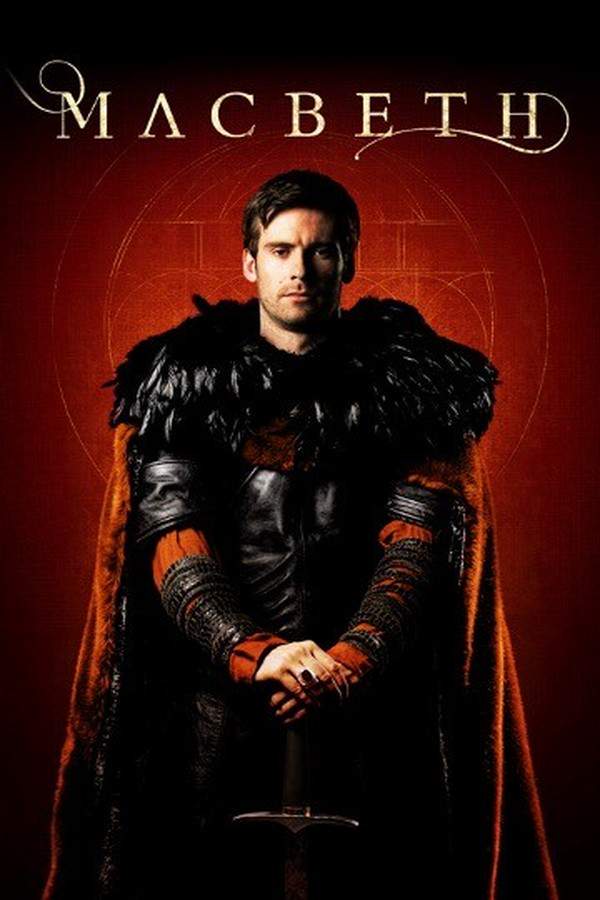
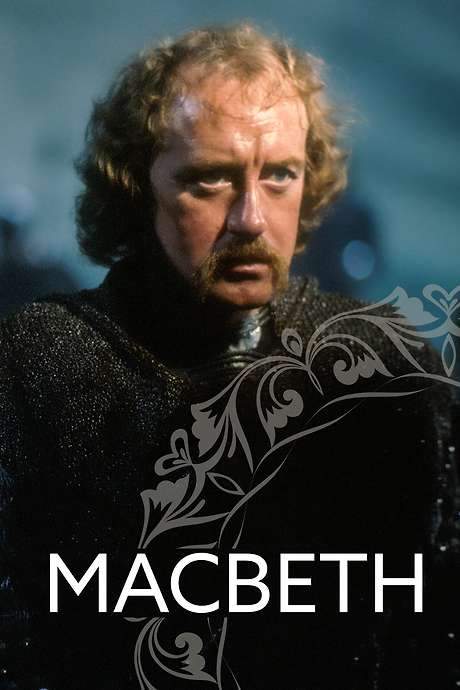
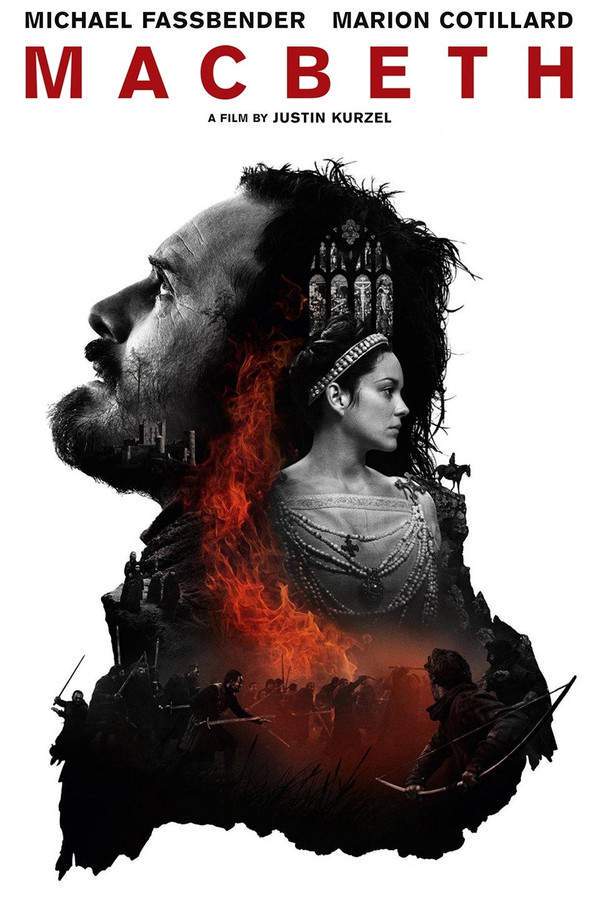
Macbeth (2015) movie poster

Ending Explained

Macbeth (2015) Ending Explained – Final Scene & Meaning

Release, runtime and language
2015 · 113 min · English
JustWatch #1,141 10
Directed by
Justin Kurzel
Starring
Michael Fassbender, Marion Cotillard

Amidst a war-torn Scotland, a courageous warrior receives a prophecy that ignites an insatiable ambition within him. Driven by his desire for power, he embarks on a ruthless path, grappling with treacherous circumstances and the consequences of his choices. This gripping drama offers a visceral exploration of passion, loyalty, and the devastating impact of unchecked ambition, reimagining Shakespeare's iconic character.

On this page (8)
  1. 1 Where to watch
  2. 2 What happens at the end
  3. 3 Final events in order
  4. 4 Ending questions answered
  5. 5 The book behind the movie
  6. 6 Movie threads
  7. 7 Movies like Macbeth
  8. 8 Every angle

Where to watch

Where to Watch Macbeth (2015)

Where can you watch Macbeth? Stream, rent or buy it in the US, including on Amazon Prime Video, Amazon MX Player and Amazon Prime Video Free: current JustWatch availability with up-to-date prices.

Streaming availability powered by JustWatch

Ending explained · contains spoilers

What Happens at the End of Macbeth?

How Macbeth (2015) ends, what the final scene means, which earlier moments set it up and how to read the ending if the film leaves it open. The full ending explained, with every spoiler.

In Joel Coen's adaptation of Macbeth, the ending takes a surprising turn that shifts the story from a traditional resolution to something more unsettling and open-ended. After Macbeth’s downfall and the crown passing to Malcolm, the scene reveals that Fleance, Banquo’s son, who was presumed dead, is actually still alive. He is being secretly kept in the countryside by Ross, a character who in this version has a morally complex role. Unlike in Shakespeare’s original play, where Fleance’s survival is hinted at but not shown, this film’s ending shows him in hiding, suggesting he could be the one to carry the torch of kingship in the future. However, the film also depicts Ross as a manipulative figure involved in hiding Fleance, implying that the throne’s future is far from secure.

The most striking departure from Shakespeare’s ending is that, instead of a peaceful transition of power and a hopeful conclusion, the film's ending hints at ongoing chaos. The involvement of Ross as a silent schemer and the symbolic flock of ravens that overshadow the final moments hint at turbulence ahead. The political landscape remains unstable, and the prophecy about Fleance’s descendants taking the throne is complicated by the current power vacuum. With Malcolm crowned king and no clear heir from Macbeth, the film hints that a new cycle of conflict and strife is inevitable, casting a darker, more cynical shadow over the story’s conclusion. This ending leaves viewers with a sense that the cycle of violence and political intrigue is far from over, transforming what might have been a hopeful ending into a grim prophecy of further trouble to come.

Last updated: June 25, 2025 at 08:58

Was this helpful?

The last 4 events

How Macbeth Ends: The Final Events in Order

The last events of Macbeth (2015) in chronological order, the run-up to the ending explained above. The complete timeline has all 15 events, scene by scene.

Open the full timeline
  1. Lady Macbeth's Descent

    Lady Macbeth, tormented by guilt over their actions, experiences hallucinations and mental breakdowns. Her internal struggle manifests as visions of blood and her child’s ghost, illustrating the cost of their ambition.

    Where
    Church
  2. Malcolm Assembles Forces

    News of Lady Macbeth's passing reaches Macbeth, further deepening his despair. Meanwhile, Malcolm gathers an army to oppose Macbeth, who is oblivious to the mounting threats toward his tyrannical rule.

  3. The Fall of Macbeth

    In a dramatic confrontation, Macduff reveals he was born via Caesarean section, rendering the witches' prophesy false. He delivers the fatal blow to Macbeth, who realizes the futility of his ambition as he succumbs to death.

    Where
    Dunsinane
  4. Malcolm's Ascendancy

    With Macbeth defeated, Malcolm is declared the new King of Scotland. The film concludes with a sense of bittersweet justice as Fleance takes up Macbeth's sword, symbolizing the enduring legacy of ambition and power.

Ending questions answered

Macbeth Ending: Your Questions Answered

The questions people ask most about the ending of Macbeth (2015): what the final scene means, how the twist works, what happens to each character and how to read the ending. Each answer contains spoilers.

Q1

Does Fleance survive in the ending?

Yes, Fleance is revealed to be alive at the end. He is being secretly hidden in the countryside by Ross, who has been secretly keeping him safe throughout the story. This differs from Shakespeare's original play, where Fleance's survival is only implied rather than explicitly shown on stage.

Foreshadowing: Earlier, the witches prophesied that Banquo's descendants would inherit the throne, making Fleance's survival crucial to that prediction.

  • fleance
  • banquo son
  • prophecy
  • survival
  • hidden
Q2

Why is Ross hiding Fleance?

Ross secretly protects Fleance because he understands the prophecy that Banquo's line will eventually take the throne. By keeping Fleance alive and hidden, Ross is positioning himself to potentially control or influence the future king, demonstrating his manipulative and politically ambitious nature.

Foreshadowing: Ross's earlier interactions show him quietly observing and inserting himself into key political moments, revealing his opportunism.

  • ross
  • fleance
  • manipulation
  • political intrigue
  • control
Q3

What do the ravens symbolize at the end?

The flock of ravens that overshadows the final moments symbolizes impending chaos and violence. Ravens are traditionally associated with death and war, and their presence suggests that despite Malcolm's coronation, Scotland is far from peaceful. The ending implies that a new cycle of conflict and bloodshed is inevitable.

Foreshadowing: Supernatural elements, including the witches' presence, have lingered throughout the film, building toward this ominous conclusion.

  • ravens
  • symbolism
  • death
  • chaos
  • ominous
  • prophecy
Q4

How does this ending differ from Shakespeare's play?

In Shakespeare's original, Fleance's survival is merely mentioned but never shown, and the ending concludes with Malcolm crowned and a sense of restored order. This film explicitly shows Fleance alive and hidden by Ross, adds the ominous raven imagery, and emphasizes that the political instability continues, creating a much darker and more ambiguous conclusion.

Foreshadowing: The film has consistently visualised elements that Shakespeare only implied through dialogue, making the ending a natural extension of this approach.

  • shakespeare
  • differences
  • adaptation
  • play comparison
  • visualization
Q5

Does Malcolm become king at the end?

Yes, Malcolm is crowned king after Macbeth's defeat. However, his position is far from secure. With no clear heir and a power vacuum left by Macbeth's death, combined with Ross's hidden manipulation of Fleance, the film suggests Malcolm's reign will be unstable and threatened.

Foreshadowing: Earlier scenes establish Malcolm as the rightful heir, but also show the political chaos that follows when legitimate succession is contested.

  • malcolm
  • crown
  • king
  • throne
  • succession
Q6

Is the witches' prophecy fulfilled at the end?

The prophecy is both fulfilled and complicated. While Macbeth's reign has ended, the witches predicted that Banquo's descendants would take the throne. By showing Fleance alive and hidden, the film suggests this prophecy remains active, but Ross's manipulation means the throne's future is uncertain and potentially vulnerable to the same ambition that destroyed Macbeth.

Foreshadowing: The witches' prophecies have driven the entire narrative, and their predictions about both Macbeth and Banquo's line have shaped every major event.

  • prophecy
  • witches
  • banquo line
  • kingship
  • fulfillment
Q7

What happens to Lady Macbeth at the end?

Lady Macbeth has already succumbed to her madness and guilt before Macbeth's final battle. The film shows her psychological destruction as a direct consequence of their shared crimes, with her downfall serving as a tragic parallel to Macbeth's own unraveling.

Foreshadowing: Her gradual descent into madness was meticulously shown throughout the film, from her obsessive hand-washing to her visible deterioration.

  • lady macbeth
  • death
  • insanity
  • guilt
  • collapse
Q8

Does Macbeth's death bring peace to Scotland?

No. While Macbeth is defeated and Malcolm is crowned, the ending deliberately avoids a triumphant conclusion. Ross's secret scheming, Fleance's hidden survival, and the ominous ravens all signal that Scotland faces more conflict. The cycle of violence and political intrigue continues, suggesting that Macbeth's rise and fall has merely opened a new chapter of instability.

Foreshadowing: The film has consistently shown how one violent act leads to another, establishing that Macbeth's removal does not automatically restore order.

  • macbeth
  • death
  • peace
  • scotland
  • violence cycle
Q9

Why does the ending feel so unresolved?

The ending feels unresolved because the film deliberately subverts the traditional happy ending of Shakespeare's play. Rather than a hopeful conclusion with Malcolm's coronation, the addition of Ross's manipulation and the ominous ravens suggests ongoing turbulence. The survival of Fleance also means the prophecy remains unfulfilled, leaving the audience with uncertainty about Scotland's future.

Foreshadowing: Throughout the film, Coen emphasizes the dark and fatalistic tone, making this ambiguous conclusion consistent with the overall vision.

  • ambiguous
  • unresolved
  • ending interpretation
  • dark conclusion
  • uncertainty

Movie threads

More Movies Like Macbeth, by Mood & Story

Curated lists built around what makes Macbeth tick: the same mood, the same kind of story or the same emotional payoff. Each list explains why these movies belong together.

Tragedies of Ambition like in Macbeth

Stories where consuming ambition leads to an inescapable, bleak moral collapse. If you liked the relentless moral decay and tragic consequences of ambition in Macbeth, explore these movies. This list features stories where characters' ruthless pursuits of power lead to paranoia, betrayal, and a fatalistic, bleak conclusion, capturing a similar heavy emotional weight.

  • fatalistic
  • paranoid
  • somber
  • violent
  • tragic
  • moral decay
  • Tone: dark, bleak
  • Pacing: steady, escalating
Why these movies?

The story pattern: Narratives in this thread typically follow a cause-and-effect spiral: a prophecy or catalyst ignites an ambition that justifies increasingly ruthless actions. The character gains power but is consumed by guilt and paranoia, leading to betrayal and ultimately, a complete personal and physical destruction. The structure is often a steady, escalating descent.

Why they belong together: Movies are grouped here for their shared focus on the destructive nature of unchecked ambition. They share a dark tone, high emotional intensity, and a bleak ending feel, creating a coherent experience of watching a seemingly great figure unravel from within.
Grim Psychological Unraveling like in Macbeth

A bleak, violent journey into a character's unraveling psyche and guilt. For viewers who appreciated the haunting, oppressive atmosphere and psychological disintegration in Macbeth. These selections feature similar stories of characters descending into madness, marked by a dark tone, heavy violence, and a sense of inescapable fate, perfect for fans of somber, character-driven tragedies.

  • oppressive
  • haunting
  • psychological
  • violent
  • somber
  • paranoid
  • Tone: haunting, somber
  • Pacing: steady, methodical
Why these movies?

The story pattern: The narrative pattern is an internal collapse mirrored by external chaos. A character, often in a war-torn or harsh setting, is pushed by circumstances or prophecy past their breaking point. The story methodically charts their increasing paranoia and hallucinations, leading to violent actions and a conclusion where madness offers no escape.

Why they belong together: These films are united by their immersive, oppressive mood and central theme of psychological disintegration. They share a high intensity, a steady pacing that builds dread, and a visual and auditory style that creates a haunting, claustrophobic feel, making the descent palpable for the viewer.

If you liked this

Movies Like Macbeth

Similar movies to Macbeth: the same genre, themes or kind of story. Each one comes with its own plot summary, timeline and ending explained.

Browse all movie summaries

Every angle

Macbeth (2015) Explained: Plot, Ending, Timeline & Characters

Everything about Macbeth in one place: what happens in the plot summary, the timeline in chronological order, the characters and meaning, the ending explained and a spoiler-free summary. What's After the Movie adds the cast, box office and post-credit scenes.

Coming soon on iOS and Android

The Plot Explained Movie Summary App

Plot summaries, endings explained and timelines on your phone. Catch up on any movie in minutes, save your favorites and never miss a twist again.

Be the first to know when we launch. Your email stays private, always.

Learn more about the app