During a ferocious torrential rainstorm late at night, a patient at a psychiatric hospital dances with a wild, outward energy, as if a force beyond herself has taken hold. The elderly custodian Masuo Inoue gazes at his wife, a mentally ill woman kept in a cell who cannot recognize him due to her condition. Once a sailor who spent long years at sea, he left his wife and daughter alone far too often, a pattern that helped drive her toward instability. She became a patient after a desperate attempt to end her own life and to harm their child. Consumed by remorse, the old man stays on at the hospital to watch over her, a quiet secret kept from the other staff.
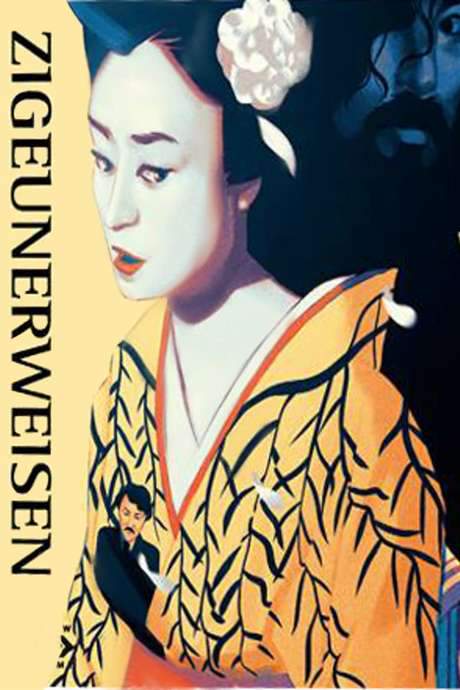
The next morning, their daughter Ayako Iijima arrives to announce her upcoming marriage, only to be stunned and angered to realize her father works at the very institution her mother now inhabits. She goes to her mother’s room, finds her unresponsive, and leaves the hospital unable to forgive the man who helped drive her mother to madness. Later, during a routine morning examination, the janitor asks the doctor Misao Seki about his wife’s condition, but the doctor remains silent. That moment marks a shifting line between duty and longing, as the janitor later seeks forgiveness from his daughter and inquires about her engagement.
On that same day, the wife is permitted a quiet stroll on the lawn, and she gazes up at the pale sky while the daughter watches from a distance—an almost peaceful scene that is quickly shattered when an inmate tries to attack the daughter, forcing her to flee in alarm. As time passes, the ward erupts in a new frenzy: one patient begins dancing, infecting others with the same reckless joy, and the scene devolves into a frenzied scuffle. The staff intervene, and the head doctor rebukes the janitor for possible implications of the incident, leaving him rattled and increasingly detached from reality.
What follows is a series of immersive fantasies that blur the boundary between dream and waking life. The janitor imagines a lottery win of a chest of drawers that he could present to his daughter as part of her dowry, the kind of small mercy that could lighten their burdens. He envisions taking his wife away from the asylum to protect her, to hide her existence from a world that cannot understand. He even dreams of violence against the head doctor, yet the vision spirals out of control when a bearded inmate is shown marrying his daughter, a grotesque mirror of his deepest fears.
In the midst of these shifting visions, the janitor’s mind pivots toward a symbolic gesture: he dreams of distributing noh masks to the inmates, granting them cheerful faces while he himself dons an okina, the mask of an old man. When the day ends, he is back to the clinic floors, now unable to visit his wife’s ward because the keys—taken by the doctor—keep him apart. A final image lingers as the bearded inmate passes by and bows to him for the first time, almost as if bowing to his father-in-law. This quiet, uneasy connection hints at a life where duty and longing remain forever intertwined, long after the rain has ceased and the walls of the hospital close in around them.