












Plot Explained Spoilers guaranteed!
Plot Explained

Browse by genre

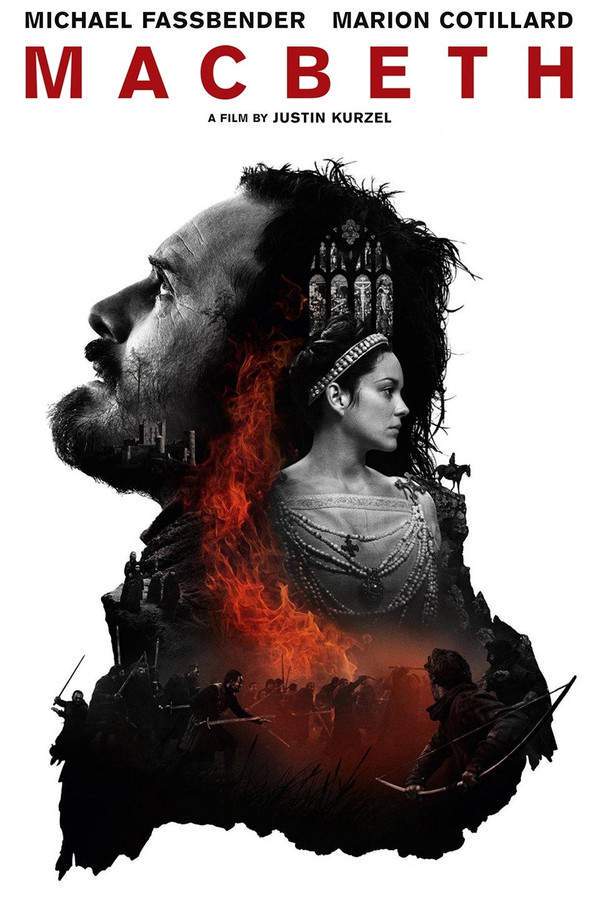
Macbeth (2015) movie poster

Timeline

Macbeth (2015) Timeline Explained – Every Event in Order

Release, runtime and language
2015 · 113 min · English
JustWatch #1,141 10
Directed by
Justin Kurzel
Starring
Michael Fassbender, Marion Cotillard

Amidst a war-torn Scotland, a courageous warrior receives a prophecy that ignites an insatiable ambition within him. Driven by his desire for power, he embarks on a ruthless path, grappling with treacherous circumstances and the consequences of his choices. This gripping drama offers a visceral exploration of passion, loyalty, and the devastating impact of unchecked ambition, reimagining Shakespeare's iconic character.

On this page (7)
  1. 1 Where to watch
  2. 2 Events in order (15)
  3. 3 Timeline questions answered
  4. 4 The book behind the movie
  5. 5 Movie threads
  6. 6 Movies like Macbeth
  7. 7 Every angle

Where to watch

Where to Watch Macbeth (2015)

Where can you watch Macbeth? Stream, rent or buy it in the US, including on Amazon Prime Video, Amazon MX Player and Amazon Prime Video Free: current JustWatch availability with up-to-date prices.

Streaming availability powered by JustWatch

15 events in order · contains spoilers

Macbeth Timeline: Events in Chronological Order

Every key event of Macbeth (2015) in order, scene by scene, with when and where it takes place. Use it to untangle flashbacks, time jumps and parallel storylines, to refresh your memory before the sequel or to find the exact scene you are thinking of.

  1. Funeral of the Child

    The film begins with Macbeth and Lady Macbeth mourning the tragic loss of their child during a solemn funeral. This poignant moment deepens their bond and sets the tone for the unfolding drama, as the couple grapples with both grief and ambition.

  2. Victory in Battle

    Macbeth leads King Duncan's forces to a hard-fought victory in a civil war battle. Despite suffering heavy losses, including the lives of young soldiers, Macbeth's triumph earns him respect and recognition.

  3. Encounter with the Witches

    Macbeth and Banquo meet the mysterious Three Witches who deliver cryptic prophecies. The witches foretell that Macbeth will become the Thane of Cawdor and eventually the King, while Banquo's descendants will inherit the throne.

  4. Duncan's Reward to Macbeth

    In recognition of Macbeth's success, King Duncan punishes the traitorous Thane of Cawdor. He rewards Macbeth with the title, fulfilling part of the witches' prophecies and igniting Macbeth's ambition toward further power.

  5. A Dark Proposal

    After learning of Duncan's stay at their castle, Lady Macbeth fervently persuades Macbeth to murder the King to secure their rise to power. She calls upon dark spirits for assistance in catalyzing their ambitions.

    Where
    Macbeth's Castle
  6. The Murder of King Duncan

    Under the influence of Lady Macbeth, Macbeth assassinates King Duncan while he sleeps. Overwhelmed with guilt and fear, he delivers the bloody daggers to Lady Macbeth, who cleverly disposes of the evidence.

    Where
    Macbeth's Castle
  7. Macbeth Becomes King

    With Duncan dead, Macbeth ascends to the throne. However, he is filled with unease, haunted by his actions and the witches' prophecy that Banquo's lineage will threaten his rule.

  8. Banquo's Assassination

    Desperate to secure his power, Macbeth hires assassins to eliminate Banquo, fearing the threat posed by Banquo’s son, Fleance. Although they succeed in killing Banquo, Fleance manages to escape, intensifying Macbeth's paranoia.

  9. Visions of Guilt

    During a feast, Macbeth is haunted by Banquo's ghost, which causes him to panic and publicly reveal his mental instability. Lady Macbeth attempts to control the situation by dismissing the guests, showcasing their eroding facade.

    Where
    Banquet Hall
  10. Consulting the Witches Again

    Macbeth seeks the Three Witches for further guidance. They provide him with prophecies that bolster his confidence, warning him to beware of Macduff and assuring him that he cannot be harmed by any man born of a woman.

  11. Slaughter of Macduff's Family

    In a fit of rage and paranoia, Macbeth orders the brutal massacre of Macduff's entire family. This heinous act catalyzes his downfall, as it fuels Macduff's desire for vengeance against Macbeth.

  12. Lady Macbeth's Descent

    Lady Macbeth, tormented by guilt over their actions, experiences hallucinations and mental breakdowns. Her internal struggle manifests as visions of blood and her child’s ghost, illustrating the cost of their ambition.

    Where
    Church
  13. Malcolm Assembles Forces

    News of Lady Macbeth's passing reaches Macbeth, further deepening his despair. Meanwhile, Malcolm gathers an army to oppose Macbeth, who is oblivious to the mounting threats toward his tyrannical rule.

  14. The Fall of Macbeth

    In a dramatic confrontation, Macduff reveals he was born via Caesarean section, rendering the witches' prophesy false. He delivers the fatal blow to Macbeth, who realizes the futility of his ambition as he succumbs to death.

    Where
    Dunsinane
  15. Malcolm's Ascendancy

    With Macbeth defeated, Malcolm is declared the new King of Scotland. The film concludes with a sense of bittersweet justice as Fleance takes up Macbeth's sword, symbolizing the enduring legacy of ambition and power.

Last updated: November 07, 2024 at 22:59

Was this helpful?

Timeline questions answered

Macbeth Timeline Explained: Your Questions Answered

When does it happen, and why in that order? The questions people ask about the chronology of Macbeth (2015): time jumps, flashbacks, cause and effect between scenes and the correct order of events, each answered with spoilers.

Q1

Why does Macbeth decide to kill King Duncan?

Macbeth is driven to murder Duncan after the witches prophecy,激发 his latent ambition. When Duncan staying overnight at Macbeth's castle, Lady Macbeth passionately persuades him that killing the King is the only way to fulfill the prophecy and secure their power. His desire to be King overcomes his loyalty, especially after learning he will be rewarded with the title of Thane of Cawdor.

Foreshadowing: The witches' prophecy first plants the seed of ambition in Macbeth before any thought of murder.

  • macbeth
  • duncan
  • murder
  • ambition
  • prophecy
  • ladymacbeth
Q2

Why does Lady Macbeth push Macbeth to kill Duncan?

Lady Macbeth fears that Macbeth lacks the ruthlessness to seize power and wants to ensure the witches' prophecy becomes reality. When Macbeth tells her Duncan will stay overnight, she sees this as their only opportunity and pressures him to murder the King, even calling upon dark spirits to strengthen her resolve.

Foreshadowing: Her earlier calling upon dark spirits shows her willingness to use supernatural means to achieve their goals.

  • ladymacbeth
  • duncan
  • murder
  • persuasion
  • ambition
  • power
Q3

Why does Macbeth kill the guards after murdering Duncan?

Macbeth kills the guards in a fit of paranoia, fearing they might reveal what they saw or overheard. He acts impulsively, overcome with guilt and fear after the murder, which actually makes him look more suspicious to Macduff and others who discover the bodies.

Foreshadowing: Macbeth's early hesitation and guilt during the murder foreshadow his inability to maintain composure under pressure.

  • macbeth
  • guards
  • murder
  • paranoia
  • suspicion
  • macduff
Q4

Why does Macbeth want Banquo killed?

Macbeth fears the witches' prophecy that Banquo's descendants will inherit the throne. After becoming King, he feels insecure and decides to eliminate Banquo and his son Fleance to secure his line. He hires assassins to kill them at a banquet, but Fleance escapes, leaving Macbeth even more paranoid.

Foreshadowing: The witches' prophecy about Banquo being the progenitor of kings creates the threat Macbeth later acts upon.

  • macbeth
  • banquo
  • fleance
  • assassination
  • prophecy
  • security
Q5

What do the witches' prophecies reveal about Macbeth's fate?

The Three Witches deliver three key prophecies: Macbeth will become Thane of Cawdor and then King, Banquo's descendants will inherit the throne, and Macbeth cannot be harmed by any man born of woman. Later, they warn him to beware of Macduff and claim no man born of woman can defeat him. These prophecies both guide and deceive Macbeth throughout the film.

Foreshadowing: The witches appear at the very beginning, establishing their role as the catalysts for all subsequent events.

  • witches
  • prophecy
  • cawdor
  • king
  • fate
  • macbeth
Q6

Why is Macduff able to kill Macbeth despite the prophecy?

Macduff reveals he was born via Caesarean section, meaning he was not naturally born of a woman. This technicality makes the witches' prophecy that no man born of woman can defeat Macbeth false. When Macbeth realizes this, his confidence shatters, and Macduff delivers the fatal blow.

Foreshadowing: The witches' misleading prophecy gives Macbeth false confidence that ultimately leads to his defeat.

  • macduff
  • macbeth
  • prophecy
  • caesarean
  • battle
  • defeat
Q7

What does the Birnam Wood prophecy mean?

The witches prophecy that Macbeth cannot be defeated until Birnam Wood moves to Dunsinane Hill. During the final battle, Macduff orders his soldiers to cut down branches from Birnam Wood and carry them, creating the illusion that the forest is moving toward Dunsinane. This fulfills the prophecy and marks Macbeth's approaching doom.

Foreshadowing: The witches' cryptic prophecies consistently contain literal interpretations that Macbeth fails to anticipate.

  • birnam wood
  • dunsinane
  • prophecy
  • marching
  • macbeth
  • macduff
Q8

Why does Lady Macbeth go insane?

Lady Macbeth is consumed by guilt over their crimes, particularly the murder of Duncan and orchestrating the massacre of Macduff's family. She experiences hallucinations of blood on her hands and visions of her dead child's ghost, Eventually descending into madness and taking her own life.

Foreshadowing: Her early scene washing her hands repeatedly in the church foreshadows her inability to cleanse herself of guilt.

  • ladymacbeth
  • guilt
  • insanity
  • hallucination
  • blood
  • death
Q9

Why is Macbeth confident he cannot be defeated?

After consulting the witches a second time, Macbeth learns he cannot be harmed by any man born of woman and that no army can defeat him until Birnam Wood moves. These prophecies give him false confidence, leading him to face Macduff in battle without fear, until Macduff reveals the C-section loophole.

Foreshadowing: Macbeth's reliance on the witches' words shows his desperate need for certainty in an increasingly uncertain reign.

  • macbeth
  • invincible
  • prophecy
  • confidence
  • battle
  • defeat
Q10

Why does the film open with a child funeral?

The film opens with Macbeth and Lady Macbeth mourning the loss of their child at a funeral not in Shakespeare's original play. This addition deepens their emotional bond and establishes the grief that later makes them more desperate to fill a void through power. Their shared loss intensifies Lady Macbeth's ambition to secure their future.

Foreshadowing: The opening grief establishes the emotional void that drives their ambition throughout the film.

  • child
  • funeral
  • grief
  • macbeth
  • ladymacbeth
  • loss
Q11

What triggers Macbeth's descent into tyranny?

Macbeth's tyranny escalates after each crime creates more fear and paranoia. Killing Duncan leads to killing the guards, then Banquo, then Macduff's family. Each murder feeds his insecurity about the prophecy, transforming him from a reluctant killer into a ruthless tyrant consumed by maintaining power.

Foreshadowing: The witches' prophecy about Banquo's line creates the insecurity that drives Macbeth's increasingly violent actions.

  • macbeth
  • tyranny
  • paranoia
  • murder
  • power
  • descent

Movie threads

More Movies Like Macbeth, by Mood & Story

Curated lists built around what makes Macbeth tick: the same mood, the same kind of story or the same emotional payoff. Each list explains why these movies belong together.

Tragedies of Ambition like in Macbeth

Stories where consuming ambition leads to an inescapable, bleak moral collapse. If you liked the relentless moral decay and tragic consequences of ambition in Macbeth, explore these movies. This list features stories where characters' ruthless pursuits of power lead to paranoia, betrayal, and a fatalistic, bleak conclusion, capturing a similar heavy emotional weight.

  • fatalistic
  • paranoid
  • somber
  • violent
  • tragic
  • moral decay
  • Tone: dark, bleak
  • Pacing: steady, escalating
Why these movies?

The story pattern: Narratives in this thread typically follow a cause-and-effect spiral: a prophecy or catalyst ignites an ambition that justifies increasingly ruthless actions. The character gains power but is consumed by guilt and paranoia, leading to betrayal and ultimately, a complete personal and physical destruction. The structure is often a steady, escalating descent.

Why they belong together: Movies are grouped here for their shared focus on the destructive nature of unchecked ambition. They share a dark tone, high emotional intensity, and a bleak ending feel, creating a coherent experience of watching a seemingly great figure unravel from within.
Grim Psychological Unraveling like in Macbeth

A bleak, violent journey into a character's unraveling psyche and guilt. For viewers who appreciated the haunting, oppressive atmosphere and psychological disintegration in Macbeth. These selections feature similar stories of characters descending into madness, marked by a dark tone, heavy violence, and a sense of inescapable fate, perfect for fans of somber, character-driven tragedies.

  • oppressive
  • haunting
  • psychological
  • violent
  • somber
  • paranoid
  • Tone: haunting, somber
  • Pacing: steady, methodical
Why these movies?

The story pattern: The narrative pattern is an internal collapse mirrored by external chaos. A character, often in a war-torn or harsh setting, is pushed by circumstances or prophecy past their breaking point. The story methodically charts their increasing paranoia and hallucinations, leading to violent actions and a conclusion where madness offers no escape.

Why they belong together: These films are united by their immersive, oppressive mood and central theme of psychological disintegration. They share a high intensity, a steady pacing that builds dread, and a visual and auditory style that creates a haunting, claustrophobic feel, making the descent palpable for the viewer.

If you liked this

Movies Like Macbeth

Similar movies to Macbeth: the same genre, themes or kind of story. Each one comes with its own plot summary, timeline and ending explained.

Browse all movie summaries

Every angle

Macbeth (2015) Explained: Plot, Ending, Timeline & Characters

Everything about Macbeth in one place: what happens in the plot summary, the timeline in chronological order, the characters and meaning, the ending explained and a spoiler-free summary. What's After the Movie adds the cast, box office and post-credit scenes.

Coming soon on iOS and Android

The Plot Explained Movie Summary App

Plot summaries, endings explained and timelines on your phone. Catch up on any movie in minutes, save your favorites and never miss a twist again.

Be the first to know when we launch. Your email stays private, always.

Learn more about the app