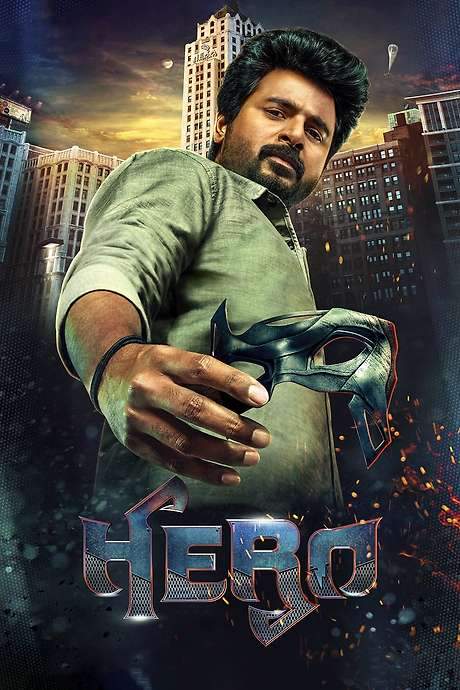
Vijay, Sudeep, returns to his ancestral village with a quiet resolve to steer the community toward compassion and understanding. The story opens with a young woman named Manasa Ranya Rao in Singapore, collecting funds for a cause when a night-time threat arrives. A goon closes in, but Vijay steps in and defuses the danger not through raw force, but through restraint and wit. This peaceful intervention earns Manasa’s wary trust, and a slow, tentative friendship forms between them as they learn to see the world through each other’s eyes.
As their bond deepens, Manasa grows uncomfortable with the idea of attachment and the pain that could come with parting. She pleads for him to leave, and he respects her fear, choosing to return to India. Once there, Vijay begins to influence Manasa’s brother and, more broadly, the village’s outlook. In a conservatively styled, tradition-bound place, his measured approach begins to soften stiff opinions, replace suspicion with curiosity, and replace suspicion with a kinder, more affectionate community spirit. The changes aren’t dramatic overnight, but the ripples are felt, and people start to re-evaluate long-held grudges.
Meanwhile, a deepening bond leads Manasa to confess her love for Vijay, even as he hesitates, wrestling with a hidden truth. It’s revealed that Vijay was born into the rival family that has long haunted the village’s memory. His father had once aimed to transform the village through reform, while his mother Lavanya chose a different path and left, a decision that still echoes in the present. As the past comes back into his life, Vijay encounters Sindhu and finds himself drawn to a new love, complicating loyalties and igniting old tensions.
To protect his newfound peace without exposing his true identity, Vijay begins to enact revenge against the rival clan in secret. He reconciles with his own conscience by keeping his heritage hidden, all while the village gradually shifts its stance toward nonviolence and reconciliation. The families decide that Vijay should marry Sindhu, with both women’s affection and the community’s approval shaping their future. Yet trouble brews when the Inspector warns that the enmity is rekindled because of Vijay’s concealed vendettas.
The tension erupts when rival forces descend, and a brutal round of killings follows. In the chaos, Vijay’s mother is said to have died, a tragedy his father blames on him, leading to a harsh banishment from the family. The story cuts back to the present, where Beera, Manasa’s uncle, tests Vijay’s limits by challenging him to defeat his men; if Vijay can prevail, Beera vows to follow a path of non-violence as well. Vijay rises to the test, crushing the threats with a blend of courage and strategic restraint.
Beera’s wager shifts the stakes to a personal showdown: if Vijay can defeat the rival son, the marriage to Manasa becomes his. In a moment of raw revelation, Vijay unmasks his identity, and the tension escalates into a direct confrontation with Manasa’s brother. The family members rush in, joining the fray and swaying the outcome with their arrival. The father, who has just returned, sees the betrayal and then offers a welcome back, signaling a fragile but hopeful reconciliation.
In the climactic resolution, the long-standing feud is tempered by forgiveness and resolve, and the film closes on a note of reunion. Vijay’s journey circles back to the core promise of unity and peaceful coexistence, culminating in a reunification with Sindhu, as the community learns to embrace a future built on understanding rather than vengeance. The story, rooted in family ties, duty, and the power of change from within, leaves viewers with a quiet optimism about the possibility of reform without sacrificing identity.