Plot Explained Spoilers guaranteed!
Plot Explained

Browse by genre

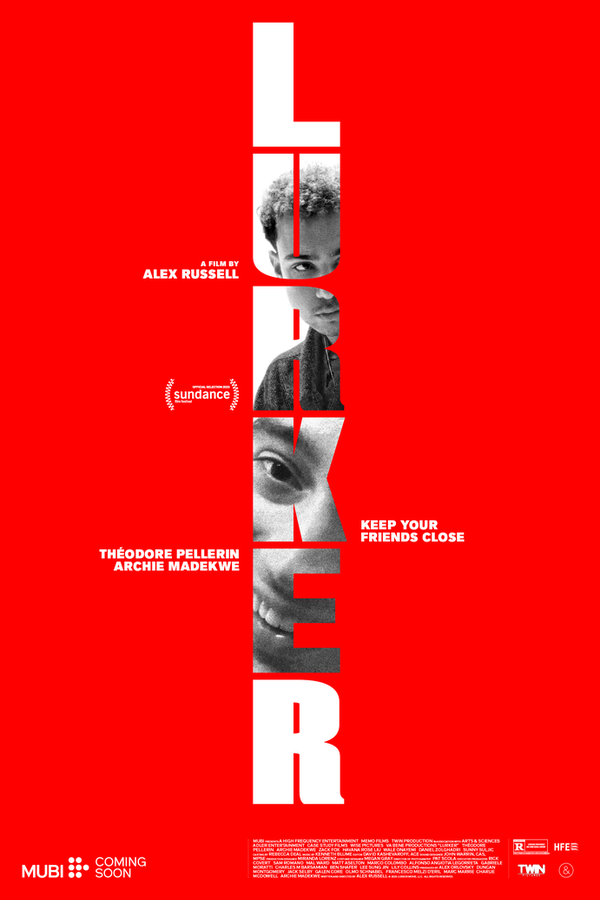
Lurker (2025) movie poster

Ending Explained

Lurker (2025) Ending Explained – Final Scene & Meaning

Release, runtime and language
2025 · 1 h 40 m · English
Echo score 80
Loading streaming availability…
Directed by
Alex Russell
Starring
Théodore Pellerin, Daniel Zolghadri, Charlie McDowell, Sunny Suljic, Hannah Christine Shetler, Archie Madekwe

A retail worker becomes obsessed with a rising music artist and manages to worm his way into the singer’s inner circle. As he gains increasingly intimate access, the line between admiration and danger blurs, turning his proximity to the budding star into a deadly gamble, and his pursuit spirals into a dangerous obsession that threatens both their lives.

On this page (7)
  1. 1 Where to watch
  2. 2 What happens at the end
  3. 3 Final events in order
  4. 4 Ending questions answered
  5. 5 Movie threads
  6. 6 Movies like Lurker
  7. 7 Every angle
Loading streaming availability…

Ending explained · contains spoilers

What Happens at the End of Lurker?

How Lurker (2025) ends, what the final scene means, which earlier moments set it up and how to read the ending if the film leaves it open. The full ending explained, with every spoiler.

In the final scene the film jumps forward in time. Oliver, now stripped of his neon‑pink hair and the flamboyant costumes that defined his public persona, appears in ordinary clothes, looking more relaxed and, for the first time, truly himself. He watches a documentary that Matthew has put together, and the genuine pride he feels for Matthew’s work signals a shift: the obsessive idol‑fan dynamic that drove the story has softened into something more reciprocal.

At the same time, the hard‑drive containing the incriminating footage Matthew once used to blackmail Oliver is still there — it has never been destroyed. However, Oliver no longer feels threatened by it. Instead, he seems to recognise that Matthew has become indispensable, not as a weapon but as a person who truly understands him. The ending therefore suggests that both characters have moved beyond their earlier power games: Oliver has shed the performance‑heavy façade, and the blackmail that once defined their relationship has lost its grip, leaving a fragile but hopeful possibility of genuine connection.

Last updated: February 09, 2026 at 14:31

Was this helpful?

The last 4 events

How Lurker Ends: The Final Events in Order

The last events of Lurker (2025) in chronological order, the run-up to the ending explained above. The complete timeline has all 13 events, scene by scene.

Open the full timeline
  1. On tour, Oliver tries to retrieve the hard drive

    During the tour, Oliver makes several failed attempts to retrieve the hard drive where Matthew stores the footage. He tries to persuade Matthew to delete the footage to ease tension, arguing he truly sees him as a friend. Matthew insists the footage represents a chance to push Oliver toward being a better artist.

    When
    During the tour
    Where
    On tour bus
  2. Desolate stop forces a confrontation

    The tour bus stops in a desolate area, and Oliver’s friends beat Matthew while Oliver gains access to the hard drive. As he searches, he discovers edited footage of the documentary that Matthew has been filming on tour. This discovery makes Oliver reconsider their relationship.

    When
    Late on the tour
    Where
    Desolate area on tour
  3. Documentary premieres to acclaim

    Sometime later, Matthew’s documentary premieres at a film festival to an enthusiastic crowd. The audience applauds both him and Oliver as they share the stage.

    When
    Sometime after the tour
    Where
    Film festival
  4. Q&A leaves the crowd with a question

    After the premiere, questions from the audience begin. An aspiring photographer asks Matthew how he got to where he is, and he stammers, unable to give a simple answer. The film ends with the moment unresolved, leaving the question hanging.

    When
    During Q&A
    Where
    Film festival stage

Ending questions answered

Lurker Ending: Your Questions Answered

The questions people ask most about the ending of Lurker (2025): what the final scene means, how the twist works, what happens to each character and how to read the ending. Each answer contains spoilers.

Q1

Why is Oliver no longer afraid of the hard-drive containing the footage?

Oliver has realized that Matthew has become genuinely indispensable to him, not as a tool for blackmail, but as someone who truly understands him. The power dynamic has shifted: the hard-drive still exists, but Oliver no longer feels threatened because he trusts Matthew's intentions have changed from exploitative to authentic.

Foreshadowing: Earlier scenes established Matthew's obsession with capturing Oliver's true self, hinting that his motives went beyond control.

  • hard-drive
  • blackmail
  • footage
  • Matthew
  • trust
  • power dynamic
Q2

What does Oliver's ordinary appearance in the final scene mean?

Oliver's stripped neon-pink hair and removed flamboyant costumes represent him shedding his performance-heavy public persona. For the first time, he appears as his true self rather than the constructed image he maintained as a star. This visual transformation signals his emotional liberation from the idol facade.

Foreshadowing: Throughout the film, Oliver's extravagant appearance was shown as armor rather than authentic expression.

  • Oliver
  • pink hair
  • appearance
  • transformation
  • true self
  • authentic
Q3

Is the ending of Lurker a positive or hopeful conclusion?

The ending offers what the film describes as a 'fragile but hopeful possibility of genuine connection.' It's not a traditional happy ending, both characters have done terrible things, and the documentary's ambiguous success leaves questions about the cost of Matthew's victory. However, the toxic power games have softened into something more reciprocal, suggesting potential for real relationship despite the darkness.

Foreshadowing: The film's steady buildup from infatuation to sabotage to coercion foreshadows this complicated resolution.

  • ending
  • hopeful
  • resolution
  • relationship
  • connection
  • toxic
Q4

What happens to Matthew's documentary in the ending?

Matthew's documentary becomes a public success, with Oliver watching it and showing genuine pride in Matthew's work. However, the film cuts off as Matthew struggles to answer how he achieved this success, leaving the audience to question the ethical cost of his victory and whether his methods remain exploitative.

Foreshadowing: Matthew's obsessive documenting of Oliver's life was established early as his primary tool for control.

  • documentary
  • Matthew
  • success
  • film
  • achievement
  • Oliver
Q5

How has the power dynamic between Matthew and Oliver changed by the end?

The earlier power imbalance, where Matthew used blackmail to control Oliver, has fundamentally shifted. Oliver no longer feels victimized by the hard-drive, and Matthew has moved from weaponizing intimacy to creating something meaningful. The relationship has become more reciprocal, though it remains psychologically complex given their history of exploitation.

Foreshadowing: The narrative progression from Oliver's initial obsession to Matthew's blackmail demonstrated the shifting power dynamic.

  • power
  • dynamic
  • Matthew
  • Oliver
  • control
  • blackmail
  • relationship
Q6

Why does Oliver feel pride watching Matthew's documentary?

Oliver's pride indicates genuine emotional investment in Matthew's success, marking a shift from the one-sided idol-fan dynamic that originally defined their relationship. This moment shows Oliver moving beyond being a subject of Matthew's obsession to appreciating Matthew as a creator, reflecting their evolution from manipulator and target to something closer to equals.

Foreshadowing: Oliver's initial fascination with Matthew's work was established as the foundation of their connection.

  • pride
  • documentary
  • Matthew
  • Oliver
  • appreciation
  • connection
Q7

Can their relationship be considered genuine after all the manipulation?

The ending leaves this deliberately ambiguous. While Oliver now responds to Matthew's authentic self rather than his manipulation, and Matthew has moved beyond using intimacy as a weapon, the dark history of coercion, exploitation, and psychological violence cannot be erased. The film suggests possibility rather than certainty, a fragile foundation rather than a guaranteed healthy relationship.

Foreshadowing: The boolean flags in the meta notes confirm themes of coercion and exploitation that complicate any claim of genuine connection.

  • genuine
  • relationship
  • manipulation
  • coercion
  • exploitation
  • trust
  • ambiguous
Q8

What happens to the blackmail material in the ending?

The hard-drive containing the incriminating footage Matthew once used to blackmail Oliver still exists, it has never been destroyed. However, its significance has changed entirely. Rather than a weapon, it has become irrelevant to Oliver because his trust in Matthew outweighs the potential threat, suggesting the blackmail's psychological grip has been broken.

Foreshadowing: Matthew's control via the footage was the central mechanism of his power throughout the film.

  • hard-drive
  • blackmail
  • footage
  • incriminating
  • Matthew
  • control
  • weapon
Q9

Why does the film jump forward in time at the end?

The time jump allows the film to show the aftermath of the central conflict rather than just its climax. It demonstrates that the characters have had time to process their experience and that genuine change has occurred, not just a momentary shift but a lasting transformation in how they relate to each other.

Foreshadowing: The steady pacing throughout the film builds toward this eventual resolution.

  • time jump
  • flash forward
  • ending
  • aftermath
  • transformation
Q10

What does the ending imply about Oliver and Matthew's future?

The ending suggests a fragile possibility of genuine connection, but the film deliberately avoids a definitive answer. Matthew's struggle to explain how his documentary succeeded hints at unresolved ethical questions, while Oliver's comfort in his authentic self suggests growth. Whether this becomes a healthy relationship or repeats old patterns remains uncertain, the film implies hope without guaranteeing it.

Foreshadowing: The ambiguous conclusion reflects the film's moderate complexity and tense tone throughout.

  • future
  • relationship
  • Oliver
  • Matthew
  • possibility
  • uncertainty
  • hopeful
Q11

Is Oliver's transformation in the ending genuine or just another performance?

The film presents Oliver's transformation as genuine because he removes the exaggerated public persona that was itself a performance. By appearing in ordinary clothes without the neon-pink hair, he demonstrates authentic self-expression for the first time. His emotional response to Matthew's documentary, pride rather than fear or calculation, reinforces that this change is substantive rather than superficial.

Foreshadowing: Oliver's flamboyant appearance was consistently framed as a constructed persona, not his true self.

  • Oliver
  • transformation
  • authentic
  • performance
  • genuine
  • self
  • true self

Movie threads

More Movies Like Lurker, by Mood & Story

Curated lists built around what makes Lurker tick: the same mood, the same kind of story or the same emotional payoff. Each list explains why these movies belong together.

Obsessive manipulation thrillers similar to Lurker

Stories where an unhealthy fixation escalates into dangerous psychological control. If you were captivated by the toxic dynamics in Lurker, this collection features other movies like it. Discover psychological thrillers and intense dramas that explore similar themes of dangerous obsession, celebrity worship, and relationships turning into a desperate struggle for control and survival.

  • obsessive
  • unsettling
  • manipulative
  • claustrophobic
  • anxious
  • paranoid
  • Tone: tense, dark, unsettling
  • Pacing: steady, methodical
Why these movies?

The story pattern: These narratives typically follow a character who becomes fixated on a target, often someone famous or inaccessible. The story chronicles their calculated efforts to get close, which then escalate from opportunistic friendship to psychological games, blackmail, or violence. The journey is a steady descent into moral ambiguity and personal destruction.

Why they belong together: Movies are grouped here for their shared focus on the psychological mechanics of obsession. They feature a tense, high-intensity atmosphere, heavy emotional weight, and a protagonist whose quest for proximity becomes a destructive force, making the viewer feel claustrophobic and unsettled.
Claustrophobic psychological movies with a vibe like Lurker

Character-driven thrillers where tension builds from internal anxiety and paranoia. For viewers who appreciated the anxious, isolating feel of Lurker, this section highlights films with a similar tense and claustrophobic atmosphere. These movies use steady pacing and heavy emotional weight to explore paranoia, fixation, and the unsettling feeling of being trapped by one's own choices.

  • claustrophobic
  • anxious
  • unsettling
  • paranoid
  • psychological
  • tense
  • Tone: tense, anxious, bleak
  • Pacing: steady, slow burn
Why these movies?

The story pattern: The narrative pattern involves a character becoming trapped in a situation of their own making, often a relationship or a secret. The tension is internal, built on lies, fear of exposure, and escalating paranoia. The plot moves steadily towards a crisis point, leaving the audience feeling as trapped and anxious as the protagonist.

Why they belong together: These films are connected by their potent, unsettling mood. They share a tense tone, steady pacing that allows unease to simmer, and a high-intensity focus on psychological collapse. The experience is defined by feelings of anxiety, isolation, and claustrophobia, even in open settings.

Movies about dangerous obsession like Lurker

Stories where admiration curdles into manipulation and psychological danger. If you liked the psychological manipulation and unsettling obsession in Lurker, you might enjoy these movies. This list features thrillers and dramas where a character's fixation spirals into dangerous territory, exploring similar themes of toxic fandom, parasocial relationships, and moral decay.

  • obsessive
  • unsettling
  • tense
  • paranoid
  • claustrophobic
  • anxious
  • Tone: tense, dark, unsettling
  • Pacing: steady, methodical build
Why these movies?

The story pattern: Narratives in this thread often follow a clear, escalating structure. A protagonist becomes fixated on a person, object, or idea, and their initial admiration slowly warps into a need for control. The plot builds through stages of increasing intimacy and manipulation, leading to a climax where the obsession threatens to destroy both the obsessed and the object of their desire.

Why they belong together: Movies are grouped here for their shared focus on the psychology of obsession, their tense and often claustrophobic atmosphere, and their exploration of how admiration can transform into something predatory and destructive. They create a similar feeling of unease and moral ambiguity.

Claustrophobic thrillers of moral decay like Lurker

Tense stories where proximity to power leads to a collapse of ethics. Fans of the claustrophobic tension and moral ambiguity in Lurker will find similar vibes here. This collection highlights thrillers where characters become trapped by their own choices, featuring steady pacing, heavy emotional weight, and stories about the erosion of ethics under pressure.

  • claustrophobic
  • tense
  • uncomfortable
  • anxious
  • dark
  • moral ambiguity
  • Tone: tense, ambiguous, uncomfortable
  • Pacing: steady, deliberate
Why these movies?

The story pattern: The narrative pattern involves a character gaining access to a privileged world or person, only to find themselves corrupted by the proximity. The story is a slow-burn erosion of principles, where each small compromise leads to a larger ethical breach. The conflict is often internal and interpersonal, focusing on the psychological toll of the character's choices.

Why they belong together: These films are united by their ability to generate a palpable sense of unease and confinement through relational dynamics rather than physical space. They share a tense tone, a methodical pacing that allows the moral collapse to feel earned, and an ending that often leaves the audience with unsettling questions.

If you liked this

Movies Like Lurker

Similar movies to Lurker: the same genre, themes or kind of story. Each one comes with its own plot summary, timeline and ending explained.

Browse all movie summaries

Every angle

Lurker (2025) Explained: Plot, Ending, Timeline & Characters

Everything about Lurker in one place: what happens in the plot summary, the timeline in chronological order, the characters and meaning, the ending explained and a spoiler-free summary. What's After the Movie adds the cast, box office and post-credit scenes.

Coming soon on iOS and Android

The Plot Explained Movie Summary App

Plot summaries, endings explained and timelines on your phone. Catch up on any movie in minutes, save your favorites and never miss a twist again.

Be the first to know when we launch. Your email stays private, always.

Learn more about the app