Plot Explained Spoilers guaranteed!
Plot Explained

Browse by genre

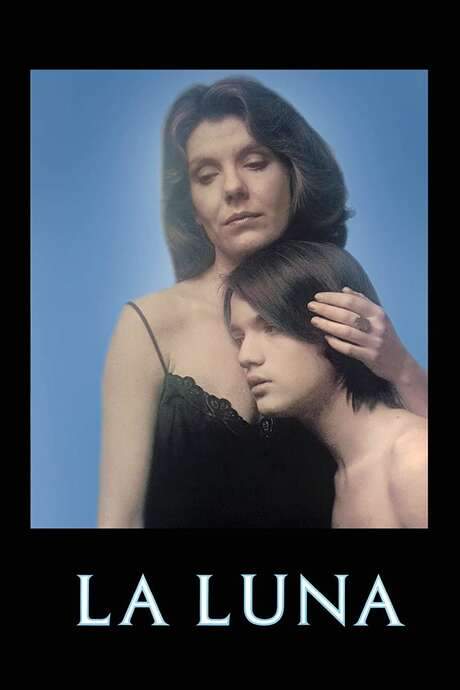
Luna caliente (2009) movie poster

Plot Summary

Luna caliente (2009) Plot Summary Explained

Release, runtime and language
2009 · 88 mins · Spanish
Loading streaming availability…
Directed by
Vicente Aranda
Starring
Eduard Fernández, Emilio Gutiérrez Caba, Jose Coronado, Mary Carmen Ramírez, Carla Sanchez, Thaïs Blume

In the autumn of 1970, Juan, a Spanish poet residing in Paris and employed by UNESCO, returns to his hometown of Burgos for a vacation. He finds the city swarmed by police and military forces as the Burgos process— a swift, summary trial targeting ETA members and other anti‑Franco militants—tightens its grip on the community.

On this page (6)
  1. 1 Where to watch
  2. 2 What happens: full plot
  3. 3 Plot questions answered
  4. 4 Movie threads
  5. 5 Movies like Luna caliente
  6. 6 Every angle
Loading streaming availability…

Full plot summary · contains spoilers

What Happens in Luna caliente: Full Plot Summary

The whole story of Luna caliente (2009) explained, from the opening scene to the final frame: every key event, every twist and what it all adds up to. Read it as a quick recap before the sequel, to check a scene you missed, or to finally understand what really happened.

Juan, a Spanish poet working for UNESCO in Paris, makes a return trip to his hometown of Burgos during the autumn of 1970. His visit coincides with a tense political climate, as the city is tightly monitored by police and military forces due to the ongoing Burgos process, a summary military trial targeting members of ETA and other anti-Franco militants. This atmosphere of repression sets the stage for a story filled with personal and political turmoil.

On his first night back, Juan shares a dinner with Dr. Muniente, played by Emilio Gutiérrez Caba, a longtime colleague and family friend. They dine at Dr. Muniente’s house located on the outskirts of Burgos, where he lives with his wife, Mary Carmen Ramírez, and their daughter, Ramona, a lively eighteen-year-old girl with a bold personality. The dinner takes a complicated turn when Ramona flirts openly with Juan, creating a tense but flirtatious atmosphere.

As the evening progresses, Juan prepares to leave but encounters mechanical issues with his rental car. Dr. Muniente kindly offers him shelter for the night, and Juan accepts, buoyed by Ramona’s provocative signals. However, during the night, Juan is unable to sleep and, driven by impulsive feelings, he sneaks into Ramona’s bedroom. She is unsurprised to see him and, initially receptive, allows him to become intimate with her. Unfortunately, the encounter takes a dark turn when Juan, overwhelmed and regretful, rapes Ramona, who is too frightened and shocked to resist. Her cries for help go unheard, with her mother sleeping soundly nearby and her father too intoxicated to notice.

Believing that he might have harmed Ramona fatally, Juan is visibly shaken and panics. He tries to flee the house, only to be confronted by Dr. Muniente, who remains unaware of what transpired that night. Dr. Muniente, in a drunken state, insists on going to a nearby brothel, and Juan, feeling trapped and confused, reluctantly agrees to drive him. Their journey is interrupted when they are stopped and questioned briefly by civil guards, but they are allowed to continue. As dawn breaks, Dr. Muniente’s insistence on partying intensifies, leading to a heated argument. In a moment of despair and rage, Juan strikes his heavily intoxicated friend and, in a desperate act, drives him to a bridge, places him at the wheel of the car, and pushes it into the river, killing him.

By early morning, Juan, overwhelmed by guilt and fear, hitchhikes back to his mother’s house. His sister, Cristina, played by Carla Sanchez, who secretly opposes Franco’s regime as part of an illicit Communist movement, is following the political news with concern, especially the Burgos process trial. Ramona, meanwhile, searches for Juan, expressing her feelings openly—she assures him she is uninjured, feels a genuine love for him, and does not regret what happened between them. She asks for understanding, revealing her passionate attachment despite the betrayal they’ve committed.

Ramona’s mother, frantic and desperate, is also searching for her missing daughter. Meanwhile, a police inspector is skeptical about Dr. Muniente's death, suspecting foul play rather than an accident. Juan finds himself under intense interrogation, with authorities pressing him for a confession. However, he is ultimately spared when Ramona comes forward with an alibi, shielding him from suspicion. On a parallel track, Juan’s sister is striving to escape Spain with the clandestine footage she has managed to acquire, exposing the brutalities of the Burgos trial in hopes of bringing international attention to the regime’s abuses.

Throughout this tense and emotional narrative, Juan's internal conflict unfolds amidst the backdrop of a repressive political environment. His actions and their consequences highlight themes of guilt, innocence, love, and betrayal in a society fraught with violence and repression. The film captures a snapshot of a personal tragedy set against the broader struggle for democracy and justice during a dark chapter in Spanish history.

Last updated: August 19, 2025 at 05:15

Was this helpful?

Plot questions answered

Luna caliente Plot Explained: Your Questions Answered

The questions people ask most about Luna caliente (2009): what happens in the confusing scenes, why the characters do what they do, the twists, hidden details and what the ending means. Each answer contains spoilers.

Q1

Why does Juan rape Ramona after she invited him into her bedroom?

Juan, unable to sleep and overwhelmed by impulsive desire, enters Ramona's bedroom. While Ramona initially appears receptive, the encounter turns violent when Juan assaults her. The text indicates she is too frightened and shocked to resist, and her cries for help go unheard. This act represents a profound betrayal of the hospitality extended to him by Dr. Muniente, and Juan immediately regrets his actions, realizing he has committed a serious crime.

Foreshadowing: Ramona's earlier flirtatious behavior, while consensual in nature, creates a misleading signal that Juan misinterprets as invitation.

  • juan
  • ramona
  • rape
  • assault
  • burgos
Q2

Why does Ramona give Juan an alibi after he assaults her?

Ramona comes forward with an alibi to protect Juan despite what he did to her. She tells him she is uninjured, expresses genuine love for him, and states she does not regret what happened between them. This puzzling behavior suggests complex psychological factors at play, her feelings appear genuinely conflicted between the violation she experienced and her emotional attachment, possibly complicated by her age and the oppressive social environment that may discourage reporting such crimes.

  • ramona
  • juan
  • alibi
  • protection
  • love
Q3

How does Dr. Muniente die in the film?

After the assault, Juan tries to flee but is confronted by Dr. Muniente, who is unaware of what happened and drunkedly insists on going to a brothel. During the drive, Juan and Dr. Muniente argue, and Juan strikes his heavily intoxicated friend. In a desperate act, Juan drives to a bridge, places Dr. Muniente at the wheel, and pushes the car into the river, killing him. The death is made to look like an accident.

Foreshadowing: Dr. Muniente's intoxication and insistence on visiting the brothel give Juan both the opportunity and the vulnerability he later exploits.

  • dr muniente
  • death
  • murder
  • bridge
  • river
Q4

Why does Juan kill Dr. Muniente after the assault on Ramona?

Juan is consumed by guilt and panic after assaulting Ramona. He believes he may have harmed her fatally and is desperate to escape. When Dr. Muniente demands to be driven to a brothel, Juan feels trapped and sees the situation spiraling out of control. The combination of his psychological state, the repressive political environment, and the fear of exposure drives him to violence as a desperate attempt to cover his tracks and flee the scene.

Foreshadowing: Juan's earlier panic and belief he may have killed Ramona set his mental state for violent action.

  • juan
  • dr muniente
  • murder
  • guilt
  • cover-up
Q5

What is the Burgos process mentioned in the movie?

The Burgos process was a real historical event, a summary military trial held in 1970 in Burgos, Spain, that targeted members of ETA (the Basque separatist organization) and other anti-Franco militants. The trial was known for its harsh sentences and was part of Franco regime's crackdown on political dissent. In the movie, this event creates the tense, repressive atmosphere that pervades the city, with heavy police and military presence affecting all the characters.

Foreshadowing: The movie opens with explicit reference to the political climate created by this trial.

  • burgos process
  • franca
  • eta
  • trial
  • repression
Q6

Why does Ramona say she loves Juan despite the assault?

Ramona's declaration of love despite the assault is one of the film's most disturbing and complex elements. She tells Juan she is not harmed and does not regret what happened, asking only for his understanding. This could reflect psychological trauma response, the power imbalance in their relationship, or her desire to rationalize the experience. The film leaves this deliberately ambiguous, focusing instead on the emotional confusion and the moral consequences for Juan.

  • ramona
  • juan
  • love
  • trauma
  • psychology
Q7

What happens to Juan after the police investigation?

Juan becomes the prime suspect in Dr. Muniente's death and undergoes intense interrogation. However, he is ultimately spared from arrest when Ramona provides him with an alibi, shielding him from suspicion. This allows him to escape legal consequences, though he remains morally condemned by his own guilt. The ending is ambiguous, he physically escapes but is emotionally trapped by his actions.

  • juan
  • ending
  • police
  • arrest
  • alibi
Q8

What is Juan's sister Cristina doing during the story?

Juan's sister Cristina is secretly involved in an illicit Communist movement opposing Franco's regime. She follows the Burgos process trial closely and manages to acquire secret footage documenting the brutalities of the trial. Her subplot runs parallel to Juan's personal tragedy, she is trying to escape Spain with this evidence to bring international attention to the regime's abuses, connecting the personal crime story to the broader political struggle.

Foreshadowing: Cristina's concern about the political news foreshadows her involvement in obtaining secret evidence.

  • cristina
  • sister
  • communist
  • resistance
  • burgos process
Q9

Why does the police inspector suspect Dr. Muniente's death was not an accident?

The police inspector is skeptical about Dr. Muniente's death being accidental. His suspicion likely stems from the circumstances: Dr. Muniente was heavily intoxicated, yet the car ended up on a bridge with him at the wheel. The inspector's doubts lead to Juan being interrogated as the prime suspect, creating a crucial tension point in the film as Juan faces the possibility of exposure.

  • police
  • inspector
  • investigation
  • suspicion
  • dr muniente
Q10

What does the title Luna caliente mean?

Luna caliente translates to 'Hot Moon' in English. The title reflects the intense, psychologically charged atmosphere of the film, 'hot' representing the passion, violence, and emotional turmoil, while 'moon' suggests the nocturnal settings where much of the action occurs, including the night of the assault and the early morning hours of the murder and its aftermath.

  • title
  • luna caliente
  • hot moon
  • meaning

Movie threads

More Movies Like Luna caliente, by Mood & Story

Curated lists built around what makes Luna caliente tick: the same mood, the same kind of story or the same emotional payoff. Each list explains why these movies belong together.

Claustrophobic moral thrillers like Luna caliente

One bad decision traps a protagonist in a tightening web of lies and panic. If you liked the intense pressure and moral collapse in Luna caliente, explore more movies like it. These stories feature characters who make a catastrophic choice, leading to a tense, fast-paced spiral of guilt, cover-ups, and psychological unraveling in a restrictive setting.

  • claustrophobic
  • tense
  • guilt-ridden
  • desperate
  • paranoid
  • anxious
  • Tone: dark, tense, desperate
  • Pacing: fast, relentless
Why these movies?

The story pattern: These narratives typically begin with a protagonist committing an irreversible act, often a crime of passion or opportunity. The story then follows the immediate and chaotic aftermath, focusing less on the investigation and more on the character's deteriorating mental state as they navigate a world that feels increasingly suffocating and hostile.

Why they belong together: Movies are grouped here because they share a core structure of a protagonist-turned-antagonist through a single event, a fast pacing that maintains high tension, and a dark, oppressive atmosphere where the central conflict is as much internal guilt as external threat.

Movies where personal crime meets political oppression like Luna caliente

A private moral crisis unfolds against the backdrop of a repressive society. Discover films similar to Luna caliente that blend a gripping personal crime story with a tense political backdrop. These movies use a repressive setting to heighten the stakes and thematic weight of a character's individual moral collapse and desperate struggle.

  • oppressive
  • tense
  • heavy
  • political
  • guilt
  • desperate
  • Tone: dark, oppressive, heavy
  • Pacing: steady to fast, driven
Why these movies?

The story pattern: The narrative pattern involves two parallel lines of tension: a intimate, personal story of a crime or moral failure, and a broader, systemic story of political control or social injustice. These layers interact, with the oppressive world making escape or redemption impossible, and the personal act serving as a rebellion or microcosm of the larger conflict.

Why they belong together: These films are connected by their dual-focus structure, blending a high-stakes personal thriller with significant political or social commentary. The shared mood is one of inescapable pressure, where the walls of both society and conscience close in simultaneously.

If you liked this

Movies Like Luna caliente

Similar movies to Luna caliente: the same genre, themes or kind of story. Each one comes with its own plot summary, timeline and ending explained.

Browse all movie summaries

Every angle

Luna caliente (2009) Explained: Plot, Timeline & Characters

Everything about Luna caliente in one place: what happens in the plot summary, the timeline in chronological order, the characters and meaning and a spoiler-free summary. What's After the Movie adds the cast, box office and post-credit scenes.

Coming soon on iOS and Android

The Plot Explained Movie Summary App

Plot summaries, endings explained and timelines on your phone. Catch up on any movie in minutes, save your favorites and never miss a twist again.

Be the first to know when we launch. Your email stays private, always.

Learn more about the app