Plot Explained Spoilers guaranteed!
Plot Explained

Browse by genre

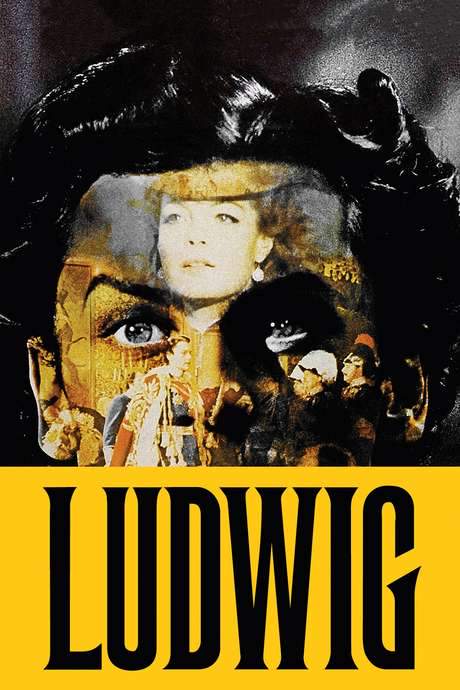
Ludwig – Requiem for a Virgin King (1972) movie poster

Characters & Themes

Ludwig – Requiem for a Virgin King (1972) Characters, Setting & Themes Explained

Release, runtime and language
1972 · 135 mins · German
Directed by
Hans-Jürgen Syberberg
Starring
Daniel Schmid, Monica Bleibtreu, Ingrid Caven, Peter Kern, Günther Kaufmann, Harry Baer

Set in an artificial, bombastically staged illusion that fuses Wagnerian music with glossy, satirical nods to contemporary time, the film revisits 19th‑century German figures and traditions. Stripped of mythic aura, they are reinterpreted through a 1972 German lens, revealing cultural contradictions in a stylized, larger‑than‑life world.

On this page (8)
  1. 1 Characters explained (7)
  2. 2 Where & when it takes place
  3. 3 Themes & meaning (3)
  4. 4 Character & meaning questions
  5. 5 Movie threads
  6. 6 Movies like Ludwig – Requiem for a Virgin King
  7. 7 Categories
  8. 8 Every angle

7 main characters · contains spoilers

Ludwig – Requiem for a Virgin King Characters Explained: Who Is Who

The main characters of Ludwig – Requiem for a Virgin King (1972), heroes and villains: what drives them, how they change over the course of the story and what each of them reveals about the film's bigger ideas.

  • Ludwig II of Bavaria (Harry Baer)

    The reclusive, romantically inclined king who channels his aesthetic obsessions into governance and culture, opposing industrialization. He is eccentric and melancholic, yet he seeks to stay connected with ordinary life through interactions with the people. His mounting debts and fragile health amplify paranoia, steering his decisions toward a tragic end.

    • 👑 Royalty
    • 🌀 Eccentricity
    • 💸 Debt
  • Lola Montez (Ingrid Caven)

    A seductive, provocative figure whose presence fuels scandal and a curse that anchors court intrigue. Her relationship with the king embodies temptation and destabilization at the center of power. Through her, the film explores how myth, desire, and rumor shape a monarch's fate.

    • 💃 Seduction
    • 🔮 Curse
    • 🎭 Intrigue
  • Richard Wagner (Gerhard Maerz)

    The renowned composer whose early support from Ludwig embodies the monarchy's patronage of art. His artistic ambitions clash with the court's political games, representing a fragile artistic idealism in a shifting political landscape.

    • 🎼 Music
    • 🎭 Art
    • 🧭 Patronage
  • Elisabeth of Austria (Sisi) (Monica Bleibtreu)

    A sympathetic cousin who aligns with Ludwig, offering empathy amid power struggles. She perceives Ludwig's tragedy and contrasts his romantic ideals with the harsh realities of politics and court life.

    • 👑 Royalty
    • 💖 Affection
    • 🕊️ Diplomacy
  • Otto (Sigi Graue)

    Ludwig's brother whose own mental illness fuels concerns about succession. He becomes a central figure in the aftermath of Ludwig's downfall, with regency dynamics shaping the early German Empire's future.

    • 🧠 Mental Health
    • 👥 Family
    • 👑 Succession
  • Otto von Bismarck (Peter Przygodda)

    The statesman navigating Bavaria's place within the German Empire, whose political maneuvering and diplomacy push for consolidation and broader integration.

    • 🗺️ Politics
    • 🧠 Statesmanship
    • ⚖️ Diplomacy
  • Luitpold, Prince Regent

    Ludwig's uncle who leads a faction of ministers plotting to assassinate the king to advance industrial reform. His role embodies political ambition and the brutal pragmatism behind state change.

    • 🗡️ Conspiracy
    • 🗺️ Politics
    • 🧭 Power

Last updated: October 05, 2025 at 08:27

Was this helpful?

Setting

Where and When Does Ludwig – Requiem for a Virgin King Take Place?

The setting of Ludwig – Requiem for a Virgin King (1972): the year and time period, the places and locations, and how they shape the characters, the mood and the tension of the story.

Time period

1864-1886

The events unfold during Ludwig II's reign, spanning from 1864 to his death in 1886, with the 1871 unification of Germany shaping the backdrop. It is a period marked by royal pageantry, extravagant art patronage, and courtly intrigue amid the early stages of industrialization. The era contrasts old-world monarchy with burgeoning modern politics and public opinion.

Location

Bavaria, Munich, Bavarian Court

The tale is set in the Bavarian court of Ludwig II, a world of opulent castles and ritualized power. It portrays Bavaria as a realm steeped in tradition and aesthetic glamour, separate from the encroaching modern mass society. The political climate shows a crossroad between monarchic grandeur and the rising push for industrial reform.

  • 🏰 Royal Court
  • 🗺️ Bavaria
  • 🏞️ Munich

Last updated: October 05, 2025 at 08:27

Was this helpful?

3 major themes

Ludwig – Requiem for a Virgin King Meaning: Themes & Message Explained

What is Ludwig – Requiem for a Virgin King (1972) really about? The emotional, social and philosophical themes the film keeps returning to, its symbolism and the message beneath the surface.

  • Monarchy vs Modernity

    The film centers on a clash between a traditional royal court and the forces of modernization pushing for industrial progress. Ludwig resists the changes sweeping through society, clinging to aesthetic ideals and ceremonial power. This tension drives political maneuvering, public perception, and ultimately the king's fragile hold on his throne.

  • Betrayal and Conspiracy

    A group of ministers led by Ludwig's uncle Luitpold schemes to remove the king so Bavaria can industrialize. The plot reveals how power structures inside the court justify ruthless methods in the name of progress. Personal loyalties erode as ambition and state interests collide, culminating in a dramatic downfall.

  • Fate and Legend

    Three norns introduce a curse over Ludwig, framing his reign as doomed from the start. The narrative leans on myth and prophecy to explain the king's decisions and his isolation from a changing world. The cursed fate mirrors the inevitable collapse of a monarchy outpaced by history.

Last updated: October 05, 2025 at 08:27

Was this helpful?

Character & theme questions

Ludwig – Requiem for a Virgin King Characters & Meaning: Your Questions Answered

The questions people ask about Ludwig – Requiem for a Virgin King (1972): who the characters really are, their relationships, what the symbols mean, where it takes place and what the movie is really about. Each answer contains spoilers.

Q1

Where is the film set?

The film takes place in the Bavarian court of Ludwig II, primarily in Munich and the surrounding royal palaces of Bavaria. The setting portrays an opulent world of castles and ritualized power, depicting Bavaria as a realm steeped in tradition and aesthetic glamour that exists separate from the encroaching modern mass society.

  • bavarian court
  • munich
  • Bavaria
  • setting
  • Ludwig II palace
Q2

What time period does the movie cover?

The events span Ludwig II's reign from 1864 to his death in 1886, with the 1871 unification of Germany serving as a pivotal backdrop. This era was marked by royal pageantry, extravagant art patronage, and courtly intrigue amid the early stages of industrialization, contrasting old-world monarchy with burgeoning modern politics.

  • 1864-1886
  • 19th century
  • German unification
  • Bavaria
  • historical period
Q3

What is the main theme about monarchy and modernization?

The film centers on the clash between Ludwig II's traditional royal court and the forces of modernization pushing for industrial progress. Ludwig clings to aesthetic ideals and ceremonial power while resisting the changes sweeping through society, creating tension that drives political maneuvering and ultimately threatens his hold on the throne.

  • monarchy
  • modernization
  • industrialization
  • Ludwig II
  • political conflict
  • tradition
Q4

What is the conspiracy against Ludwig II about?

A group of ministers led by Ludwig's uncle Luitpold schemes to remove the king so Bavaria can industrialize. The plot reveals how power structures justify ruthless methods in the name of progress, with personal loyalties eroding as ambition and state interests collide, leading to the king's dramatic downfall.

  • Luitpold
  • betrayal
  • conspiracy
  • assassination
  • regency
  • Bavaria industrialization
Q5

How does fate and prophecy factor into the story?

Three norns introduce a curse over Ludwig, framing his reign as doomed from the start. The narrative uses myth and prophecy to explain the king's decisions and his isolation from a changing world, with his cursed fate mirroring the inevitable collapse of a monarchy outpaced by history.

  • norns
  • curse
  • fate
  • prophecy
  • legend
  • myth
  • Ludwig II destiny
Q6

Who is Ludwig II in the film?

Ludwig II is portrayed as a reclusive, romantically inclined king who channels his aesthetic obsessions into governance and culture, opposing industrialization. He is eccentric and melancholic, seeking connection with ordinary life while his mounting debts and fragile health amplify paranoia, steering his tragic course.

  • Ludwig II
  • king
  • Bavaria
  • eccentric
  • aesthetic
  • melancholy
  • 债务
  • mental health
Q7

What role does Lola Montez play?

Lola Montez appears as a seductive, provocative figure whose presence fuels scandal and anchors the curse that drives court intrigue. Her relationship with the king embodies temptation and destabilization at the center of power, exploring how myth, desire, and rumor shape a monarch's fate.

  • Lola Montez
  • temptation
  • scandal
  • curse
  • court intrigue
  • Ingrid Caven
Q8

Who is Luitpold in relation to Ludwig?

Luitpold is Ludwig II's uncle who leads a faction of ministers plotting to assassinate the king to advance industrial reform. His role embodies political ambition and the brutal pragmatism behind state change, representing the forces of modernization that oppose the king's aesthetic reign.

  • Luitpold
  • Prince Regent
  • uncle
  • assassination
  • regency
  • Bavaria politics
Q9

What is Richard Wagner's relationship to Ludwig?

Richard Wagner represents the monarchy's patronage of art, having received early support from Ludwig. His artistic ambitions clash with the court's political games, symbolizing the fragile artistic idealism existing within a shifting political landscape dominated by power struggles and modernization demands.

  • Richard Wagner
  • composer
  • patronage
  • art
  • music
  • cultural support
Q10

What role does Otto von Bismarck play?

Otto von Bismarck appears as the statesman navigating Bavaria's place within the newly formed German Empire. His political maneuvering and diplomacy push for consolidation and broader integration of Bavaria into the unified German state, representing the broader imperial pressures confronting Ludwig's isolated realm.

  • Bismarck
  • German Empire
  • unification
  • politics
  • Bavaria integration
  • statesman
Q11

How would you describe the film's visual style?

The film is set in an artificial, bombastically staged illusion that fuses Wagnerian music with glossy, satirical nods to contemporary 1972 Germany. Historical 19th-century figures and traditions are stripped of mythic aura and reinterpreted through a modern lens, revealing cultural contradictions in a stylized, larger-than-life world.

  • style
  • satire
  • Wagnerian
  • avant-garde
  • 1972
  • visual
  • anachronistic
  • theatrical
Q12

What happens to Ludwig's brother Otto?

Ludwig's brother Otto, portrayed as suffering from mental illness, becomes a central figure in the aftermath of Ludwig's downfall. His condition fuels succession concerns and shapes the regency dynamics that influence the early German Empire's future, serving as both a political tool and a symbol of the family's tragic decline.

  • Otto
  • brother
  • succession
  • mental illness
  • regency
  • Bavaria royal family

Movie threads

More Movies Like Ludwig – Requiem for a Virgin King, by Mood & Story

Curated lists built around what makes Ludwig – Requiem for a Virgin King tick: the same mood, the same kind of story or the same emotional payoff. Each list explains why these movies belong together.

Stylized historical dramas like Ludwig – Requiem for a Virgin King

Historical figures and events reimagined through a bold, artificial, and satirical lens. Explore movies like Ludwig – Requiem for a Virgin King that use artificial staging and a satirical perspective to revisit historical events. These similar films share a complex, melancholic tone and create a stylized world to deconstruct myths and explore cultural contradictions.

  • stylized
  • dreamlike
  • mythic
  • satirical
  • melancholic
  • oppressive
  • Tone: melancholic, satirical
  • Pacing: variable, reflective
Why these movies?

The story pattern: These narratives typically follow a historical figure or event, but the story unfolds within a consciously artificial world. The plot is often less about linear events and more about exploring themes of power, decay, and the construction of myth. The journey is intellectual and aesthetic, leading to a critical, and often bleak, conclusion about the nature of history.

Why they belong together: They are grouped by their shared approach to history: a deliberate departure from realism in favor of a stylized, often theatrical presentation. They connect through their complex, melancholic mood, their use of satire, and their focus on deconstructing established legends to reveal darker truths.

Movies about the tragic downfall of a king like in Ludwig – Requiem for a Virgin King

Stories of eccentric leaders crushed by the political realities they cannot escape. If you liked the story of King Ludwig's isolation and tragic end, discover other films about lonely rulers and eccentric leaders. These movies share a heavy emotional weight, a melancholic tone, and explore themes of artistic patronage versus political duty.

  • lonely
  • oppressive
  • melancholic
  • tragic
  • defiant
  • conspiratorial
  • Tone: melancholic, bleak
  • Pacing: variable, with slow introspection and tense climax
Why these movies?

The story pattern: The plot follows the arc of a singular, often eccentric leader who is out of step with their court or government. As external pressures mount through political scheming and debt, the protagonist's mental state deteriorates. The story is a slow-burn tragedy, culminating in a climax of betrayal, assassination, or forced abdication, highlighting the fragility of power and the cost of idealism.

Why they belong together: These films are connected by their core character arc: the tragic demise of a lonely ruler. They share a heavy emotional weight, a bleak ending feel, and a high intensity driven by political conspiracy and psychological decline. The central conflict between artistic obsession and political reality is a key unifying element.

If you liked this

Movies Like Ludwig – Requiem for a Virgin King

Similar movies to Ludwig – Requiem for a Virgin King: the same genre, themes or kind of story. Each one comes with its own plot summary, timeline and ending explained.

Browse all movie summaries

Categories

Movie Lists Featuring Ludwig – Requiem for a Virgin King

Ludwig – Requiem for a Virgin King appears in these hand-built movie categories. Each one groups movies by a specific mood, theme or story type, with their plot summaries and endings explained.

View all movie categories

Every angle

Ludwig – Requiem for a Virgin King (1972) Explained: Plot, Timeline & Characters

Everything about Ludwig – Requiem for a Virgin King in one place: what happens in the plot summary, the timeline in chronological order, the characters and meaning and a spoiler-free summary. What's After the Movie adds the cast, box office and post-credit scenes.

Coming soon on iOS and Android

The Plot Explained Movie Summary App

Plot summaries, endings explained and timelines on your phone. Catch up on any movie in minutes, save your favorites and never miss a twist again.

Be the first to know when we launch. Your email stays private, always.

Learn more about the app