







Plot Explained Spoilers guaranteed!
Plot Explained

Browse by genre

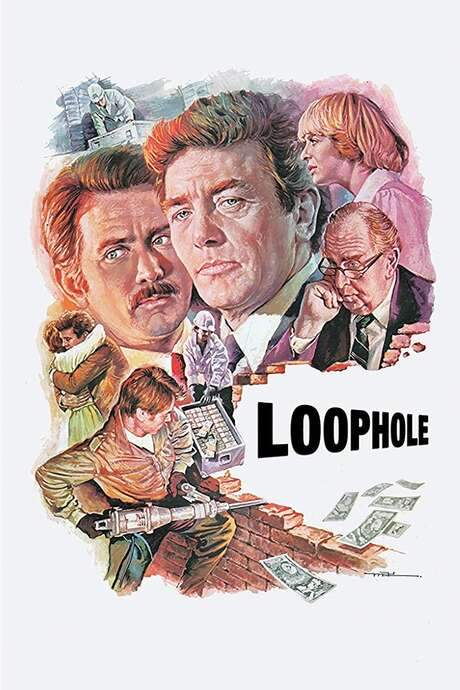
Loophole (1981) movie poster

Characters & Themes

Loophole (1981) Characters, Setting & Themes Explained

Release, runtime and language
1981 · 105 mins · English
JustWatch #20,292 8
Directed by
John Quested
Starring
Martin Sheen, Robert Morley, Colin Blakely, Albert Finney, Jonathan Pryce, Susannah York

When architect Stephen Booker loses his partnership and can’t find work, his finances dwindle. Desperate, he is unwittingly drawn into a daring plot to rob one of London’s largest bank vaults, giving him a single chance to pull off the ultimate heist.

On this page (8)
  1. 1 Where to watch
  2. 2 Characters explained (6)
  3. 3 Where & when it takes place
  4. 4 Themes & meaning (4)
  5. 5 Character & meaning questions
  6. 6 Movie threads
  7. 7 Movies like Loophole
  8. 8 Every angle

Where to watch

Where to Watch Loophole (1981)

Where can you watch Loophole? Stream, rent or buy it in the US, including on Amazon Prime Video, Plex and Tubi TV: current JustWatch availability with up-to-date prices.

Streaming availability powered by JustWatch

6 main characters · contains spoilers

Loophole Characters Explained: Who Is Who

The main characters of Loophole (1981), heroes and villains: what drives them, how they change over the course of the story and what each of them reveals about the film's bigger ideas.

  • Stephen Booker (Martin Sheen)

    An architect by trade who becomes the mastermind behind locating the vault. He is initially reluctant, agreeing to the plan only if no violence is used, and is pressured by his bank manager and family obligations. His preference for careful strategy clashes with Daniels’ ambition and Gardner's surveillance. He ends up staying in the vault during the flood, showing resolve and risk.

    • 🧭 Architect
    • 🧠 Strategist
  • Mike Daniels (Albert Finney)

    Leader of the crew and the driving force behind the robbery; he orchestrates the plan and keeps the crew focused on the prize. He pushes forward despite the risks and the initial low gains. His ambition and confidence shape the course of the operation.

    • 🗝️ Mastermind
    • 💰 Ambitious
  • Gardner (Colin Blakely)

    The lookout who monitors from a rented office, coordinating movement and timing. He acts as the link between surface and underground actions, ensuring timing stays intact.

    • 👁️ Surveillance
    • 🗂️ Coordinator
  • Harry (Alfred Lynch)

    One of the robbers who is injured by sewer gas and later seen floating away, presumed dead. His fate underscores the human cost of the plan and the dangers of the underground environment.

    • 🧰 Robber
    • 💨 Sewer danger
  • Dinah Booker (Susannah York)

    Booker’s wife who is pushing for a new business venture, creating external financial pressure and motivating Booker to take decisive action.

    • 👩‍💼 Partner
    • 💼 Entrepreneurial
  • Godfrey (Robert Morley)

    The bank manager who pressures Booker and influences the financial stakes of the plan; his role adds institutional tension to the heist.

    • 👔 Bank Manager
    • 🕵️ Authority

Last updated: February 18, 2026 at 23:21

Was this helpful?

Setting

Where and When Does Loophole Take Place?

The setting of Loophole (1981): the year and time period, the places and locations, and how they shape the characters, the mood and the tension of the story.

Time period

Location

Bank vault, Main sewer, Booker's studio, Rented office

The film centers on a downtown bank and its subterranean vault accessed via the main sewer. A rented nearby office coordinates the plan, while Booker operates from a nearby studio. A boat-dealer provides equipment, linking surface operations to the underground heist.

  • 💼 Bank
  • 🚰 Sewer
  • 🎨 Studio
  • 🏢 Office

Last updated: February 18, 2026 at 23:21

Was this helpful?

4 major themes

Loophole Meaning: Themes & Message Explained

What is Loophole (1981) really about? The emotional, social and philosophical themes the film keeps returning to, its symbolism and the message beneath the surface.

  • Planning

    Booker’s architectural skill enables precise pinpointing of the vault's underground location. The plan relies on underground access, sewer routes, and careful timing, coordinated from a rented office. The crew’s success depends on meticulous preparation and technical know-how rather than brute force. This emphasis on procedure makes the heist as much a test of intellect as of nerve.

  • Greed

    Daniels is driven by the lure of money, pushing the crew toward a risky plan despite limited gains. The potential riches blind the robbers to mounting hazards, including surveillance, alarms, and police interest. The downpour and flooding create moral and practical peril that greed cannot mitigate. The tension centers on whether the prize justifies the peril.

  • Nonviolence

    Booker insists that no violence be used, shaping the operation into a stealth-focused crime. The crew must rely on timing, precision, and restraint to succeed, testing their ethics under pressure. This boundary creates moral tension when the environment becomes adversarial. The film uses this constraint to explore the costs of crime carried out without force.

  • Nature's Interference

    A heavy rainstorm unleashes a flood in the sewer as the heist unfolds. Water rushes through the tunnels, threatening to trap the crew and scupper the plan. The weather turns the mission into a race against time and nature. The fate of the loot and crew hangs on whether the water recedes in time.

Last updated: February 18, 2026 at 23:21

Was this helpful?

Character & theme questions

Loophole Characters & Meaning: Your Questions Answered

The questions people ask about Loophole (1981): who the characters really are, their relationships, what the symbols mean, where it takes place and what the movie is really about. Each answer contains spoilers.

Q1

Where does the heist take place?

The heist targets a downtown London bank with its vault located underground. The criminals access the vault through the main sewer system that runs beneath the city. A rented office nearby serves as the coordination center, while Stephen Booker operates from his studio to pinpoint the vault's exact underground location.

  • london bank
  • sewer
  • vault
  • heist location
  • underground
Q2

Why does Stephen Booker agree to the heist?

Booker, a qualified architect, has lost his partnership and cannot find work, causing his finances to dwindle desperately. His wife Dinah is pushing for a new business venture, adding financial pressure. When bank manager Godfrey pressures him, Booker becomes vulnerable to the heist proposal. He agrees primarily because his financial situation leaves him no other viable options.

  • stephen booker
  • architect
  • finances
  • desperation
  • money
Q3

What condition does Booker set for participating in the robbery?

Stephen Booker insists that no violence be used throughout the entire operation. This condition shapes the heist into a stealth-focused crime relying on timing, precision, and careful planning rather than force or confrontation. The constraint creates ongoing moral tension as the crew faces dangerous situations underground.

  • booker
  • nonviolence
  • condition
  • no violence
  • ethics
Q4

Who is Mike Daniels and what drives him?

Mike Daniels is the leader of the robbery crew and the driving force behind the operation. He orchestrates the plan and keeps the crew focused on the potential financial reward. Despite the risks and initially low gains, Daniels pushes forward aggressively, driven primarily by the lure of money and the ambition to pull off a major heist.

  • mike daniels
  • crew leader
  • greed
  • money
  • motivation
Q5

What role does the weather play in the story?

A heavy rainstorm unleashes a flood in the sewer system precisely as the heist unfolds. The rising water threatens to trap the crew underground and destroy their plan. This natural disaster turns the mission into a desperate race against time and nature, adding physical danger beyond the criminal risks already present.

  • flood
  • rain
  • sewer
  • weather
  • nature
  • danger
Q6

How does the film approach the heist planning?

The heist relies heavily on meticulous preparation, technical know-how, and intellectual problem-solving rather than brute force. Booker uses his architectural expertise to precisely locate the vault underground. The crew coordinates timing carefully from a rented office, with Gardner acting as lookout. The planning emphasizes procedure and precision, making the robbery as much a test of intellect as of nerve.

  • planning
  • architecture
  • preparation
  • precision
  • intel
Q7

What happens to Harry during the heist?

Harry is one of the robbers who enters the sewer during the heist. He is seriously injured by sewer gas and later is seen floating away in the water, presumed dead. His fate underscores the dangerous human cost of the operation and highlights the perilous underground environment that threatens the entire crew.

  • harry
  • sewer gas
  • death
  • crew member
  • danger
Q8

What moral questions does the film explore?

The film examines the moral costs of crime carried out without violence. While Booker insists on nonviolence, the heist still involves coercion, desperate choices, and tangible consequences. The crew faces an adversarial environment that tests their ethics. Even when successful, the unresolved psychological and moral toll on Booker prevents the ending from being purely satisfying.

  • morality
  • ethics
  • nonviolence
  • consequences
  • crime
Q9

How does the film portray greed?

The film shows how the potential riches blind the robbers to mounting hazards including surveillance, alarms, and police interest. Daniels pushes the crew toward a risky plan despite limited initial gains. The downpour and flooding create moral and practical peril that greed cannot mitigate, forcing the characters to confront whether the prize justifies the danger.

  • greed
  • risk
  • money
  • danger
  • reward

Movie threads

More Movies Like Loophole, by Mood & Story

Curated lists built around what makes Loophole tick: the same mood, the same kind of story or the same emotional payoff. Each list explains why these movies belong together.

Methodical desperation heists like Loophole

Stories of ordinary people pushed to plan the ultimate crime out of financial ruin. If you liked the tense, methodical planning and desperate motivations in Loophole, you'll enjoy these movies. They feature similar stories of ordinary individuals, like architects or average Joes, forced into a high-stakes crime to escape financial ruin, focusing on the careful execution and moral consequences.

  • desperate
  • methodical
  • tense
  • claustrophobic
  • anxious
  • suspenseful
  • Tone: tense, grim
  • Pacing: steady, methodical
Why these movies?

The story pattern: The narrative follows a linear path from a desperate situation, through the meticulous assembly of a plan and crew, to the tense execution of the crime, often culminating in an ending that is morally ambiguous or bittersweet, reflecting the cost of the protagonist's actions.

Why they belong together: Movies in this thread are grouped by their shared core of a desperate protagonist orchestrating a detailed, methodical heist. They blend the tension of a crime thriller with the emotional weight of a character drama, creating a specific vibe of calculated risk under pressure.

Movies about moral ambiguity like Loophole

Character-driven dramas where a criminal act leaves a lingering psychological toll. Fans of Loophole who enjoyed its exploration of moral compromise will find similar themes here. These films focus on the psychological fallout of a crime, featuring tense, character-driven narratives where a seemingly successful outcome is undercut by a sense of loss and ethical ambiguity.

  • tense
  • moral ambiguity
  • psychological
  • anxious
  • uneasy
  • consequential
  • Tone: tense, ambiguous
  • Pacing: steady, character-driven
Why these movies?

The story pattern: The narrative structure often presents a clear 'before and after' the crime. While the plot may involve the execution of the act, the emotional core is the protagonist's internal conflict and the unresolved consequences that prevent a clean, happy ending, resulting in a mixed or bittersweet feel.

Why they belong together: These movies are connected by their deep dive into the protagonist's psyche after a morally questionable act. They share a tense, steady atmosphere and a medium emotional weight, prioritizing the lingering unease and ambiguous resolution over simple triumph or failure.

If you liked this

Movies Like Loophole

Similar movies to Loophole: the same genre, themes or kind of story. Each one comes with its own plot summary, timeline and ending explained.

Browse all movie summaries

Every angle

Loophole (1981) Explained: Plot, Timeline & Characters

Everything about Loophole in one place: what happens in the plot summary, the timeline in chronological order, the characters and meaning and a spoiler-free summary. What's After the Movie adds the cast, box office and post-credit scenes.

Coming soon on iOS and Android

The Plot Explained Movie Summary App

Plot summaries, endings explained and timelines on your phone. Catch up on any movie in minutes, save your favorites and never miss a twist again.

Be the first to know when we launch. Your email stays private, always.

Learn more about the app