Plot Explained Spoilers guaranteed!
Plot Explained

Browse by genre

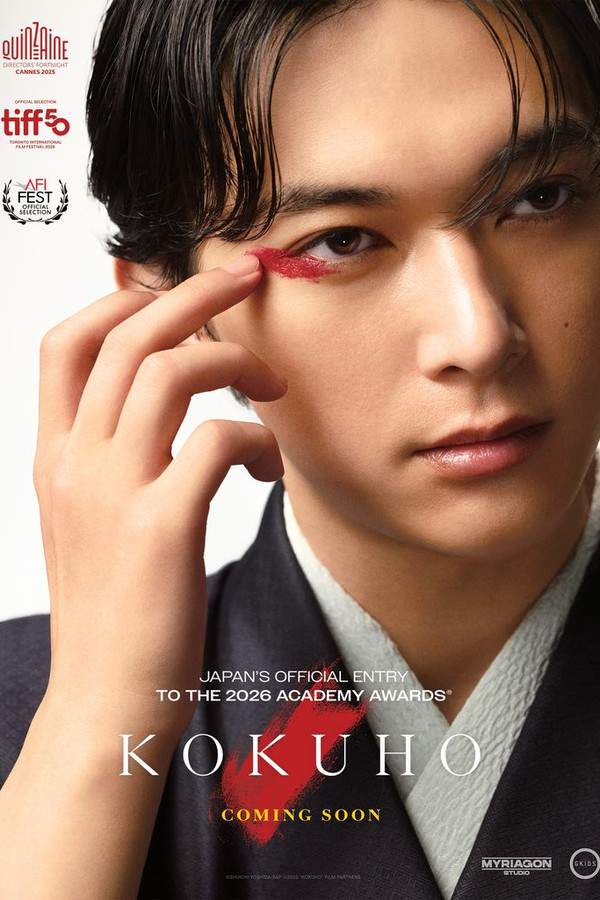
Kokuho (2025) movie poster

Timeline

Kokuho (2025) Timeline Explained – Every Event in Order

Release, runtime and language
2025 · 2 h 54 m · Japanese
Echo score 78
Directed by
Lee Sang-il, Sang-il Lee
Starring
Ken Watanabe, Kyûsaku Shimada, Nana Mori, Shinobu Terajima, Min Tanaka, Masatoshi Nagase
Budget
$8M

Nagasaki, 1964. After his yakuza‑boss father dies, 14‑year‑old Kikuo is taken under the wing of a celebrated Kabuki actor. Together with the actor’s only son, Shunsuke, he commits to mastering the traditional theatre. Over the ensuing decades they train, perform and confront the clash between their criminal roots and the disciplined world of Kabuki, shaping each other’s lives from acting school to the stage.

On this page (5)
  1. 1 Events in order (15)
  2. 2 Timeline questions answered
  3. 3 Movie threads
  4. 4 Movies like Kokuho
  5. 5 Every angle

15 events in order · contains spoilers

Kokuho Timeline: Events in Chronological Order

Every key event of Kokuho (2025) in order, scene by scene, with when and where it takes place. Use it to untangle flashbacks, time jumps and parallel storylines, to refresh your memory before the sequel or to find the exact scene you are thinking of.

  1. New Year gathering and tragedy at Tachibana

    Renowned kabuki actor Hanai Hanjiro II visits the Tachibana yakuza group for a New Year gathering. Kikuo Tachibana performs an excerpt of Barrier Gate with yakuza youth Tokuji, and Hanjiro is impressed enough to request a private conversation after the show. Suddenly, rival yakuza attack, killing Gongōro, Kikuo’s father, while Hanjiro and Kikuo watch in shock.

    When
    New Year gathering
    Where
    Tachibana yakuza HQ
  2. Tattoo and vow for revenge

    In the wake of Gongōro's death, Kikuo tattoos an eagle owl on his back, a symbol of gratitude for favors returned. He resolves to take revenge on the rival yakuza with Tokuji, despite Harue's protests about vengeance and its costs. The decision marks a dark turning point in his life.

    When
    soon after Gongōro's death
  3. Apprenticeship begins

    A year after the tragedy, at age 15, Kikuo is taken on as an apprentice by Hanjiro within the Tanba-ya Kabuki house. Sachiko resents the outsider status and the yakuza bloodline, which Kabuki culture values. Kikuo is given the stage name Toichiro and begins training alongside Shunsuke (Hanya).

    When
    one year after Gongōro's death
    Where
    Tanba-ya Kabuki house
  4. Early mentorship and Mangiku's warning

    Raised together, Kikuo and Shunsuke form a close but competitive bond during rigorous training. They attend Mangiku's Heron Maiden, where the renowned onnagata warns that beauty can become a downfall if not tempered by discipline. The experience deepens their resolve to master the craft.

    When
    early in training
    Where
    Mangiku's venue
  5. Teahouse encounter

    At a teahouse, geisha Fujikoma expresses admiration for Kikuo and hints at a potential romantic connection. The encounter adds complexity to Kikuo's relationships and fuels his dedication to kabuki as he navigates personal ties.

    When
    early in training
    Where
    teahouse
  6. First major ensemble debut

    Sachiko and Hanjiro pair Kikuo and Shunsuke as the onnagata duo 'Tohan'. They debut with Wisteria Maiden, earning praise and establishing themselves as rising stars in the kabuki world. The success marks a turning point toward broader opportunities.

    When
    debut year
    Where
    theatre
  7. Mitomo invitation and hereditary caution

    The Mitomo corporation, via Umeki, takes notice of the ToHan duo and offers them a chance to perform Ninin Dojoji at Osaka Shochikuza Theatre. Takeno admonishes the idea that kabuki success should be purely hereditary, foreshadowing tensions about lineage and legitimacy.

    When
    negotiations before debut
    Where
    Osaka Shochikuza Theatre
  8. Debut success and Harue's hesitation

    The ToHan duo debuts to wide acclaim, rapidly becoming popular as audiences respond to their chemistry and skill. Kikuo asks Harue to marry him, but she hesitates, torn between love and the uncertain pressures of rising fame.

    When
    aftermath of debut
  9. Accident and underdog promotion

    Hanjiro suffers a traffic accident but survives, leaving him unable to perform leading roles. He unexpectedly chooses Kikuo to replace Shunsuke as the lead in The Love Suicides at Sonezaki, triggering tension among the mentor, his wife, and the trainee.

    When
    after accident
    Where
    the theatre
  10. Pivotal performance and fracturing bonds

    Kikuo delivers a stunning Ohatsu performance, but Shunsuke feels eclipsed and withdraws from the theatre, with Harue choosing to comfort him. The successful performance sharpens the rift between Kikuo and Shunsuke as ambition clashes with loyalty.

    When
    during Love Suicides performance
    Where
    Sonezaki theatre
  11. Eight years later and succession

    Eight years pass and Shunsuke remains absent. Hanjiro, now nearly blind from diabetes, wishes for Kikuo to inherit the title Hanai Hanjiro III. Despite Sachiko's disapproval, Kikuo accepts, shouldering his master's debts and responsibilities.

    When
    eight years later
    Where
    Tanba-ya Kabuki house
  12. Ayase, shrine wish, and Akiko

    Kikuo visits Fujikoma and meets his daughter Ayase, to whom he makes a shrine vow to become Japan's best kabuki actor. He also begins a romance with Akiko, the daughter of a prominent kabuki investor, provoking her father's disapproval and threatening their relationship.

    When
    post-succession
    Where
    Fujikoma's place; shrine
  13. Succession parade and Hanjiro's death

    At the succession parade, Ayase runs to her father but is restrained by Fujikoma. Hanjiro vomits blood, halting the ceremony, as Shunsuke returns and Kikuo contends with a deepening sense of loss and responsibility in Mangiku's watchful presence.

    When
    succession ceremony
    Where
    succession parade
  14. Decline, comeback, and mentoring

    Public opinion turns against Kikuo due to his yakuza past, tattoo, and illegitimate daughter, causing him to lose leads and withdraw from the stage. Mangiku later invites him back, and Kikuo reconnects with Shunsuke as the 'Han-han' duo, also coaching Shunsuke's son while balancing basketball distractions.

    When
    years later
    Where
    Kabuki circuit
  15. 2014: legacy secured and Heron Maiden finale

    Sixteen years after the earlier upheavals, in 2014, Shunsuke is posthumously granted the title Hanai Byakko V. Kikuo is named a kokuho and prepares to perform Heron Maiden in his honor. Ayase, now a photographer, interviews him about the scenery he seeks, revealing lingering emotional ties. Kikuo then performs Heron Maiden to a full house, ending with a snowfall vision that underscores his artistic triumph.

    When
    2014
    Where
    the stage; Ayase's interview

Last updated: December 04, 2025 at 15:32

Was this helpful?

Timeline questions answered

Kokuho Timeline Explained: Your Questions Answered

When does it happen, and why in that order? The questions people ask about the chronology of Kokuho (2025): time jumps, flashbacks, cause and effect between scenes and the correct order of events, each answered with spoilers.

Q1

Why does Kikuo decide to become a kabuki actor after his father is killed?

Kikuo decides to become a kabuki actor because Hanjiro Hanai II, a renowned onnagata, witnesses his performance at the Tachibana yakuza New Year gathering and is impressed by his talent. After Kikuo's father Gongoro is killed by rival yakuza, Hanjiro offers to take the young heir under his wing. This apprenticeship gives Kikuo a path forward that channels his grief into art rather than seeking direct revenge, though he initially vows revenge with his friend Tokuji.

Foreshadowing: Hanjiro's interest in Kikuo's performance during the New Year gathering sets the foundation for this life-changing opportunity.

  • Kikuo kabuki apprenticeship
  • Hanjiro Hanai
  • Tachibana yakuza
  • gongoro death
Q2

What does the eagle owl tattoo on Kikuo's back symbolize?

Kikuo gets the eagle owl tattoo shortly after his father's death as a symbol of gratitude and the concept that debts are never truly settled. The owl represents his vow to honor his father's memory and the obligation he feels to eventually seek vengeance against the rival yakuza who killed Gongoro. The tattoo becomes a defining mark that follows him throughout his kabuki career and later creates controversy when public opinion turns against him.

Foreshadowing: The tattoo foreshadows how Kikuo's yakuza background will continue to haunt his artistic aspirations.

  • eagle owl tattoo
  • Kikuo Tachibana
  • gratitude symbol
  • yakuza mark
Q3

Why does Hanjiro choose Kikuo to lead The Love Suicides at Sonezaki instead of his own son Shunsuke?

Hanjiro chooses Kikuo to play the lead role of Ohatsu after a traffic accident leaves him unable to perform. Despite Shunsuke being his biological son and having trained longer, Hanjiro recognizes Kikuo's exceptional talent and believes he can deliver the most powerful performance. This decision, though made out of artistic judgment, creates deep resentment between Kikuo and Shunsuke, as Shunsuke feels betrayed by his own father and eclipsed by the outsider.

Foreshadowing: This pivotal moment plants the seeds for Shunsuke's eventual departure from the theatre.

  • Hanjiro succession
  • Ohatsu role
  • Love Suicides at Sonezaki
  • Shunsuke betrayal
Q4

Why does Shunsuke withdraw from kabuki after Kikuo's successful performance?

Shunsuke withdraws from kabuki because he feels betrayed and eclipsed when Hanjiro chooses Kikuo, an outsider with yakuza blood, to play the lead role of Ohatsu instead of him. Despite Kikuo delivering a stunning performance that earns acclaim, Shunsuke cannot accept being passed over for someone who entered the family later. His departure marks the fracturing of their brotherhood-like bond and creates an eight-year rift between them.

Foreshadowing: The tension established during their early training years, where rivalry coexisted with brotherhood, erupts into this permanent split.

  • Shunsuke leaves
  • Tohan duo breakup
  • Hanya character
  • kabuki rivalry
Q5

How does Kikuo eventually become a kokuho?

Kikuo becomes a kokuho, the highest rank in kabuki, after decades of struggle. After Shunsuke returns and they reform their partnership as the Han-han duo, Kikuo continues performing despite public criticism of his yakuza background, tattoo, and illegitimate daughter. By 2014, after Shunsuke's death, Kikuo receives the prestigious kokuho recognition for his mastery of the art form, culminating in his performance of Heron Maiden in Shunsuke's honor.

Foreshadowing: The earlier warning from Mangiku about beauty becoming a downfall if not tempered by discipline reflects Kikuo's long journey to true mastery.

  • kokuho title
  • Hanai Hanjiro III
  • kabuki master
  • Heron Maiden 2014
Q6

What happens to Shunsuke by the end of the story?

Shunsuke's diabetes worsens over time, eventually requiring amputation of his left foot and later affecting his right foot. Despite his declining health, he continues performing with Kikuo in the Han-han duo, delivering acclaimed performances even as he collapses from pain. In 2014, he dies and is posthumously named Hanai Byakko V, with Kikuo performing Heron Maiden in his honor.

Foreshadowing: The earlier accident where Shunsuke cannot climb the ladder during Ninin Dojoji hints at his deteriorating health.

  • Shunsuke death
  • diabetes
  • Hanai Byakko V
  • Han-han duo
Q7

Who is Ayase and what is her relationship with Kikuo?

Ayase is Kikuo's illegitimate daughter, born from his relationship with geisha Fujikoma early in his training. Kikuo meets Ayase when he visits Fujikoma and makes a shrine vow to become Japan's best kabuki actor in her presence. By 2014, Ayase has become a photographer who interviews Kikuo and takes his photograph during his Heron Maiden performance, though their relationship remains complicated and somewhat distant.

Foreshadowing: The teahouse encounter with Fujikoma hints at the romantic connection that leads to Ayase's birth.

  • Ayase daughter
  • Fujikoma geisha
  • Kikuo family
  • illegitimate child
Q8

Why does public opinion turn against Kikuo during his career?

Public opinion turns against Kikuo due to his yakuza background, the visible eagle owl tattoo on his back, and the revelation of his illegitimate daughter Ayase. These elements clash with the idealized, refined image expected of kabuki performers who embody traditional elegance. Critics and audiences question whether someone with such a criminal past and scandalous personal life can truly represent the purity of the art form.

Foreshadowing: The Mitomo corporation's earlier warning about hereditary limits and the tension surrounding bloodline in kabuki foreshadows this conflict.

  • yakuza background
  • public criticism
  • kabuki image
  • tattoo controversy
Q9

Why does Harue hesitate to marry Kikuo despite his success?

Harue hesitates to marry Kikuo because she fears that his meteoric rise to fame in kabuki will corrode their relationship and complicate her future. While she loves him, she recognizes that the pressures of maintaining his position in the competitive kabuki world, combined with the demands of his artistic career, could strain their bond. Her hesitation ultimately leads her to comfort Shunsuke after his departure, further complicating the relationships.

Foreshadowing: Harue's earlier protests about vengeance foreshadow her concern for how Kikuo's dark past will affect their future.

  • Harue Fukuda
  • marriage proposal
  • Tohan duo
  • relationship strain
Q10

How do Kikuo and Shunsuke reconcile after years of separation?

Kikuo and Shunsuke reconcile when Mangiku, the retired master who earlier warned them about beauty and discipline, reaches out to invite Kikuo back to the stage. With Mangiku's encouragement, the two former rivals reunite as the Han-han duo. Their reconciliation is further solidified when Shunsuke gives his blessing for Kikuo to coach his son in kabuki, passing on their shared legacy to the next generation.

Foreshadowing: Mangiku's earlier mentorship and warnings during their youth create the foundation for this reconciliation.

  • Han-han duo
  • Mangiku reconciliation
  • Shunsuke son
  • kabuki legacy
Q11

What does it mean to be named a kokuho in kabuki?

Being named a kokuho represents the highest honor and rank in the kabuki world, signifying that the performer has achieved true mastery of the art form. The title is reserved for those who have dedicated their lives to kabuki and demonstrated exceptional skill, discipline, and artistic achievement. Kikuo's recognition as a kokuho represents the culmination of his decades-long journey from yakuza heir to master performer.

Foreshadowing: Kikuo's shrine vow to become Japan's best kabuki actor, witnessed by his daughter Ayase, foreshadows this ultimate achievement.

  • kokuho rank
  • highest honor
  • kabuki mastery
  • traditional theatre
Q12

Why does Kikuo perform Heron Maiden in 2014 as his final major performance?

Kikuo performs Heron Maiden in 2014 as a tribute to the late Shunsuke, who was posthumously granted the title Hanai Byakko V. The performance represents both a farewell to his longtime rival and brother-figure and a culmination of their shared journey. The choice of Heron Maiden is significant because it was the first play they watched together as young apprentices under Mangiku's guidance, making it a fitting conclusion to their story.

Foreshadowing: Their early visit to watch Mangiku perform Heron Maiden establishes the emotional weight of this final performance.

  • Heron Maiden finale
  • Shunsuke tribute
  • 2014 performance
  • Mangiku connection

Movie threads

More Movies Like Kokuho, by Mood & Story

Curated lists built around what makes Kokuho tick: the same mood, the same kind of story or the same emotional payoff. Each list explains why these movies belong together.

Movies about lifelong artistic rivalries like Kokuho

Epic stories of rivals bound by a shared, consuming passion for their artform. If you were captivated by the decades-long rivalry and bond in Kokuho, explore these movies like it. This list features similar dramatic stories of artistic dedication, where ambition and rivalry between figures in disciplines like dance, music, or theater define their lives.

  • passionate
  • rivalry
  • reflective
  • tragic
  • nostalgic
  • brooding
  • Tone: melancholic, passionate, bittersweet
  • Pacing: steady, epic
Why these movies?

The story pattern: Stories in this thread follow a linear, often epic timeline, charting the parallel lives of two or more central figures. Their journey is defined by a shared artistic pursuit, which becomes the arena for both deep connection and intense rivalry, pushing them to the peaks of their craft at great personal cost.

Why they belong together: They are grouped by their focus on a deep, complex relationship centered on artistic ambition. They share a steady, methodical pacing that allows for profound character development, a melancholic or bittersweet tone, and a heavy emotional weight stemming from sacrifice and the passage of time.

Heavy dramas about legacy and ambition like Kokuho

Gritty character studies where an outsider fights to claim a legacy not their own. For viewers who liked the heavy emotional themes in Kokuho, this list features similar movies about outsiders grappling with legacy. These dramatic stories explore the clash between criminal roots or outsider status and the disciplined pursuit of art or tradition, resulting in bittersweet reflections on identity.

  • gritty
  • melancholic
  • tragic
  • brooding
  • ambitious
  • reflective
  • Tone: gritty, melancholic, tragic
  • Pacing: steady, character-driven
Why these movies?

The story pattern: The narrative follows a protagonist from a disadvantaged or stigmatized background as they enter a highly structured, traditional environment. Their journey is a constant battle against prejudice and their own past, striving for acceptance and mastery. The story is often tragic, exploring whether one can truly escape their origins to forge a new legacy.

Why they belong together: These movies share a high intensity and heavy emotional weight, driven by themes of identity, sacrifice, and belonging. They typically feature a steady, deliberate pacing that allows for deep immersion into the protagonist's struggle, culminating in a bittersweet or tragic ending that reflects the cost of their ambition.

Epic artistic rivalry movies like Kokuho

Epic stories of rivalry and sacrifice in pursuit of artistic perfection. If you liked the intense, lifelong rivalry in Kokuho, explore more movies about artistic dedication and conflict. These films feature characters driven by a passion for their craft, set against a backdrop of personal sacrifice and complex relationships that span decades.

  • rivalry
  • artistic
  • obsessive
  • brotherly
  • tragic
  • melancholic
  • Tone: melancholic, intense
  • Pacing: steady, epic
Why these movies?

The story pattern: These narratives typically unfold over a long timeline, charting the parallel journeys of two or more individuals bound by a shared artistic passion and a fierce, often destructive, rivalry. The conflict fuels their ambition but comes at a great personal cost, testing their loyalties and defining their legacies.

Why they belong together: Movies in this thread share a focus on the consuming nature of artistic ambition, the complex dynamics of rivalry-fuelled brotherhood, and a melancholic tone resulting from the heavy personal sacrifices made for art. They feature steady pacing to build character depth and high emotional intensity.

Heavy tragic dramas like Kokuho

Solemn dramas where the weight of tradition leads to personal ruin. For viewers who appreciated the heavy emotional weight and tragic arc of Kokuho, this collection features similar dramas about legacy and betrayal. These films deliver a powerful, melancholic experience with complex characters facing impossible choices within rigid worlds.

  • tragic
  • melancholic
  • austere
  • grieving
  • resilient
  • betrayal
  • Tone: tragic, melancholic, austere
  • Pacing: steady, deliberate
Why these movies?

The story pattern: The narrative pattern follows a protagonist, often an outsider, navigating a rigid, traditional world. The pursuit of a legacy or acceptance within this world creates immense pressure, culminating in a pivotal act of betrayal—either by or against the protagonist—that seals a tragic, bittersweet fate.
Why they belong together: These films are grouped by their heavy emotional weight, melancholic tone, and complex exploration of how legacy corrupts or destroys. They share a steady, deliberate pace that allows tragedy to unfold organically, resulting in a profoundly moving and bittersweet viewing experience.

If you liked this

Movies Like Kokuho

Similar movies to Kokuho: the same genre, themes or kind of story. Each one comes with its own plot summary, timeline and ending explained.

Browse all movie summaries

Every angle

Kokuho (2025) Explained: Plot, Timeline & Characters

Everything about Kokuho in one place: what happens in the plot summary, the timeline in chronological order, the characters and meaning and a spoiler-free summary. What's After the Movie adds the cast, box office and post-credit scenes.

Coming soon on iOS and Android

The Plot Explained Movie Summary App

Plot summaries, endings explained and timelines on your phone. Catch up on any movie in minutes, save your favorites and never miss a twist again.

Be the first to know when we launch. Your email stays private, always.

Learn more about the app