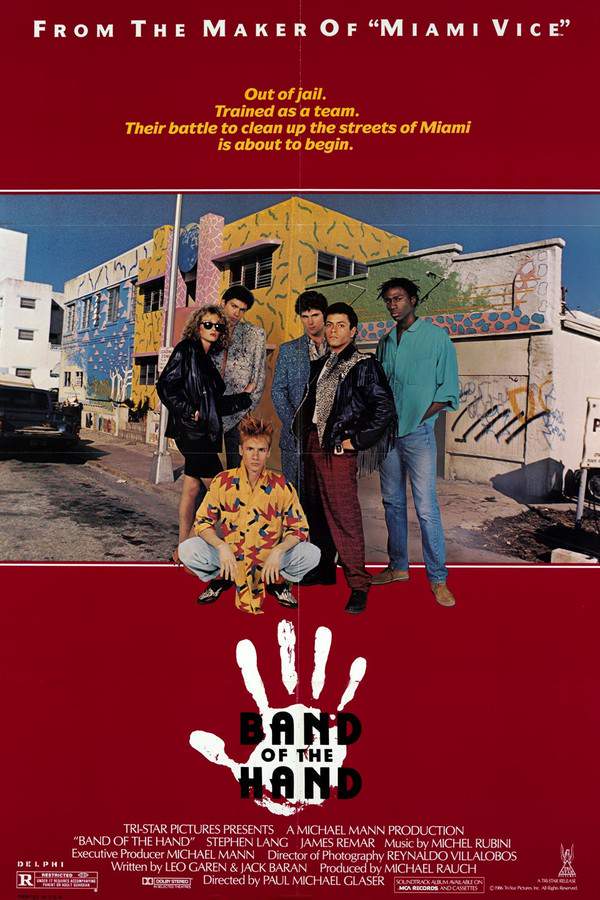
This music video, created for Bob Dylan's song from the film Band of the Hand, combines stylized film clips with dynamic strobe effects. Featuring performances by Tom Petty & The Heartbreakers and Stevie Nicks, the video visually interprets the rebellious spirit of the song and the movie's narrative. It’s a unique and visually striking interpretation of the film’s theme.
Find where to stream, rent, or buy Band of the Hand (1986) in the US with current JustWatch availability, up-to-date pricing, and platform listings for subscription, rental, and digital purchase options.
Warning: spoilers below!
Haven’t seen Band of the Hand yet? This summary contains major spoilers. Bookmark the page, watch the movie, and come back for the full breakdown. If you're ready, scroll on and relive the story!
Read the complete plot breakdown of Band of the Hand (1986), including all key story events, major twists, and the ending explained in detail. Discover what really happened, and what it all means.
In this gritty drama, we follow the journey of five young misfits, each grappling with their individual tendencies for troublemaking. They are granted a second chance by Indian Joe Tegra, portrayed by Stephen Lang, a tough-as-nails Vietnam veteran and Native American leader. This troubled quintet includes:
Ruben Pacheco, played by Michael Carmine, the ruthless head of the Home Boys, currently serving time for aggravated assault and armed robbery;
Moss Roosevelt, brought to life by Leon, his counterpart in the 27th Avenue Players, incarcerated for similar offenses;
Carlos Aragon, depicted by Danny Quinn, a sly drug trafficker sentenced to four years due to a police sting operation;
James Lee “J.L.” MacEwen, portrayed by John Cameron Mitchell, the youngest and most volatile individual in the group, serving a hefty ten-year sentence for manslaughter and arson;
and finally, Dorcey Bridger, characterized by Al Shannon, a slippery car thief facing multiple charges, including auto theft and a notorious history of attempting to escape from juvenile halls.
These young offenders are forced to navigate the unforgiving landscape of the swamp, discovering that their survival depends on their ability to rely on one another while adapting to their harsh new environment. As they traverse this treacherous terrain, they begin to lay the foundations for redemption, tackling the challenge of revitalizing a neglected neighborhood in Miami’s most dangerous district. They take action against pimps, prostitutes, and drug dealers who have taken over a vacant house they claim as their own.
However, their budding sense of purpose is precarious and soon encounters severe backlash. Their efforts provoke the wrath of a notorious drug lord, Cream, played by Laurence Fishburne, whose loyal clientele reacts violently, leading to a tragic series of confrontations that ultimately results in the death of Joe. In the aftermath of these events, the surviving members of the group, ignited by their sense of injustice, embark on a reckless mission. They plan a daring offensive against a heavily armed drug manufacturing facility, equipped with nothing less than an M-134 Minigun, diving headfirst into the chaos they have stirred.
Last updated: November 17, 2024 at 20:08
Explore frequently asked questions about Band of the Hand (1986) with spoiler-rich answers covering the full plot summary, major story beats, character motivations, hidden details, and ending meaning. This movie summary FAQ helps explain confusing scenes, plot twists, and narrative decisions in clear, searchable detail.
Indian Joe Tegra, a Vietnam veteran, offers the five young criminals a second chance because he believes redemption is possible through community action and purpose. As a Native American leader with his own history of violence, he sees potential in Channeling their energy toward positive change rather than continued crime. He motivates them to band together and turn their lives around by taking action in their neighborhood.
Early in the film, Joe emphasizes the need for redemption and community, hinting at his belief that these troubled youth can transform.
The five members are: Ruben Pacheco, the ruthless Home Boys leader serving time for aggravated assault and armed robbery; Moss Roosevelt, another violent offender; Carlos Aragon, a drug trafficker caught in a police sting; James Lee "J.L." MacEwen, the youngest and most volatile member convicted of manslaughter and arson; and Dorcey Bridger, a car thief with multiple charges including escape attempts. All are young offenders given a second chance by Indian Joe Tegra.
The introduction establishes each character's criminal background, setting the stage for their collective journey toward redemption.
Cream is a notorious drug lord in Miami who commands loyal clientele and wields significant power in the criminal underworld. His operations extend throughout Miami's most dangerous districts, and he commands violent retaliation against anyone who threatens his business. When the group confronts drug dealers in their claimed territory, Cream's associates react violently, leading to tragic consequences.
The timeline shows that confronting drug dealers attracts Cream's attention, setting the conflict in motion.
Joe Tegra is killed during a violent confrontation with Cream's loyal associates. After the group claims a vacant house and begins fighting pimps, prostitutes, and drug dealers in the neighborhood, their actions provoke Cream's wrath. His clients react violently, leading to a tragic series of confrontations that results in Joe's death. This event serves as the devastating turning point that motivates the survivors to seek revenge.
The confrontation with drug dealers earlier signals that their actions would draw dangerous attention.
After Joe's death, the surviving members of the group are fueled by a sense of injustice and a desire for revenge against Cream. Their mentor's murder compels them to launch a reckless offensive against his drug manufacturing facility. They arm themselves with an M-134 Minigun and storm the facility, seeking to dismantle Cream's operation and avenge Joe's death, though this leads to further chaos and consequences.
Joe's death serves as the catalyst, igniting their passion for justice and pushing them toward violent action.
The M-134 Minigun is a rapid-fire rotary machine gun capable of firing thousands of rounds per minute. In the film, the group acquires this powerful weapon as they prepare for their reckless mission against Cream's drug manufacturing facility. The weapon symbolizes the escalating violence and desperate measures they are willing to take after Joe's death, showcasing their determination to confront heavily armed guards.
The preparation scene gauges the seriousness of their intent to reclaim their community through extreme violence.
The vacant house in Miami's dangerous district becomes the group's headquarters and symbol of their collective purpose. By claiming this abandoned building, they establish a base from which to fight pimps, prostitutes, and drug dealers in their neighborhood. The act of reclaiming space represents their newfound direction and commitment to community revitalization, though it also draws the attention of Cream and leads to violent confrontation.
Claiming the house marks their transition from survival in the swamp to active community intervention.
Motivated by their desire for redemption and purpose, the group takes it upon themselves to revitalize a neglected area in Miami's most dangerous district. After their swamp training, they recognize the decay in their community and choose to confront the criminal elements, pimps, prostitutes, and drug dealers, who have taken over. This action represents their attempt to transform their criminal tendencies into positive change, though it ultimately draws deadly retaliation from Cream.
Joe's earlier emphasis on community action motivates their decision to take on these criminal elements.
James Lee "J.L." MacEwen is portrayed as the youngest and most volatile individual in the group, serving a hefty ten-year sentence for manslaughter and arson. His criminal record involving violent crimes against people (manslaughter) and property (arson) suggests a history of impulsive and destructive behavior. This volatility makes him a unpredictable force throughout the film, contributing to the group's descent into violent confrontation.
His introduction establishes him as the most dangerous and unpredictable member, foreshadowing the group's violent trajectory.
The ending is bittersweet, the group achieves a form of justice against Cream but at the cost of their mentor Joe's life. In the aftermath of their chaotic assault on the drug facility, they realize the gravity of their actions and the cycle of violence they have entered. Each member reflects on their choices and whether their violent revenge truly served a purpose, leaving their future uncertain while grappling with the consequences of their choices.
The progression from rehabilitation to violent confrontation undermines their original redemption arc, suggesting a tragic cost.
Discover curated groups of movies connected by mood, themes, and story style. Browse collections built around emotion, atmosphere, and narrative focus to easily find films that match what you feel like watching right now.
Outcast groups fight back against urban decay with violent justice.Find more movies like Band of the Hand where troubled youths or outcasts become vigilantes. This thread features similar action dramas about fighting urban crime, with themes of redemption, found family, and survival against heavy odds. If you enjoyed the rebellious spirit of Band of the Hand, explore these stories.
The narrative typically follows a group of societal rejects—juvenile delinquents, ex-cons, or other outsiders—who are forged into a cohesive unit. They identify a systemic threat in their community, such as a drug lord or corrupt officials, and embark on a violent campaign to eliminate it. Their path is marked by loss and moral compromise, leading to a costly but meaningful victory that offers them a chance at redemption.
Movies in this thread share a dark, gritty tone and high intensity driven by graphic violence and high-stakes conflict. They explore themes of second chances and vigilantism, featuring a 'found family' dynamic among the protagonists. The pacing often builds from a methodical setup to a fast-paced, explosive conclusion, creating a consistently tense and unforgiving atmosphere.
A makeshift family earns a costly victory, leaving emotional scars.Discover movies with a similar bittersweet found family dynamic to Band of the Hand. These films feature groups of outcasts who become a family through violent struggle, often ending with a victory that comes at a great personal cost. If you liked the emotional core of Band of the Hand, you'll find similar heavy dramas here.
The narrative arc revolves around characters who start alone and alienated, finding purpose and belonging with each other. They undertake a dangerous mission that solidifies their bond. The climax typically involves a major loss, often a mentor or core member, which casts a shadow over their achievement. The ending affirms the strength of their newfound family but is deeply colored by the price paid for it.
These movies are connected by their heavy emotional weight and a consistently dark, tense tone. They share a bittersweet ending feel where hope is earned through trauma. The central 'found family' dynamic is the emotional anchor, making the high-intensity action and violence personally impactful rather than purely sensational.
Don't stop at just watching - explore Band of the Hand in full detail. From the complete plot summary and scene-by-scene timeline to character breakdowns, thematic analysis, and a deep dive into the ending - every page helps you truly understand what Band of the Hand is all about. Plus, discover what's next after the movie.
Track the full timeline of Band of the Hand with every major event arranged chronologically. Perfect for decoding non-linear storytelling, flashbacks, or parallel narratives with a clear scene-by-scene breakdown.
Discover the characters, locations, and core themes that shape Band of the Hand. Get insights into symbolic elements, setting significance, and deeper narrative meaning - ideal for thematic analysis and movie breakdowns.
Discover movies like Band of the Hand that share similar genres, themes, and storytelling elements. Whether you’re drawn to the atmosphere, character arcs, or plot structure, these curated recommendations will help you explore more films you’ll love.
Band of the Hand (1986) Scene-by-Scene Movie Timeline
Band of the Hand (1986) Movie Characters, Themes & Settings
Band of the Hand (1986) Spoiler-Free Summary & Key Flow
Movies Like Band of the Hand – Similar Titles You’ll Enjoy
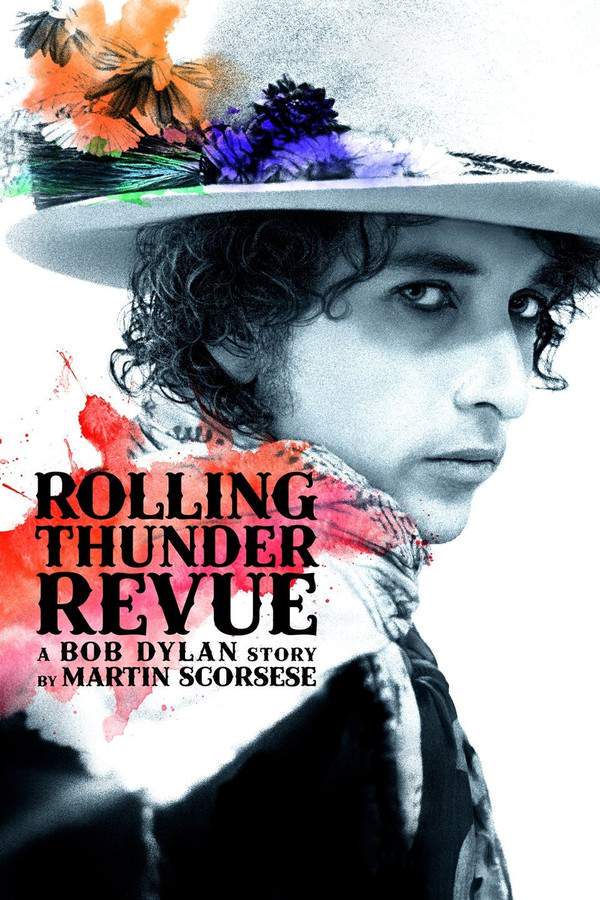
Rolling Thunder Revue: A Bob Dylan Story by Martin Scorsese (2019) Full Movie Breakdown
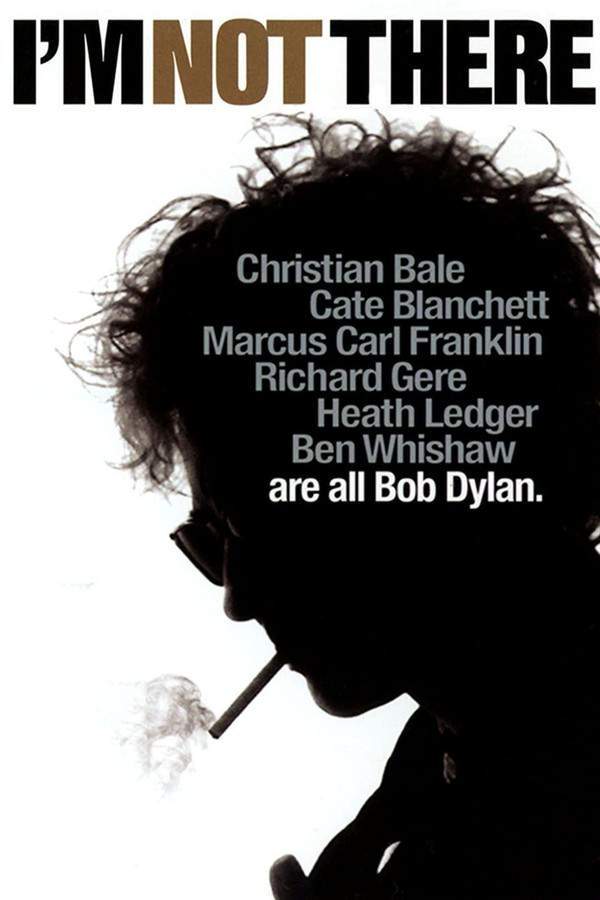
I'm Not There. (2007) Spoiler-Packed Plot Recap
A Band Called Death (2013) Ending Explained & Film Insights
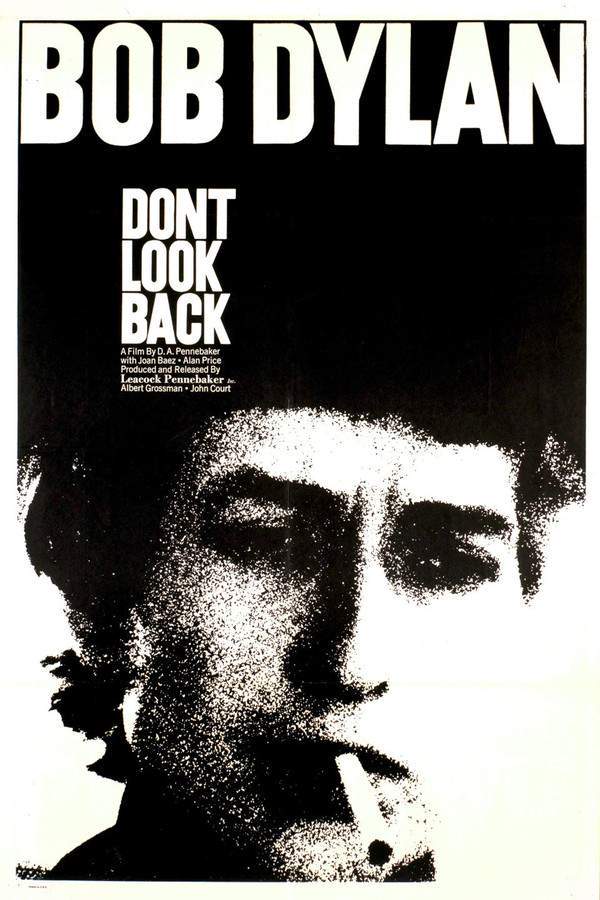
Bob Dylan: Dont Look Back (1967) Detailed Story Recap
No Direction Home: Bob Dylan (2005) Spoiler-Packed Plot Recap
Bob Dylan: When the Deal Goes Down (2006) Detailed Story Recap
Beat It (1983) Detailed Story Recap
Heartbeat (1987) Movie Recap & Themes
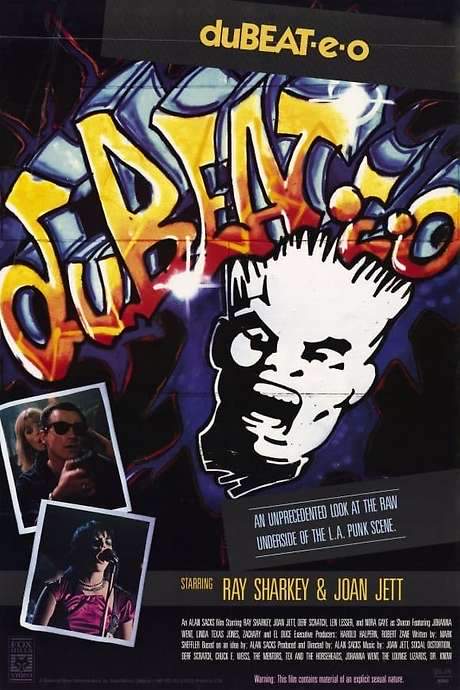
Du-beat-e-o (1984) Detailed Story Recap
Hard to Handle: Bob Dylan in Concert (1986) Ending Explained & Film Insights
Band (2022) Movie Recap & Themes
I Wanna Hold Your Hand (1978) Ending Explained & Film Insights
Head (1968) Full Summary & Key Details
Bob Dylan: Hard Rain (1976) Plot Summary & Ending Explained
Sympathy for the Devil (1968) Plot Summary & Ending Explained