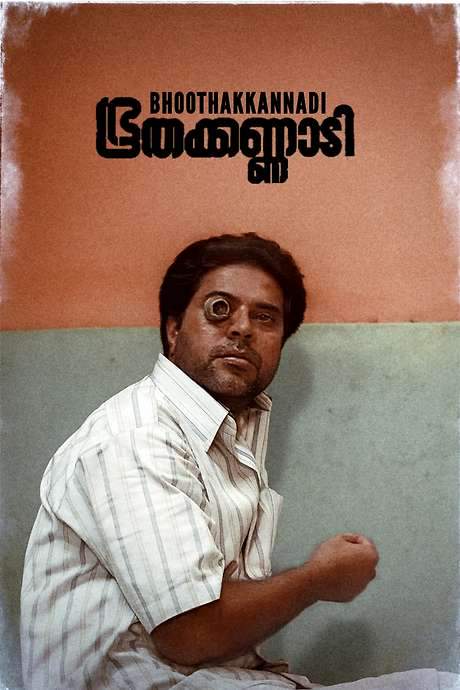
A young woman named Bhadra seeks revenge against a ruthless landlord, Natesan, who murdered her parents fifteen years ago. To stay close to the man who ruined her family, she takes a job at his land, and with the help of other hardworking women, she gradually learns the rhythms of the household and the politics that bind it all. The atmosphere at the estate is tense, and power plays unfold as Natesan advances his own interests.
Natesan's son, Uthaman, has his own gaze on [Bhadra], and his bold move to grab her without consent sets off a deeper conflict. Bhadra’s anger is tempered by her coworkers, who stand by her as she navigates these dangerous waters. Amid this turmoil, she notices Chindan, a mentally ill man who is poorly treated, and she forms a quiet, protective friendship with him.
One night, an elder worker recounts a story of a man who gave his life for the land—a tale that, in truth, Natesan has spun to conceal the violence he committed against Bhadra’s father. Bhadra returns again and again to the place where her father was buried alive, a place that becomes a solemn touchstone for her resolve.
In the broader web of loyalties, Bhadra crosses paths with Rosakutty, who now works for [Uthaman], and a fierce clash ensues when Rosakutty is seen as a rival. Though anger flares, Bhadra’s attachment to Rosakutty ultimately leads her to a decision to hold back.
Bhadra finds a new love in Moosakutty, a bangle seller and fisherman whose own father was murdered by Natesan. This relationship deepens her sense of family loss and fuels her quest for justice, as she recalls how her father, a trade union leader, and her mother cared deeply for her while they stood against the landlord’s greed. The memory of her mother, who urged her to run and seek vengeance, haunts Bhadra as she lights a lamp at the buried spot each night, keeping alive the hope of justice.
As the drama intensifies, the women gather for theeyattu, a ritual to appease the Goddess, performing mudiyattam to seek healing for those who are unwell. Bhadra, filled with a fierce mix of pain and purpose, prays to the goddess, letting her long hair fall as she sways to the drumbeats, a symbolic moment that signals a turning point in her plan.
With calculated manipulation, Bhadra plays both sides—appearing to flirt with Natesan while also drawing Uthaman closer. The tension between father and son escalates, and the family rift expands to a broader clash, as Bhadra leads them to the very field where her father was killed.
A violent storm descends, and as the field floods, a power cable snaps into the water. In the chaos, Uthaman kills Natesan, fulfilling Bhadra’s long-cherished plan, but he is electrocuted by the same faulty wire in the ensuing shock. The double tragedy seals the fates of both men in a devastating convergence of vengeance and fate.
In the end, Bhadra finds a fragile peace by marrying Moosakutty, bringing a final, somber resolution to a saga built on loss, memory, and a woman’s unyielding pursuit of justice.