Plot Explained Spoilers guaranteed!
Plot Explained

Browse by genre

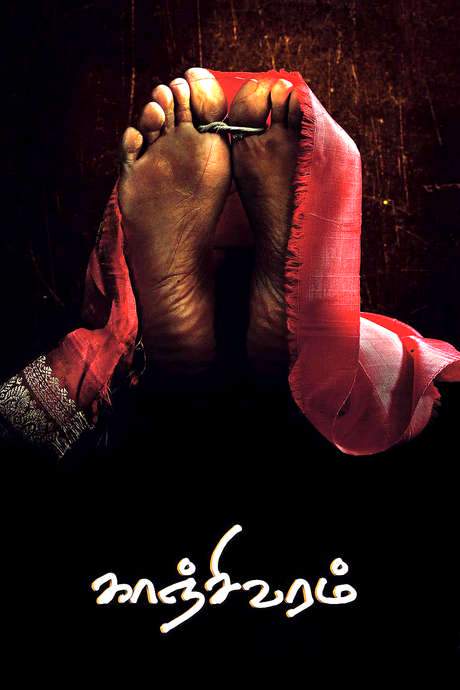
Kanchivaram (2008) movie poster

Timeline

Kanchivaram (2008) Timeline Explained – Every Event in Order

Release, runtime and language
2008 · 117 mins · Tamil
Loading streaming availability…
Directed by
Priyadarshan
Starring
Prakash Raj, Sampath Raj, P Sreekumar, Rohini, Vimal, Vinodhini Vaidyanathan

A poor silk weaver vows to clothe his newborn daughter in a silk saree for her wedding, a promise he makes to his wife. As he battles systemic oppression and the ebb and flow of his fortunes within the harsh world of the silk industry, he fights desperately to honor his word.

On this page (6)
  1. 1 Where to watch
  2. 2 Events in order (14)
  3. 3 Timeline questions answered
  4. 4 Movie threads
  5. 5 Movies like Kanchivaram
  6. 6 Every angle
Loading streaming availability…

14 events in order · contains spoilers

Kanchivaram Timeline: Events in Chronological Order

Every key event of Kanchivaram (2008) in order, scene by scene, with when and where it takes place. Use it to untangle flashbacks, time jumps and parallel storylines, to refresh your memory before the sequel or to find the exact scene you are thinking of.

  1. Vengadam's Release from Jail

    In 1948, Vengadam is released from jail after serving time, and he is escorted back to his hometown of Kanchipuram. The police escort him on a bus over a two-day journey, during which he begins to recall his past. The journey symbolizes a reflection on his life's hardships and choices.

    When
    1948
    Where
    On the bus, en route to Kanchipuram
  2. Vengadam's Marriage

    Vengadam marries Sriya Reddy's character, having once vowed to marry only a woman wearing a silk saree. However, due to financial constraints, he settles for a normal marriage, abandoning his earlier silk saree ambitions. His love for silk remains a significant part of his identity.

    When
    Prior to the events of the journey
    Where
    Kanchipuram
  3. Financial Hardship and Sacrifice

    When his brother-in-law faces business losses, Vengadam provides his savings to help his sister, sacrificing his dream of owning a silk saree. This act of sacrifice marks a turning point in his life, reflecting his dedication to family over personal aspirations.

    When
    Before the death of Annam
    Where
    Kanchipuram
  4. Annam's Illness and Death

    Vengadam's wife, Annam, falls ill with blood vomit and eventually dies in his arms. Her death occurs after she shows him a silk saree, symbolizing his lost dreams and the cost of his sacrifices. This tragic event profoundly affects Vengadam.

    When
    During the town fair
    Where
    Kanchipuram
  5. Introduction of the Communist Ideology

    A writer, revealed as a communist, arrives in the town and advocates for equality among silk weavers. He highlights their poor pay and inability to access the products they create, inspiring Vengadam and others to demand better conditions through street theatre and protest.

    When
    After Annam's death
    Where
    Kanchipuram
  6. Weavers' Activism and Petition

    Vengadam becomes a leader among the weavers, organizing protests and submitting a petition for increased wages. Their activism symbolizes their fight for dignity and economic justice amid oppressive Zamindar control. The movement faces danger as police crack down.

    When
    Following the communist's influence
    Where
    Kanchipuram
  7. Return of Vengadam's Friend's Son

    The son of Vengadam's friend, a soldier returning from war, visits and informs the town of the Allies' victories, leading to tensions in alliances with communists. He seeks to marry Vengadam's daughter before returning to battle, complicating Vengadam’s decisions.

    When
    During the height of revolutionary activity
    Where
    Kanchipuram
  8. Vengadam's Decision to Rejoin Work

    Faced with the soldier's proposal, Vengadam defies his vow and orders the weavers to resume work to finish the silk saree. He secretly smuggles silk to complete the saree on time, showing his struggle between personal promises and survival.

    When
    Shortly after the soldier's visit
    Where
    Silk workshop, Kanchipuram
  9. Vengadam is caught smuggling silk, beaten, and imprisoned. His actions to finish the saree in time demonstrate his desperation and the cost of his commitments as his life spirals out of control amid the socio-political turmoil.

    When
    During the final stages of the saree's completion
    Where
    Silk workshop and jail
  10. Tragedy of His Daughter

    Vengadam's daughter falls into a well and becomes paralyzed, leading to her tragic suffering. His wife dies in a stampede caused by villagers eager to see the zamindar's new car, leaving Vengadam devastated and guilt-ridden.

    When
    Post-imprisonment, before his daughter's death
    Where
    Kanchipuram
  11. Poisoning and Death of His Daughter

    Unable to bear her suffering and rejected by his brother-in-law, Vengadam poisons his daughter, ending her life. He feels helpless and overwhelmed by despair, culminating in a tragic end for his family.

    When
    Shortly after her fall into the well
    Where
    Kanchipuram
  12. Vengadam Covers His Daughter's Body

    In her death, Vengadam covers his daughter's body with a half-woven silk saree, fulfilling a childhood vow about silk and lamenting his regrets. This act signifies his ongoing connection to silk and his grief.

    When
    After her death
    Where
    Outside his house
  13. Vengadam's Mental Breakdown

    Overcome with grief and guilt, Vengadam becomes mentally unstable, shown trying to cover her face and leg with silk, symbolizing his descent into madness. The film ends with his laughter, illustrating his broken state of mind.

    When
    End of the film
    Where
    Outside his house
  14. Epilogue and Historical Context

    The film's credits reveal how communism became a significant movement in India, highlighting the socio-political backdrop of Vengadam's struggles. His story reflects broader themes of sacrifice, inequality, and political change during that era.

    When
    Post-credits, historical reflection

Last updated: August 19, 2025 at 05:16

Was this helpful?

Timeline questions answered

Kanchivaram Timeline Explained: Your Questions Answered

When does it happen, and why in that order? The questions people ask about the chronology of Kanchivaram (2008): time jumps, flashbacks, cause and effect between scenes and the correct order of events, each answered with spoilers.

Q1

Why was Vengadam released from jail under police escort?

Vengadam was released from jail in 1948 after serving time, but he was escorted by police for a two-day bus journey back to Kanchipuram. The police escort was likely due to his involvement in weaver protests and activism, as he had become a leader among the weavers demanding fair wages from the Zamindar.

Foreshadowing: The film opens with this journey, setting the tone for a story about a man returning home after suffering for his beliefs.

  • vingadam
  • jail release
  • police escort
  • 1948
  • kanchipuram
Q2

What caused Annam's death?

Vengadam's wife Annam fell ill with blood vomit during a town fair and died in his arms. She was clutching a silk saree at the time of her death, which represented both her husband's unfulfilled dreams and their lost togetherness.

Foreshadowing: This tragedy occurs early in Vengadam's flashback journey, establishing the pattern of loss that will define his life.

  • annam death
  • blood vomit
  • tragedy
  • weaver wife
Q3

Who was the communist writer that came to Kanchivaram?

A writer and communist supporter arrived in Kanchivaram to advocate for equality among silk weavers. He exposed their low wages and lack of access to the products they created, inspiring Vengadam and other weavers to participate in street theatre mocking the Zamindar. The writer was eventually hunted down and killed by authorities, demonstrating the dangerous reality of political activism during that era.

Foreshadowing: His arrival marks the beginning of Vengadam's transformation from passive weaver to activist leader.

  • communist writer
  • killed
  • activism
  • weaver rights
  • zamindar exploitation
Q4

Why did the other weavers consider Vengadam a traitor?

When a soldier (the son of Vengadam's friend) returned from World War II and proposed to marry Vengadam's daughter before returning to battle, Vengadam broke his vow of protest and ordered the weavers to resume work to finish the silk saree. This betrayal of their collective struggle to demand fair wages earned him the label of traitor from his fellow weavers.

Foreshadowing: This moment reveals how Vengadam's personal promise to his daughter conflicts with his public role as a labor leader.

  • traitor
  • weaver strike
  • resumed work
  • silk saree
  • duty vs protest
Q5

How was Vengadam caught smuggling silk?

In his desperate attempt to finish his daughter's silk saree on time, Vengadam secretly smuggled silk threads out of the temple where he worked. His clandestine activities were eventually uncovered, leading to his arrest and brutal punishment. He was imprisoned for this crime, further devastating his family.

Foreshadowing: This act of desperation directly stems from his earlier decision to break the weavers' strike.

  • smuggling silk
  • caught
  • arrested
  • jail
  • temple silk
Q6

Why did Vengadam poison his daughter?

After Vengadam's daughter fell into a well, she became paralyzed. Her mother had already died earlier in a stampede caused by villagers eager to see the Zamindar's new car. With no one willing to care for her and Vengadam overwhelmed with guilt and sorrow, he poisoned his own daughter to spare her further suffering. This act represents the ultimate tragedy of a man broken by poverty, loss, and systemic oppression.

Foreshadowing: This devastating act is the culmination of a lifetime of unfulfilled promises and mounting tragedies.

  • poison daughter
  • paralyzed
  • well
  • grief
  • mercy killing
Q7

What does the silk saree represent in the story?

The silk saree serves as the central symbol of Vengadam's dreams, promises, and ultimate failure. He once vowed to marry only a woman wearing a silk saree but couldn't afford one. Later, he promised to clothe his daughter in a silk saree for her wedding. Throughout his life, silk represents dignity, tradition, and his personal aspirations, aspirations that remain unfulfilled due to relentless hardship and sacrifice.

Foreshadowing: The saree appears throughout the narrative, from his wife's death clutching one to his final act of covering his daughter's body with unfinished silk.

  • silk saree
  • symbolism
  • promise
  • dignity
  • tradition
Q8

What happened to Vengadam's daughter and her mother?

Vengadam's daughter fell into a well and became paralyzed. Her mother (Vengadam's wife) had died much earlier during a stampede caused by villagers eager to see the Zamindar's new car. With his daughter paralyzed, his wife dead, and his brother-in-law refusing to help, Vengadam was left completely alone to care for his suffering child.

Foreshadowing: This double tragedy, losing his wife to a crowd incident and his daughter to a well, underscores the deadly randomness of poverty.

  • daughter well
  • paralyzed
  • mother stampede
  • zamindar car
Q9

How did World War II affect the story?

World War II created economic strain that affected Vengadam's family. His son-in-law, a soldier who returned from fighting, brought news of the German defeat and warned about strained relations with communists. This political climate added to Vengadam's burdens and contributed to the hostile environment for his activism.

Foreshadowing: The war's aftermath directly influences the political tensions that shape the weavers' struggle.

  • world war 2
  • german defeat
  • soldier
  • communist relations
  • political climate
Q10

How does the film end?

After poisoning his paralyzed daughter, Vengadam covers her body with the unfinished silk saree, a final, tragic fulfillment of his promise to give her silk. Overcome with grief and guilt, he descends into madness, laughing while covering her face and body with silk. The film ends with this haunting freeze frame, followed by credits revealing the rise of communism in India as historical context.

Foreshadowing: The ending represents the complete destruction of a man who fought against systemic oppression only to lose everything personally.

  • ending
  • final scene
  • madness
  • laughter
  • silk cover body

Movie threads

More Movies Like Kanchivaram, by Mood & Story

Curated lists built around what makes Kanchivaram tick: the same mood, the same kind of story or the same emotional payoff. Each list explains why these movies belong together.

Bleak Poverty Dramas like Kanchivaram

Sobering stories of individuals crushed by inescapable economic and social systems. Movies like Kanchivaram that depict the harsh realities of systemic poverty and class oppression. If you were moved by the weaver's desperate struggle, you'll find similar powerful, tragic stories of individuals crushed by their circumstances.

  • gritty
  • tragic
  • oppressive
  • melancholic
  • desperate
  • somber
  • Tone: bleak, tragic, oppressive
  • Pacing: steady, deliberate
Why these movies?

The story pattern: These narratives typically follow a protagonist's determined but ultimately futile struggle against an oppressive socioeconomic system. The journey is one of gradual decline, where hope is eroded by relentless hardship, leading to tragic or devastating conclusions.

Why they belong together: They are grouped by their shared commitment to a bleak, realistic portrayal of poverty, a high emotional weight derived from suffering, and a tone that offers little to no redemption, focusing instead on the crushing nature of systemic injustice.


Tragic Fatherhood Stories like in Kanchivaram

Stories where a father's profound love leads to obsession and devastating consequences. If you were captivated by the tragic father-daughter bond in Kanchivaram, explore these similar movies. They feature fathers whose love drives them to extreme, often heartbreaking, actions in a desperate attempt to protect or provide for their children.

  • tragic
  • melancholic
  • desperate
  • somber
  • heartbreaking
  • obsessive
  • Tone: somber, melancholic, tragic
  • Pacing: steady, character-driven
Why these movies?

The story pattern: The pattern involves a father figure whose defining purpose is his child's well-being. External pressures—poverty, illness, or injustice—force him into increasingly desperate acts. The love that initially defined him becomes a source of immense suffering, leading to a bleak climax where his actions result in profound loss.

Why they belong together: These films share a heavy emotional core built around the father-child relationship, a steady pacing that builds towards an inevitable tragedy, and a tone that is deeply melancholic and somber, focusing on the destructive potential of sacrificial love.

If you liked this

Movies Like Kanchivaram

Similar movies to Kanchivaram: the same genre, themes or kind of story. Each one comes with its own plot summary, timeline and ending explained.

Browse all movie summaries

Every angle

Kanchivaram (2008) Explained: Plot, Timeline & Characters

Everything about Kanchivaram in one place: what happens in the plot summary, the timeline in chronological order, the characters and meaning and a spoiler-free summary. What's After the Movie adds the cast, box office and post-credit scenes.

Coming soon on iOS and Android

The Plot Explained Movie Summary App

Plot summaries, endings explained and timelines on your phone. Catch up on any movie in minutes, save your favorites and never miss a twist again.

Be the first to know when we launch. Your email stays private, always.

Learn more about the app