Year: 1989
Runtime: 95 mins
Language: Hindi
Director: Basu Chatterjee
Set in a lower‑middle‑class chawl in Mumbai, the story follows 20‑year‑old unmarried Kamla, whose overwhelming shock at an unexpected pregnancy drives her to take her own life. Her death forces the cramped community of neighbors to confront hidden secrets and reevaluate the choices they have made, exposing the harsh realities of their everyday lives.
Warning: spoilers below!
Haven’t seen Kamla Ki Maut yet? This summary contains major spoilers. Bookmark the page, watch the movie, and come back for the full breakdown. If you're ready, scroll on and relive the story!
Trace every key event in Kamla Ki Maut (1989) with our detailed, chronological timeline. Perfect for unpacking nonlinear stories, spotting hidden connections, and understanding how each scene builds toward the film’s climax. Whether you're revisiting or decoding for the first time, this timeline gives you the full picture.
Last updated: October 09, 2025 at 14:17
Find frequently asked questions about the Kamla Ki Maut (1989) timeline, including chronological order, nonlinear jumps, cause-and-effect links, and scene sequence clarifications. This timeline FAQ helps explain when key events happen, how moments connect, and why the story unfolds in that specific order.
Kamla, a 20-year-old unmarried woman, could not bear the shame and social pressure of her unexpected pregnancy. In the conservative chawl environment, premarital pregnancy was a social disgrace that left her feeling there was no future worth living. Unlike Anju who chose to marry and build a life despite her pregnancy, Kamla saw no way forward.
Sudhakar and Nirmala live as neighbors in the same chawl where Kamla dies. Their connection goes deeper - their own past mistakes mirror Kamla's tragedy. Sudhakar had previously gotten Anju pregnant and convinced her to abort before disappearing, while Nirmala also experienced a crisis involving a man before her marriage. Kamla's death forces them to confront their own hidden histories.
Earlier scenes show Sudhakar and Nirmala's peaceful family life, making the reveal of their past secrets more impactful.
As a teenager, Nirmala developed a crush on her married tutor who was already married and showed no interest in a romantic relationship with his student. After the tutor rejected her advances, Nirmala attempted suicide. Her mother confronted her about the truth, and to restore family honor, her family quickly arranged her marriage to Sudhakar.
Sudhakar was involved with Anju in his youth, and she became pregnant. He convinced her to have an abortion, but rather than standing by her, he abandoned her and relocated to another city to start fresh. This pattern of leaving women in trouble would repeat in his relationships with Chameli.
The film hints at Sudhakar's pattern of running away from consequences early in the narrative.
After leaving Anju, Sudhakar moved to a village where he met Chameli, a young woman with difficult prospects. They were caught in an intimate moment by villagers, and Chameli's father insisted on marriage to preserve her honor. Sudhakar initially agreed but withdrew when he learned about Chameli's aggressive fiancé and the potential social consequences, disappearing once again.
After being caught in a compromising situation with Lakshmi while her husband Prakash was away, Sudhakar was beaten and his friendship with Prakash was destroyed. This traumatic incident, combined with his history of running from problems, led him to quietly settle down with Nirmala and start a family, choosing a stable life over his previous pattern of fleeting relationships.
Sudhakar's history of abandoning women sets up his eventual settling down as a departure from his past behavior.
While Prakash was away on business, Sudhakar grew close to his wife Lakshmi. Their friendship turned intimate, and when Prakash returned unexpectedly, he caught them together in a compromising situation. Prakash beat Sudhakar, and the friendship was destroyed, forcing Sudhakar to leave that life behind.
Years later, Sudhakar returns to his village and discovers Anju has also moved on - she married someone else and had children. Their reunion serves as a mirror to Kamla's tragedy: both women faced premarital pregnancy, but Anju chose to marry and build a family while Kamla chose death. This encounter triggers the present-day reflections between Sudhakar and Nirmala about their past choices.
Both Kamla and Anju experienced premarital pregnancy, but their choices diverged completely. Anju went on to marry and have a family, finding a way forward despite the social stigma. Kamla, however, felt unable to face the shame and chose suicide. The film uses this contrast to explore how the same circumstance can lead to vastly different outcomes depending on individual resilience and community support.
The film argues that hiding truths and living with secrets creates hidden wounds within a community. Kamla's suicide forces the chawl neighbors to confront their own hidden pasts - the pattern of premarital pregnancies, abandoned women, and moral compromises. Only by facing these truths can the community develop empathy and begin healing. The ending suggests that open conversation, rather than silence and judgment, allows dignity to be restored.
Discover curated groups of movies connected by mood, themes, and story style. Browse collections built around emotion, atmosphere, and narrative focus to easily find films that match what you feel like watching right now.
A single event forces a neighborhood to confront its hidden hypocrisies and sorrows.Discover movies like Kamla Ki Maut, where a tragic event exposes the hidden lives and moral complexities of a community. This thread features similar slow-burn dramas focused on secrets, shame, and the emotional fallout of a single incident that forces everyone to reevaluate their lives.
The story typically begins with a catalytic event that shatters the community's equilibrium. This triggers a steady-paced unraveling of interconnected lives, where flashbacks and personal confessions build a complex web of past mistakes, social pressures, and unspoken truths, leading to a collective reckoning.
They are grouped for their shared focus on a contained societal microcosm shaken by a shared trauma, their melancholic tone, and their examination of how grief and guilt permeate group dynamics, creating a heavy, reflective viewing experience.
Intimate, unflinching portraits of individuals crushed by societal expectations and shame.If you liked the heavy emotional realism of Kamla Ki Maut, explore this thread for similar character-driven dramas. These films share a somber, contemplative mood, tackling difficult themes like suicide, unplanned pregnancy, and social disgrace with a steady, compassionate, but unflinching approach.
The narrative centers on a protagonist or key figure whose life is defined by a conflict with rigid social norms. The plot unfolds at a deliberate pace, prioritizing moments of quiet despair, internal reflection, and the subtle but crushing weight of judgment over dramatic events, often leading to a bittersweet or tragic resolution.
These movies are united by their heavy emotional weight, melancholic tone, and commitment to portraying difficult social truths with realism and compassion. They provide a similar experience of contemplative sadness and psychological depth.
Don't stop at just watching - explore Kamla Ki Maut in full detail. From the complete plot summary and scene-by-scene timeline to character breakdowns, thematic analysis, and a deep dive into the ending - every page helps you truly understand what Kamla Ki Maut is all about. Plus, discover what's next after the movie.
Read a complete plot summary of Kamla Ki Maut, including all key story points, character arcs, and turning points. This in-depth recap is ideal for understanding the narrative structure or reviewing what happened in the movie.
Discover the characters, locations, and core themes that shape Kamla Ki Maut. Get insights into symbolic elements, setting significance, and deeper narrative meaning - ideal for thematic analysis and movie breakdowns.
Discover movies like Kamla Ki Maut that share similar genres, themes, and storytelling elements. Whether you’re drawn to the atmosphere, character arcs, or plot structure, these curated recommendations will help you explore more films you’ll love.
Kamla Ki Maut (1989) Plot Summary & Movie Recap
Kamla Ki Maut (1989) Scene-by-Scene Movie Timeline
Kamla Ki Maut (1989) Spoiler-Free Summary & Key Flow
Movies Like Kamla Ki Maut – Similar Titles You’ll Enjoy
Kali Salwar (2002) Detailed Story Recap
Kaalidas (2019) Complete Plot Breakdown
Chandni Bar (2001) Plot Summary & Ending Explained
Moksha: Salvation (2001) Ending Explained & Film Insights
Kismat (2004) Film Overview & Timeline
Fatima and Zukhra (2005) Story Summary & Characters
Kalyug (2005) Film Overview & Timeline
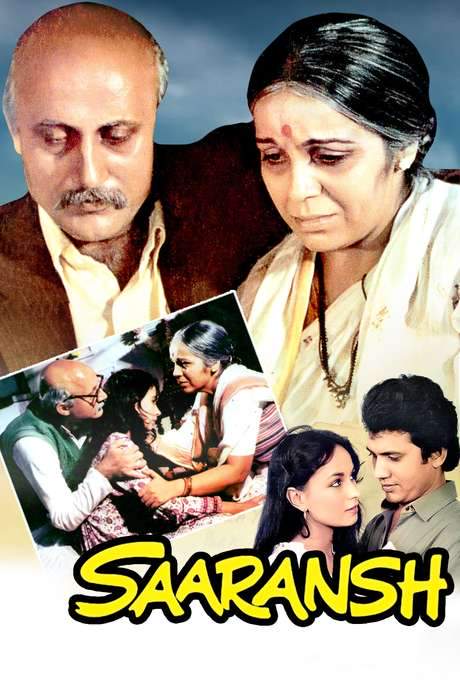
Saaransh (1984) Movie Recap & Themes
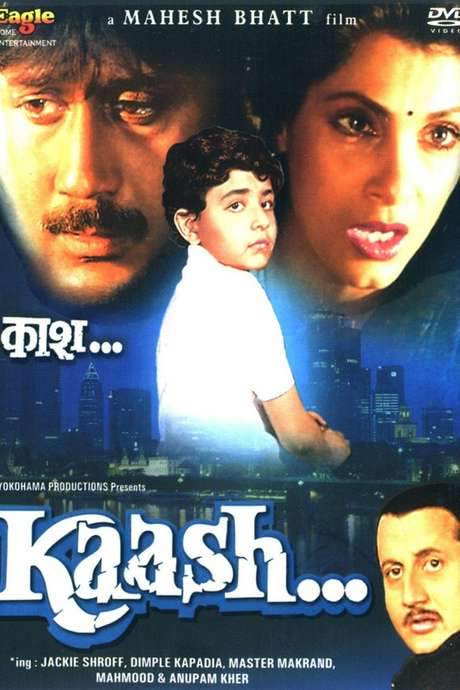
Kaash (1987) Movie Recap & Themes
Mimi (2021) Spoiler-Packed Plot Recap
Mausam (1975) Spoiler-Packed Plot Recap
Mamta (1966) Ending Explained & Film Insights
Khilona (1970) Story Summary & Characters
Kamaladalam (1992) Ending Explained & Film Insights
Khel (1992) Ending Explained & Film Insights