Year: 1989
Runtime: 95 mins
Language: Hindi
Director: Basu Chatterjee
Set in a lower‑middle‑class chawl in Mumbai, the story follows 20‑year‑old unmarried Kamla, whose overwhelming shock at an unexpected pregnancy drives her to take her own life. Her death forces the cramped community of neighbors to confront hidden secrets and reevaluate the choices they have made, exposing the harsh realities of their everyday lives.
Warning: spoilers below!
Haven’t seen Kamla Ki Maut yet? This summary contains major spoilers. Bookmark the page, watch the movie, and come back for the full breakdown. If you're ready, scroll on and relive the story!
Explore the full timeline and setting of Kamla Ki Maut (1989). Follow every major event in chronological order and see how the environment shapes the story, characters, and dramatic tension.
Last updated: October 04, 2025 at 14:06
Meet the key characters of Kamla Ki Maut (1989), with detailed profiles, motivations, and roles in the plot. Understand their emotional journeys and what they reveal about the film’s deeper themes.
Last updated: October 04, 2025 at 14:06
Explore the central themes of Kamla Ki Maut (1989), from psychological, social, and emotional dimensions to philosophical messages. Understand what the film is really saying beneath the surface.
Last updated: October 04, 2025 at 14:06
Browse frequently asked questions about Kamla Ki Maut (1989) focused on characters, relationships, themes, symbols, setting, and story context. This movie info FAQ gives spoiler-aware explanations for character arcs, world details, and thematic interpretation so readers can better understand what the film is really about.
A chawl is a type of compact apartment building common in Mumbai, where multiple families live in small units sharing common spaces. The film uses this cramped lower-middle-class neighborhood as a microcosm of society, where close quarters amplify gossip, secrets, and the consequences of personal choices. The setting emphasizes how impossible it is to keep secrets in such tight-knit communities and how public judgment becomes inescapable.
Kamla, a 20-year-old unmarried woman, becomes pregnant and overwhelmed by the stigma and social pressure in her conservative community. Her suicide reveals the harsh reality that young women in such neighborhoods face devastating judgment for premarital pregnancy, while similar behavior from men often goes unpunished. Her tragic decision exposes the structural pressures that push individuals toward desperate outcomes.
The film critiques how social norms punishing women for premarital relationships create tragic outcomes. Kamla's pregnancy and subsequent suicide highlight the double standards where women bear the full shame while men face minimal consequences. The story contrasts Kamla's fate with other characters like Anju, who also faced premarital pregnancy but survived by marrying someone else, showing that openness rather than secrecy can lead to healing.
The neighborhood's residents maintain façades to protect their reputations while hidden pasts haunt them through flashbacks. Characters like Sudhakar, Nirmala, and Anju all carry secrets that connect generations and shape present-day decisions. The film shows how the gap between appearance and truth creates moral conflict, and only by confronting these hidden truths can the community begin to heal.
Sudhakar Patel is a man whose pattern of relationships spans years, reflecting a search for belonging amid shifting circumstances. His actions cause pain and secrecy throughout the community. He remains a central figure in the story's moral questions, as his past and present choices drive his family's disruptions and eventually force his family to confront their own mistakes when Kamla's death triggers a reckoning.
Nirmala is Sudhakar's wife who, in her youth, fell for a tutor and attempted suicide. Now a mother with two daughters, she has built her life around maintaining appearances. She confronts the consequences of her past when Kamla's tragedy forces her family to open up about their mistakes. She embodies resilience and represents the tension between tradition and personal growth, guiding her family toward honesty.
Anju was Sudhakar's former lover who became pregnant before marriage; she asked him to marry her, but he convinced her to have an abortion and then disappeared. She later married someone else and built a life with children. Her experience mirrors Kamla's in that secrecy proved costly, but unlike Kamla, she found a way to survive by moving forward. Her character shows how past choices shape present stability.
The film suggests that acknowledging fault and choosing honesty can lead to healing within families. Characters confront their mistakes and consider alternatives to denial. The ending leans toward hopeful reparation rather than perpetual guilt, while Kamla's death remains a permanent tragedy, the community's confrontation with their collective secrets leads to fragile empathy and a path toward resilience.
Chameli is a village girl whom Sudhakar encounters; their relationship comes under community scrutiny when they are caught together. Her situation adds pressure to the story as she must navigate social judgment, and her fiancé's threat creates additional conflict. Her storyline illustrates how the community policing of relationships affects young women specifically.
Kamla's death forces the cramped community of neighbors to confront hidden secrets and reevaluate the choices they have made. Her tragedy becomes a catalyst for the neighbors to examine their own lives and the harsh realities of their everyday existence. The collective reckoning shows how one individual's catastrophic outcome can expose the hidden tensions and double standards that define the entire neighborhood.
Discover curated groups of movies connected by mood, themes, and story style. Browse collections built around emotion, atmosphere, and narrative focus to easily find films that match what you feel like watching right now.
A single event forces a neighborhood to confront its hidden hypocrisies and sorrows.Discover movies like Kamla Ki Maut, where a tragic event exposes the hidden lives and moral complexities of a community. This thread features similar slow-burn dramas focused on secrets, shame, and the emotional fallout of a single incident that forces everyone to reevaluate their lives.
The story typically begins with a catalytic event that shatters the community's equilibrium. This triggers a steady-paced unraveling of interconnected lives, where flashbacks and personal confessions build a complex web of past mistakes, social pressures, and unspoken truths, leading to a collective reckoning.
They are grouped for their shared focus on a contained societal microcosm shaken by a shared trauma, their melancholic tone, and their examination of how grief and guilt permeate group dynamics, creating a heavy, reflective viewing experience.
Intimate, unflinching portraits of individuals crushed by societal expectations and shame.If you liked the heavy emotional realism of Kamla Ki Maut, explore this thread for similar character-driven dramas. These films share a somber, contemplative mood, tackling difficult themes like suicide, unplanned pregnancy, and social disgrace with a steady, compassionate, but unflinching approach.
The narrative centers on a protagonist or key figure whose life is defined by a conflict with rigid social norms. The plot unfolds at a deliberate pace, prioritizing moments of quiet despair, internal reflection, and the subtle but crushing weight of judgment over dramatic events, often leading to a bittersweet or tragic resolution.
These movies are united by their heavy emotional weight, melancholic tone, and commitment to portraying difficult social truths with realism and compassion. They provide a similar experience of contemplative sadness and psychological depth.
Don't stop at just watching - explore Kamla Ki Maut in full detail. From the complete plot summary and scene-by-scene timeline to character breakdowns, thematic analysis, and a deep dive into the ending - every page helps you truly understand what Kamla Ki Maut is all about. Plus, discover what's next after the movie.
Read a complete plot summary of Kamla Ki Maut, including all key story points, character arcs, and turning points. This in-depth recap is ideal for understanding the narrative structure or reviewing what happened in the movie.
Track the full timeline of Kamla Ki Maut with every major event arranged chronologically. Perfect for decoding non-linear storytelling, flashbacks, or parallel narratives with a clear scene-by-scene breakdown.
Discover movies like Kamla Ki Maut that share similar genres, themes, and storytelling elements. Whether you’re drawn to the atmosphere, character arcs, or plot structure, these curated recommendations will help you explore more films you’ll love.
Kamla Ki Maut (1989) Plot Summary & Movie Recap
Kamla Ki Maut (1989) Scene-by-Scene Movie Timeline
Kamla Ki Maut (1989) Spoiler-Free Summary & Key Flow
Movies Like Kamla Ki Maut – Similar Titles You’ll Enjoy
Kali Salwar (2002) Movie Recap & Themes
Kaalidas (2019) Plot Summary & Ending Explained
Chandni Bar (2001) Complete Plot Breakdown
Moksha: Salvation (2001) Story Summary & Characters
Kismat (2004) Story Summary & Characters
Fatima and Zukhra (2005) Full Summary & Key Details
Kalyug (2005) Spoiler-Packed Plot Recap
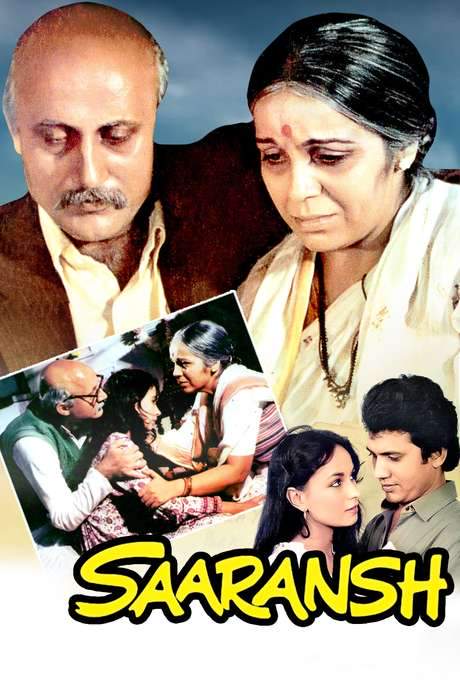
Saaransh (1984) Plot Summary & Ending Explained
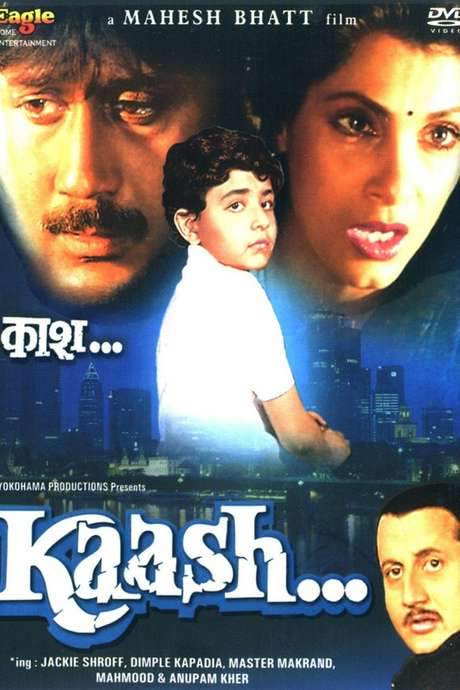
Kaash (1987) Full Movie Breakdown
Mimi (2021) Film Overview & Timeline
Mausam (1975) Full Movie Breakdown
Mamta (1966) Complete Plot Breakdown
Khilona (1970) Plot Summary & Ending Explained
Kamaladalam (1992) Full Movie Breakdown
Khel (1992) Full Movie Breakdown