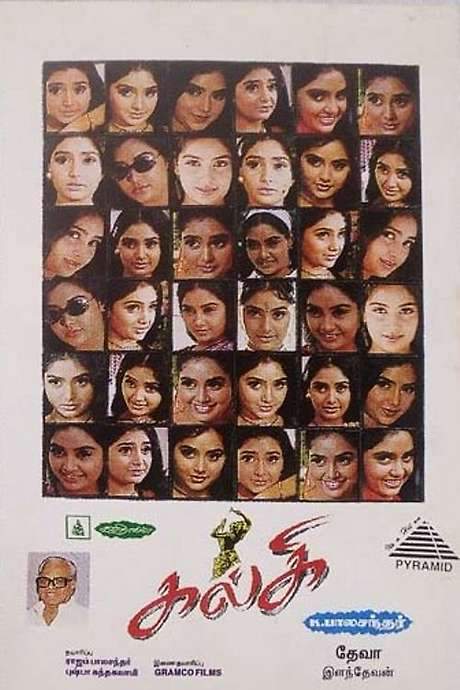
Year: 1996
Runtime: 161 mins
Language: Tamil
Director: K. Balachander
Chellammaa, a talented singer, marries the domineering industrialist Prakash, who despises her inability to bear children and bans her from singing. Their marriage collapses, and Prakash remarries meek Karpagam. Alone, Chellammaa befriends Kalki, an ad‑agency employee who shuns romance. When Chellammaa takes Prakash’s child, their tangled relationships drive the film to its dramatic climax.
Warning: spoilers below!
Haven’t seen Kalki yet? This summary contains major spoilers. Bookmark the page, watch the movie, and come back for the full breakdown. If you're ready, scroll on and relive the story!
Trace every key event in Kalki (1996) with our detailed, chronological timeline. Perfect for unpacking nonlinear stories, spotting hidden connections, and understanding how each scene builds toward the film’s climax. Whether you're revisiting or decoding for the first time, this timeline gives you the full picture.
Last updated: February 17, 2026 at 19:58
Find frequently asked questions about the Kalki (1996) timeline, including chronological order, nonlinear jumps, cause-and-effect links, and scene sequence clarifications. This timeline FAQ helps explain when key events happen, how moments connect, and why the story unfolds in that specific order.
Kalki's affair with Prakash was deliberate. She entered his life specifically to teach him a lesson about his harmful treatment of Chellammaa. When she became pregnant, it was part of her plan to ultimately give the child to Chellammaa, who had been denied motherhood due to Prakash's cruelty about her infertility.
Earlier scenes establish Kalki as someone who challenges conventional relationships and seeks to confront injustice on her own terms.
Kalki reveals to Chellammaa before delivery that the child was born specifically for her sake. Having witnessed the pain Prakash caused Chellammaa through his cruelty about infertility, Kalki wanted to give Chellammaa the child she was never allowed to have, fulfilling her purpose of teaching Prakash a lesson.
Kalki's friendship with Chellammaa deepens throughout the film, showing her growing understanding of Chellammaa's suffering.
Prakash's transformation occurs when Karpagam threatens him with divorce during Kalki's delivery. The lawyer's presence and Karpagam's ultimatum force Prakash to confront the consequences of his actions. Additionally, Kalki's pregnancy and the revelation of the pattern of hurt he inflicted on Chellammaa create pressure that leads him to apologize and seek reformation.
Earlier scenes show Prakash's dismissive attitude toward both Chellammaa and Karpagam, setting up the contrast with his later change.
Karpagam agrees to give Prakash a chance to reform, but imposes strict conditions: he must not hurt Kalki's child and must live with Kalki. This arrangement reflects Karpagam's attempt to maintain her marriage while ensuring Kalki and the child are protected. Her willingness to accept this unusual situation shows her practical approach to preserving the marriage despite the unconventional circumstances.
Karpagam's earlier threat of divorce establishes that she will demand changes if Prakash continues his harmful behavior.
Kalki rejects the proposed arrangement because she never intended to become part of Prakash's household. Her affair was a calculated act of revenge to teach him a lesson, not a desire for a traditional family life. She asserts her independence by refusing to live with them or give up her child, choosing instead to forge her own path.
Kalki's repeated rejections of Paranjothi's advances establish her as someone who defies conventional relationship expectations.
The film indicates Chellammaa suffers from infertility, though the specific medical cause is not detailed. What is clear is that Prakash and his mother use her inability to have children as a weapon to demean and control her, making her infertility a central source of emotional abuse throughout their marriage.
Early scenes show Prakash and his mother ridiculing Chellammaa about her inability to conceive, establishing this as a key form of domestic cruelty.
The divorce results from accumulated emotional abuse. Prakash constantly ridicules Chellammaa about her infertility, echoing his mother's cruelty. When he forbids her from singing, the final straw breaks their already fractured marriage, and Chellammaa chooses to leave rather than continue enduring his domination.
The opening scenes establish the toxic dynamic where Prakash's words and actions systematically erode Chellammaa's confidence and happiness.
After giving birth and entrusting her child to Chellammaa, Kalki faces heavy societal judgment for her unconventional choices. Feeling isolated and alone, she seeks solace with Paranjothi, who had been patiently waiting for her all along. Her confession of love represents her choice to embrace happiness despite social stigma.
Paranjothi's persistent pursuit of Kalki throughout the film, despite her repeated rejections, establishes his genuine devotion.
After Kalki entrusts the newborn to her, Chellammaa steels herself to raise the child as her own. This act gives her the motherhood she was denied and a new purpose in life, though the path ahead remains challenging as she navigates single motherhood and societal expectations.
Chellammaa's earlier grief over her infertility and loss of her marriage sets up this moment as her path to redemption and fulfillment.
Kalki's plan exposes the hypocrisy of Prakash's behavior by making him experience the same emotional turmoil he inflicted on Chellammaa. By having his child and then giving that child to Chellammaa, she forces him to confront the consequences of his cruelty while simultaneously giving Chellammaa the child he denied her. It is a form of poetic justice that makes him reckon with his past actions.
Kalki's conversations with Chellammaa reveal her understanding of the pain Prakash caused, motivating her retaliation.
Discover curated groups of movies connected by mood, themes, and story style. Browse collections built around emotion, atmosphere, and narrative focus to easily find films that match what you feel like watching right now.
Emotionally heavy dramas set within the confines of family life.Explore more movies like Kalki that delve into the heavy emotional landscapes of family, marriage, and societal expectation. These films share a melancholic tone and a steady, character-driven pace.
Stories in this thread typically follow characters grappling with personal failings, unfulfilled desires, or oppressive family dynamics. The narrative unfolds in a steady, deliberate manner, focusing on psychological tension and emotional revelation rather than high-stakes action, often culminating in a bittersweet or ambiguous resolution.
These films are grouped together because they share a specific emotional palette—melancholy—and a common setting—the domestic sphere. They prioritize internal conflict and the weight of unspoken emotions, creating a cohesive viewing experience for those seeking thoughtful, character-centric drama.
Stories of broken individuals finding a fragile new purpose.Find more films like Kalki that follow broken characters on a path toward a complex, bittersweet redemption. These movies explore themes of loss, sacrifice, and finding new meaning after a personal collapse.
The narrative pattern involves a protagonist facing a profound loss or failure that shatters their identity. The story then charts their often-isolated struggle, sometimes involving morally complex choices, as they seek a new path forward. The redemption achieved is seldom complete, leaving characters with scars but a renewed sense of direction.
Movies in this thread are linked by their focus on a specific character arc: from collapse to a hard-won, imperfect redemption. They share a heavy emotional weight and a tone that balances despair with glimmers of hope, appealing to viewers interested in profound personal transformations.
Don't stop at just watching - explore Kalki in full detail. From the complete plot summary and scene-by-scene timeline to character breakdowns, thematic analysis, and a deep dive into the ending - every page helps you truly understand what Kalki is all about. Plus, discover what's next after the movie.
Read a complete plot summary of Kalki, including all key story points, character arcs, and turning points. This in-depth recap is ideal for understanding the narrative structure or reviewing what happened in the movie.
Discover the characters, locations, and core themes that shape Kalki. Get insights into symbolic elements, setting significance, and deeper narrative meaning - ideal for thematic analysis and movie breakdowns.
Discover movies like Kalki that share similar genres, themes, and storytelling elements. Whether you’re drawn to the atmosphere, character arcs, or plot structure, these curated recommendations will help you explore more films you’ll love.
Kalki (1996) Plot Summary & Movie Recap
Kalki (1996) Scene-by-Scene Movie Timeline
Kalki (1996) Spoiler-Free Summary & Key Flow
Movies Like Kalki – Similar Titles You’ll Enjoy
Kallachirippu (1000) Story Summary & Characters
Chemistry of Kariyappa (2019) Full Movie Breakdown
Chellata (2006) Film Overview & Timeline
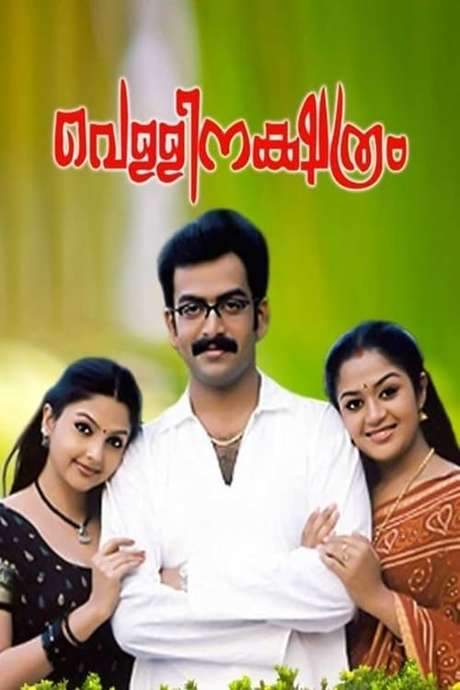
Vellinakshatram (2004) Complete Plot Breakdown
Kaliyil Alpam Karyam (1984) Full Movie Breakdown
Chidambaram (1985) Plot Summary & Ending Explained
Chandamama (2007) Story Summary & Characters
Chithram (1988) Movie Recap & Themes
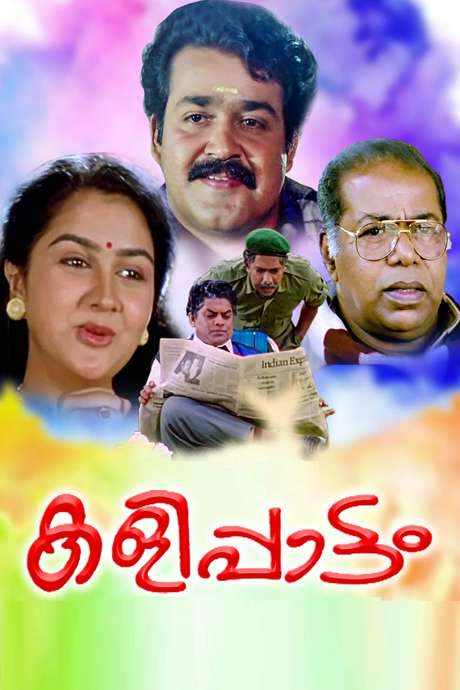
Kalippattam (1993) Plot Summary & Ending Explained
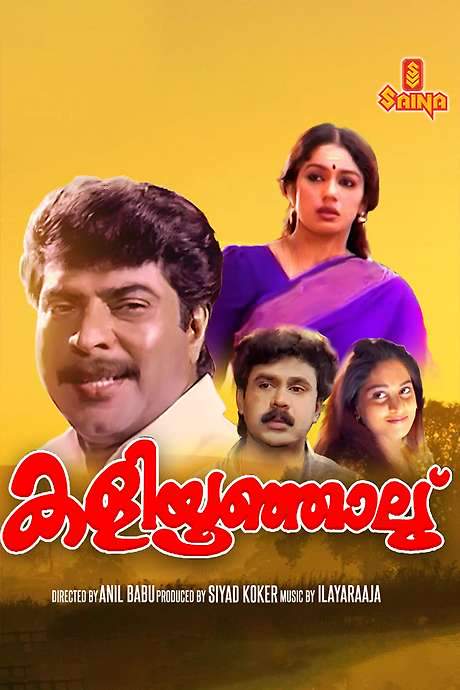
Kaliyoonjal (1997) Full Summary & Key Details
Suvarilladha Chiththirangal (1979) Plot Summary & Ending Explained
Kalyana Kacheri (1997) Film Overview & Timeline
Kalathur Kannamma (1960) Ending Explained & Film Insights
Gokulam (1993) Complete Plot Breakdown
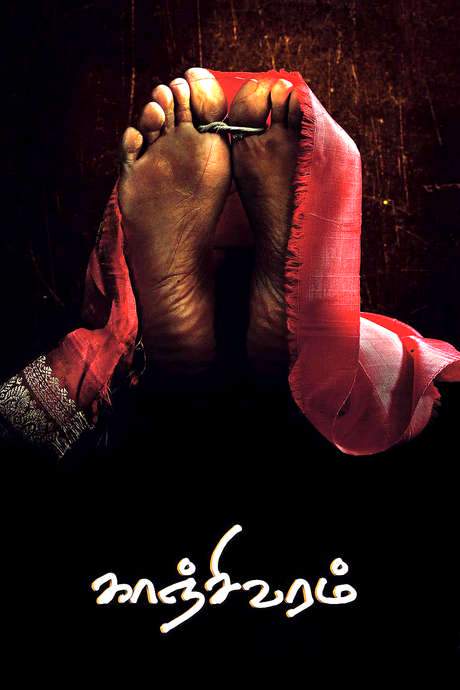
Kanchivaram (2008) Full Movie Breakdown