Plot Explained Spoilers guaranteed!
Plot Explained

Browse by genre

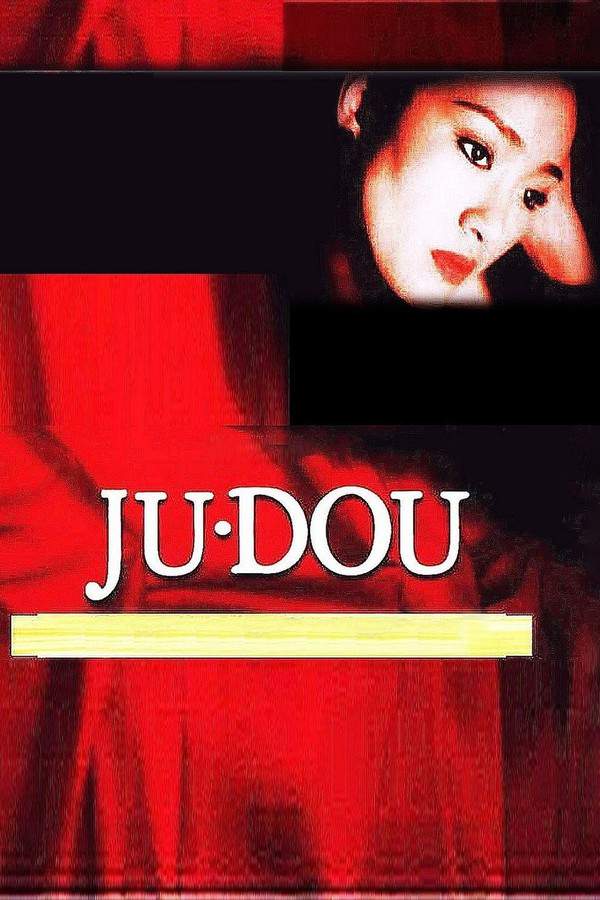
Ju Dou (1991) movie poster

Characters & Themes

Ju Dou (1991) Characters, Setting & Themes Explained

Release, runtime and language
1991 · 1 h 35 m · Chinese
Loading streaming availability…
Directed by
Yimou Zhang, Fengliang Yang
Starring
Baotian Li, Zhang Yi, Wei Li, Gong Li, Ji-an Zheng, Ma Chong

Set in a remote Chinese village, a newly wed woman endures the cruelty of her husband, the domineering owner of a silk‑dyeing workshop. Seeking escape, she begins a clandestine affair with her husband's nephew, which brings fleeting comfort. When she discovers she is pregnant, the secret threatens to unravel their fragile world.

On this page (8)
  1. 1 Where to watch
  2. 2 Characters explained (5)
  3. 3 Where & when it takes place
  4. 4 Themes & meaning (3)
  5. 5 Character & meaning questions
  6. 6 Movie threads
  7. 7 Movies like Ju Dou
  8. 8 Every angle
Loading streaming availability…

5 main characters · contains spoilers

Ju Dou Characters Explained: Who Is Who

The main characters of Ju Dou (1991), heroes and villains: what drives them, how they change over the course of the story and what each of them reveals about the film's bigger ideas.

  • Tianqing (Baotian Li)

    Tianqing is a compassionate yet impulsive figure who returns from selling silk and becomes entangled with Ju Dou. His feelings push him to defy Jinshan’s cruelty, and he helps Ju Dou in keeping their relationship and their child a secret. His fate ends with the revelation of truth leading to his death at the hands of his son, Tianbai.

    • 💔 Forbidden Love
    • ⚖️ Moral Dilemma
  • Jinshan (Wei Li)

    A cruel fabric dyer who rules his household with fear. He previously killed two wives who could not bear him a son, and he subjects Ju Dou to torture. His control collapses after a stroke; he then attempts murder and arson, and ultimately drowns in a dye vat.

    • 💢 Cruelty
    • ⚖️ Patriarchy
  • Ju Dou (Gong Li)

    Ju Dou is the new wife who endures Jinshan’s brutality and enters a forbidden relationship with Tianqing. She becomes pregnant and, seeking safety, contemplates abortion at a nunnery. Her actions drive much of the plot’s drama, culminating in a final, desperate confrontation and the mill’s fiery end.

    • 💔 Forbidden Love
    • 🧭 Social Constraints
  • Tianbai (child) (Zhang Yi)

    The son of Ju Dou and Tianqing, raised under the shadow of rumors about his parents. He grows into a troubled child who becomes angry and dangerous, nearly killing a local gossipmonger as rumors threaten the family’s stability. His growing hostility ultimately shapes the climactic events.

    • 😠 Anger
  • Tianbai (teenager) (Ji-an Zheng)

    As a teenager, Tianbai embodies rebellion and resentment fueled by rumors of infidelity. He intensifies the family’s tragedy by lashing out, participating in the final, devastating sequence that leads to his father’s death and the fire that ends the mill.

    • 😡 Rebellion

Last updated: October 05, 2025 at 08:45

Was this helpful?

Setting

Where and When Does Ju Dou Take Place?

The setting of Ju Dou (1991): the year and time period, the places and locations, and how they shape the characters, the mood and the tension of the story.

Time period

Early 20th century

The events unfold in a period when traditional gender roles and patriarchal authority dominate village life. Social norms discourage infidelity and protest, amplifying the consequences of personal choices. Economic dependence on family-run enterprises like the dye mill intensifies the stakes for everyone involved.

Location

Rural China

Set in rural China at the turn of the 20th century, the story centers on a small dye mill and the people who work there. The environment is intimate and harsh, with labor, power, and tradition shaping everyday life. The dye mill itself becomes the focal point for the characters’ relationships and conflicts.

  • 🗺️ Rural China
  • 🏭 Dye mill
  • 🎭 Drama

Last updated: October 05, 2025 at 08:45

Was this helpful?

3 major themes

Ju Dou Meaning: Themes & Message Explained

What is Ju Dou (1991) really about? The emotional, social and philosophical themes the film keeps returning to, its symbolism and the message beneath the surface.

  • Forbidden Love

    Ju Dou and Tianqing’s affair breaches the bounds set by Jinshan and the surrounding community. Their growing passion is pursued in secrecy, risking disgrace and violence. The relationship becomes a catalyst for deception, tragedy, and the unraveling of family bonds.

  • Power Abuse

    Jinshan exercises brutal control over his household, using fear and violence to enforce obedience. His past killings of wives and his ongoing tyranny demonstrate how patriarchal power can crush individuals’ autonomy. The cruelty intensifies the stakes for Ju Dou and Tianqing as they navigate survival and rebellion.

  • Family Tragedy

    The story spirals toward an inescapable fate as secrets accumulate and loyalties fracture. Infidelity, deception, and revenge culminate in a final cascade of violence and fire. The characters’ attempts to shield themselves ultimately lead to devastating losses and the mill’s destruction.

Last updated: October 05, 2025 at 08:45

Was this helpful?

Character & theme questions

Ju Dou Characters & Meaning: Your Questions Answered

The questions people ask about Ju Dou (1991): who the characters really are, their relationships, what the symbols mean, where it takes place and what the movie is really about. Each answer contains spoilers.

Q1

What is the setting of Ju Dou and how does it influence the story?

The story takes place in rural China at a small dye mill during the early 20th century. The dye mill serves as both the primary setting and a symbol of the characters' lives, it is an intimate yet harsh environment where labor, power, and tradition intersect. The mill's enclosed, oppressive atmosphere reflects the confined lives of the characters, especially Ju Dou, whose existence revolves around the demands of her husband Jinshan and the family business.

Foreshadowing: The dye mill's physical confinement mirrors the emotional imprisonment the characters experience throughout the film.

  • rural china
  • dye mill
  • setting
  • early 20th century
Q2

When does Ju Dou take place?

The film is set in the early 20th century in rural China, a time when traditional gender roles and patriarchal authority dominated village life. This era is characterized by strict social norms that discourage infidelity and protest, making the consequences of personal choices especially severe. The period also saw family-run enterprises like the dye mill serving as the primary economic units, intensifying the stakes for everyone dependent on them.

  • early 20th century
  • time period
  • rural china
  • historical setting
Q3

What is the Forbidden Love theme in Ju Dou about?

The Forbidden Love theme centers on Ju Dou's clandestine affair with Tianqing, her husband's nephew. Their relationship breaches the strict moral boundaries set by Jinshan and the surrounding community, pursued in secrecy to avoid disgrace and violence. This forbidden passion becomes a catalyst for deeper deception, tragedy, and the eventual unraveling of family bonds, showing how love in an oppressive environment can lead to both comfort and catastrophe.

Foreshadowing: Early scenes establish the oppressive nature of Ju Dou's marriage, making her connection with Tianqing feel like an inevitable escape.

  • forbidden love
  • affair
  • Ju Dou
  • Tianqing
  • romance
Q4

How does Power Abuse function as a theme in Ju Dou?

Power Abuse theme explores how Jinshan exercises brutal control over his household through fear and violence, demanding absolute obedience. Having already killed two wives who could not bear him a son, he subjects Ju Dou to continuous torture and domination. His patriarchal tyranny demonstrates how unchecked power can crush individual autonomy, intensifying the danger faced by Ju Dou and Tianqing as they attempt to resist and escape his cruelty.

Foreshadowing: The opening scenes establish Jinshan's violent history and his iron grip over the household, setting the stage for the rebellion that follows.

  • power abuse
  • Jinshan
  • cruelty
  • patriarchy
  • domestic violence
Q5

What does the Family Tragedy theme in Ju Dou explore?

The Family Tragedy theme depicts how the story spirals toward an inescapable fate as secrets accumulate and loyalties fracture. Infidelity, deception, and revenge build toward a final cascade of violence and fire. The characters' attempts to protect themselves and their child ultimately lead to devastating losses, including the destruction of the mill itself. This theme emphasizes how the characters' desperate choices in an oppressive system result in ruin for everyone involved.

Foreshadowing: The escalating secrets and lies plant the seeds for the tragic climax from the earliest acts of infidelity.

  • family tragedy
  • fate
  • violence
  • destruction
  • secrets
Q6

Who is Ju Dou and what is her role in the story?

Ju Dou is the new wife who marries the cruel dye mill owner Jinshan. She endures his brutal control and eventually enters a forbidden relationship with his nephew Tianqing. Her pregnancy becomes both a source of hope and a dangerous secret that threatens to unravel everything. Her actions drive much of the plot's drama as she navigates survival, desire, and ultimately a desperate confrontation that leads to the film's tragic end.

Foreshadowing: From her introduction, Ju Dou's resilience and quiet resistance signal her willingness to defy her oppressive circumstances.

  • Ju Dou
  • protagonist
  • wife
  • Gong Li
Q7

Who is Jinshan and what makes him a cruel character?

Jinshan is the domineering owner of the dye mill who rules his household with fear and violence. He previously killed two wives who failed to bear him a son, and he subjects Ju Dou to constant torture. After suffering a stroke that weakens his physical control, he attempts murder and arson to maintain his power, ultimately meeting his doom by drowning in a dye vat. His character represents the destructive nature of unchecked patriarchal authority.

Foreshadowing: Early mentions of his dead wives foreshadow his capacity for violence and his obsession with legacy.

  • Jinshan
  • villain
  • abusive husband
  • patriarch
Q8

Who is Tianqing and what motivates him?

Tianqing is Jinshan's nephew, a compassionate but impulsive young man who sells silk and returns to work at the mill. He becomes entangled with Ju Dou and helps her keep their relationship and child secret. His feelings for Ju Dou compel him to defy Jinshan's cruelty, but his fate ends tragically when his own son Tianbai discovers the truth and kills him, fulfilling the tragic arc of the family's destruction.

Foreshadowing: Tianqing's return from selling silk marks the beginning of his involvement in the affair that will ultimately destroy the family.

  • Tianqing
  • nephew
  • love interest
  • Baotian Li
Q9

Who is Tianbai and how does he fit into the story?

Tianbai is the son of Ju Dou and Tianqing, raised under the shadow of rumors about his parents' infidelity. As a child, he nearly kills a local gossipmonger in anger over rumors threatening the family. As a teenager, his resentment intensifies, fueled by the stigma of illegitimacy. This rebellion ultimately shapes the climactic events, as he participates in the devastating sequence that leads to his father's death and the fire that destroys the mill.

Foreshadowing: Tianbai's violent reactions to rumors as a child hint at the destructive rage that will define his teenage years.

  • Tianbai
  • son
  • revenge
  • generational trauma
Q10

How does the film portray patriarchal society in early 20th century China?

Ju Dou portrays a patriarchal society where women had no autonomy and were dependent on male relatives. Jinshan's complete control over Ju Dou exemplifies how men held legal and social authority over wives. The social norms strictly discourage infidelity, especially for women, while men wielded power without consequence. The film shows how this system crushes individual desire, forcing characters into desperate acts that lead to tragedy when they try to escape or resist.

  • patriarchy
  • oppression
  • gender roles
  • social norms
  • china

Movie threads

More Movies Like Ju Dou, by Mood & Story

Curated lists built around what makes Ju Dou tick: the same mood, the same kind of story or the same emotional payoff. Each list explains why these movies belong together.

Movies about forbidden love in oppressive systems like Ju Dou

Desperate romances that challenge and are crushed by rigid social orders. If you liked the tragic romance of Ju Dou, explore other movies where forbidden love defies a cruel social order. These films share a heavy emotional weight and bleak tone, depicting characters whose desperate passions clash with unchangeable, patriarchal, or feudal worlds.

  • tragic
  • oppressive
  • forbidden love
  • desperate
  • fatalistic
  • melancholic
  • Tone: dark, tragic, desperate
  • Pacing: slow, deliberate
Why these movies?

The story pattern: The narrative follows characters who find solace in a secret relationship that defies the oppressive rules of their world. This rebellion initially offers hope but inevitably triggers a chain of consequences, leading to discovery, punishment, and a fated, catastrophic ending.

Why they belong together: These films are grouped by their core conflict: human desire versus an immovable system. They share a dark tone, high emotional intensity, and a focus on the devastating cost of seeking freedom within a cage, resulting in a coherently tragic viewing experience.
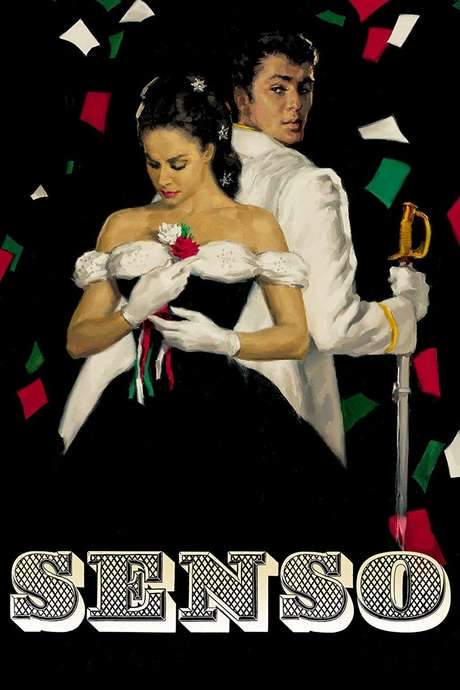
Slow burn dramas with a claustrophobic vibe like Ju Dou

Stories where tension builds relentlessly within a suffocating environment. Find movies like Ju Dou that use a slow pace to build a suffocating atmosphere. These similar dramas and thrillers trap characters in confined, oppressive worlds—be it a family home, a village, or an institution—where dread builds relentlessly towards a heavy, often bleak conclusion.

  • slow burn
  • claustrophobic
  • oppressive
  • somber
  • dread
  • melancholic
  • Tone: somber, tense, bleak
  • Pacing: slow burn, deliberate
Why these movies?

The story pattern: The narrative unfolds gradually, emphasizing atmosphere over rapid plot twists. Characters are trapped physically and psychologically, with the confined setting amplifying their conflicts. The slow pacing allows dread to accumulate organically, making the eventual eruption of violence or tragedy feel both shocking and inevitable.

Why they belong together: These films are united by their shared pacing and atmospheric focus. They prioritize a palpable sense of place and a slowly tightening psychological vise, creating a specific kind of tense, immersive, and emotionally draining experience for the viewer.

If you liked this

Movies Like Ju Dou

Similar movies to Ju Dou: the same genre, themes or kind of story. Each one comes with its own plot summary, timeline and ending explained.

Browse all movie summaries

Every angle

Ju Dou (1991) Explained: Plot, Timeline & Characters

Everything about Ju Dou in one place: what happens in the plot summary, the timeline in chronological order, the characters and meaning and a spoiler-free summary. What's After the Movie adds the cast, box office and post-credit scenes.

Coming soon on iOS and Android

The Plot Explained Movie Summary App

Plot summaries, endings explained and timelines on your phone. Catch up on any movie in minutes, save your favorites and never miss a twist again.

Be the first to know when we launch. Your email stays private, always.

Learn more about the app