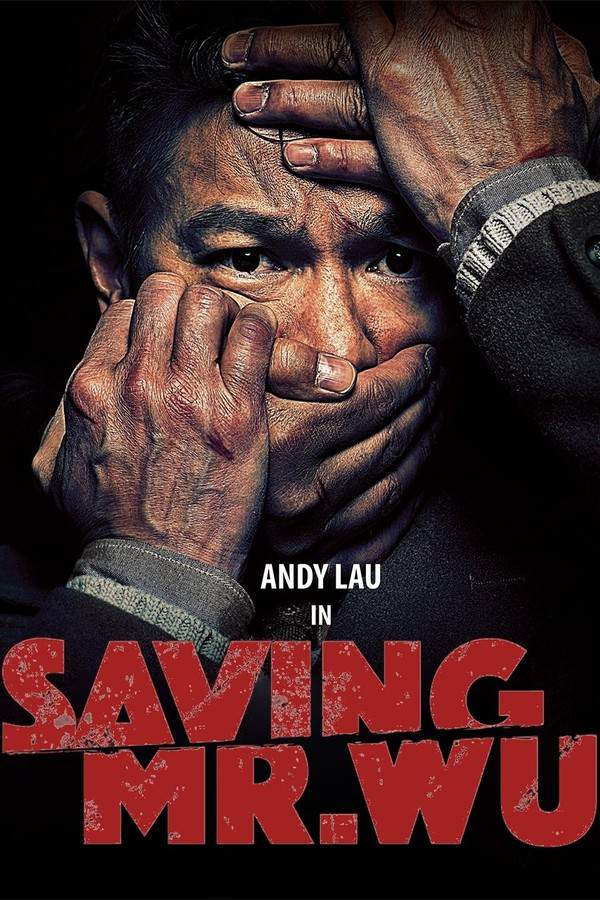
A celebrated Hong Kong movie star is abducted from the streets by criminals posing as police officers. The police force launches a race against time to locate and rescue the celebrity before it’s too late. As the situation escalates, a desperate game of cat and mouse ensues, testing the skills of both the police and the cunning kidnappers.
Find where to stream, rent, or buy Saving Mr. Wu (2015) in the US with current JustWatch availability, up-to-date pricing, and platform listings for subscription, rental, and digital purchase options.
Warning: spoilers below!
Haven’t seen Saving Mr. Wu yet? This summary contains major spoilers. Bookmark the page, watch the movie, and come back for the full breakdown. If you're ready, scroll on and relive the story!
Read the complete plot breakdown of Saving Mr. Wu (2015), including all key story events, major twists, and the ending explained in detail. Discover what really happened, and what it all means.
In 1961 London, struggling author Pamela “P. L.” Travers (Emma Thompson) finds herself in a tough situation when her agent Diarmuid Russell (Ronan Vibert) persuades her to travel to Los Angeles to meet with the legendary Walt Disney (Tom Hanks). For twenty years, Disney has sought the film rights to her beloved Mary Poppins stories at the behest of his daughters, who wish for a film adaptation. Despite this, Travers remains extremely reluctant, harboring disdain for Disney’s background primarily in animated films.
Flashbacks reveal Travers’ formative years in Allora, Queensland during 1906, which deeply influenced her creation of Mary Poppins. She shares a close bond with her charming and handsome father Travers Robert Goff (Colin Farrell), who tragically succumbs to alcoholism.
Upon reaching Los Angeles, Travers is confronted by the city’s perceived unreality and the overly optimistic demeanor of its residents, embodied by her overly friendly chauffeur Ralph (Paul Giamatti). At the Walt Disney Studios in Burbank, she collaborates with the film’s creative team, including screenwriter Don DaGradi (Bradley Whitford) and the Sherman brothers, Richard and Robert (Jason Schwartzman and B.J. Novak), both of whom embody the casual attitude that irks Travers.
Right from the start, Travers sets a challenging tone for the collaboration. She stresses that Mary Poppins is an embodiment of pragmatism over sentimentality, leaving the team in a state of confusion. They struggle to comprehend her aversion to fantasy, especially when her own childhood holds such vibrant imaginations. Notably, Travers has a significant emotional stake in the character of George Banks, which she feels the team misrepresents, prompting her to express distress during their sessions.
The character of Mr. Banks draws from Travers’ own father, whose inability to battle his addiction led to tragic repercussions at his banking job, including ridicule from superiors. Conversely, Disney’s team mistakenly interprets Mr. Banks as a mere villain, out to exploit others for profit—an interpretation that deeply offends Travers. Interestingly, Mary Poppins herself is modeled loosely after a nanny hired by Travers’ family after her father’s decline. This nanny embodied strictness and falsely promised to provide order during turbulent times, a promise that ultimately goes unfulfilled with her father’s passing, further complicating Travers’ feelings towards those in positions of care.
As Travers continues her work with the team, she becomes increasingly isolated, haunted by painful memories that numb her engagement with the present. In a bid to address her disquiet, Disney invites her to Disneyland, where her bond with Ralph, adjustments to the portrayal of George Banks, and the incorporation of a new song gradually soften her demeanor. As her imagination reignites, she begins to participate more actively with the team.
However, this forward momentum shatters when Travers uncovers plans for animation within the film—something she adamantly opposes. A confrontation ensues when she declares she will not relinquish the film rights, causing her to storm back to London. Taking note of her pen name, Disney is enlightened by her real identity as Helen Goff and resolutely follows her back to London, determined to mend their fractured relationship.
In a fortuitous turn of events, Disney arrives unannounced at Travers’ home, sharing aspects of his own flawed childhood while highlighting the potential healing power of storytelling. His heartfelt plea prompts Travers to acknowledge the aspects of her disillusionment, ultimately leading her to grant the film rights, a pivotal moment for both their journeys.
Fast forward to 1964, the world premiere of Mary Poppins approaches at Grauman’s Chinese Theatre. However, Travers finds herself uninvited due to Disney’s concerns about her potential negativity. Egged on by her agent, she crashes Disney’s office, manages to secure an invitation, and reluctantly attends the premiere. Initially viewing the film with skepticism, particularly during the animated sequences, Travers slowly transforms her stance, finding herself emotionally impacted by Mary Poppins, especially moved by the redemptive arc of George Banks, an experience that resonates deeply with her own life.
The film concludes with a poignant recording of an actual session featuring Travers, the Sherman Brothers, and DaGradi, highlighting the intricate dance between creation and personal experience.
Last updated: October 25, 2024 at 10:50
Explore frequently asked questions about Saving Mr. Wu (2015) with spoiler-rich answers covering the full plot summary, major story beats, character motivations, hidden details, and ending meaning. This movie summary FAQ helps explain confusing scenes, plot twists, and narrative decisions in clear, searchable detail.
Travers resisted because she viewed Disney's approach as overly sentimental and feared her beloved character would be reduced to a shallow Disney fantasy. More deeply, she had profound personal connections to the story, George Banks was based on her own father, and she felt the Disney team misunderstood and misrepresented this emotional core. She also opposed incorporating animation, which she saw as a betrayal of the pragmatic nature she believed Mary Poppins embodied.
Earlier scenes show Travers' flashback memories of her father's decline, revealing why the Banks character carries such personal weight.
George Banks in Mary Poppins is directly modeled after Travers' own father, Travers Robert Goff. Like Mr. Banks, her father worked at a bank but struggled with alcoholism, which led to his downfall and eventual death. The Disney team initially misinterpreted Mr. Banks as a simple villain seeking profit, which deeply offended Travers because it reduced her father's tragic complexity to a one-dimensional caricature.
The flashbacks to 1906 Allora show her father's charming personality before his decline, establishing the emotional foundation for the character.
Travers opposed animation because she believed Mary Poppins represented pragmatic realism, not fantasy. She felt that adding animated sequences would transform her story into the very kind of whimsical Disney product she despised. This confrontation became the breaking point that sent her back to London, as she saw it as a fundamental violation of everything she believed the character should be.
Travers' earlier insistence on 'pragmatism over sentimentality' foreshadows her categorical rejection of any fantastical elements.
Disney traveled to London unannounced after learning Travers' real name was Helen Goff. He personally shared stories of his own difficult childhood and flawed father, creating an emotional connection through shared trauma. His honesty about understanding loss and the healing power of storytelling moved Travers to reconsider. Rather than continuing to fight for his vision, he demonstrated genuine understanding of her pain, which ultimately led her to grant the rights.
Disney's earlier invitation to Disneyland showed his willingness to compromise, but his personal confession in London proved decisive.
Travers was moved because the film portrayed George Banks' redemption arc, a narrative where the father figure is saved through his family's love. This directly mirrored her own unspoken wish: that her father could have been redeemed from alcoholism. Watching the film, she saw her personal tragedy transformed into something beautiful and redemptive, which overwhelmed her with emotions she had suppressed throughout the production.
The entire film traces Travers' resistance gradually softening, building toward this emotional release at the premiere.
In 1906 in Allora, Queensland, Travers' father Travers Robert Goff was a charming and handsome man who tragically succumbed to alcoholism. His decline devastated the family and profoundly shaped Travers' writing, particularly her complex portrayals of father figures. This trauma directly influenced her creation of Mary Poppins and her insistence that the character represents strictness and order amid chaos, traits she associated with a nanny her family hired after her father's death.
The opening scenes establish her father's charm before the flashbacks reveal his tragic end.
Travers stormed out when she discovered Disney planned to include animation in Mary Poppins. This wasn't just a creative disagreement, it represented everything she feared about Hollywood distorting her work. She declared she would not relinquish the film rights and returned to London, believing the collaboration was irreparably broken. This moment represented the climax of her resistance to the entire Hollywood process.
Her earlier complaints about the team's 'casual attitude' and misunderstanding of her work built tension toward this breaking point.
Disney discovered that P.L. Travers' real name was Helen Goff. When he learned this, he realized she had been hiding behind a pen name throughout their negotiations. This revelation prompted him to follow her to London and approach her as Helen rather than as the professional author he'd been dealing with. Understanding her personal identity became key to connecting with her on a human level rather than a business level.
The use of a pen name itself signals her desire to maintain distance and protect her private self.
Disney uninvited Travers from the premiere because he feared her known negativity would dampen the celebratory atmosphere. Having witnessed her persistent criticism and resistance throughout production, he worried she'd react poorly to the finished film or make负面 comments that would spoil the event. However, Travers' agent encouraged her to assert herself, leading her to crash Disney's office and demand an invitation.
Her history of criticism throughout production created tension that led to this exclusion.
Ralph, Travers' overly optimistic chauffeur in Los Angeles, initially represented everything she disliked about Hollywood's superficial positivity. However, her interactions with him at Disneyland became unexpectedly meaningful. Through casual conversations, he helped bridge her cynicism with the possibility of genuine emotion. His simple humanity and persistence in being kind despite her coldness gradually wore down her defenses.
Her initial annoyance with Ralph's optimism contrasts with her later warmth toward him.
Disney pursued the rights for twenty years at the behest of his own daughters, who loved the Mary Poppins books and repeatedly asked him to make a film adaptation. This personal motivation, creating something for his children, drove his persistence despite Travers' repeated rejections. The project represented his desire to give his daughters the same magical experience he'd read to them about.
Disney mentions his daughters early in negotiations, establishing the personal stake behind his determination.
Discover curated groups of movies connected by mood, themes, and story style. Browse collections built around emotion, atmosphere, and narrative focus to easily find films that match what you feel like watching right now.
High-stakes police operations to rescue a hostage before time runs out.If you liked the urgent, high-stakes rescue operation in Saving Mr. Wu, explore these movies. This collection features tense thrillers and procedural dramas where police or heroes must outsmart kidnappers in a desperate race against the clock.
Stories in this thread follow a linear, escalating conflict where a kidnapping or abduction sets a ticking clock in motion. The plot unfolds through a dual perspective, alternating between the captors' cunning maneuvers and the investigators' methodical yet frantic efforts to locate and safely extract the victim before a tragic outcome.
These movies are grouped by their core narrative engine: a high-stakes kidnapping that creates immediate, sustained tension. They share a focus on police procedure, strategic interplay between captors and rescuers, and a steady pacing that builds towards a climactic, often bittersweet, resolution.
Stories where law enforcement engages in a psychological battle with criminals.For viewers who enjoyed the strategic confrontation in Saving Mr. Wu, this list features similar crime stories. These films explore the complex duel between cops and criminals, where intelligence and perseverance are key, often leading to emotionally heavy and bittersweet conclusions.
The narrative pattern involves a direct confrontation between two opposing forces: a lawful institution (like the police) and a criminal element. The story is built on their interactions—be it negotiation, pursuit, or mind games—exploring the moral and psychological dimensions of the conflict rather than relying solely on spectacle.
Movies are grouped here based on their core dynamic of a cerebral duel between cop and criminal. They share a medium intensity driven by psychological tension, a steady pace that allows for character depth, and a tone that often acknowledges the gray areas and heavy costs of justice.
Don't stop at just watching - explore Saving Mr. Wu in full detail. From the complete plot summary and scene-by-scene timeline to character breakdowns, thematic analysis, and a deep dive into the ending - every page helps you truly understand what Saving Mr. Wu is all about. Plus, discover what's next after the movie.
Track the full timeline of Saving Mr. Wu with every major event arranged chronologically. Perfect for decoding non-linear storytelling, flashbacks, or parallel narratives with a clear scene-by-scene breakdown.
Discover the characters, locations, and core themes that shape Saving Mr. Wu. Get insights into symbolic elements, setting significance, and deeper narrative meaning - ideal for thematic analysis and movie breakdowns.
Discover movies like Saving Mr. Wu that share similar genres, themes, and storytelling elements. Whether you’re drawn to the atmosphere, character arcs, or plot structure, these curated recommendations will help you explore more films you’ll love.
Saving Mr. Wu (2015) Scene-by-Scene Movie Timeline
Saving Mr. Wu (2015) Movie Characters, Themes & Settings
Saving Mr. Wu (2015) Spoiler-Free Summary & Key Flow
Movies Like Saving Mr. Wu – Similar Titles You’ll Enjoy
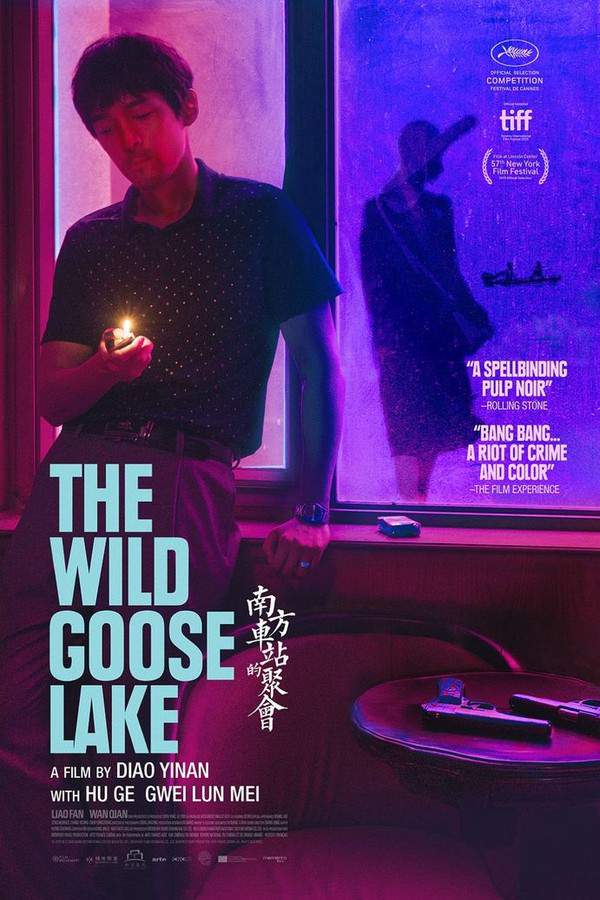
The Wild Goose Lake (2020) Plot Summary & Ending Explained
Man of Tai Chi (2013) Movie Recap & Themes
Dai si gin (2006) Story Summary & Characters
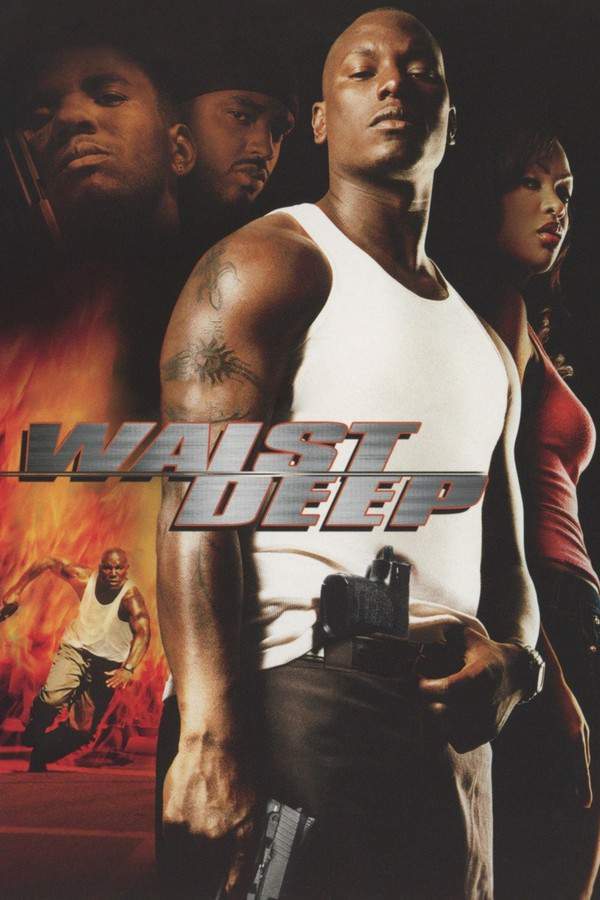
Waist Deep (2006) Movie Recap & Themes
Police Story: Lockdown (2015) Detailed Story Recap
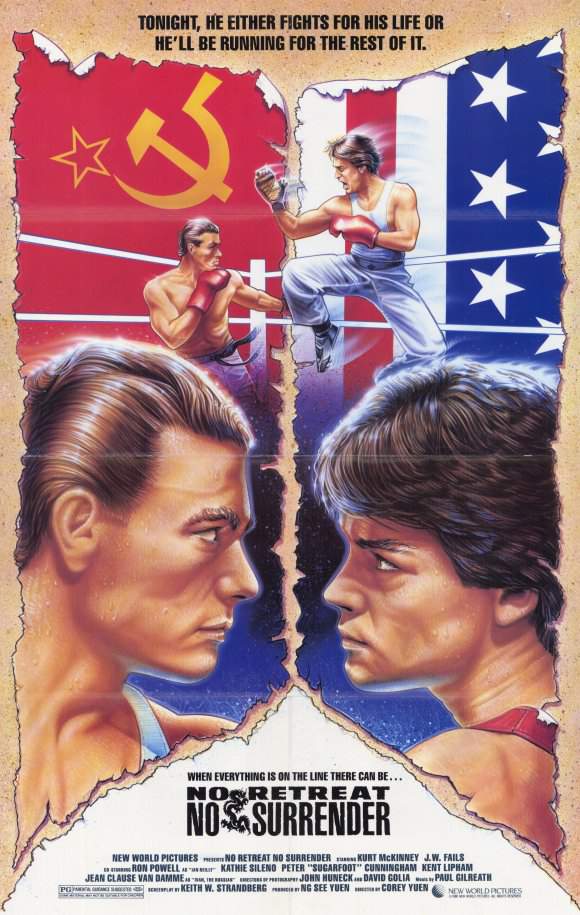
No Retreat, No Surrender (1986) Film Overview & Timeline
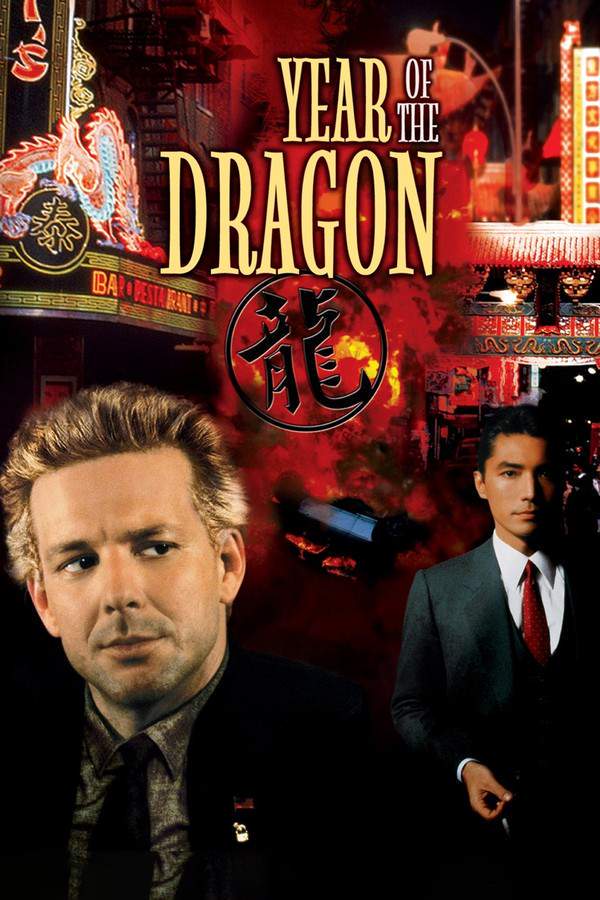
Year of the Dragon (1985) Film Overview & Timeline
People’s Hero (1987) Complete Plot Breakdown
Little Godfather from Hong Kong (1974) Complete Plot Breakdown
The Bodyguard from Beijing (1994) Detailed Story Recap
Mr. Wong in Chinatown (1939) Plot Summary & Ending Explained
Man Wanted (1995) Full Movie Breakdown
Up to His Ears (1965) Story Summary & Characters
Shaolin Rescuers (1979) Ending Explained & Film Insights
Made in Hong Kong (1997) Detailed Story Recap