Year: 1995
Runtime: 139 min
Language: English
Director: James Ivory
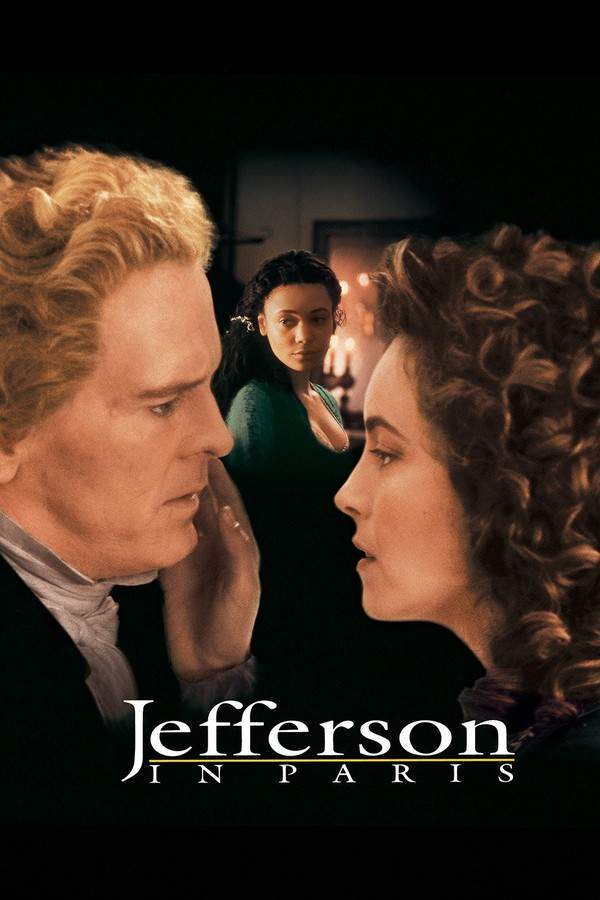
While serving as the American ambassador to France in the 1780s, Thomas Jefferson, still mourning his wife, becomes entangled in a passionate relationship with artist Maria Cosway. His personal life is further complicated by the arrival of his daughter and her enslaved companion, Sally Hemings. Navigating the lavish world of 18th-century Paris, Jefferson must reconcile his duties, his desires, and the challenging realities of love, family, and the societal constraints of the era.
Find where to stream, rent, or buy Jefferson in Paris (1995) in the US with current JustWatch availability, up-to-date pricing, and platform listings for subscription, rental, and digital purchase options.
Warning: spoilers below!
Haven’t seen Jefferson in Paris yet? This summary contains major spoilers. Bookmark the page, watch the movie, and come back for the full breakdown. If you're ready, scroll on and relive the story!
Trace every key event in Jefferson in Paris (1995) with our detailed, chronological timeline. Perfect for unpacking nonlinear stories, spotting hidden connections, and understanding how each scene builds toward the film’s climax. Whether you're revisiting or decoding for the first time, this timeline gives you the full picture.
Last updated: November 03, 2024 at 12:56
Find frequently asked questions about the Jefferson in Paris (1995) timeline, including chronological order, nonlinear jumps, cause-and-effect links, and scene sequence clarifications. This timeline FAQ helps explain when key events happen, how moments connect, and why the story unfolds in that specific order.
Jefferson, still mourning his late wife Martha, finds himself emotionally vulnerable while living in Paris as the American ambassador. Maria Cosway, the wife of a nobleman, becomes a source of comfort and connection during this lonely period. Their romantic entanglement develops through shared cultural interests and emotional intimacy, with Jefferson's minor injury during a horseback ride serving as a pivotal moment that brings them closer.
James Hemings, Jefferson's educated slave, experiences a transformative period in France where slavery is not legally recognized. Working alongside skilled French chefs in Jefferson's kitchen, he gains exposure to a society that does not practice slavery. This experience empowers him to recognize that he is not bound by the same restrictions he faced in America, leading him to seek compensation for his labor, a significant turning point in his personal awakening.
Sally Hemings accompanies Polly Jefferson to Paris when Polly is brought from Virginia to join her father and sister. As Jefferson's teenage slave and maidservant, Sally's arrival marks the beginning of her direct presence in Jefferson's household during his diplomatic mission. This reunion sets the stage for the complex relationship that develops between them.
When Sally reveals she is pregnant by her brother James, Jefferson calls upon his daughter Patsy to witness a solemn promise: he will eventually emancipate Sally and their children upon their return to Virginia. This pivotal moment forces Jefferson to confront the moral contradictions between his abolitionist ideals and his status as a slave owner, raising the dramatic stakes of the entire narrative.
Jefferson faces significant financial difficulties because Congress is deeply in debt, and he bears the burden of obligations related to French military aid during the American Revolution. To sustain the American government, he must seek loans from Dutch bankers while managing his personal expenses. This financial strain creates constant tension throughout his diplomatic mission.
Patsy experiences profound homesickness while living in Paris, feeling isolated and far from family. Like her father, she falls into a gloomy state and beseeches Jefferson to bring their younger daughter Polly to Paris. This request highlights the emotional toll of living abroad on the Jefferson family and their longing for unity and familiarity.
The film opens with a journalist in the Midwest interviewing Madison Hemings, Jefferson's son, who provides retrospective context about Jefferson's life. Madison reveals that Jefferson died in financial ruin and that his mother Sally and uncle James had connections to Jefferson's late wife Martha. This framing device establishes the historical significance and personal complexity of Jefferson's story while foreshadowing the themes of unacknowledged lineage and family secrets.
While Jefferson is in Paris, tensions rise dramatically as the French Revolution begins to unfold. The film highlights the stark disparity between the opulent French elite, including King Louis XVI and Queen Marie Antoinette, and the struggling common people facing starvation. These events create a volatile backdrop to Jefferson's diplomatic mission and ultimately prompt his departure from France in 1789.
Upon settling in Paris, Jefferson enrolls his eldest daughter Martha (Patsy) in a Catholic academy for girls, prioritizing her education despite her Protestant background. The school allows her to maintain her religious beliefs while receiving instruction in a foreign culture. This decision reflects Jefferson's strong commitment to his daughter's education and well-being, even if it means placing her in an environment with different religious traditions.
The film depicts a tender bond evolving between Jefferson and Sally Hemings as they share experiences in Paris. Their relationship develops from the employer-slave dynamic into something more intimate, with the film hinting at undeniable affection. Director James Ivory portrays this connection as an undeniable aspect of Jefferson's personal life, adding complexity to his character as both a statesman and a flawed human being.
Discover curated groups of movies connected by mood, themes, and story style. Browse collections built around emotion, atmosphere, and narrative focus to easily find films that match what you feel like watching right now.
Stories where famous historical figures face personal and political turmoil.This section features movies like Jefferson in Paris, focusing on biographical dramas where historical figures navigate complex personal dilemmas and political duties. If you enjoyed the intimate portrait of a founding father's private struggles, you'll find similar stories of leadership, legacy, and moral compromise here.
The narrative pattern follows a celebrated individual through a pivotal period, often highlighting a conflict between their public persona and private desires or moral failings. The journey typically involves political intrigue, complicated relationships, and a bittersweet reckoning with the legacy of their choices.
Movies are grouped here for their shared focus on biographical historical dramas with a melancholic tone, heavy emotional weight, and a central theme of moral contradiction. They offer a slow-paced, reflective look at the human flaws behind iconic figures.
Passionate affairs that bloom within the strict confines of high society.Discover films similar to Jefferson in Paris that feature forbidden romance set within the ornate constraints of historical high society. If you liked the story of Thomas Jefferson's complicated relationships in Paris, you'll find more tales of passionate, taboo love affairs amidst political and social turmoil.
The story unfolds within a lavish but restrictive setting, where a powerful or prominent character engages in a romance that challenges social norms, class boundaries, or political allegiances. The central conflict arises from the impossible choice between public duty and private desire, often resulting in secrecy, sacrifice, and emotional fallout.
These movies share a core theme of forbidden love set against a historical backdrop, combined with a slow, melancholic pace and a bittersweet emotional resolution. The experience is defined by the clash between opulent settings and the painful constraints of societal expectations.
Don't stop at just watching - explore Jefferson in Paris in full detail. From the complete plot summary and scene-by-scene timeline to character breakdowns, thematic analysis, and a deep dive into the ending - every page helps you truly understand what Jefferson in Paris is all about. Plus, discover what's next after the movie.
Read a complete plot summary of Jefferson in Paris, including all key story points, character arcs, and turning points. This in-depth recap is ideal for understanding the narrative structure or reviewing what happened in the movie.
Discover the characters, locations, and core themes that shape Jefferson in Paris. Get insights into symbolic elements, setting significance, and deeper narrative meaning - ideal for thematic analysis and movie breakdowns.
Discover movies like Jefferson in Paris that share similar genres, themes, and storytelling elements. Whether you’re drawn to the atmosphere, character arcs, or plot structure, these curated recommendations will help you explore more films you’ll love.
Jefferson in Paris (1995) Plot Summary & Movie Recap
Jefferson in Paris (1995) Scene-by-Scene Movie Timeline
Jefferson in Paris (1995) Spoiler-Free Summary & Key Flow
Movies Like Jefferson in Paris – Similar Titles You’ll Enjoy
The Princess of Montpensier (2011) Spoiler-Packed Plot Recap
Marie Antoinette (2006) Ending Explained & Film Insights
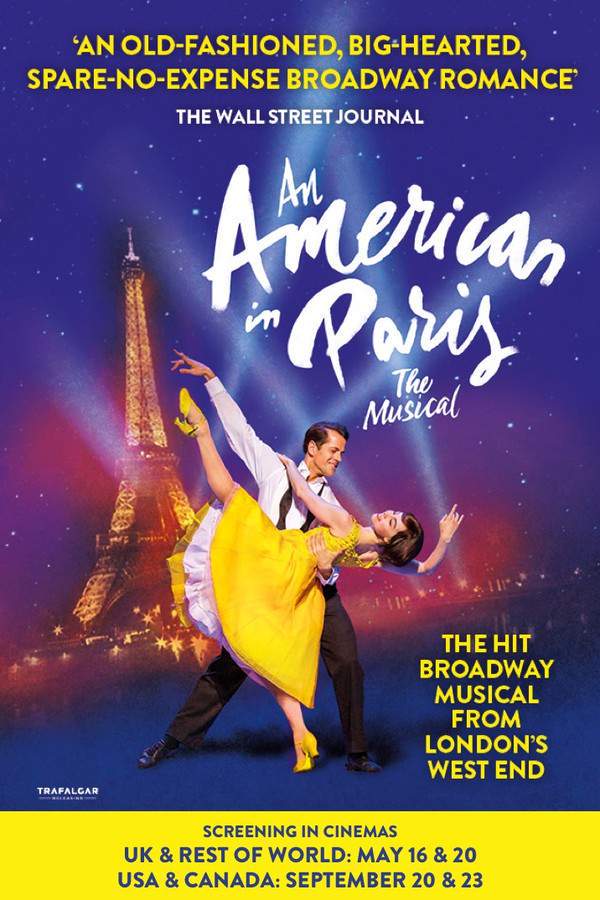
An American in Paris (1951) Film Overview & Timeline
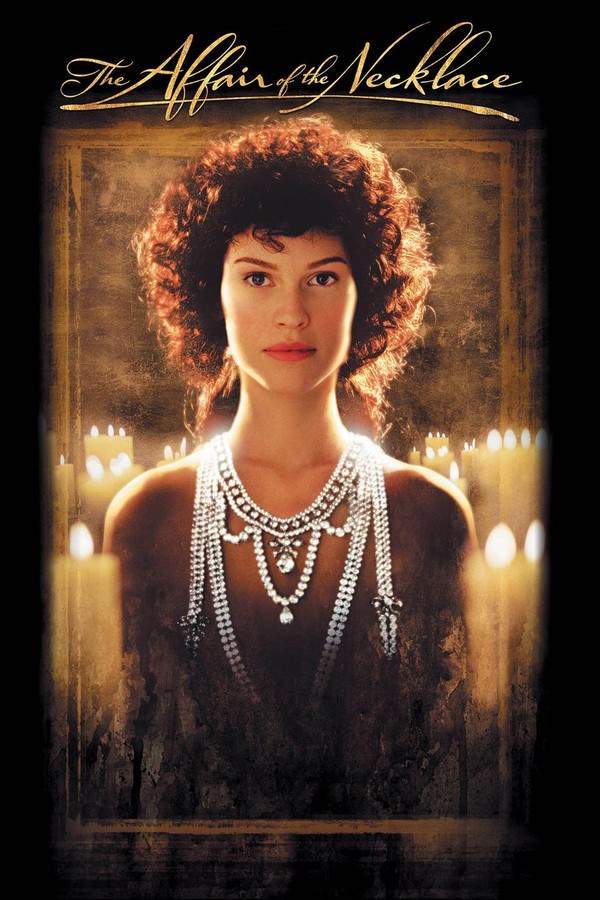
The Affair of the Necklace (2001) Plot Summary & Ending Explained
The Lonely Affair of the Heart (2002) Full Movie Breakdown
Jeanne du Barry (2024) Detailed Story Recap
Marie-Antoinette Queen of France (1956) Full Movie Breakdown
Mlle. Desiree (1941) Ending Explained & Film Insights
Alexander Hamilton (1931) Story Summary & Characters
Hearts Divided (1936) Plot Summary & Ending Explained
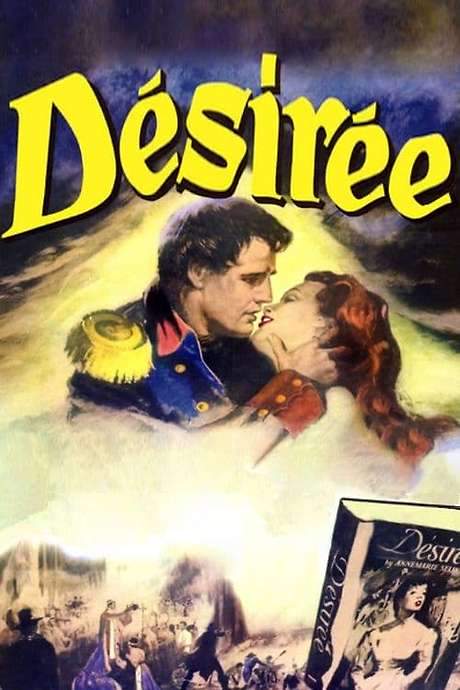
Désirée (1954) Film Overview & Timeline
Beaumarchais the Scoundrel (1996) Plot Summary & Ending Explained
Romance of Louisiana (1937) Plot Summary & Ending Explained
Lafayette Escadrille (1958) Complete Plot Breakdown
Marie Antoinette (1938) Plot Summary & Ending Explained