Year: 2015
Runtime: 122 min
Language: English
Director: Ron Howard
Budget: $100M
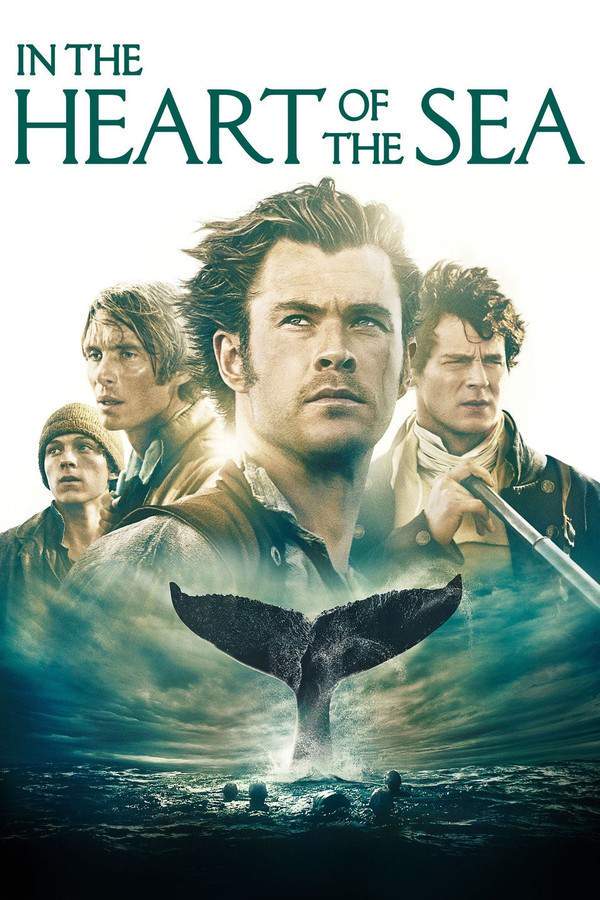
In 1820, the whaling ship Essex is confronted by a massive whale, triggering a catastrophic event. This film explores the real-life disaster that inspired Herman Melville's Moby-Dick, focusing on the struggles of the surviving crew as they fight for survival in the vast ocean, facing starvation, despair, and the unrelenting elements. Their harrowing journey tests the limits of human endurance and reveals the brutal realities of life at sea.
Find where to stream, rent, or buy In the Heart of the Sea (2015) in the US with current JustWatch availability, up-to-date pricing, and platform listings for subscription, rental, and digital purchase options.
Warning: spoilers below!
Haven’t seen In the Heart of the Sea yet? This summary contains major spoilers. Bookmark the page, watch the movie, and come back for the full breakdown. If you're ready, scroll on and relive the story!
Read the complete plot breakdown of In the Heart of the Sea (2015), including all key story events, major twists, and the ending explained in detail. Discover what really happened, and what it all means.
Herman Melville seeks out the elderly Thomas Nickerson to uncover the harrowing tales of the whaling ship Essex. At first, Thomas is reluctant to share his experiences, but his wife believes that by keeping silent, he is only prolonging his own suffering and pushes him to recount his story.
Meanwhile, the tale pivots to Owen Chase, a determined Nantucket farmer and whaler, who warmly reassures his wife about the promises of a better life awaiting him as he anticipates his first captaincy. However, much to his dismay, he finds himself serving as the first mate under young Captain George Pollard, who comes from a lineage of renowned whalers. As their voyage begins aboard the Essex, Owen quickly showcases his undeniable leadership and unparalleled skills, proving himself essential to the crew's success.
The crews’ trials soon become apparent when Captain Pollard, despite Owen's cautions, decides to navigate through a fierce squall, resulting in significant damage to the ship. Following this disaster, tensions escalate between George and Owen, yet they maintain a fragile alliance for the sake of the Essex. The crew manages to catch a sperm whale, during which Owen accurately predicts its behavior, solidifying his reputation. Young Nickerson, eager to prove himself, experiences the haunting task of collecting whale oil from the beast's head.
However, as the days turn to months at sea, they grapple with dwindling resources and a troubling lack of whale sightings. Upon encountering a Spanish captain, they hear rumors of massive schools of whales, yet also of a legendary 'demon' whale that haunts these waters. Dismissing such folktales, both George and Owen plunge into the hunt, only to confront the true terror of a colossal white whale. This beast wreaks havoc on the Essex, leading to a desperate battle for survival as the crew is forced to abandon their ship amidst chaos.
Stranded on a desolate island, horrors escalate; Owen discovers a cave that reveals the grim fate of previous shipwrecked crews. As hope dwindles, they make the harrowing decision to leave behind their injured crew members. As their situation grows dire, Owen suggests a chilling solution—cannibalism for survival. Back in the present, Thomas Nickerson reflects on these graphic memories and tearfully reveals to Melville that the horrors of their plight were burdens he could never share, even with his beloved wife.
The climax of their ordeal culminates in a chilling encounter with the 'demon' whale once again. In a tense moment, Owen prepares to strike, confronting his own fears as he and the creature lock eyes. Eventually, the remaining crew is rescued, but not before Pollard and Owen find themselves forced to lie to cover the terrifying truths of their ordeal. As the executives insist on maintaining the industry’s façade, Owen's integrity pushes him to defy their demands.
In a poignant farewell, Owen presents young Nickerson with a whale bone pin, a token of his journey and a symbol of the courage it takes to face monstrous truths. In the end, back in the present, the aged Nickerson holds onto that pin, finding solace as Melville assures him that he will be mindful of the brutal chapters of their story when penning it down. Melville graciously departs as Nickerson closes the door, leaving behind echoes of a tale marked by both heroism and horror.
Last updated: November 02, 2024 at 11:34
Explore frequently asked questions about In the Heart of the Sea (2015) with spoiler-rich answers covering the full plot summary, major story beats, character motivations, hidden details, and ending meaning. This movie summary FAQ helps explain confusing scenes, plot twists, and narrative decisions in clear, searchable detail.
Owen Chase was a skilled and experienced whaler from Nantucket who expected to receive his first captaincy for the Essex voyage. However, the ship's owners gave command to George Pollard, who came from a prestigious family of whalers. Despite his disappointment, Owen accepted the position of first mate, though tension between the two leaders would later escalate throughout the journey.
Earlier in the film, Owen's wife expresses concern about his absence, hinting at the personal sacrifices he makes by accepting a subordinate role.
Captain Pollard, being young and from a renowned whaling family, was eager to prove himself and maintain his reputation. Despite Owen's experienced warnings about the fierce squall ahead, Pollard chose to navigate through it, believing he could handle the conditions. This decision resulted in significant damage to the Essex and strained the already tense relationship between the two leaders.
The film establishes early on that Pollard's confidence stems from his family legacy, creating friction with the more experienced crew members.
After months at sea with dwindling resources and no whale sightings, the crew encountered a Spanish captain who warned them about a legendary 'demon' whale that haunted those waters. Both Owen and Pollard dismissed the folklore and decided to continue hunting. The massive white whale ultimately attacked and destroyed the Essex, seemingly driven by instinct or possibly retaliation from previous hunting encounters.
The Spanish captain's warning about the demon whale serves as an ominous foreshadowing of the disaster to come.
After the Essex was destroyed, the crew stranded on a desolate island faced extreme starvation. With no food sources and their situation becoming hopeless, Owen suggested cannibalism as the only means of survival. This desperate measure highlights the extreme physical and psychological toll the ordeal took on the survivors, pushing them to moral extremes they never imagined crossing.
Owen's discovery of the cave containing remains of previous shipwrecked crews foreshadows the grim reality of survival on the island.
When the remaining crew made the harrowing decision to leave the desolate island in search of rescue, they were forced to abandon their injured companions who could not make the journey. The film implies these left-behind crew members did not survive, though the exact fate is left ambiguous. This tragic choice represents one of the many moral dilemmas the survivors faced during their ordeal.
The discovery of the cave with evidence of previous shipwreck victims establishes the island as a place of death rather than rescue.
When the survivors were finally rescued, executives from the whaling industry pressured Owen and Pollard to fabricate a story that would protect the industry's reputation. The truth about the whale attack and the subsequent horrors, including cannibalism, were deemed too damaging to the whaling business. Owen's integrity ultimately led him to defy these demands, choosing honesty over industry protection.
The tension between survival and maintaining one's moral compass runs throughout the narrative, culminating in this ethical confrontation.
In a poignant farewell scene, Owen presents young Thomas Nickerson with a whale bone pin as a token of their shared journey. This pin symbolizes the courage it took to face the monstrous truths of their ordeal, the bond formed through surviving together, and serves as a memorial to those lost. The pin becomes a physical reminder of both the horror they endured and their endurance.
The pin represents the lasting psychological impact of the trauma, connecting the past to Nickerson's present-day reflections with Melville.
Thomas Nickerson had carried the traumatic memories of the Essex disaster for decades. His wife encouraged him to share his story, believing his silence was prolonging his suffering. When Nickerson finally recounting the events to Melville, he tearfully revealed that the horrors of their plight were burdens he could never share, even with his beloved wife, highlighting the deep psychological scars left by the experience.
The opening scenes establish Nickerson's initial reluctance, setting up the emotional weight of his eventual confession.
While stranded on the deserted island, Owen discovered a cave containing the grim remains of previous shipwrecked crews who had met similar fates. This disturbing finding deepened the survivors' sense of despair by showing them exactly what awaited them if they remained stranded. It also served as a grim preview of the desperate measures they would eventually resort to in order to survive.
The cave discovery foreshadows both the cannibalism decision and the psychological toll that would haunt survivors like Nickerson for decades.
The massive white whale, known as the 'demon' whale, attacked the Essex with devastating force. In a chaotic battle for survival, the whale repeatedly rammed and destroyed the ship, forcing the crew to abandon vessel. The attack was sudden and relentless, leaving the crew stranded in lifeboats with no way to repair or save their ship, ultimately stranding them on the desolate island.
The dismissal of the Spanish captain's warnings about the demon whale sets up this catastrophic encounter.
During the crew's first successful sperm whale hunt, young Thomas Nickerson was assigned the grim task of collecting whale oil from the beast's head. This experience marked his initiation into the harsh realities of whaling and became part of the traumatic memories he carried throughout his life. The scene establishes Nickerson's youth and eagerness to prove himself among the crew.
Nickerson's early willingness to engage with the violent aspects of whaling foreshadows his survival through the ordeal.
The film explicitly frames itself as the true story that inspired Herman Melville's famous novel Moby-Dick. The elderly Thomas Nickerson recounting his traumatic experience to Melville serves as the real-life basis for the fictional whaling tragedy. The film's conclusion shows Melville assuring Nickerson he will be mindful of the brutal chapters of their story when writing the novel, directly connecting the two narratives.
The framing device with Melville seeking out Nickerson establishes this connection from the very beginning of the film.
Still wondering what the ending of In the Heart of the Sea (2015) really means? Here’s a spoiler-heavy breakdown of the final scene, major twists, and the deeper themes that shape the film’s conclusion.
At the end of In the Heart of the Sea, the characters' stories come full circle when Thomas Nickerson, as an older man, finally shares the full truth of their ordeal with Herman Melville. Nickerson was initially reluctant to reveal the horrors the men faced, especially the cannibalism and the brutal struggle for survival, because he was haunted by what they did to stay alive and had kept these memories secret from even his wife. As he recounts, he admits that some of the crew resorted to cannibalism, including himself, to endure the harrowing days at sea. This confession is not just about survival; it’s about confronting the brutal realities of what happened, acknowledging the suffering and death of his shipmates. His wife’s gentle reassurance reveals that her love remains unchanged by the horrors he describes, offering Nickerson a measure of relief from the weight of silence he carried for so long.
Meanwhile, in the present, the film shows that both Captain Pollard and First Mate Chase refused to lie during the inquiry, even though they knew the truth would be hard to accept and that the company planned to cover up the incident. Their decision to tell the unvarnished truth underscores the film's themes of honesty, integrity, and respect for those who suffered. They choose to honor the memories of their fallen crewmates and uphold their personal honor rather than protect the reputation of the whaling company. Although they realize the inquiry was ultimately just a sham designed to conceal the truth, they take comfort in knowing they remained true to their convictions.
The story ultimately emphasizes that survival isn’t only about physical endurance but also about facing harsh truths and the courage to be honest about one’s pain and mistakes. The film suggests that these stories of resilience, truth, and human cruelty are linked to the larger themes of exploration and the human quest for meaning. Herman Melville, inspired by the real events of the Essex sinking, uses these themes in Moby-Dick—particularly the symbol of the white whale—representing the elusive nature of truth and obsession. In the end, In the Heart of the Sea shows that storytelling is a vital act of survival in itself, giving voice to those who endured unimaginable horror and reminding us of the resilience of the human spirit even in the face of inescapable darkness.
Last updated: June 25, 2025 at 09:00
Discover curated groups of movies connected by mood, themes, and story style. Browse collections built around emotion, atmosphere, and narrative focus to easily find films that match what you feel like watching right now.
Grueling stories of human endurance pushed to its absolute limit by the raw power of nature.If you were captivated by the brutal struggle for existence in In the Heart of the Sea, this thread features movies about survival against overwhelming odds. Discover similar stories of human endurance facing the raw, unforgiving power of nature and the moral dilemmas of life-or-death situations.
Narratives in this thread typically begin with an ordinary situation that is shattered by a catastrophic event, plunging characters into a fight for basic needs. The plot follows their physical decline and psychological unraveling, often structured around a series of escalating challenges and ethical compromises that test the very definition of humanity.
These movies are grouped together because they share a core focus on the visceral, high-stakes experience of survival. They create a consistent mood of desperation and tension through intense, often bleak scenarios that prioritize realism and emotional weight over conventional plot resolution.
Grim historical epics where catastrophic true events reveal the fragility of human morality.For viewers who appreciated the true-story foundation and moral complexity of In the Heart of the Sea, this thread collects movies based on historical tragedies. Explore films that dramatize real catastrophes, focusing on leadership under pressure, the psychological scars of survival, and the heavy truth of what people do to live.
These stories often use a framing device, like a survivor's testimony or an official inquiry, to explore a past traumatic event. The narrative delves into the details of the disaster while grappling with its aftermath—covering up shameful truths, living with guilt, and the long-term impact of trauma on those who endured it.
Movies in this thread share a combination of historical basis, high-stakes disaster, and a deep exploration of the moral and psychological consequences for the people involved. They blend action and drama with a heavy, contemplative tone, making the past feel immediate and emotionally resonant.
Don't stop at just watching - explore In the Heart of the Sea in full detail. From the complete plot summary and scene-by-scene timeline to character breakdowns, thematic analysis, and a deep dive into the ending - every page helps you truly understand what In the Heart of the Sea is all about. Plus, discover what's next after the movie.
Track the full timeline of In the Heart of the Sea with every major event arranged chronologically. Perfect for decoding non-linear storytelling, flashbacks, or parallel narratives with a clear scene-by-scene breakdown.
Discover the characters, locations, and core themes that shape In the Heart of the Sea. Get insights into symbolic elements, setting significance, and deeper narrative meaning - ideal for thematic analysis and movie breakdowns.
What really happened at the end of In the Heart of the Sea? This detailed ending explained page breaks down final scenes, hidden clues, and alternate interpretations with expert analysis and viewer theories.
Discover movies like In the Heart of the Sea that share similar genres, themes, and storytelling elements. Whether you’re drawn to the atmosphere, character arcs, or plot structure, these curated recommendations will help you explore more films you’ll love.
In the Heart of the Sea (2015) Scene-by-Scene Movie Timeline
In the Heart of the Sea (2015) Movie Characters, Themes & Settings
In the Heart of the Sea (2015) Ending Explained & Theories
In the Heart of the Sea (2015) Spoiler-Free Summary & Key Flow
Movies Like In the Heart of the Sea – Similar Titles You’ll Enjoy
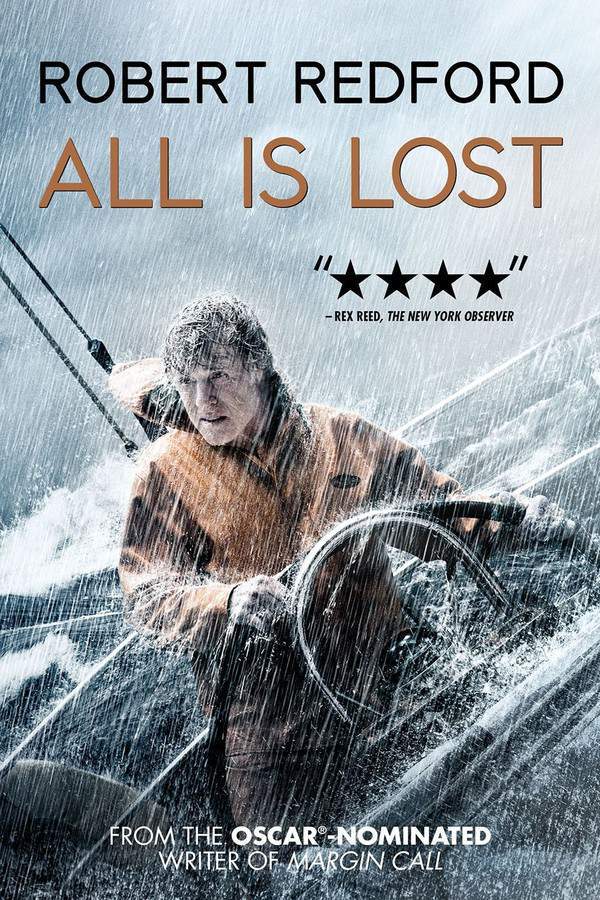
All Is Lost (2013) Plot Summary & Ending Explained
20,000 Leagues Under the Sea (1954) Spoiler-Packed Plot Recap
The Finest Hours (2016) Film Overview & Timeline
Leviathan (1989) Detailed Story Recap
Orca (1977) Story Summary & Characters
Dark Tide (2012) Spoiler-Packed Plot Recap
The Sea Wolf (1941) Full Movie Breakdown
Down to the Sea in Ships (1922) Spoiler-Packed Plot Recap
Moby Dick (1956) Plot Summary & Ending Explained
Down to the Sea in Ships (1949) Full Summary & Key Details
Moby Dick (1930) Spoiler-Packed Plot Recap
The Sea Lion (1921) Film Overview & Timeline
Survive the Savage Sea (1992) Full Movie Breakdown
Moby Dick (1000) Detailed Story Recap
The Sea Beast (1926) Movie Recap & Themes