






Plot Explained Spoilers guaranteed!
Plot Explained

Browse by genre

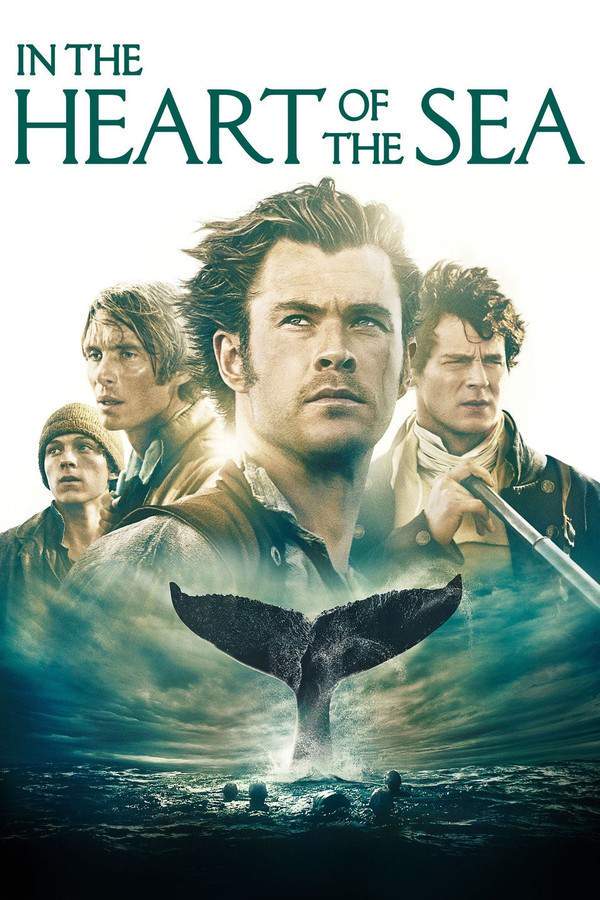
In the Heart of the Sea (2015) movie poster

Ending Explained

In the Heart of the Sea (2015) Ending Explained – Final Scene & Meaning

Release, runtime and language
2015 · 122 min · English
Directed by
Ron Howard
Starring
Chris Hemsworth, Ben Whishaw, Brendan Gleeson, Cillian Murphy
Budget
$100M

In 1820, the whaling ship Essex is confronted by a massive whale, triggering a catastrophic event. This film explores the real-life disaster that inspired Herman Melville's Moby-Dick, focusing on the struggles of the surviving crew as they fight for survival in the vast ocean, facing starvation, despair, and the unrelenting elements. Their harrowing journey tests the limits of human endurance and reveals the brutal realities of life at sea.

On this page (8)
  1. 1 Where to watch
  2. 2 What happens at the end
  3. 3 Final events in order
  4. 4 Ending questions answered
  5. 5 The book behind the movie
  6. 6 Movie threads
  7. 7 Movies like In the Heart of the Sea
  8. 8 Every angle

Where to watch

Where to Watch In the Heart of the Sea (2015)

Where can you watch In the Heart of the Sea? Stream, rent or buy it in the US, including on Amazon Video, Apple TV Store and Fandango At Home: current JustWatch availability with up-to-date prices.

Streaming availability powered by JustWatch

Ending explained · contains spoilers

What Happens at the End of In the Heart of the Sea?

How In the Heart of the Sea (2015) ends, what the final scene means, which earlier moments set it up and how to read the ending if the film leaves it open. The full ending explained, with every spoiler.

At the end of In the Heart of the Sea, the characters' stories come full circle when Thomas Nickerson, as an older man, finally shares the full truth of their ordeal with Herman Melville. Nickerson was initially reluctant to reveal the horrors the men faced, especially the cannibalism and the brutal struggle for survival, because he was haunted by what they did to stay alive and had kept these memories secret from even his wife. As he recounts, he admits that some of the crew resorted to cannibalism, including himself, to endure the harrowing days at sea. This confession is not just about survival; it’s about confronting the brutal realities of what happened, acknowledging the suffering and death of his shipmates. His wife’s gentle reassurance reveals that her love remains unchanged by the horrors he describes, offering Nickerson a measure of relief from the weight of silence he carried for so long.

Meanwhile, in the present, the film shows that both Captain Pollard and First Mate Chase refused to lie during the inquiry, even though they knew the truth would be hard to accept and that the company planned to cover up the incident. Their decision to tell the unvarnished truth underscores the film's themes of honesty, integrity, and respect for those who suffered. They choose to honor the memories of their fallen crewmates and uphold their personal honor rather than protect the reputation of the whaling company. Although they realize the inquiry was ultimately just a sham designed to conceal the truth, they take comfort in knowing they remained true to their convictions.

The story ultimately emphasizes that survival isn’t only about physical endurance but also about facing harsh truths and the courage to be honest about one’s pain and mistakes. The film suggests that these stories of resilience, truth, and human cruelty are linked to the larger themes of exploration and the human quest for meaning. Herman Melville, inspired by the real events of the Essex sinking, uses these themes in Moby-Dick—particularly the symbol of the white whale—representing the elusive nature of truth and obsession. In the end, In the Heart of the Sea shows that storytelling is a vital act of survival in itself, giving voice to those who endured unimaginable horror and reminding us of the resilience of the human spirit even in the face of inescapable darkness.

Last updated: June 25, 2025 at 09:00

Was this helpful?

The last 4 events

How In the Heart of the Sea Ends: The Final Events in Order

The last events of In the Heart of the Sea (2015) in chronological order, the run-up to the ending explained above. The complete timeline has all 15 events, scene by scene.

Open the full timeline
  1. Owen’s Integrity

    Despite pressure from executives to maintain the industry's façade, Owen clings to his integrity, refusing to let the truth about their suffering remain buried. His determination to confront these monstrous truths plays a crucial role in his character arc.

  2. A Symbol of Courage

    In a poignant farewell, Owen gifts young Nickerson a whale bone pin, representing their journey and the courage it takes to face unimaginable horrors. This act signifies the bond formed through shared trauma among the crew.

  3. Thomas Nickerson's Reflection

    Back in the present, the aged Thomas Nickerson reflects on his harrowing experiences, revealing the emotional scars that have lingered for years. Melville assures him that the brutal chapters of their story will be treated with care and respect.

  4. Final Goodbye

    As Melville departs, Nickerson holds onto the whale bone pin, finding solace in the memories of his journey. The narrative concludes with echoes of a tale marked by both heroism and horror, signifying the complexities of survival.

Ending questions answered

In the Heart of the Sea Ending: Your Questions Answered

The questions people ask most about the ending of In the Heart of the Sea (2015): what the final scene means, how the twist works, what happens to each character and how to read the ending. Each answer contains spoilers.

Q1

Why does Thomas Nickerson wait until old age to reveal what happened on the Essex?

Nickerson keeps the truth hidden for decades because he is haunted by the horrors they faced, especially the cannibalism. He fears judgment and shame, even from his wife, so he buries these memories until finally confronting them by sharing with Herman Melville. The weight of secrecy symbolizes the psychological toll survival had on him.

  • thomas nickerson
  • esex survivors
  • survivor guilt
  • cannibalism
  • confession
Q2

What happens to Captain Pollard after the Essex sinking?

Pollard faces a naval inquiry where he and First Mate Chase refuse to lie, even though they know the company plans to cover up the incident. Although the inquiry is ultimately a sham designed to conceal the truth, Pollard takes comfort in knowing he remained honest and upheld his personal honor despite the consequences.

  • captain pollard
  • inquiry
  • whaling company
  • cover-up
  • honor
Q3

What was the cover-up surrounding the Essex disaster?

The whaling company attempted to conceal the true events of the Essex sinking to protect their reputation. They orchestrated a sham inquiry and pressured the survivors to lie about what happened. Pollard and Chase refused to participate in this deception, choosing instead to tell the unvarnished truth about the whale attack and subsequent survival struggles.

  • whaling company
  • cover-up
  • inquiry
  • reputation
  • deception
Q4

Why does Nickerson admit to cannibalism at the end of the film?

Nickerson's confession is his attempt to finally confront the brutal realities of what the crew did to survive. By admitting to cannibalism, he breaks decades of silence and shame, allowing himself to be honest about the moral compromises made at sea. This act of confession represents his journey toward psychological liberation.

  • nickerson confession
  • cannibalism
  • survival
  • shame
  • guilt
Q5

What is the connection between this film and Moby-Dick?

Herman Melville, who hears Nickerson's story, uses these real events as inspiration for his novel Moby-Dick. The white whale in Melville's novel represents the elusive nature of truth and obsession, themes directly tied to the Essex tragedy. The film positions itself as the true story behind one of literature's most famous works.

  • herman melville
  • moby-dick
  • white whale
  • inspiration
  • literature
Q6

Why does Nickerson's wife accept him after hearing the truth?

Nickerson's wife shows unconditional love by reassuring him that her feelings remain unchanged despite learning about the horrors he experienced, including cannibalism. Her acceptance represents forgiveness and the power of love to overcome even the darkest secrets, offering Nickerson relief from the weight of his silence.

  • nickerson wife
  • acceptance
  • forgiveness
  • love
  • marriage
Q7

What happens to First Mate Chase after the inquiry?

Like Captain Pollard, First Mate Chase refuses to lie during the inquiry despite pressure from the whaling company. Both men choose to honor the memories of their fallen crewmates by telling the truth, even knowing it would not change the outcome. Their integrity provides a moral core to the ending.

  • first mate chase
  • pollard
  • inquiry
  • truth
  • integrity
Q8

What does the ending say about the importance of telling the truth?

The ending emphasizes that survival requires facing harsh truths and having the courage to be honest about pain and mistakes. Both Nickerson's confession and the survivors' refusal to lie at the inquiry demonstrate that truth-telling, though painful, is essential to genuine survival and peace.

  • truth
  • honesty
  • survival
  • integrity
  • courage
Q9

What does the film suggest about storytelling as survival?

The film presents storytelling as a vital act that gives voice to those who endured unimaginable horror. By finally sharing his story with Melville, Nickerson transforms his traumatic memories into something meaningful, connecting his experience to larger themes of human resilience and the quest for meaning.

  • storytelling
  • melville
  • nickerson
  • resilience
  • meaning
Q10

Why are the survivors forever scarred by the Essex disaster?

The survivors carry psychological wounds from starvation, desperation, and the moral compromises they made, including cannibalism. Even those who live face lifelong haunted by what they did to survive. The ending shows that survival extends beyond physical endurance to include the burden of memory and guilt.

  • survivors
  • trauma
  • scars
  • psychological
  • endurance

Movie threads

More Movies Like In the Heart of the Sea, by Mood & Story

Curated lists built around what makes In the Heart of the Sea tick: the same mood, the same kind of story or the same emotional payoff. Each list explains why these movies belong together.

Gritty survival movies like In the Heart of the Sea

Grueling stories of human endurance pushed to its absolute limit by the raw power of nature. If you were captivated by the brutal struggle for existence in In the Heart of the Sea, this thread features movies about survival against overwhelming odds. Discover similar stories of human endurance facing the raw, unforgiving power of nature and the moral dilemmas of life-or-death situations.

  • desperate
  • harrowing
  • tense
  • survivalist
  • oppressive
  • courageous
  • Tone: dark, desperate
  • Pacing: variable, starting steady then accelerating
Why these movies?

The story pattern: Narratives in this thread typically begin with an ordinary situation that is shattered by a catastrophic event, plunging characters into a fight for basic needs. The plot follows their physical decline and psychological unraveling, often structured around a series of escalating challenges and ethical compromises that test the very definition of humanity.

Why they belong together: These movies are grouped together because they share a core focus on the visceral, high-stakes experience of survival. They create a consistent mood of desperation and tension through intense, often bleak scenarios that prioritize realism and emotional weight over conventional plot resolution.

Historical disaster dramas similar to In the Heart of the Sea

Grim historical epics where catastrophic true events reveal the fragility of human morality. For viewers who appreciated the true-story foundation and moral complexity of In the Heart of the Sea, this thread collects movies based on historical tragedies. Explore films that dramatize real catastrophes, focusing on leadership under pressure, the psychological scars of survival, and the heavy truth of what people do to live.

  • melancholic
  • tense
  • historical
  • traumatic
  • oppressive
  • moral dilemma
  • Tone: dark, melancholic
  • Pacing: variable, with deliberate build-up
Why these movies?

The story pattern: These stories often use a framing device, like a survivor's testimony or an official inquiry, to explore a past traumatic event. The narrative delves into the details of the disaster while grappling with its aftermath—covering up shameful truths, living with guilt, and the long-term impact of trauma on those who endured it.

Why they belong together: Movies in this thread share a combination of historical basis, high-stakes disaster, and a deep exploration of the moral and psychological consequences for the people involved. They blend action and drama with a heavy, contemplative tone, making the past feel immediate and emotionally resonant.

If you liked this

Movies Like In the Heart of the Sea

Similar movies to In the Heart of the Sea: the same genre, themes or kind of story. Each one comes with its own plot summary, timeline and ending explained.

Browse all movie summaries

Every angle

In the Heart of the Sea (2015) Explained: Plot, Ending, Timeline & Characters

Everything about In the Heart of the Sea in one place: what happens in the plot summary, the timeline in chronological order, the characters and meaning, the ending explained and a spoiler-free summary. What's After the Movie adds the cast, box office and post-credit scenes.

Coming soon on iOS and Android

The Plot Explained Movie Summary App

Plot summaries, endings explained and timelines on your phone. Catch up on any movie in minutes, save your favorites and never miss a twist again.

Be the first to know when we launch. Your email stays private, always.

Learn more about the app