Plot Explained Spoilers guaranteed!
Plot Explained

Browse by genre

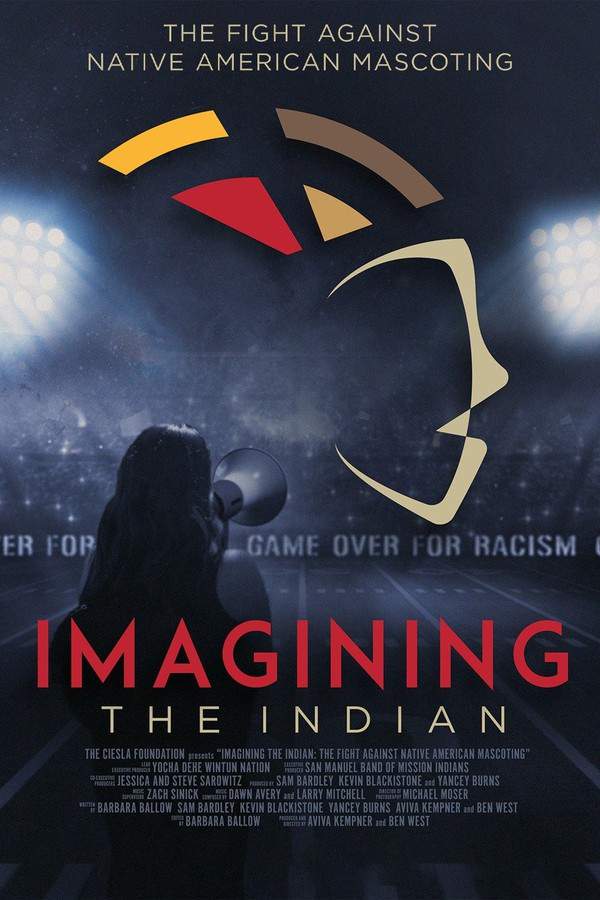
Imagining the Indian: The Fight Against Native American Mascoting (2023) movie poster

Characters & Themes

Imagining the Indian: The Fight Against Native American Mascoting (2023) Characters, Setting & Themes Explained

Release, runtime and language
2023 · 95 min · English
Echo score 68
Loading streaming availability…
Directed by
Aviva Kempner, Ben West

Amidst growing cultural awareness, this documentary examines the movement to end the misuse of Native American imagery in sports and other areas. It explores the historical roots and spread of harmful stereotypes and their profound impact on Native communities. The film follows efforts to dismantle offensive representations, drawing parallels between the removal of Confederate symbols and the rebranding of professional sports teams. Ultimately, it highlights a persistent fight to restore cultural pride and combat marginalization.

On this page (8)
  1. 1 Where to watch
  2. 2 Characters explained (3)
  3. 3 Where & when it takes place
  4. 4 Themes & meaning (3)
  5. 5 Character & meaning questions
  6. 6 Movie threads
  7. 7 Movies like Imagining the Indian: The Fight Against Native American Mascoting
  8. 8 Every angle
Loading streaming availability…

3 main characters · contains spoilers

Imagining the Indian: The Fight Against Native American Mascoting Characters Explained: Who Is Who

The main characters of Imagining the Indian: The Fight Against Native American Mascoting (2023), heroes and villains: what drives them, how they change over the course of the story and what each of them reveals about the film's bigger ideas.

  • Suzan Shown Harjo

    Suzan Shown Harjo is a prominent activist and President of the Morning Star Institute, who has been at the forefront of the fight against the offensive use of Native American imagery in sports for over 50 years. She is known for her passion and dedication to advocating for the rights and representations of Native peoples. Her work has garnered national recognition, making her a pivotal figure in the movement.

    • 🦅 Activism
    • 🏆 Recognition
  • Kevin Gover

    Kevin Gover, the director of the National Museum of the American Indian, represents a significant voice in the Native community advocating against harmful stereotypes. As a member of the Pawnee tribe, he provides insights into the cultural implications of mascoting and its historical context. His perspectives are integral to the ongoing discussions regarding Native representation in American culture.

    • 🏛️ Cultural Leadership
    • 💬 Advocacy
  • Marshall McKay

    Marshall McKay is the chairman of the Tribal Council of the Yocha Dehe Wintun Nation, and provides a vital perspective on the implications of Native representations in sports. He speaks on behalf of indigenous interests and highlights the importance of community voices in the ongoing advocacy against harmful imagery. His leadership is crucial for addressing the concerns of Native populations in contemporary society.

    • 🗣️ Leadership
    • 🌍 Community

Last updated: May 04, 2025 at 18:43

Was this helpful?

Setting

Where and When Does Imagining the Indian: The Fight Against Native American Mascoting Take Place?

The setting of Imagining the Indian: The Fight Against Native American Mascoting (2023): the year and time period, the places and locations, and how they shape the characters, the mood and the tension of the story.

Time period

20th to 21st century

The film spans from the early 20th century, marking the inception of derogatory terms and mascots, to contemporary times where the movement against Native American mascots has gained prominence. This period is characterized by increased awareness and advocacy for social justice issues, particularly concerning marginalized communities. The historical context significantly influences current societal attitudes towards Native representations in sports.

Location

Washington D.C.

Washington D.C. serves as the political capital of the United States and is home to numerous national monuments and institutions. The city has a rich history closely tied to various social justice movements, including the fight for Native American rights. Its diverse population, which includes a significant African American community, plays a crucial role in shaping cultural dialogues.

  • 🏙️ City
  • 🇺🇸 United States

Last updated: May 04, 2025 at 18:43

Was this helpful?

3 major themes

Imagining the Indian: The Fight Against Native American Mascoting Meaning: Themes & Message Explained

What is Imagining the Indian: The Fight Against Native American Mascoting (2023) really about? The emotional, social and philosophical themes the film keeps returning to, its symbolism and the message beneath the surface.

  • Advocacy

    The documentary underscores the persistent advocacy against the derogatory use of Native American mascots in sports. It explores the efforts of activists like Suzan Shown Harjo, whose leadership, along with others, highlights the cultural and historical ramifications of such representations. The theme also reflects the wider societal struggle for recognition and respect that many marginalized groups face.

  • Stereotyping

    Imagining the Indian discusses the harmful effects of stereotyping Native Americans through sports mascots. The film reveals how such depictions perpetuate negative psychological impacts on Native communities, particularly among youth. It questions the morality of branding and the implications of historical racism that continues to affect perceptions and interactions in modern society.

  • Cultural Sensitivity

    The theme of cultural sensitivity is prevalent throughout the documentary as it tackles the balance between brand recognition and respect for Native cultures. It interrogates the justification of maintaining offensive names despite evolving social norms and the push for increased awareness and respect for Native identities. The film advocates for a shift towards greater understanding and representation in sports and media.

Last updated: May 04, 2025 at 18:43

Was this helpful?

Character & theme questions

Imagining the Indian: The Fight Against Native American Mascoting Characters & Meaning: Your Questions Answered

The questions people ask about Imagining the Indian: The Fight Against Native American Mascoting (2023): who the characters really are, their relationships, what the symbols mean, where it takes place and what the movie is really about. Each answer contains spoilers.

Q1

Where is the documentary set?

While the documentary covers a broad national issue, Washington D.C. serves as a key location as the political capital and hub for social justice movements. The city is home to national monuments and institutions involved in discussions about Native American representation and rights.

  • washington d.c.
  • setting
  • location
  • capital
Q2

What time period does the film examine?

The documentary spans from the early 20th century, when derogatory Native American mascots first emerged, through contemporary times when the movement to end such imagery has gained significant momentum. This timeframe captures the evolution of both the problem and the fight against it.

  • time period
  • 20th century
  • 21st century
  • history
  • timeline
Q3

What are the main themes explored in the film?

The documentary centers on three key themes: advocacy (the persistent fight against offensive mascots), stereotyping (the psychological harm on Native communities), and cultural sensitivity (the balance between brand recognition and respect for Native cultures).

  • themes
  • advocacy
  • stereotyping
  • cultural sensitivity
Q4

Who is Suzan Shown Harjo?

Suzan Shown Harjo is a prominent Native American activist and President of the Morning Star Institute who has led the fight against offensive Native American imagery in sports for over 50 years. Her work has garnered national recognition and made her a pivotal figure in this movement.

  • suzan shown harjo
  • activist
  • morning star institute
  • leader
Q5

What is Kevin Gover's role in the documentary?

Kevin Gover, director of the National Museum of the American Indian and a member of the Pawnee tribe, provides critical perspectives on the cultural implications of mascoting. His insights help explain the historical context and ongoing impact of harmful stereotypes on Native communities.

  • kevin gover
  • national museum of the american indian
  • pawnee tribe
  • director
Q6

Who is Marshall McKay and what is his perspective?

Marshall McKay is the chairman of the Tribal Council of the Yocha Dehe Wintun Nation. He represents indigenous interests in the documentary, emphasizing the importance of community voices in advocacy efforts and highlighting how Native representations in sports affect tribal populations.

  • marshall mckay
  • yocha dehe wintun nation
  • tribal council
  • indigenous perspective
Q7

How does the film address stereotyping of Native Americans?

The documentary reveals how sports mascots perpetuate negative psychological impacts on Native communities, especially youth. It examines the morality of branding and how historical racism continues to affect modern perceptions and interactions involving Native peoples.

  • stereotyping
  • psychological impact
  • harm
  • native communities
  • youth
Q8

What does the documentary say about cultural sensitivity?

The film explores the tension between brand recognition and respect for Native cultures, questioning why offensive names persist despite evolving social norms. It advocates for greater understanding and accurate representation of Native identities in sports and media.

  • cultural sensitivity
  • representation
  • brand
  • respect
  • native identities
Q9

How does the film connect Native American mascots to Confederate symbols?

The documentary draws parallels between the removal of Confederate symbols and the rebranding of professional sports teams, framing both as part of a broader societal shift toward recognizing the harm of offensive historical representations.

  • confederate symbols
  • rebranding
  • sports teams
  • comparison
  • social justice
Q10

What hope does the documentary offer for the future?

The film ends on a hopeful note by highlighting activism from younger generations, suggesting that growing cultural awareness and new voices signal potential progress in the fight to restore cultural pride and combat marginalization of Native communities.

  • future
  • younger generations
  • hope
  • activism
  • progress

Movie threads

More Movies Like Imagining the Indian: The Fight Against Native American Mascoting, by Mood & Story

Curated lists built around what makes Imagining the Indian: The Fight Against Native American Mascoting tick: the same mood, the same kind of story or the same emotional payoff. Each list explains why these movies belong together.

Urgent Activist Documentaries like Imagining the Indian: The Fight Against Native American Mascoting

Documentaries that expose social injustice and follow the fight for meaningful change. If you liked the powerful advocacy in Imagining the Indian, explore more movies like it. These documentaries tackle social justice, cultural identity, and systemic inequality, blending sobering truths with hopeful stories of resistance and change.

  • activist
  • educational
  • urgent
  • thought-provoking
  • sobering
  • hopeful
  • Tone: serious, urgent, hopeful
  • Pacing: steady, methodical
Why these movies?

The story pattern: These documentaries typically start by exposing a deep-seated social problem, tracing its historical roots and present-day impact through interviews and evidence. The narrative then shifts to chronicling the efforts of activists and communities working to dismantle the injustice, building towards a conclusion that, while acknowledging the struggle, offers a sense of hard-won hope and forward momentum.

Why they belong together: Movies are grouped here because they share a powerful combination of a serious, educational tone and an activist heart. They aren't just examinations of problems; they are chronicles of solutions in progress, creating a specific emotional arc from heaviness to hopefulness.

Films about Cultural Reckoning like Imagining the Indian: The Fight Against Native American Mascoting

Stories that confront painful history to understand its lasting impact on identity. For viewers who appreciated the historical depth of Imagining the Indian, this section features similar movies that explore cultural trauma, identity, and the fight against erasure. These films are serious, thought-provoking, and focus on the long tail of history on modern communities.

  • historical
  • sobering
  • thought-provoking
  • serious
  • educational
  • trauma
  • Tone: dark, serious, sobering
  • Pacing: steady, analytical
Why these movies?

The story pattern: The narrative pattern involves delving into a specific historical injustice or period of cultural oppression, using archival material, expert testimony, and personal stories to illustrate its scope. The film then connects this history directly to its contemporary manifestations, showing how the past actively shapes present-day struggles for recognition, dignity, and justice.

Why they belong together: These films are grouped together because they prioritize a serious, educational examination of historical trauma and its modern-day repercussions. They share a sobering mood and a commitment to truth-telling, often revolving around themes of memory, identity, and the fight against cultural stereotypes or erasure.

If you liked this

Movies Like Imagining the Indian: The Fight Against Native American Mascoting

Similar movies to Imagining the Indian: The Fight Against Native American Mascoting: the same genre, themes or kind of story. Each one comes with its own plot summary, timeline and ending explained.

Browse all movie summaries

Every angle

Imagining the Indian: The Fight Against Native American Mascoting (2023) Explained: Plot, Timeline & Characters

Everything about Imagining the Indian: The Fight Against Native American Mascoting in one place: what happens in the plot summary, the timeline in chronological order, the characters and meaning and a spoiler-free summary. What's After the Movie adds the cast, box office and post-credit scenes.

Coming soon on iOS and Android

The Plot Explained Movie Summary App

Plot summaries, endings explained and timelines on your phone. Catch up on any movie in minutes, save your favorites and never miss a twist again.

Be the first to know when we launch. Your email stays private, always.

Learn more about the app