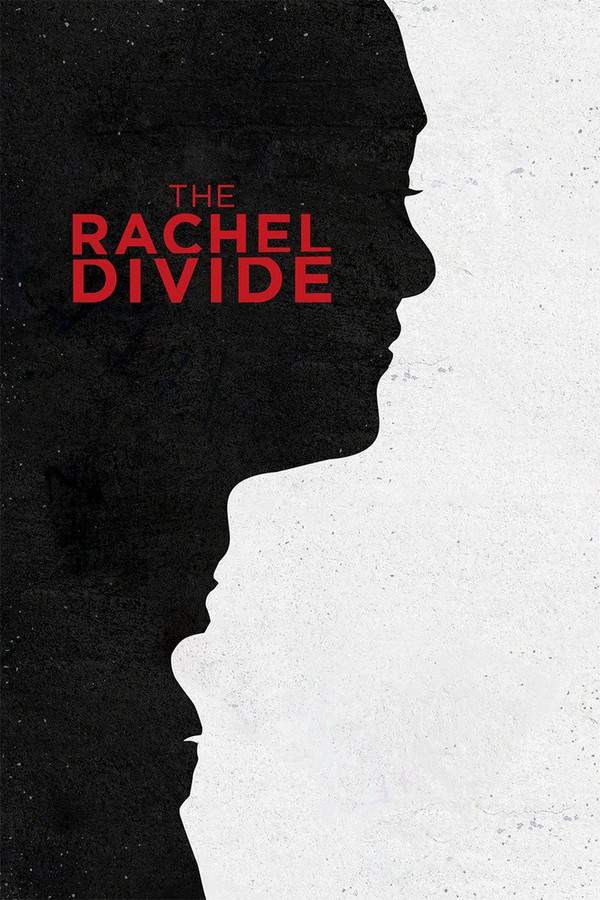
The documentary explores the controversy surrounding Rachel Dolezal, who gained public attention for identifying as Black before her racial identity was questioned. Director Laura Brownson offers an intimate portrait of Dolezal's experiences as her life became a subject of national debate and intense scrutiny. The film examines her personal journey alongside broader societal conversations about race, identity, and privilege in America, prompting reflection on complex issues.
Find where to stream, rent, or buy The Rachel Divide (2018) in the US with current JustWatch availability, up-to-date pricing, and platform listings for subscription, rental, and digital purchase options.
Warning: spoilers below!
Haven’t seen The Rachel Divide yet? This summary contains major spoilers. Bookmark the page, watch the movie, and come back for the full breakdown. If you're ready, scroll on and relive the story!
Read the complete plot breakdown of The Rachel Divide (2018), including all key story events, major twists, and the ending explained in detail. Discover what really happened, and what it all means.
The documentary offers an in-depth examination of the events that contributed to Rachel Dolezal’s dramatic downfall from a respected academic and activist to a figure of widespread controversy. It carefully navigates through the intricate circumstances that surrounded her scandal and the repercussions that followed.
As the film unfolds, it reveals troubling claims made by Rachel’s siblings regarding past allegations of sexual abuse against their brother, Joshua Dolezal, during their childhood. The narrative further explores their upbringing under parents whom Rachel describes as psychologically neglectful, while her sister, Esther Dolezal, asserts that their parenting bordered on physical abuse. A particularly striking moment in the documentary features Esther showing a scar on her thigh, a painful reminder of her mother’s punishment with a glue gun stick, and recounting an incident in South Africa where they were reportedly beaten with a baboon whip.
Rachel shares candid reflections in on-camera interviews, expressing her belief that her parents failed to provide their adopted children with a proper understanding of their racial heritage. This lack of guidance propelled her to delve deeply into black history, leading her to claim her identity transformation into what she describes as “transracial.” The film intricately links her academic pursuits to her eventual appropriation of black culture and heritage.
In addition to exploring her controversial identity, the documentary also follows Rachel’s personal life, including her relationship with her two children: her biological son Franklin and her adopted son Izaiah Dolezal, who was originally her adopted brother. It captures significant moments in her life, including her pregnancy and the early days of raising her youngest son, Langston, named after the renowned poet Langston Hughes. Throughout the documentary, audiences witness Rachel frequently discussing the isolating experience of being confined at home, largely due to the relentless public criticism she faces.
Last updated: November 16, 2024 at 12:01
Explore frequently asked questions about The Rachel Divide (2018) with spoiler-rich answers covering the full plot summary, major story beats, character motivations, hidden details, and ending meaning. This movie summary FAQ helps explain confusing scenes, plot twists, and narrative decisions in clear, searchable detail.
Rachel Dolezal claimed her Black identity stemmed from her adoptive parents' failure to teach her and her siblings about their racial heritage. She grew up researching Black history extensively and eventually began identifying as Black, which she described as a "transracial" identity. The documentary presents this as her attempt to fill a void she felt from her upbringing.
Earlier scenes show Rachel's deep immersion in Black history and academic study of African American culture.
Rachel Dolezal used "transracial" to describe her identity transformation, drawing a parallel to being adopted across racial lines. She argued she identified with Black culture and heritage despite being born to white parents. However, the term remains highly controversial and is widely rejected by both the Black community and the LGBTQ+ community, as it is seen as appropriating the concept of racial identity.
The documentary shows her academic work in African American studies preceding this claim.
Rachel's siblings made serious allegations about their upbringing. They claimed their brother Joshua committed sexual abuse during their childhood. Her sister Esther described their parents as psychologically neglectful and said their mother's parenting bordered on physical abuse. Esther showed a scar on her thigh from being punished with a glue gun stick and recounted being beaten with a baboon whip during their time in South Africa.
The documentary introduces the siblings' claims early, framing them as central to understanding Rachel's background.
Izaiah is Rachel Dolezal's adopted son, but he was originally her adopted brother. Rachel adopted Izaiah after serving as his foster parent. The documentary shows their complex family dynamic, with Izaiah living as her son despite their original sibling relationship. She also has a biological son named Franklin and later gave birth to another son named Langston, after poet Langston Hughes.
The timeline hints at Rachel's non-traditional family structure from the start.
After her racial identity was questioned and exposed, Rachel Dolezal faced intense public backlash and widespread controversy. The documentary captures her living in isolation at home, struggling with relentless public criticism. Her career and reputation as an academic and activist were severely damaged, and she became a subject of national debate about race, identity, and cultural appropriation.
The opening frames her as a respected academic before her dramatic downfall.
The documentary offers an intimate portrait of Rachel Dolezal through on-camera interviews where she shares her perspective. However, it also presents conflicting accounts from her siblings and examines the broader societal conversations about race, identity, and privilege. The film takes an analytical approach, leaving the ethical questions somewhat unresolved while prompting viewers to reflect on these complex issues.
The documentary balances her personal narrative with external perspectives throughout.
Rachel's siblings publicly addressed their family dynamics in the documentary, revealing troubling aspects of their shared childhood. Their testimony presents a counter-narrative to Rachel's account, focusing on the alleged abuse and neglect they experienced. Esther and others chose to share their stories publicly, likely seeking to provide their perspective on the family history that shaped all of them.
The siblings' claims are introduced early in the documentary as a key element of the narrative.
The documentary uses Rachel Dolezal's story to examine broader questions about race, identity, and cultural appropriation in America. It explores how upbringing and lack of racial heritage guidance can shape one's identity journey, while also questioning the ethics of crossing racial boundaries. The film leaves these questions somewhat ambiguous, inviting viewers to consider the complexities of personal identity, privilege, and societal definitions of race.
The title and description signal the film will probe deeper identity questions.
Discover curated groups of movies connected by mood, themes, and story style. Browse collections built around emotion, atmosphere, and narrative focus to easily find films that match what you feel like watching right now.
Deeply personal documentaries that explore figures at the center of national debate.Find more movies like The Rachel Divide that explore controversial public figures through an intimate lens. These documentaries provide a critical look at personal stories behind national scandals, delving into themes of identity, deception, and media scrutiny with a heavy emotional weight.
Stories in this thread often follow a structured, interview-driven format that peels back the layers of a public controversy. They present conflicting perspectives, analyze the societal impact, and offer an intimate, sometimes critical, portrait of the central figure, leaving the audience with complex questions rather than simple answers.
These movies are grouped together because they share a focus on real-life controversies, a steady documentary pace, a critical and intimate tone, and a heavy emotional weight. They all create a tense, uncomfortable viewing experience by examining the human cost of public scrutiny.
Psychological journeys where personal identity is questioned, constructed, or betrayed.If you liked The Rachel Divide's exploration of racial identity and deception, discover other movies that examine the complex psychology of self-invention. These stories feature characters whose constructed identities unravel, leading to intense scrutiny and heavy emotional fallout.
The narrative pattern involves a character's creation of a false or adopted identity, which is eventually challenged or exposed. The story examines the motivations behind the deception—often rooted in trauma or a search for belonging—and the ensuing personal collapse and public fallout, typically ending on an ambiguous or bleak note.
These films share a dark, heavy tone and a focus on the psychological turmoil of identity deception. They are intense, character-driven stories that provoke uncomfortable conversations about authenticity, privilege, and the human need for identity, often based on real-life events or plausible psychological scenarios.
Don't stop at just watching - explore The Rachel Divide in full detail. From the complete plot summary and scene-by-scene timeline to character breakdowns, thematic analysis, and a deep dive into the ending - every page helps you truly understand what The Rachel Divide is all about. Plus, discover what's next after the movie.
Track the full timeline of The Rachel Divide with every major event arranged chronologically. Perfect for decoding non-linear storytelling, flashbacks, or parallel narratives with a clear scene-by-scene breakdown.
Discover the characters, locations, and core themes that shape The Rachel Divide. Get insights into symbolic elements, setting significance, and deeper narrative meaning - ideal for thematic analysis and movie breakdowns.
Discover movies like The Rachel Divide that share similar genres, themes, and storytelling elements. Whether you’re drawn to the atmosphere, character arcs, or plot structure, these curated recommendations will help you explore more films you’ll love.
The Rachel Divide (2018) Scene-by-Scene Movie Timeline
The Rachel Divide (2018) Movie Characters, Themes & Settings
The Rachel Divide (2018) Spoiler-Free Summary & Key Flow
Movies Like The Rachel Divide – Similar Titles You’ll Enjoy
Becoming (2020) Full Summary & Key Details
Rachel (2010) Full Movie Breakdown
Class Divide (2016) Film Overview & Timeline
Prodigal Sons (2010) Detailed Story Recap
Who We Are: A Chronicle of Racism in America (2022) Spoiler-Packed Plot Recap
Welcome to Leith (2015) Full Summary & Key Details
Rachel, Rachel (1968) Ending Explained & Film Insights
White Wash (2011) Spoiler-Packed Plot Recap
Little White Lie (2014) Ending Explained & Film Insights
Subject (2023) Full Summary & Key Details
Am I Racist? (2024) Movie Recap & Themes
Frontline: America’s Great Divide (2020) Complete Plot Breakdown
The Color of Fear (1994) Plot Summary & Ending Explained
Rachel’s Farm (2023) Story Summary & Characters
Lynden (2025) Full Movie Breakdown