









Plot Explained Spoilers guaranteed!
Plot Explained

Browse by genre

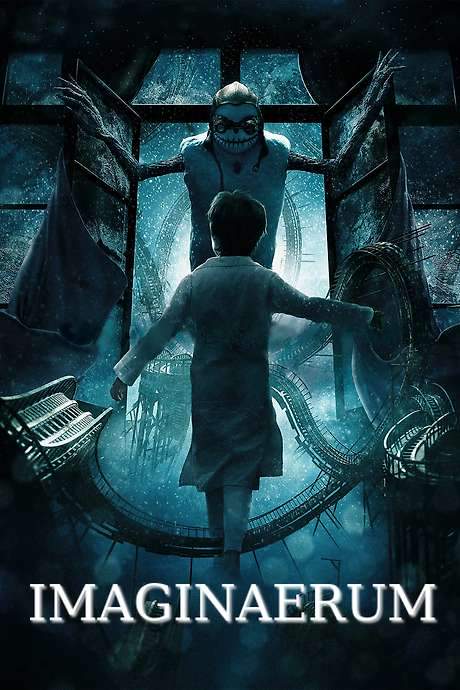
Imaginaerum (2012) movie poster

Characters & Themes

Imaginaerum (2012) Characters, Setting & Themes Explained

Release, runtime and language
2012 · 86 mins · English
JustWatch #8,892 9
Directed by
Stobe Harju
Starring
Francis X. McCarthy, Marianne Farley, Ron Lea, Quinn Lord, Stéphane Demers, Ilkka Villi

An elderly composer named Tom struggles with severe dementia, his memories of adulthood fading as he regresses to a childlike state. He remembers little of his past, including his friends, music, and even his daughter. Lost in a fog, he clings to the imagination of a ten-year-old boy. As he slips into a coma, the possibility of recovering his lost memories seems distant, blurring the lines between reality and fantasy.

On this page (7)
  1. 1 Where to watch
  2. 2 Characters explained (3)
  3. 3 Where & when it takes place
  4. 4 Themes & meaning (2)
  5. 5 Character & meaning questions
  6. 6 Movie threads
  7. 7 Every angle

Where to watch

Where to Watch Imaginaerum (2012)

Where can you watch Imaginaerum? Stream, rent or buy it in the US, including on Amazon Prime Video, Fawesome and Hoopla: current JustWatch availability with up-to-date prices.

Streaming availability powered by JustWatch

3 main characters · contains spoilers

Imaginaerum Characters Explained: Who Is Who

The main characters of Imaginaerum (2012), heroes and villains: what drives them, how they change over the course of the story and what each of them reveals about the film's bigger ideas.

  • Thomas Whitman

    played by Francis X. McCarthy

    Thomas is a complex character facing the devastating effects of multi-infarct dementia, which clouds his memories and identity. He oscillates between youthful innocence and a tragic history, revealing a man burdened by loss and familial estrangement. His journey through the dream world is both a search for self and a quest for redemption.

    • 🧑‍🎤 Musician
    • 🧠 Dementia
    • 💔 Estrangement
  • Gem Whitman

    played by Marianne Farley

    Gem is portrayed as a conflicted daughter grappling with feelings of resentment towards her father for his absence during her childhood. Her journey of understanding and acceptance reflects the struggle of many children of estranged parents. As she uncovers the layers of her father's past, Gem learns to see him as not just a parent but as a flawed individual shaped by his pain.

    • 👩‍🎤 Daughter
    • 💔 Resentment
    • 🕊️ Understanding
  • Ann

    played by Anette Olzon

    Ann serves as both a memory and a guide for Thomas throughout his journey, symbolizing unfulfilled love and connection. She represents the path not taken in Thomas’ life, urging him to confront his past while revealing the ways his choices affected those around him. Her presence in both realms emphasizes the deep bonds formed in relationships.

    • 🎶 Muse
    • 💔 Loss
    • 🌌 Guide

Last updated: September 27, 2026 at 19:26

Was this helpful?

Setting

Where and When Does Imaginaerum Take Place?

The setting of Imaginaerum (2012): the year and time period, the places and locations, and how they shape the characters, the mood and the tension of the story.

Time period

Contemporary

The film unfolds in contemporary times, interweaving past and present as Thomas revisits key moments from his life. This juxtaposition highlights the long-lasting effects of trauma, love, and loss over the years. Themes of nostalgia and regret particularly resonate with the contemporary audience, reflecting modern familial struggles.

Location

Orphanage, Dream World, Thomas' Home

The orphanage is a place of innocence and friendship, where young Thomas meets Ann and forms a bond that impacts his memory for decades. The dream world symbolizes Thomas' deteriorating mental state, featuring a surreal landscape of his lost memories and emotional turmoil. Finally, Thomas' home serves as the physical space of his past life, where unresolved family issues come to a head.

  • 🏡 Home
  • 🏰 Fantasy
  • 🌌 Dream

Last updated: September 27, 2026 at 19:26

Was this helpful?

2 major themes

Imaginaerum Meaning: Themes & Message Explained

What is Imaginaerum (2012) really about? The emotional, social and philosophical themes the film keeps returning to, its symbolism and the message beneath the surface.

  • Memory and Loss

    The film poignantly explores the theme of memory, particularly the impact of dementia on familial relationships. Thomas’ journey through his past encapsulates the bittersweet nature of recollection, as he navigates the warping of his own identity through lost memories. Ultimately, the story illustrates how memories shape our connections and the pain of loss that accompanies them.

  • Reconciliation

    At its core, the story emphasizes the need for forgiveness and reconciliations within families. Thomas' estrangement from his daughter Gem creates a rift that echoes the destructive legacies passed down from parent to child. The film culminates in a poignant moment of connection where both characters confront their shared pain, symbolizing hope for healing and understanding.

Last updated: September 27, 2026 at 19:26

Was this helpful?

Character & theme questions

Imaginaerum Characters & Meaning: Your Questions Answered

The questions people ask about Imaginaerum (2012): who the characters really are, their relationships, what the symbols mean, where it takes place and what the movie is really about. Each answer contains spoilers.

Q1

What are the main settings in Imaginaerum?

Imaginaerum moves between three key settings that mirror Thomas' mental and emotional life. The orphanage is where young Thomas forms his earliest bonds, particularly with Ann, and represents innocence. The dream world is a surreal landscape built from Thomas' fading memories and emotional turmoil as his dementia progresses. Thomas' home anchors the film in present-day reality, where unresolved family issues with his daughter Gem come to a head.

  • imaginaerum settings
  • orphanage
  • dream world
  • home
Q2

What is the dream world in Imaginaerum?

The dream world in Imaginaerum is a surreal, symbolic landscape that visualizes Thomas' deteriorating mental state due to dementia. It blends fragments of his past with fantastical imagery like a roller coaster mindscape, a snowman, and a dollhouse. Rather than a literal place, it functions as a visual representation of memory loss and the emotional chaos inside his mind.

  • dream world
  • surreal landscape
  • dementia imagery
Q3

When is Imaginaerum set?

Imaginaerum unfolds in contemporary times, but it constantly interweaves past and present as Thomas revisits pivotal moments from his life. The contemporary setting grounds the real-world storyline involving Gem and Ann, while flashbacks to Thomas' childhood and the dream sequences layer in earlier eras. This temporal blending emphasizes how the effects of trauma, love, and loss stretch across decades.

  • contemporary setting
  • past and present
  • nonlinear timeline
Q4

How does the film explore memory?

Imaginaerum treats memory as its central lens, exploring how recollection both defines and distorts identity. As Thomas loses his adult memories to multi-infarct dementia, he regresses toward childhood, clinging to the imagination of his ten-year-old self. The film illustrates the bittersweet nature of memory, showing how lost recollections erode connections with loved ones and force characters to confront the pain of what they can no longer access.

  • memory
  • dementia
  • identity
  • loss
Q5

What does reconciliation mean in Imaginaerum?

In Imaginaerum, reconciliation refers to the painful process of repairing family bonds that have been damaged by absence and silence. The estrangement between Thomas and his daughter Gem creates a destructive legacy that echoes through generations. The film argues that healing requires confronting shared pain directly rather than avoiding it, and that forgiveness is possible even when someone is losing themselves entirely.

  • reconciliation
  • forgiveness
  • family estrangement
  • healing
Q6

Who is Thomas Whitman in the story?

Thomas Whitman is an elderly composer suffering from multi-infarct dementia who serves as the protagonist of Imaginaerum. He oscillates between youthful innocence and a tragic adult history, embodying a man burdened by loss and long-standing estrangement from his family. His journey through the dream world is both a search for self and a quest for redemption before his condition overtakes him.

  • Thomas Whitman
  • protagonist
  • composer
  • dementia
Q7

Who is Gem Whitman?

Gem Whitman is Thomas' estranged daughter and a central character whose journey parallels his own. She carries deep resentment toward her father for his absence during her childhood and grapples with the legacy of their broken relationship. Over the course of Imaginaerum, Gem moves from resentment toward acceptance, learning to see Thomas as a flawed individual shaped by his own pain rather than simply as an absent parent.

  • Gem Whitman
  • estranged daughter
  • acceptance
  • parent
Q8

Who is Ann and what role does she play?

Ann is a figure who functions as both a memory and a guide throughout Imaginaerum, drawn from Thomas' childhood at the orphanage. She represents an unfulfilled love and a path not taken in his life, urging him to confront the choices that shaped his family. Her presence in both the real world and the dream realm emphasizes how deeply formative relationships continue to define a person long after they change.

  • Ann
  • childhood friend
  • unfulfilled love
  • guide
Q9

Why is the orphanage important to the story?

The orphanage is the emotional origin point of Thomas' life and the place where his most formative bonds were formed. It is where he meets Ann, the girl whose presence shapes his memories for decades and resurfaces throughout the dream world. Imaginaerum returns to the orphanage repeatedly because it holds the last clear emotional truths Thomas can still access as his adult memories dissolve.

  • orphanage
  • childhood
  • Ann
  • origin
Q10

What kind of film is Imaginaerum?

Imaginaerum is best described as a surreal fantasy drama that blends music-driven storytelling with dreamlike visual sequences. It belongs to the tradition of emotional, symbolically rich cinema rather than conventional narrative drama, using fantasy imagery to externalize the inner experience of dementia. The film prioritizes atmosphere, mood, and thematic resonance over plot mechanics, making it a meditation on memory rather than a straightforward story.

  • fantasy drama
  • surreal
  • symbolic
  • genre
Q11

How does Imaginaerum blend reality and fantasy?

Imaginaerum keeps a deliberate ambiguity between what is real and what exists only inside Thomas' fading mind. Real-world scenes involving Thomas' coma, Gem's visit, and the medical decision-making are intercut with dreamlike sequences that reinterpret those events as symbolic imagery. This blending is not decorative; it is the film's way of showing what dementia actually feels like from the inside, where memory and imagination become indistinguishable.

  • reality and fantasy
  • dreams
  • symbolic
  • ambiguity
Q12

What is the central emotional conflict in Imaginaerum?

The central emotional conflict in Imaginaerum is the race between dementia erasing Thomas' identity and his family's attempt to reconnect with him before he is gone. Gem must decide whether to honor Thomas' wish not to be resuscitated or to fight for more time with a father who may no longer recognize her. Beneath this dilemma is the deeper question of whether love can survive years of silence and whether reconciliation is still possible when the person you are reconciling with is disappearing.

  • emotional conflict
  • dementia
  • estranged family
  • reconciliation

Movie threads

More Movies Like Imaginaerum, by Mood & Story

Curated lists built around what makes Imaginaerum tick: the same mood, the same kind of story or the same emotional payoff. Each list explains why these movies belong together.

Surreal memory journeys like in Imaginaerum

Stories where reality dissolves into dreamlike visions of a mind coming undone. Discover more movies like Imaginaerum that blend dreamlike fantasy with a protagonist's fading memories. These surreal dramas use non-linear storytelling, symbolic imagery, and heavy emotional beats to portray a mind unraveling. Perfect for fans of Imaginaerum who want similar visually inventive, memory-driven films about consciousness, dementia, and the fragile boundary between imagination and reality.

  • dreamlike
  • surreal
  • melancholic
  • nostalgic
  • ethereal
  • haunting
  • Tone: bittersweet, melancholic
  • Pacing: variable, dreamlike
Why these movies?

The story pattern: Stories in this thread follow a central figure whose perception cannot be trusted, often because of illness, trauma, grief, or a descent toward death. The narrative braids flashbacks, dreams, and present-day reality into a single surreal tapestry, and the audience is invited to piece together meaning the way the protagonist does. Emotional revelations usually arrive not through dialogue but through symbolic encounters with objects, places, and figures from the past.

Why they belong together: These films are grouped because they share a dreamlike visual language, a willingness to blur real and imagined worlds, and a heavy focus on memory, consciousness, or psychological decline. They tend to be complex, variable in pacing, and emotionally heavy, ending on bittersweet or ambiguous notes rather than clean resolutions. Viewers looking for an experience that feels more like falling into a painting than watching a plot will gravitate here.

Bittersweet family reconciliation like in Imaginaerum

Heavy emotional journeys where estranged family members find closure before the end. Find more movies like Imaginaerum that center on estranged family bonds, parental regret, and reconciliation before loss. These emotionally heavy dramas explore father-daughter relationships, generational trauma, and the difficult choice to let go. If you loved Imaginaerum's bittersweet portrait of a father reconnecting with his daughter across fading memories, these similar films will resonate deeply.

  • wistful
  • reflective
  • grieving
  • nostalgic
  • tender
  • haunting
  • Tone: bittersweet, melancholic
  • Pacing: steady, emotionally driven
Why these movies?

The story pattern: The arc in this thread typically opens with a parent and child already separated by distance, silence, or years of unspoken pain. A triggering event such as a terminal diagnosis, an inherited grief, or a journey back to a childhood home forces them to face each other again. The emotional climax is not a happy reunion but a fragile, often tear-soaked act of understanding, after which one or both characters move on changed. The ending is bittersweet: something is gained, but something is also permanently lost.

Why they belong together: These titles are connected by their focus on inherited pain between parent and child, the weight of unspoken history, and endings that lean toward forgiveness without erasing the loss. They share Imaginaerum's bittersweet tone, heavy emotional weight, and willingness to sit with grief rather than resolve it neatly. Viewers looking for stories about legacy, estrangement, and the long shadow a parent can cast will find a coherent set of films here.

Every angle

Imaginaerum (2012) Explained: Plot, Timeline & Characters

Everything about Imaginaerum in one place: what happens in the plot summary, the timeline in chronological order, the characters and meaning and a spoiler-free summary. What's After the Movie adds the cast, box office and post-credit scenes.

Coming soon on iOS and Android

The Plot Explained Movie Summary App

Plot summaries, endings explained and timelines on your phone. Catch up on any movie in minutes, save your favorites and never miss a twist again.

Be the first to know when we launch. Your email stays private, always.

Learn more about the app