Plot Explained Spoilers guaranteed!
Plot Explained

Browse by genre

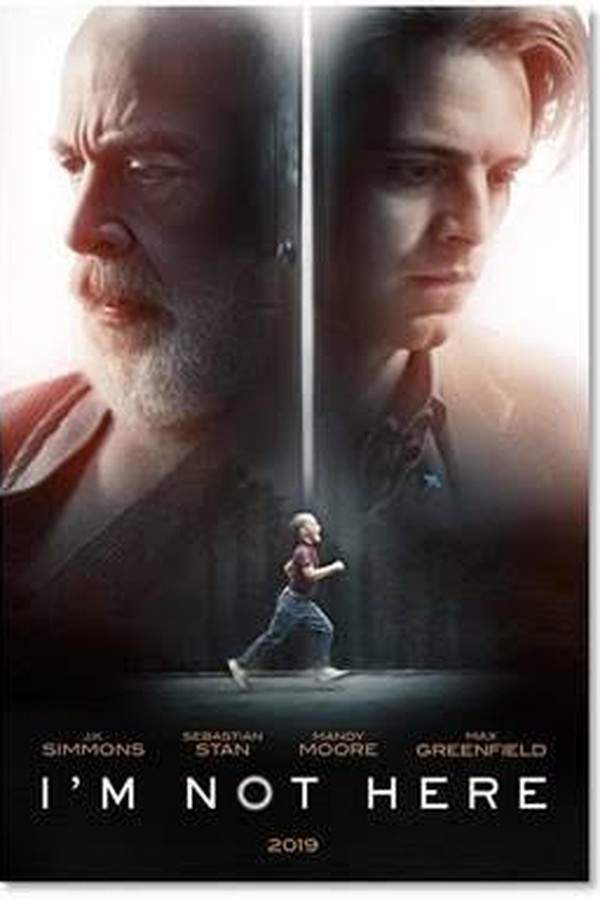
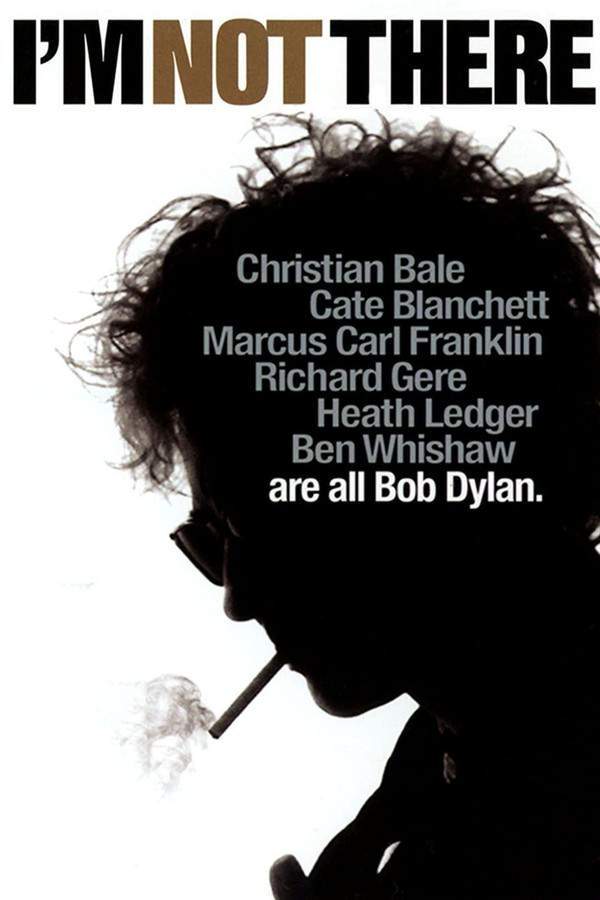
I'm Not There. (2007) movie poster

Timeline

I'm Not There. (2007) Timeline Explained – Every Event in Order

Release, runtime and language
2007 · 135 min · English
Loading streaming availability…
Directed by
Todd Haynes
Starring
Cate Blanchett, Christian Bale, Heath Ledger

A series of interconnected stories and characters explore the life and legacy of Bob Dylan, offering a fragmented and unconventional portrait of the iconic musician. Through various actors portraying different facets of his personality – poet, outlaw, and more – the film delves into the complexities of his artistry and the cultural impact of his music, reflecting a rebellious and transformative era.

On this page (6)
  1. 1 Where to watch
  2. 2 Events in order (15)
  3. 3 Timeline questions answered
  4. 4 Movie threads
  5. 5 Movies like I'm Not There.
  6. 6 Every angle
Loading streaming availability…

15 events in order · contains spoilers

I'm Not There. Timeline: Events in Chronological Order

Every key event of I'm Not There. (2007) in order, scene by scene, with when and where it takes place. Use it to untangle flashbacks, time jumps and parallel storylines, to refresh your memory before the sequel or to find the exact scene you are thinking of.

  1. Concert Performance

    The film opens with a gripping point-of-view shot as a performer steps onto the stage for a concert. This sets the tone for the multi-faceted exploration of the musical legacy inspired by Bob Dylan.

    Where
    Stage
  2. Motorcycle Crash

    The narrative quickly shifts to a motorcycle ride that ends in a crash, mirroring a significant event from Bob Dylan's life in 1966. This incident leaves the protagonist, Jude Quinn, in a vulnerable state, setting a tone of introspection.

    When
    1966
    Where
    Street
  3. Introduction of Woody Guthrie

    We are transported back to 1959, where we meet a 12-year-old African-American boy named Woody Guthrie. Woody traverses the country as a hobo, introducing himself to older hobos while boasting a guitar that reads 'This Machine Kills Fascists', reminiscent of the real Woody Guthrie.

    When
    1959
    Where
    Across America
  4. Dinner with a Kind Family

    Woody Guthrie finds shelter with an African American family who provide him with a warm meal. The matriarch's advice to Woody to 'live your own time child, sing about your own time' resonates deeply and influences his perspective on life and art.

    Where
    Family Home
  5. Confrontation with Thieves

    As Woody continues his journey on a freight train, he encounters thieves and narrowly escapes, leading to an incident where he plunges into a river. This perilous moment is marked by a brief mystical vision of an underwater woman, showcasing the blend of reality and fantasy in his life.

    Where
    Freight Train
  6. Encounter in the Hospital

    Woody Guthrie's travels lead him to visit his idol, the real Woody Guthrie, in a hospital. This pivotal encounter highlights the impact of musical legends on aspiring artists and encapsulates the admiration Woody holds for his namesake.

    Where
    Hospital
  7. Introduction of Arthur Rimbaud

    Arthur Rimbaud is introduced as a reflective narrator amidst the backdrop of Dylan's rise to fame in the 1960s. His character serves to explore the different personas embodied throughout the film, adding a layer of literary depth to the narrative.

  8. Jack Rollins' Rise to Fame

    Jack Rollins, a representation of Dylan during his folk era, gains prominence in Greenwich Village. His journey is explored through interactions with friends, including Alice, who reflects on the changes in the music scene as Jack becomes disillusioned with his own success.

    Where
    Greenwich Village
  9. Civil Rights Event Impact

    Following a crucial civil rights event after JFK's assassination, Jack Rollins faces turmoil and questions the meaning behind his music. His disillusionment forces him to redefine his approach, distancing himself from folk music, which he has come to criticize.

  10. Robbie Clark's Romantic Struggles

    Robbie Clark's character emerges, emphasizing the emotional complexities of his relationship with Claire amid his burgeoning career. Their romance encapsulates the struggles faced by artists, as ambition increasingly overshadows their personal life, leading to tension and disappointment.

  11. Custody Negotiations

    As Robbie's professional life takes a toll on his marriage, emotional disputes culminate in a courtroom, where they negotiate custody of their children. This moment serves as a stark reminder of the personal costs of fame and ambition.

    Where
    Court
  12. Jude Quinn at Newport Folk Festival

    Jude Quinn performs at the Newport Folk Music Festival, where he faces backlash from fans who perceive him as a sell-out. This intense performance marks a significant turning point in his career, reflecting his struggle with identity and authenticity.

    Where
    Newport
  13. International Tour Turmoil

    While on an international tour, Jude grapples with the chaos of fame, addiction, and deteriorating personal relationships. The pressure of stardom leads him to confront his demons, encapsulated in the emotionally charged performance of 'Ballad of a Thin Man'.

    Where
    England
  14. Billy's Reflection on Past

    The film introduces Billy, who navigates through the landscape of memory and loss, pondering his past while reflecting on Dylan's legacy. This introspection leads to a deeper understanding of change and the essence of identity amidst life’s tumult.

  15. Tribute to Bob Dylan

    In the closing moments, clips of Bob Dylan play, serving as a poignant tribute to the artist who inspired the entire film. The echoes of his harmonica provide a bittersweet conclusion, leaving viewers to reflect on the complexity of his influence and the nature of creativity.

Last updated: November 04, 2024 at 02:03

Was this helpful?

Timeline questions answered

I'm Not There. Timeline Explained: Your Questions Answered

When does it happen, and why in that order? The questions people ask about the chronology of I'm Not There. (2007): time jumps, flashbacks, cause and effect between scenes and the correct order of events, each answered with spoilers.

Q1

Why does the film use six different actors to portray Bob Dylan?

The film uses six actors, Christian Bale, Cate Blanchett, Marcus Carl Franklin, Ben Whishaw, Heath Ledger, and Richard Gere, to represent different facets of Bob Dylan's personality and career stages. Each actor embodies a distinct aspect: the folk prophet, the sell-out, the child, the poet, the actor, and the wanderer. This fragmented approach reflects the film's theme that identity is fluid and impossible to capture in a single persona, mirroring how Dylan himself constantly reinvented his image throughout his career.

Foreshadowing: The opening motorcycle crash visually represents the fragmentation of identity that the entire film explores.

  • multiple actors
  • cate blanchett
  • christian bale
  • heath ledger
  • identity
  • facial transformation
Q2

What is the significance of the motorcycle crash in the opening scene?

The motorcycle crash references a real event from Bob Dylan's life in 1966, when he was rumored to have been in a motorcycle accident (though details remain disputed). In the film, this crash leaves Jude Quinn (Cate Blanchett's character) in a vulnerable state, serving as the entry point for exploring his fragmented identity. The crash acts as a symbolic death and rebirth, mirroring Dylan's own career reinventions.

Foreshadowing: The crash sets up the film's non-linear structure, where identity fragments scatter across different time periods.

  • motorcycle crash
  • jude quinn
  • 1966
  • reincarnation
  • identity crisis
Q3

Who is the young boy named Woody Guthrie in the film?

Woody Guthrie is a 12-year-old African-American boy played by Marcus Carl Franklin who travels America as a hobo. He is named after the folk musician Woody Guthrie, whom Dylan admired. The character represents Dylan's early inspiration and the passing of the folk torch from one generation to the next. His journey shows a young artist finding his voice by learning from those who came before him.

Foreshadowing: The matriarch's advice to 'live your own time child, sing about your own time' foreshadows Dylan's own transformation from folk purist to electric innovator.

  • woody guthrie
  • hobo
  • folk music
  • inspiration
  • passing the torch
Q4

What happens at the Newport Folk Festival that causes Jude Quinn's crisis?

At the Newport Folk Festival, Jude Quinn performs and faces hostility from fans who perceive him as a sell-out for moving away from acoustic protest songs. This backlash represents the real-life reception Dylan received when he 'went electric' at the 1965 Newport festival. The hostility triggers Jude's identity crisis, leading to his unraveling throughout the film.

Foreshadowing: The tension between artistic evolution and audience expectations established here drives Jude's subsequent breakdown.

  • newport folk festival
  • sell-out
  • electric guitar
  • fan backlash
  • criticism
Q5

Why does Jack Rollins abandon folk music after the civil rights event?

Jack Rollins, representing Dylan during his folk era, becomes disillusioned with folk music following a civil rights event after JFK's assassination. He begins to see his protest songs as hollow 'finger-point songs' that reduce complex issues to simplistic messaging. This disillusionment mirrors Dylan's own feelings about the limitations of protest music and his desire to write more personal, artistic material.

Foreshadowing: Jack's rejection of folk sets up the eventual rise of Jude Quinn and his controversial electric transformation.

  • jack rollins
  • civil rights
  • jfk
  • disillusionment
  • protest songs
  • folk music
Q6

What causes Robbie Clark's marriage to collapse?

Robbie Clark's marriage to Claire fails because his growing fame and artistic ambitions increasingly overshadow their relationship. As his career becomes more demanding, he becomes emotionally unavailable and exhibits toxic behavior. The strain culminates in a courtroom custody battle where they negotiate terms for their children, illustrating the personal cost of fame on personal relationships.

Foreshadowing: The relationship struggles reflect the broader theme of identity fragmentation, Robbie cannot balance his public and private selves.

  • robbie clark
  • charlotte gainsbourg
  • marriage
  • custody battle
  • fame
  • relationship
Q7

What is the role of Arthur Rimbaud in the film?

Arthur Rimbaud, played by Ben Whishaw, serves as a reflective narrator throughout the film. Named after the French poet whom Dylan admired, Arthur provides literary context and commentary on the different personas. He connects the various storylines and emphasizes the poetic nature of Dylan's artistic journey, acting as a bridge between the fragmented narratives.

Foreshadowing: Arthur's presence reminds viewers that the film is a literary exploration of identity, not a literal biography.

  • arthur rimbaud
  • ben whishaw
  • narrator
  • poet
  • french poet
  • commentary
Q8

What does the underwater woman vision signify during Woody's journey?

When Woody falls from the freight train into the river, he has a brief mystical vision of an underwater woman. This surreal moment blends reality and fantasy, representing the dreamlike quality of Woody's (and by extension Dylan's) journey. It symbolizes the magical, almost mythological nature of the American folk tradition that inspired Dylan.

Foreshadowing: The vision establishes the film's blend of realism and surrealism, which persists throughout the different storylines.

  • underwater woman
  • vision
  • fantasy
  • surrealism
  • folk tradition
  • dreams
Q9

Why is the performance of 'Ballad of a Thin Man' in England significant?

During his international tour in England, Jude Quinn performs 'Ballad of a Thin Man' in an emotionally charged moment that represents his artistic and personal breaking point. The song, known for its cryptic lyrics about misunderstanding and alienation, becomes a vehicle for Jude to confront his identity crisis. The performance peels back layers of his troubled past, revealing the depth of his internal turmoil.

Foreshadowing: This performance is the culmination of Jude's unraveling throughout the film, exposing truths he has been hiding.

  • ballad of a thin man
  • england
  • tour
  • breakdown
  • confrontation
  • identity
Q10

How are all the different storylines in the film connected?

All six storylines, Woody, Jack, Robbie, Jude, Billy, and Arthur, represent different aspects of the same person: Bob Dylan. The film deliberately fragments his identity across time periods and personas, showing that no single actor or storyline can capture the complete truth. The non-linear structure emphasizes that identity is not a fixed point but a constantly evolving collection of experiences and personalities.

Foreshadowing: The film opens and closes with real Dylan footage, grounding these fictional explorations in the actual artist.

  • fragmented narrative
  • multiple storylines
  • connection
  • identity
  • non-linear
Q11

What is the purpose of the closing clips of the real Bob Dylan?

The closing moments feature actual footage of Bob Dylan, serving as a direct tribute to the artist who inspired the entire film. These clips ground the fictional explorations in reality, reminding viewers that while the film uses fictionalized characters and altered timelines, it ultimately honors Dylan's real artistic legacy. The fading harmonica echoes create a bittersweet conclusion that acknowledges both the myth and the man.

Foreshadowing: The tribute contrasts the film's fragmentation with the singular, enduring presence of the real Dylan.

  • bob dylan
  • closing scene
  • tribute
  • legacy
  • harmonica
  • real footage
Q12

Why is the film structured in such a fragmented, non-linear way?

The fragmented structure reflects the film's central theme that identity, especially the identity of a constantly evolving artist like Bob Dylan, cannot be contained in a single linear narrative. By presenting multiple personas across different time periods simultaneously, the film suggests that true understanding of a complex figure requires embracing contradictions and multiplicity rather than seeking a single definitive truth.

Foreshadowing: The non-linear structure mirrors the motorcycle crash's symbolic breaking apart of a unified identity.

  • fragmented structure
  • non-linear
  • identity
  • complexity
  • artistic evolution
  • narrative

Movie threads

More Movies Like I'm Not There., by Mood & Story

Curated lists built around what makes I'm Not There. tick: the same mood, the same kind of story or the same emotional payoff. Each list explains why these movies belong together.

Fragmented identity portraits like in I'm Not There.

Movies that deconstruct a single life through multiple perspectives and personas. For viewers who appreciated the unconventional approach of I'm Not There., this list features movies that explore a single life or consciousness through a fragmented, non-linear narrative. If you liked seeing different actors portray facets of one person, you'll find similar deconstructive biographies and complex character studies here.

  • fragmented
  • reflective
  • introspective
  • dreamlike
  • disorienting
  • transformative
  • Tone: melancholic, reflective
  • Pacing: variable, contemplative
Why these movies?

The story pattern: Narratives in this thread are built on a non-linear or mosaic structure, where the story of a central figure—often an artist, historical persona, or individual in crisis—is told through a series of vignettes, alternate realities, or symbolic representations. The journey is less about a chronological plot and more about understanding the essence of a person through their contradictions.

Why they belong together: These movies are grouped by their radical approach to storytelling and character exploration. They share a high degree of narrative complexity, a melancholic or reflective tone, and a focus on the theme of identity as something fluid and multifaceted rather than fixed.

Melancholic artistic legacy dramas like in I'm Not There.

Heavy, introspective films about the personal cost of fame and creation. If you were captivated by I'm Not There.'s exploration of Bob Dylan's legacy and personal struggles, this collection features similar movies about musicians, writers, and artists. These stories share a heavy emotional weight, a melancholic tone, and a deep focus on the relationship between creativity, fame, and a fractured identity.

  • melancholic
  • disillusioned
  • introspective
  • anxious
  • reflective
  • heavy
  • Tone: melancholic, bittersweet
  • Pacing: steady, introspective
Why these movies?

The story pattern: The narrative pattern follows an artist grappling with their public persona, the expectations of fame, and the personal sacrifices made for their art. Conflicts are often internal—struggles with identity, authenticity, and the corrosive effects of celebrity—leading to a bittersweet or disillusioned ending that acknowledges both the brilliance and the cost of the artistic journey.

Why they belong together: These films are united by their somber, reflective mood, their focus on the biographical tropes of artistic crisis, and their examination of weighty themes like disillusionment and the loss of self. The pacing is often deliberate, allowing for deep introspection into the character's psychological state.

If you liked this

Movies Like I'm Not There.

Similar movies to I'm Not There.: the same genre, themes or kind of story. Each one comes with its own plot summary, timeline and ending explained.

Browse all movie summaries

Every angle

I'm Not There. (2007) Explained: Plot, Timeline & Characters

Everything about I'm Not There. in one place: what happens in the plot summary, the timeline in chronological order, the characters and meaning and a spoiler-free summary. What's After the Movie adds the cast, box office and post-credit scenes.

Coming soon on iOS and Android

The Plot Explained Movie Summary App

Plot summaries, endings explained and timelines on your phone. Catch up on any movie in minutes, save your favorites and never miss a twist again.

Be the first to know when we launch. Your email stays private, always.

Learn more about the app