









Plot Explained Spoilers guaranteed!
Plot Explained

Browse by genre

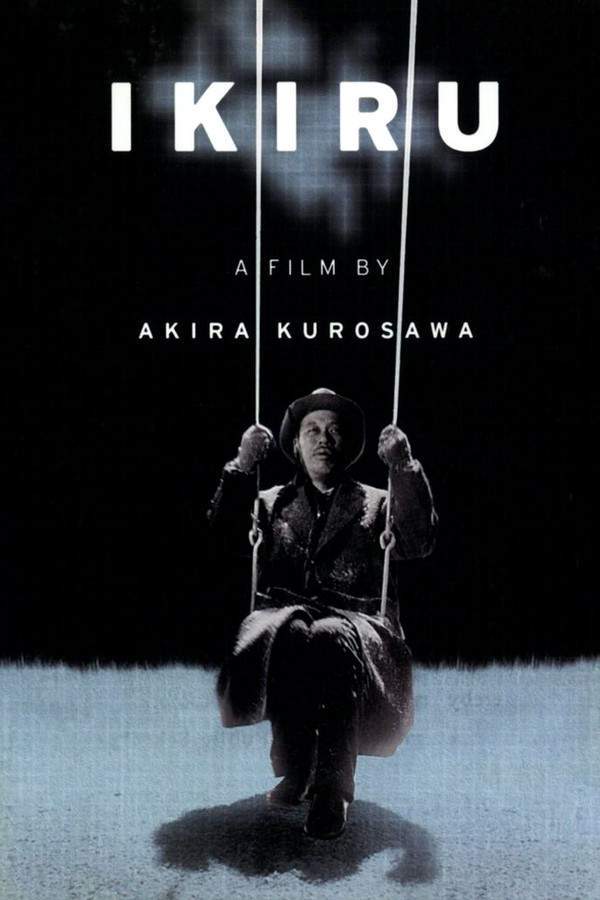
Ikiru (1956) movie poster

Timeline

Ikiru (1956) Timeline Explained – Every Event in Order

Release, runtime and language
1956 · 143 min · Japanese
JustWatch #3,335 12
Directed by
Akira Kurosawa
Starring
Takashi Shimura, Kamatari Fujiwara, Minoru Chiaki, Bokuzen Hidari, Haruo Tanaka, Makoto Kobori

After receiving a terminal cancer diagnosis, Mr. Watanabe struggles to find meaning in his remaining time. Initially consumed by despair, he is inspired by a colleague's generosity and resolves to dedicate himself to a meaningful project. He channels his energy into building a much-needed playground for local children, overcoming bureaucratic obstacles and personal grief along the way. Through this endeavor, Watanabe finds purpose, connection, and ultimately, a quiet acceptance of his mortality.

On this page (6)
  1. 1 Where to watch
  2. 2 Events in order (15)
  3. 3 Timeline questions answered
  4. 4 Movie threads
  5. 5 Movies like Ikiru
  6. 6 Every angle

Where to watch

Where to Watch Ikiru (1956)

Where can you watch Ikiru? Stream, rent or buy it in the US, including on HBO Max, Kanopy and Amazon Video: current JustWatch availability with up-to-date prices.

Streaming availability powered by JustWatch

15 events in order · contains spoilers

Ikiru Timeline: Events in Chronological Order

Every key event of Ikiru (1956) in order, scene by scene, with when and where it takes place. Use it to untangle flashbacks, time jumps and parallel storylines, to refresh your memory before the sequel or to find the exact scene you are thinking of.

  1. Diagnosis of Terminal Illness

    Kanji Watanabe, a high-ranking bureaucrat, learns he is suffering from terminal stomach cancer during an X-ray consultation. As a man who has dedicated his life to public service, this revelation forces him to confront the reality of his impending death and rethink his priorities.

  2. Delegation from Kuroe Women's Association

    A group from the Kuroe Women's Association approaches Kanji for help in transforming a neglected cesspool into a community park for their children. Despite their pressing need, Kanji directs them to the Public Works department, seemingly unaware of the impact of his decision.

  3. Workplace Atmosphere

    In the office, a moment of levity occurs when Toyo Odagiri shares a joke, contrasting with the otherwise dreary atmosphere. Kanji, deeply invested in his routine, reflects on the impending inefficiencies in the bureaucracy, indicating that he has been emotionally dead for years.

    Where
    Public Affairs Office
  4. Frustration of the Kuroe Women's Association

    The Women's Association continuously faces bureaucratic obstacles, as they are shuffled from office to office. Their persistence leads them to the Deputy Mayor’s office, but they leave with empty promises, returning to a disheartened state.

  5. Kanji's Medical Insights

    While waiting for his appointment, Kanji overhears another patient's grim diagnosis of impending death. This deeply unsettles Kanji and makes him question his own earlier diagnoses, leaving him desperate for clarity and honest conversation with his physician.

    Where
    Medical Waiting Area
  6. Family Revelation

    Returning home, Kanji is faced with the harsh reality that his son Mitsuo and daughter-in-law Kazue are more interested in his inheritance than his health. This revelation further isolates Kanji, emphasizing his journey toward finding meaning in his life.

    Where
    Kanji's Home
  7. Encounter with the Writer

    At a local bar, Kanji meets a writer who inspires him to embrace life, sparking a desire for change. Encouraged by this meeting, Kanji begins to reassess what it means to truly live, moving beyond mere survival.

    Where
    Local Bar
  8. Toyo and Kanji's Connection

    While searching for Kanji, Toyo expresses her frustrations with their bureaucratic jobs. This encounter leads to a meaningful connection, where Kanji finds solace in her passion and begins to see the potential for making a real impact on society.

  9. Mitsuo's Anger

    Kanji attempts to share his illness with Mitsuo, leading to a misunderstanding fueled by jealousy over inheritance. Instead of supporting his father, Mitsuo's reactions reveal the emotional distance they share, further complicating Kanji's familial relationships.

    Where
    Kanji's Home
  10. Kanji's Inspiration

    Inspired by Toyo's joy in creating toy rabbits for children, Kanji rekindles his spirit and resolves to leave behind a meaningful legacy. He reflects on the plight of the Kuroe community and commits himself to the cause of improving their lives.

  11. Kanji's Passing

    Five months after his diagnosis, Kanji Watanabe passes away, leaving behind a profound legacy. His death resonates deeply within the community, especially among the Kuroe Women's Association, who honor his efforts in establishing a park for their children.

  12. The Funeral Ceremony

    At Kanji's funeral, a police officer reminisces about Kanji's joyful moments in the park he fought to build. His legacy is solidified as the community acknowledges his contributions, reflecting on the changes sparked by his tenacity against bureaucracy.

    Where
    Community Park
  13. Renewed Commitment Among Colleagues

    Kanji's colleagues begin to reflect on his struggles and contributions, fostering a newfound commitment to help those in need. This moment highlights the potential for change within the bureaucratic system Kanji fought against.

  14. A New Challenge

    As a new group approaches Public Affairs seeking assistance, the looming bureaucracy threatens to repeat history. Sakai, now transitioning into his role, is reminded of Kanji's legacy as he grapples with the extensive paperwork.

    Where
    Public Affairs Office
  15. Reflection on Legacy

    Standing on a bridge overlooking the Kuroe park, Sakai contemplates the path forward. He reflects on Kanji’s determination and wonders if he can rise above the pressures of bureaucracy to truly serve the community.

    Where
    Overlooking Kuroe Park

Last updated: November 04, 2024 at 01:18

Was this helpful?

Timeline questions answered

Ikiru Timeline Explained: Your Questions Answered

When does it happen, and why in that order? The questions people ask about the chronology of Ikiru (1956): time jumps, flashbacks, cause and effect between scenes and the correct order of events, each answered with spoilers.

Q1

Why does Kanji Watanabe initially turn away the Kuroe Women's Association?

Kanji redirects the Women's Association to Public Works because he is trapped in bureaucratic thinking. As a man who has been emotionally dead for twenty years, he follows procedure without considering the human need behind the request. This automatic response to shuffle citizens between offices reflects the very inefficiency that defines his career.

Foreshadowing: Earlier, the film shows Kanji signing papers mechanically, establishing his role as a cog in the bureaucratic machine.

  • bureaucracy
  • kanji watanabe
  • women's association
  • procedure
Q2

What does the title "Ikiru" mean and why is it significant?

"Ikiru" translates to "to live." The title is significant because Kanji Watanabe spends the film learning what it truly means to live, rather than merely exist. Despite receiving a terminal diagnosis, he discovers that living involves creating meaning and connection, not just going through the motions of daily work.

  • title meaning
  • ikiru
  • to live
  • philosophy
Q3

Why is Kanji's son more concerned about inheritance than his father's health?

Mitsuo and his wife Kazue prioritize the inheritance because they have never had a genuine emotional connection with Kanji. Throughout the film, Kanji admits he was emotionally absent from his family, working endless hours at the office. Their cold calculation reveals the vacuum in their relationship, they see Kanji as a source of wealth rather than a person to cherish.

Foreshadowing: The film establishes early that Kanji is a widower who has dedicated his life to work, not family.

  • mitsuo
  • inheritance
  • family
  • kazuе
Q4

How does Toyo Odagiri influence Kanji's decision to build the playground?

Toyo becomes Kanji's emotional anchor after his diagnosis. When she shares how making toy rabbits brings her joy, she shows Kanji that fulfillment comes from creating something meaningful. Her zest for life contrasts sharply with his decades of bureaucratic numbness, inspiring him to take action on the Women's Association's forgotten request.

Foreshadowing: Toyo's joke in the office early in the film hints at her ability to find light in dark circumstances.

  • toyo odagiri
  • inspiration
  • toy rabbits
  • meaning
Q5

What bureaucratic obstacles prevent the Women's Association from getting approval for the park?

The Women's Association is shuffled endlessly between Public Affairs, Public Works, and the Deputy Mayor's office. Each department deflects responsibility, offering empty promises. When they finally return to Public Affairs, Kanji is absent, and Sakai inadvertently sends them back to Public Works. The system is designed to exhaust citizens into giving up.

  • bureaucracy
  • women's association
  • cesspool
  • park
  • paperwork
Q6

How does Kanji find out he has terminal cancer?

Kanji learns of his terminal stomach cancer during an X-ray consultation. While waiting for his appointment, he overhears another patient discussing the grim reality of stomach cancer misdiagnosis. When he directly asks his doctor, he receives denial about the severity, forcing him to piece together the truth himself.

  • cancer diagnosis
  • x-ray
  • stomach cancer
  • doctor
Q7

Why does Kanji choose to build a playground as his final project?

Kanji chooses the playground because it combines two things he discovers matter: creating something tangible that brings joy, and helping the voiceless women and children who were ignored by his office. The project represents his first genuine act of public service in decades, actually solving a problem rather than shuffling papers.

Foreshadowing: The film establishes the cesspool as a genuine danger to children in the Kuroe community.

  • playground
  • legacy
  • children
  • kuroe community
  • meaning
Q8

What happens to Kanji's colleagues after his death?

After Kanji's death, his colleagues attend his funeral and are moved by stories of his final days working on the playground. They reflect on his transformation and the meaning he found. At the film's end, when a new group seeks help, Sakai hesitates, reminded of Kanji's legacy, suggesting the bureaucratic cycle may finally be challenged.

  • colleagues
  • funeral
  • sakai
  • ono
  • legacy
Q9

What does the film mean when it says Kanji has been "dead for twenty years"?

The narrator states Kanji has been "dead for twenty years" because he stopped truly living long before his cancer diagnosis. He abandoned personal joy, family connection, and genuine purpose, becoming a machine that only processes paperwork. His diagnosis awakens him to the fact that he traded a meaningful life for bureaucratic efficiency.

Foreshadowing: The opening scenes show Kanji mechanically signing documents without emotion or engagement.

  • emotional death
  • purpose
  • meaningless work
  • awakening
Q10

What is the significance of Sakai standing on the bridge at the end of the film?

The bridge scene shows Sakai contemplating whether he will follow Kanji's example or succumb to bureaucratic pressure like previous section chiefs. Looking at the playground Kanji built, he faces a choice: continue the cycle of indifference or honor Kanji's legacy by actually helping people. The open ending suggests change is possible but not guaranteed.

Foreshadowing: Earlier, Sakai expresses remorse for redirecting the Women's Association, showing he has conscience.

  • sakai
  • bridge
  • ending
  • legacy
  • choice

Movie threads

More Movies Like Ikiru, by Mood & Story

Curated lists built around what makes Ikiru tick: the same mood, the same kind of story or the same emotional payoff. Each list explains why these movies belong together.

Movies about finding meaning like Ikiru

Characters confronting death seek purpose in their remaining time. Discover films similar to Ikiru where characters facing mortality embark on existential quests. If you liked the poignant search for purpose in Ikiru, you'll find other moving dramas about legacy, redemption, and the meaning of life in the face of terminal illness.

  • poignant
  • reflective
  • melancholic
  • introspective
  • somber
  • uplifting
  • Tone: melancholic, poignant, hopeful
  • Pacing: slow, reflective
Why these movies?

The story pattern: Stories in this thread typically begin with a catalyst—often a terminal diagnosis—that forces the protagonist to reevaluate their life. The narrative follows their journey from despair to action, as they overcome personal and bureaucratic obstacles to achieve a final, meaningful goal. The arc is one of spiritual awakening and quiet redemption.

Why they belong together: These films are grouped by their shared focus on existential themes, a melancholic yet hopeful tone, and a narrative centered on a character's race against time to create something good. They deliver a heavy emotional weight through quiet reflection rather than high drama.


Movies about battling bureaucracy like Ikiru

A single determined individual battles systemic inertia for a noble cause. Explore films similar to Ikiru that feature a lone protagonist challenging a bureaucratic system. If you enjoyed Watanabe's struggle to build the playground, you'll appreciate these stories about perseverance, community impact, and the triumph of humanity over red tape.

  • gentle
  • somber
  • uplifting
  • quiet
  • determined
  • frustrating
  • Tone: somber, gentle, uplifting
  • Pacing: slow, steady
Why these movies?

The story pattern: The narrative pattern involves a protagonist identifying a social or community problem that is being ignored by the authorities. The central conflict is their uphill battle against paperwork, apathy, and rigid procedures. The journey is less about explosive confrontations and more about dogged determination, culminating in a small but significant victory that affirms human spirit.

Why they belong together: Movies in this thread share a specific conflict type: individual versus system. They possess a slow, deliberate pacing that allows the weight of bureaucratic obstacles to be felt, and a tone that blends frustration with gentle optimism. The emotional core is the protagonist's unwavering commitment.

If you liked this

Movies Like Ikiru

Similar movies to Ikiru: the same genre, themes or kind of story. Each one comes with its own plot summary, timeline and ending explained.

Browse all movie summaries

Every angle

Ikiru (1956) Explained: Plot, Timeline & Characters

Everything about Ikiru in one place: what happens in the plot summary, the timeline in chronological order, the characters and meaning and a spoiler-free summary. What's After the Movie adds the cast, box office and post-credit scenes.

Coming soon on iOS and Android

The Plot Explained Movie Summary App

Plot summaries, endings explained and timelines on your phone. Catch up on any movie in minutes, save your favorites and never miss a twist again.

Be the first to know when we launch. Your email stays private, always.

Learn more about the app