Plot Explained Spoilers guaranteed!
Plot Explained

Browse by genre

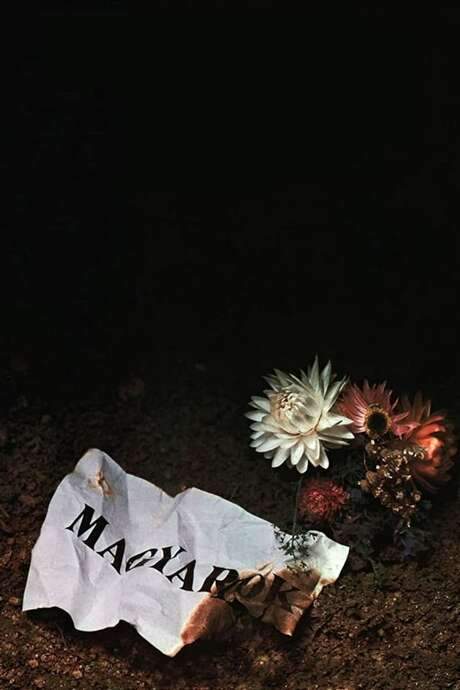
Hungarians (1978) movie poster

Plot Summary

Hungarians (1978) Plot Summary Explained

Release, runtime and language
1978 · 107 mins · Hungarian
Directed by
Zoltán Fábri
Starring
István Szilágyi, Tibor Molnár, Gábor Koncz, Zoltán Gera, Erzsi Pápai, László Joó

Landless Hungarian peasants go to a farm in northern Germany as migrant workers during World II, bringing their families along. Initially comfortable, they soon see the brutal treatment of POWs and feel the war’s harsh reality. After the harvest they return home, only to be swept into the conflict. The film is part of Fabri’s series on fight against fascism.

On this page (5)
  1. 1 What happens: full plot
  2. 2 Plot questions answered
  3. 3 Movie threads
  4. 4 Movies like Hungarians
  5. 5 Every angle

Full plot summary · contains spoilers

What Happens in Hungarians: Full Plot Summary

The whole story of Hungarians (1978) explained, from the opening scene to the final frame: every key event, every twist and what it all adds up to. Read it as a quick recap before the sequel, to check a scene you missed, or to finally understand what really happened.

Winter (1942/1943) unfolds at the Csárda, where a small circle of farmworkers gather to weigh their options for the harsh years ahead. They debate a risky path to Germany, hoping wages there will outstrip conscription and offer a safer future. Their presence on the estate is tolerated by a Hungarian manager whose family barely escaped to the USA, while an elderly, ailing estate owner oversees land and life, his only son serving as a soldier far from home. Nearby, a prisoner-of-war camp holds French detainees, whom the workers are strictly forbidden to approach. Among them is Bacskó Bandi, István Szilágyi, a focal voice in the conversations about survival and duty.

Spring brings intensified labor as the estate hums with activity, yet isolation shields the workers from the broader war’s reach. Their naiveté is gradually chipped away by a series of troubling signs: the sudden disappearance of the estate’s coachman, the brutal execution of exhausted Soviet prisoners, and the forced accommodation of Polish families on the estate.

Summer tests their resilience further. A Polish child falls gravely ill, and the Hungarians respond with spontaneous aid, showing a shared humanity amid hardship. András Fábián [Gábor Koncz] watches these moments closely, sensing that there are deeper, less visible connections at work. With prudent saving, he and his wife manage to send their son, Dani Kis András Ambrus, a bicycle, allowing them a small, hopeful glimpse of the sea beyond their immediate world.

Autumn brings both plenty and pain. The harvest yields temporary cheer, yet the youngest Hungarian, Kondor Ábris [István O. Szabó], dies of tuberculosis, a cruel reminder of the fragility of life in these lands. In a bid to keep their presence on the land, the estate owner offers leasehold rights, but the people’ hearts are set on returning home rather than signing a longer stay.

Winter returns with a tentative sense of return and rhythm, but the looming shadow of conscription looms once more as notices arrive. The women cling to a single photograph as their only reminder of what they’ve endured and the lives they’ve shared, a quiet testament to endurance in a world where the war never truly stays away.

Last updated: February 18, 2026 at 23:46

Was this helpful?

Plot questions answered

Hungarians Plot Explained: Your Questions Answered

The questions people ask most about Hungarians (1978): what happens in the confusing scenes, why the characters do what they do, the twists, hidden details and what the ending means. Each answer contains spoilers.

Q1

Why did the Hungarian farmworkers decide to migrate to Germany during WWII?

The farmworkers chose to migrate to Germany to escape conscription into military service. In winter 1942/43, they gathered at the Csárda to weigh their options for the harsh years ahead, realizing that the wages they could earn in Germany would outstrip the dangers of being drafted into the war effort. This decision represented a desperate attempt at finding security amid the widening conflict.

Foreshadowing: Earlier discussions at the Csárda establish their fear of conscription as the primary motivation for considering the dangerous journey abroad.

  • conscription
  • migration
  • WWII
  • Hungary
  • farmworkers
  • survival
Q2

Why did the Hungarian workers help the Polish child who fell ill?

Despite facing harsh conditions and being forbidden from interacting with Polish families, the Hungarian workers responded with spontaneous aid when a Polish child fell gravely ill in summer 1943. This act reflected their shared humanity amid the suffering caused by war, demonstrating solidarity across ethnic boundaries even as the conflict sought to divide them.

Foreshadowing: András Fábián had been observing these moments closely, sensing deeper connections between the workers and the broader context of hardship around them.

  • Polish child
  • solidarity
  • Hungarian workers
  • compassion
  • summer 1943
Q3

What happened to the estate's coachman who disappeared in spring?

The summary does not detail the coachman's specific fate, only noting his sudden disappearance in spring 1943. This event disrupts the estate's routine and contributes to the growing unease among the workers as their naivety about the war's realities begins to crack.

Foreshadowing: The coachman's disappearance follows the workers' initial settling and hints at the broader disruptions affecting the region.

  • coachman
  • disappearance
  • spring 1943
  • estate
  • mystery
Q4

Why were the Soviet prisoners executed near the estate?

Exhausted Soviet prisoners were executed in spring 1943, a brutal reminder of the war's reach beyond the estate's walls. This execution shocked the workers and shattered any remaining sense of safety they possessed, directly confronting them with the violence inherent to the conflict they had hoped to escape through migration.

Foreshadowing: The execution occurred after the workers had settled into their routines, marking the point when their isolation from the war's realities began to collapse.

  • Soviet prisoners
  • execution
  • POW camp
  • spring 1943
  • war brutality
Q5

Why did the estate owner offer leasehold land to the Hungarian workers?

In autumn 1943, the estate owner offered leasehold land to the workers as a bid to keep their presence nearby and stabilize the community. This gesture was an attempt to secure their continued labor and maintain the workforce, though the workers' hearts were already set on returning home rather than signing a longer stay.

Foreshadowing: The offer came after the harvest brought temporary cheer, creating a moment of apparent stability before the tragic death of Kondor Ábris.

  • leasehold land
  • estate owner
  • autumn 1943
  • workers
  • offer
Q6

Why did Kondor Ábris die of tuberculosis?

Kondor Ábris, the youngest Hungarian worker, died of tuberculosis in autumn 1943. His death underscored the fragility of life in the harsh conditions the workers endured, serving as a cruel reminder that death could strike from illness even without direct wartime violence.

Foreshadowing: The death occurred during autumn, after a brief period of hope from the successful harvest, highlighting the ever-present fragility of their existence.

  • Kondor Ábris
  • tuberculosis
  • death
  • autumn 1943
  • youngest worker
Q7

What did the single photograph represent that the women held onto?

The women clung to a single photograph as their only reminder of what they endured and the lives they shared during their time on the estate. This quiet image became a testament to their endurance in a world where the war never truly stayed away, encapsulating their collective memory and suffering.

Foreshadowing: The photograph was held as conscription notices arrived, symbolizing how the past years of hardship would be carried with them.

  • photograph
  • women
  • memory
  • endurance
  • conscription
Q8

Why did the Hungarian workers reject the estate owner's offer of leasehold land?

The workers rejected the leasehold offer because their hearts were set on returning home rather than staying longer on the estate. Despite the security the offer might provide, the pull of their homeland proved stronger than the stability of remaining in Germany, demonstrating their deep longing for home despite the dangers awaiting them.

Foreshadowing: This decision reflects the earlier discussions about migration being driven by the desire to avoid conscription and return home safely.

  • leasehold
  • rejection
  • home
  • homeland
  • workers decision
Q9

What caused the conscription notices to arrive as the workers planned to return home?

Conscription notices arrived in winter 1943/44, casting a shadow over the workers' plans to return home. This represented the cruel irony of their situation, the very threat they had fled to Germany to avoid ultimately caught up with them, negating the brief joy of their planned return and demonstrating the war's inescapable reach.

Foreshadowing: The notices followed their earlier decision to migrate specifically to escape conscription, completing a tragic full circle.

  • conscription notices
  • return home
  • winter 1943/44
  • war
  • looming threat
Q10

Why was András Fábián observing the connections between people on the estate?

András Fábián watched events unfold with a keen, observant eye, sensing there were deeper, less visible connections at work between the workers, the Polish families, and the broader war context. His awareness enabled him to understand the complex social dynamics around him, foreshadowing actions inspired by what he learned about these relationships.

Foreshadowing: His observation of the Polish child being helped by other Hungarians demonstrated his understanding of the hidden solidarities forming on the estate.

  • András Fábián
  • observation
  • connections
  • awareness
  • understanding

Movie threads

More Movies Like Hungarians, by Mood & Story

Curated lists built around what makes Hungarians tick: the same mood, the same kind of story or the same emotional payoff. Each list explains why these movies belong together.

Movies with civilian witnesses to war like Hungarians

Ordinary people caught in the gears of war, watching their world change. A collection of films similar to Hungarians, focusing on stories of ordinary civilians, migrant workers, or bystanders whose lives are irrevocably changed by witnessing the brutalities of war and political upheaval.

  • somber
  • observational
  • poignant
  • disillusioned
  • gritty
  • historical
  • Tone: melancholic, observational, disillusioned
  • Pacing: slow, deliberate
Why these movies?

The story pattern: The narrative follows a slow, observational arc, often chronological, where characters initially live in relative normalcy or ignorance. As the external conflict intensifies, they are gradually confronted with harrowing events that strip away their innocence, forcing a quiet but profound moral awakening.

Why they belong together: These films share a melancholic tone, heavy emotional weight, and a focus on displacement and loss of innocence. They prioritize the quiet, personal perspective of those on the sidelines over battlefield action, creating a powerful and reflective viewing experience.

Movies where comfort slowly erodes like in Hungarians

Stories where a semblance of normalcy gradually crumbles under mounting pressure. Discover films with a similar structure to Hungarians, where characters start in a temporary sanctuary that is slowly stripped away by the harsh realities of war, society, or personal tragedy.

  • somber
  • disillusioned
  • nostalgic
  • quiet
  • gritty
  • bleak
  • Tone: melancholic, somber, bittersweet
  • Pacing: slow burn, steady
Why these movies?

The story pattern: The plot is often straightforward, following a linear progression from initial stability to final disarray. The pacing is slow and deliberate, allowing the audience to feel the steady accumulation of dread as each small event chips away at the characters' security, leading to a bittersweet or bleak conclusion.

Why they belong together: They are united by a slow-burn structure, a melancholic mood, and the central theme of eroded innocence. The focus is on the psychological impact of watching a safe world fall apart, rather than on sudden, explosive conflict.

If you liked this

Movies Like Hungarians

Similar movies to Hungarians: the same genre, themes or kind of story. Each one comes with its own plot summary, timeline and ending explained.

Browse all movie summaries

Every angle

Hungarians (1978) Explained: Plot, Timeline & Characters

Everything about Hungarians in one place: what happens in the plot summary, the timeline in chronological order, the characters and meaning and a spoiler-free summary. What's After the Movie adds the cast, box office and post-credit scenes.

Coming soon on iOS and Android

The Plot Explained Movie Summary App

Plot summaries, endings explained and timelines on your phone. Catch up on any movie in minutes, save your favorites and never miss a twist again.

Be the first to know when we launch. Your email stays private, always.

Learn more about the app