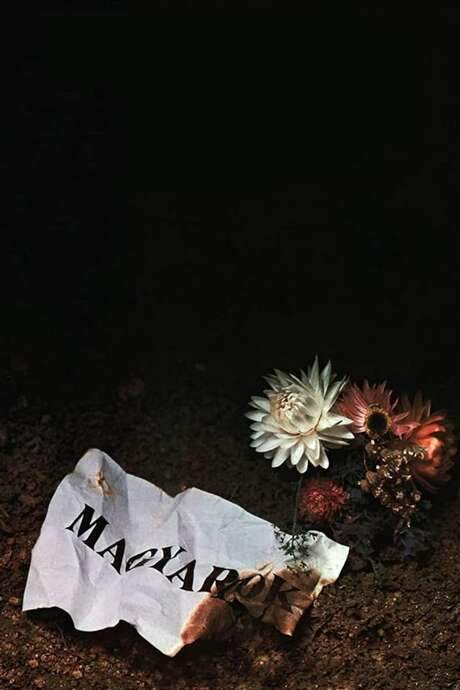
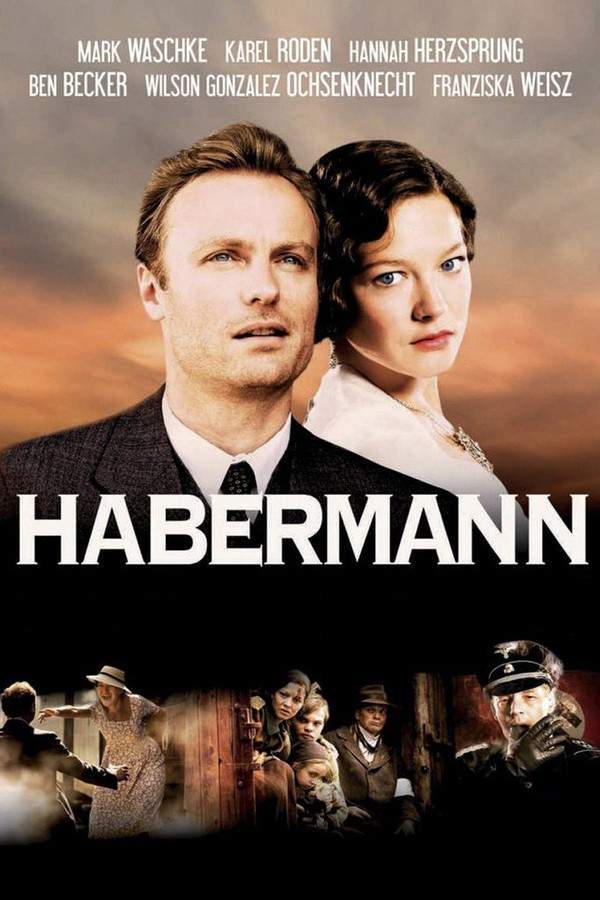
The film opens on the bleak winter of 1942‑43, when a small band of land‑less Hungarian peasants decide to cross the border in search of work. They join a collective of migrant laborers on a sprawling farm in northern Germany, bringing their wives, children, and a fragile hope for a safer future. The landscape is a stark mixture of endless fields and barbed wire, a place where the ordinary rhythms of planting and harvest coexist with the distant rumble of a continent at war. Against this backdrop, the story settles into a quietly observed, almost documentary tone that lets the audience feel the weight of each sunrise and the hum of shared labor.
The estate itself is a world of quiet hierarchies. An elderly owner, kept alive by a stubborn will, watches over the land while his only son fights far away on the front lines. A Hungarian foreman, whose own family barely escaped to America, tolerates the newcomers, offering a thin thread of familiarity amid foreign soil. Nearby, a prisoner‑of‑war camp holds French detainees, a reminder that the war’s violence is never far. Within the workers’ circle, Bacskó Bandi emerges as a steady voice, articulating the collective’s aspirations and anxieties as they navigate this precarious existence.
Among the workers, András Fábián and his wife strive to carve out a sense of normalcy for their son, Dani, whose small gestures—such as a treasured bicycle—become symbols of hope against the encroaching gloom. Their interactions reveal a community bound by mutual support, sharing moments of kindness that cut through the cold efficiency of farm life. The presence of other families, including Polish newcomers, adds layers of cultural tension and solidarity, underscoring a shared humanity that persists despite the looming threats of conscription and the ever‑present specter of the conflict beyond the fields.
As the seasons turn, the film maintains a contemplative mood, balancing the harsh realities of wartime labor with quiet moments of resilience. Its visual style is stark yet intimate, inviting viewers to linger on the faces of those who live on the edge of history. Part of a series that confronts the rise of fascism, the narrative remains rooted in the everyday choices of ordinary people, leaving the audience to wonder how these fragile lives will navigate the inevitable storm that gathers on the horizon.