Plot Explained Spoilers guaranteed!
Plot Explained

Browse by genre

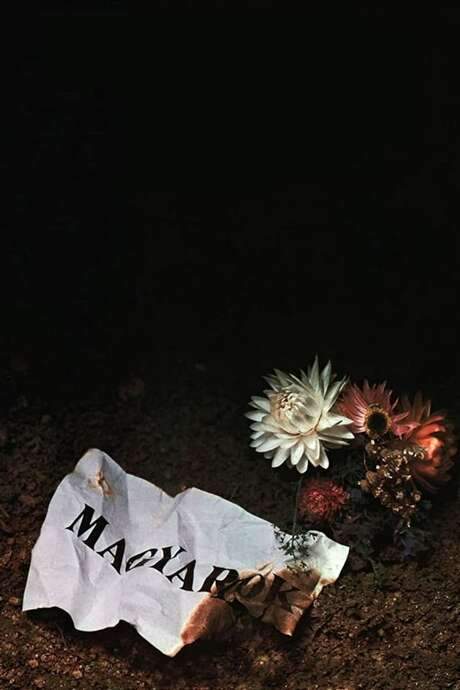
Hungarians (1978) movie poster

Characters & Themes

Hungarians (1978) Characters, Setting & Themes Explained

Release, runtime and language
1978 · 107 mins · Hungarian
Directed by
Zoltán Fábri
Starring
István Szilágyi, Tibor Molnár, Gábor Koncz, Zoltán Gera, Erzsi Pápai, László Joó

Landless Hungarian peasants go to a farm in northern Germany as migrant workers during World II, bringing their families along. Initially comfortable, they soon see the brutal treatment of POWs and feel the war’s harsh reality. After the harvest they return home, only to be swept into the conflict. The film is part of Fabri’s series on fight against fascism.

On this page (7)
  1. 1 Characters explained (9)
  2. 2 Where & when it takes place
  3. 3 Themes & meaning (3)
  4. 4 Character & meaning questions
  5. 5 Movie threads
  6. 6 Movies like Hungarians
  7. 7 Every angle

9 main characters · contains spoilers

Hungarians Characters Explained: Who Is Who

The main characters of Hungarians (1978), heroes and villains: what drives them, how they change over the course of the story and what each of them reveals about the film's bigger ideas.

  • Bacskó Bandi — István Szilágyi

    The village’s falu bolondja, Bandi provides a gentle, comic surface that mirrors the community’s coping through humor. His simple worldview and warmth reveal how people lean on small, human moments to endure fear and uncertainty. Though seen as naive by some, his presence helps anchor social harmony within the harsh wartime setting.

    • 🎭 Village fool
    • 🧭 Naïveté
  • Gáspár Dániel — Tibor Molnár

    A farmworker who weighs emigration to Germany to dodge conscription against ties to his homeland. Dániel embodies practical pragmatism and cautious optimism, seeking a way to improve his lot while navigating the moral complexities of leaving. His perspective highlights the tempting allure of escape and the costs of such choices.

    • 💼 Worker
    • 🧭 Emigration
  • András Fábián — Gábor Koncz

    Keenly observant, András senses underlying connections and social currents that others miss. He is pragmatic and perceptive, often reading between the lines of conversations and events. His attentiveness helps the group navigate shifting loyalties and hidden motives during the evolving crisis.

    • 🧠 Observer
    • 🛡️ Family-focused
  • Tarné — Erzsi Pápai

    The elderly figure associated with the estate, Tarné embodies endurance and quiet authority. Her presence anchors the household amid illness and upheaval, serving as a steadying influence for those around her. She embodies a long view of the land and its people, even as the world around them changes.

    • 👵 Elderly
    • 🏰 Estate
  • Német Gazda — Sándor Szabó

    The estate’s master, an older man whose authority persists even as he grows frail. His decisions shape the livelihoods of the workers and their families, including the offer of leasehold land. He represents a traditional, governing force within a rapidly changing wartime landscape.

    • 🏛️ Master
    • 👔 Authority
  • Kondor Ábris — István O. Szabó

    The youngest Hungarian, Kondor Ábris is struck by tuberculosis, a symbol of vulnerability amid a harsh environment. His brief life and death underscore the fragility of youth in wartime, and his loss casts a shadow over the community’s fragile hopes. His family’s struggle to care for him reveals themes of sacrifice and perseverance.

    • 🧒 Youth
    • 🩺 Illness
  • Francia fogoly — János Koltai

    A French prisoner of war housed near the estate, he symbolizes war’s pervasive reach beyond national borders. The detainee’s presence heightens the sense of danger and constraint felt by locals, reminding them that conflict intrudes into every corner of life. His proximity, though distant, is a constant reminder of the war’s price.

    • 🔒 POW
    • 🕊️ Restraint
  • Rozika Kisné — Anna Muszte

    A Hungarian wife often caught in the rhythms of farm life, Rozika embodies domestic resilience and quiet endurance. She contributes to the community through practical care and steady support for her family and neighbors. Her presence highlights the intimate labor that sustains households under strain.

    • 💞 Spouse
    • 🕊️ Hope
  • Zsófi Szabóné — Noémi Apor

    A Hungarian woman whose life intersects with the estate’s workers, Zsófi Szabóné exemplifies everyday resilience. She navigates scarcity and duty, balancing care for her family with the pull of larger events unfolding around them. Her character represents the endurance of ordinary people faced with extraordinary times.

    • 👨‍👩‍👧 Family
    • 🛠️ Survival

Last updated: February 18, 2026 at 23:27

Was this helpful?

Setting

Where and When Does Hungarians Take Place?

The setting of Hungarians (1978): the year and time period, the places and locations, and how they shape the characters, the mood and the tension of the story.

Time period

Winter 1942/1943

The film takes place during the harsh Hungarian winter of 1942 into 1943, a period when wartime demands press on rural life. Conscription looms over the men, and people weigh precarious choices between staying home and seeking work abroad. Seasonal work drives daily routine, while fear, scarcity, and distant fronts shape decisions and relationships. The return of spring will only heighten these tensions.

Location

Csárda estate, Hungarian countryside

Set on a remote Csárda estate in rural Hungary, the story unfolds within a tight-knit farm community. The estate functions as a social arena where work, survival, and small dreams intersect against the realities of war. Nearby, a prisoner-of-war camp for French detainees underscores the constant presence of conflict and restraint. The barren, isolated setting tests resilience while offering moments of mundane camaraderie.

  • 🌾 Rural
  • 🏡 Isolated

Last updated: February 18, 2026 at 23:27

Was this helpful?

3 major themes

Hungarians Meaning: Themes & Message Explained

What is Hungarians (1978) really about? The emotional, social and philosophical themes the film keeps returning to, its symbolism and the message beneath the surface.

  • War's Reach

    War penetrates every layer of rural life, turning farm labor into a precarious balance between duty and survival. The presence of conscription notices and a nearby POW camp makes danger feel intimate rather than distant. Residents navigate loyalty to family and community while negotiating options that might keep them out of harm’s way. Small acts of solidarity become lifelines in a landscape defined by fear.

  • Rural Life and Harvest

    The estate’s fortunes rise and fall with the seasons, shaping how people live, work, and dream. Harvest time brings brief cheer, while isolation amplifies the weight of daily labor and the limits of comfort. The inn and fields act as stages for social interaction, discipline, and shared burdens. The land itself becomes a character, directing rhythms of hope and hardship.

  • Community and Sacrifice

    Neighbors band together in moments of need—helping a Polish child, sharing scarce resources, and preserving dignity under strain. The relationships formed amid scarcity reveal resilience, compassion, and the complexities of loyalty. Yet the looming threat of conscription tests these bonds, forcing characters to confront what they owe to home and to each other. The film ultimately frames humanity as a fragile beacon amid war’s darkness.

Last updated: February 18, 2026 at 23:27

Was this helpful?

Character & theme questions

Hungarians Characters & Meaning: Your Questions Answered

The questions people ask about Hungarians (1978): who the characters really are, their relationships, what the symbols mean, where it takes place and what the movie is really about. Each answer contains spoilers.

Q1

Where is the movie set?

The story takes place on a remote Csárda estate in rural Hungary, within a tight-knit farm community. This isolated setting serves as both a social arena and a backdrop where work, survival, and small dreams intersect against the realities of war. A nearby prisoner-of-war camp for French detainees underscores the constant presence of conflict and restraint.

  • rural hungary
  • csárda estate
  • farm setting
  • isolated location
Q2

What time period is depicted in the film?

The film is set during the harsh Hungarian winter of 1942 into 1943, a period when wartime demands press heavily on rural life. This era was marked by conscription looming over men, families weighing precarious choices between staying home or seeking work abroad, and seasonal work driving daily routines while fear and scarcity shaped decisions.

  • 1942
  • 1943
  • world war 2
  • hungarian winter
  • wartime period
Q3

What is a Csárda?

A Csárda is a traditional Hungarian roadside inn or estate, typically located in rural areas. In the film, the Csárda estate functions as the central community hub where farm workers and their families live and labor. The inn and fields serve as stages for social interaction, discipline, and shared burdens, with the land itself directing the rhythms of hope and hardship.

  • csárda
  • hungarian inn
  • estate
  • rural hungary
Q4

Who is the French prisoner of war and why does his presence matter?

The French POW, housed near the estate, symbolizes war's pervasive reach beyond national borders. His confinement in the nearby camp makes the danger of conflict feel intimate rather than distant for the local villagers, reminding them that war intrudes into every corner of life, even the most isolated rural communities.

  • french prisoner
  • pow camp
  • war's reach
  • french detainee
Q5

What does the theme War's Reach represent?

War's Reach explores how conflict penetrates every layer of rural life, turning farm labor into a precarious balance between duty and survival. The presence of conscription notices and the nearby POW camp makes danger feel intimate rather than distant. Residents must navigate loyalty to family and community while negotiating options that might keep them out of harm's way.

  • war
  • conscription
  • survival
  • wartime
  • danger
Q6

How does the film portray community and sacrifice?

The film shows neighbors banding together in moments of need, helping a Polish child, sharing scarce resources, and preserving dignity under strain. These relationships reveal resilience, compassion, and the complexities of loyalty. However, the looming threat of conscription tests these bonds, forcing characters to confront what they owe to home and each other, framing humanity as a fragile beacon amid war's darkness.

  • community
  • sacrifice
  • solidarity
  • loyalty
  • neighbors
Q7

Who is Bandi and what role does he play?

Bandi, known as the village's falu bolond or fool, provides a gentle, comic surface that mirrors the community's coping through humor. His simple worldview and warmth reveal how people lean on small human moments to endure fear and uncertainty. Though seen as naive by some, his presence helps anchor social harmony within the harsh wartime setting.

  • bandi
  • comic relief
  • village fool
  • humor
  • social harmony
Q8

Who is Dániel and what motivates him?

Dániel is a farmworker who faces the difficult decision of whether to emigrate to Germany to dodge conscription, or remain tied to his homeland. He embodies practical pragmatism and cautious optimism, seeking a way to improve his lot while navigating the moral complexities of leaving. His perspective highlights the tempting allure of escape and the costs of such choices.

  • dániel
  • emigration
  • conscription
  • pragmatism
  • german work
Q9

How does the rural setting shape the story's tone?

The barren, isolated setting tests resilience while offering moments of mundane camaraderie. The estate's fortunes rise and fall with the seasons, harvest time brings brief cheer while isolation amplifies the weight of daily labor. The land itself becomes a character, directing rhythms of hope and hardship and reflecting the emotional landscape of the characters.

  • rural life
  • isolation
  • harvest
  • seasons
  • farm work
Q10

Who is Kondor Ábris and what does his story represent?

Kondor Ábris is the youngest Hungarian in the community, struck by tuberculosis. His brief life and death underscore the fragility of youth in wartime. His family's struggle to care for him reveals themes of sacrifice and perseverance, casting a shadow over the community's fragile hopes and highlighting the vulnerability of the innocent amid harsh circumstances.

  • kondor ábris
  • tuberculosis
  • youth
  • vulnerability
  • sacrifice
Q11

What are the main themes explored in the film?

The film explores three interconnected themes: War's Reach, showing how conflict permeates rural life; Rural Life and Harvest, depicting how the seasons shape survival and hope; and Community and Sacrifice, illustrating how neighbors support each other amid scarcity while confronting the testing force of conscription. These themes intertwine to show humanity as fragile but resilient.

  • themes
  • war
  • rural life
  • community
  • sacrifice
  • harvest

Movie threads

More Movies Like Hungarians, by Mood & Story

Curated lists built around what makes Hungarians tick: the same mood, the same kind of story or the same emotional payoff. Each list explains why these movies belong together.

Movies with civilian witnesses to war like Hungarians

Ordinary people caught in the gears of war, watching their world change. A collection of films similar to Hungarians, focusing on stories of ordinary civilians, migrant workers, or bystanders whose lives are irrevocably changed by witnessing the brutalities of war and political upheaval.

  • somber
  • observational
  • poignant
  • disillusioned
  • gritty
  • historical
  • Tone: melancholic, observational, disillusioned
  • Pacing: slow, deliberate
Why these movies?

The story pattern: The narrative follows a slow, observational arc, often chronological, where characters initially live in relative normalcy or ignorance. As the external conflict intensifies, they are gradually confronted with harrowing events that strip away their innocence, forcing a quiet but profound moral awakening.

Why they belong together: These films share a melancholic tone, heavy emotional weight, and a focus on displacement and loss of innocence. They prioritize the quiet, personal perspective of those on the sidelines over battlefield action, creating a powerful and reflective viewing experience.

Movies where comfort slowly erodes like in Hungarians

Stories where a semblance of normalcy gradually crumbles under mounting pressure. Discover films with a similar structure to Hungarians, where characters start in a temporary sanctuary that is slowly stripped away by the harsh realities of war, society, or personal tragedy.

  • somber
  • disillusioned
  • nostalgic
  • quiet
  • gritty
  • bleak
  • Tone: melancholic, somber, bittersweet
  • Pacing: slow burn, steady
Why these movies?

The story pattern: The plot is often straightforward, following a linear progression from initial stability to final disarray. The pacing is slow and deliberate, allowing the audience to feel the steady accumulation of dread as each small event chips away at the characters' security, leading to a bittersweet or bleak conclusion.

Why they belong together: They are united by a slow-burn structure, a melancholic mood, and the central theme of eroded innocence. The focus is on the psychological impact of watching a safe world fall apart, rather than on sudden, explosive conflict.

If you liked this

Movies Like Hungarians

Similar movies to Hungarians: the same genre, themes or kind of story. Each one comes with its own plot summary, timeline and ending explained.

Browse all movie summaries

Every angle

Hungarians (1978) Explained: Plot, Timeline & Characters

Everything about Hungarians in one place: what happens in the plot summary, the timeline in chronological order, the characters and meaning and a spoiler-free summary. What's After the Movie adds the cast, box office and post-credit scenes.

Coming soon on iOS and Android

The Plot Explained Movie Summary App

Plot summaries, endings explained and timelines on your phone. Catch up on any movie in minutes, save your favorites and never miss a twist again.

Be the first to know when we launch. Your email stays private, always.

Learn more about the app