Plot Explained Spoilers guaranteed!
Plot Explained

Browse by genre

House of Cards (1968) movie poster

Plot Summary

House of Cards (1968) Plot Summary Explained

Release, runtime and language
1968 · 105 mins · English
Loading streaming availability…
Directed by
John Guillermin
Starring
Orson Welles, George Peppard, Inger Stevens, Ralph Michael, Keith Michell, Peter Bayliss

A feverish chronicle of those battling a worldwide web of intrigue. Set in 1960s Paris, an American boxer inadvertently uncovers a far‑reaching fascist plot that seeks to reshape global power into a new world order, thrusting him into a desperate fight against conspirators.

On this page (6)
  1. 1 Where to watch
  2. 2 What happens: full plot
  3. 3 Plot questions answered
  4. 4 Movie threads
  5. 5 Movies like House of Cards
  6. 6 Every angle
Loading streaming availability…

Full plot summary · contains spoilers

What Happens in House of Cards: Full Plot Summary

The whole story of House of Cards (1968) explained, from the opening scene to the final frame: every key event, every twist and what it all adds up to. Read it as a quick recap before the sequel, to check a scene you missed, or to finally understand what really happened.

Reno Davis, [George Peppard], is an American writer who has recently retired from boxing. Now unemployed and broke in France, he crosses paths with the wealthy widow of a French general, Anne de Villemont, [Inger Stevens], who is attracted to him but keeps him at arm's length. She hires him to tutor her eight-year-old son Paul, [Barnaby Shaw], and to serve as a protector for the boy.

Reno is led to believe that Anne's husband was killed in the Algerian conflict, and he grows troubled by her intense fear that Paul might be kidnapped. He uncovers troubling connections: the family is linked to a fascist organization that plans to take over all of Europe. He faces a pair of unsettling influences — the shady psychiatrist Morillon, [Keith Michell], and the mysterious family friend Charles Leschenhaut, [Orson Welles] — both of whom frighten Anne whenever they appear.

Reno is framed for the murder of his best friend Louis Le Buc, [Raoul Delfosse], turning his life into a dangerous chase. He and Anne become targets of ambitious and maniacal schemers who wish to rule Europe, forcing them to flee across the countryside of France while doing all they can to keep Paul safe from abduction.

The pursuit culminates in a climactic confrontation at the Colosseum in Rome, where Reno and the villains finally come to a head in a showdown that will determine not only Paul’s fate but the future of a continent on the edge of upheaval.

Last updated: March 05, 2026 at 18:40

Was this helpful?

Plot questions answered

House of Cards Plot Explained: Your Questions Answered

The questions people ask most about House of Cards (1968): what happens in the confusing scenes, why the characters do what they do, the twists, hidden details and what the ending means. Each answer contains spoilers.

Q1

Why is Anne de Villemont so afraid of Paul being kidnapped?

Anne's fear stems from her husband being killed in the Algerian conflict, but more importantly, she has discovered that her family is linked to a fascist organization planning a European takeover. The conspirators want to abduct Paul as leverage against her, using the child to ensure her cooperation with their plot. Her intense protection of Paul comes from knowing the danger is political and real, not just a mother's paranoia.

Foreshadowing: Early in the film, Anne's unexplained tension around Paul hints at secrets she is keeping from Reno.

  • anne de villemont
  • paul kidnapping
  • fascist conspiracy
  • house of cards 1968
Q2

What is the fascist organization in House of Cards planning?

The conspiracy aims to take over all of Europe and reshape global power into a new world order. The organization operates through wealthy, connected figures like Anne's associates Morillon and Leschenhaut, using political influence and criminal networks to advance their goals. They seek to install fascist leadership across the continent, with the power structure extending beyond France.

Foreshadowing: Reno learns early that Anne's husband was killed in the Algerian conflict, suggesting military and political connections.

  • fascist plot
  • europe takeover
  • conspiracy
  • new world order
Q3

Why is Reno framed for Louis Le Buc's murder?

Reno is framed because he is getting too close to the truth about the conspiracy. His relationship with Anne and his investigation into the fascist organization make him a threat to the plotters. By framing him for his best friend's murder, the conspirators turn him into a fugitive and remove him from the investigation while also making him a target for authorities. This forces him and Anne to flee while trying to clear his name.

Foreshadowing: The frame occurs right after Reno discovers the family's ties to the fascist organization.

  • reno davis
  • louis le buc
  • framed for murder
  • house of cards plot
Q4

Who are Morillon and Leschenhaut and why are they threatening?

Morillon is a shady psychiatrist who uses his profession to manipulate and spy on Anne and Paul. Charles Leschenhaut is a mysterious family friend who operates as an enforcer for the fascist conspiracy. Both men represent the conspiracy's reach into Anne's inner circle, they report on her activities and intimidate her into compliance. Their presence in her home creates an atmosphere of constant surveillance and threat, which is why Anne becomes visibly frightened whenever they appear.

Foreshadowing: The film establishes these characters early as unsettling influences who unsettle Anne.

  • morillon
  • charles leschenhaut
  • orson welles
  • house of cards 1968
Q5

What happens at the Colosseum in Rome during the climax?

The climactic confrontation takes place at the Colosseum in Rome, where Reno finally confronts the conspirators face-to-face. This location was chosen because it serves as a powerful symbol, both of European civilization being threatened by the fascist plot and of the historic stakes of the battle. Reno uses the ancient amphitheater's layout to his advantage, leading to a showdown that determines not only Paul's fate but whether the European takeover will succeed or be stopped.

Foreshadowing: The tension builds as Reno and Anne are hunted across France, with the stakes escalating toward this final confrontation.

  • colosseum rome
  • climax
  • showdown
  • house of cards ending
Q6

Why does Anne keep Reno at arm's length initially despite being attracted to him?

Anne is attracted to Reno but keeps him at distance because she knows the danger she and her son face. She understands that anyone close to her becomes a target of the fascist conspiracy. By hiring Reno as Paul's tutor and protector, she creates a practical reason for his presence without fully acknowledging her feelings. Her emotional distance is a survival mechanism, she cannot afford personal attachments when her family is being hunted by powerful conspirators.

Foreshadowing: Anne's initial caution mirrors her constant fear of kidnapping and surveillance.

  • anne de villemont
  • reno davis
  • romantic subplot
  • house of cards 1968
Q7

How does Reno discover the fascist conspiracy?

Reno uncovers the conspiracy through his growing involvement in Anne's household. He notices troubling connections between the family and powerful, sinister figures. When he learns that Anne's husband was killed in the Algerian conflict, he realizes the danger is more than personal. His investigation reveals the family's ties to a fascist organization planning a European takeover, shifting his protective role from a personal guardian to a potential counter-conspirator.

Foreshadowing: The timeline shows Reno's gradual discovery, moving from personal protection to political awareness.

  • reno davis
  • conspiracy discovery
  • fascist organization
  • house of cards plot
Q8

Why is Paul targeted for abduction by the conspirators?

Paul is targeted because he represents leverage over Anne. The conspirators know Anne will do anything to protect her son, making him the perfect tool to ensure her cooperation with their plans. Since her husband's death left her as the link between the family and the fascist organization, taking Paul would give them additional influence over her. The child becomes a political pawn in a much larger game of European power consolidation.

Foreshadowing: Anne's fear of kidnapping is established early, foreshadowing Paul's central role in the plot.

  • paul
  • abduction
  • anne de villemont
  • house of cards 1968
Q9

How does Reno clear his name after being framed for murder?

Reno must work to prove his innocence while simultaneously protecting Paul and stopping the conspiracy. Along with Anne, he pieces together the truth about the fascist network and identifies the key players responsible for framing him. The pursuit across France gives him opportunities to gather evidence and confront his accusers. By the time they reach Rome for the final confrontation, Reno's investigation shifts the tables on the conspirators.

Foreshadowing: The frame drives the chase narrative, pushing Reno and Anne across France as fugitives.

  • reno davis
  • clear name
  • framed
  • murder
  • house of cards plot
Q10

Does House of Cards have a happy ending?

The film ends with the immediate threat neutralized at the Colosseum, and Reno and Anne secure Paul's safety. However, the resolution is somewhat ambiguous, the fascist danger is thwarted, but the emotional costs and lessons linger. The final image suggests cautious hope for peace in Europe while leaving the characters to weather the aftermath of the conspiracy. The victory is both personal and political, affecting their futures and regional stability.

Foreshadowing: The climactic showdown at the Colosseum represents the turning point where the conspiracy is either stopped or continues.

  • house of cards ending
  • resolution
  • colosseum
  • fascist conspiracy

Movie threads

More Movies Like House of Cards, by Mood & Story

Curated lists built around what makes House of Cards tick: the same mood, the same kind of story or the same emotional payoff. Each list explains why these movies belong together.

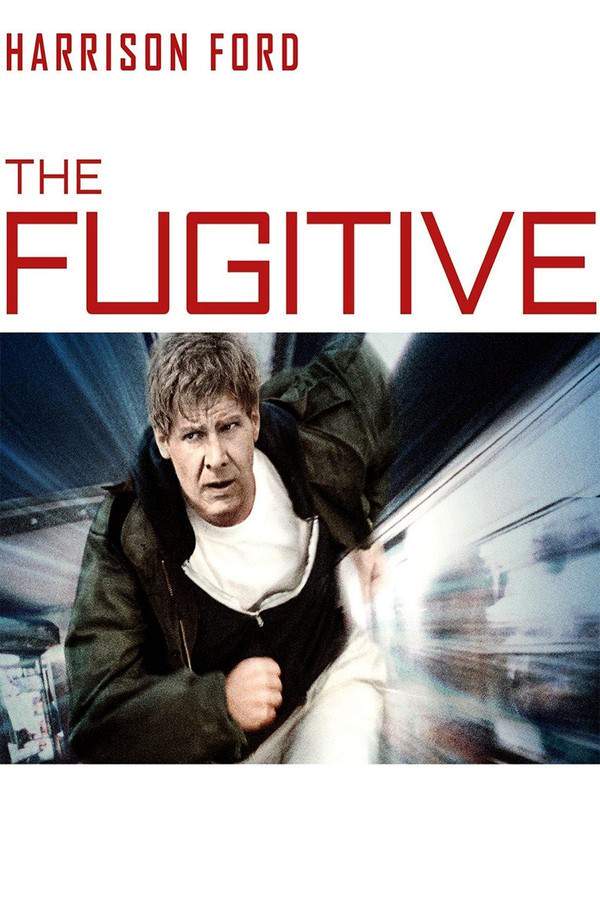
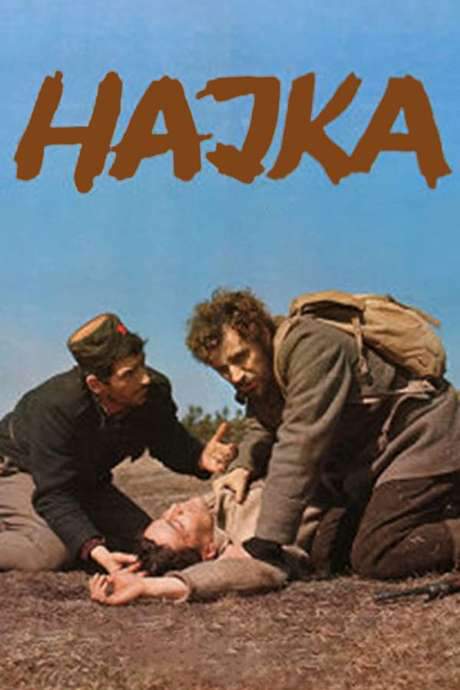
Movies about framed fugitives like House of Cards

An ordinary person is framed and forced to run from a shadowy conspiracy. If you enjoyed the paranoid chase in House of Cards, explore more thrilling stories where ordinary people are framed by a conspiracy. These films feature desperate characters on the run, fighting to survive and uncover a shadowy plot. Find similar high-stakes thrillers with tense pacing.

  • paranoid
  • tense
  • suspenseful
  • anxious
  • on the run
  • desperate
  • Tone: tense, paranoid, desperate
  • Pacing: fast, relentless
Why these movies?

The story pattern: The narrative follows an average individual who stumbles upon or is targeted by a sinister conspiracy. Framed for a crime they didn't commit, they become a fugitive, forced to rely on their wits and a few unlikely allies. The story is a desperate race against time to evade capture and bring the conspirators to light, often culminating in a tense showdown.

Why they belong together: Movies in this thread share a core structure of an innocent protagonist battling a vast, oppressive system. The mood is defined by constant tension, paranoia, and the high-stakes urgency of being hunted. They deliver a gripping, fast-paced experience where the threat feels omnipresent and deeply personal.
Classic paranoid political thrillers like House of Cards

Unravel a shadowy global conspiracy in a world of shifting loyalties. Fans of the global intrigue in House of Cards will appreciate this collection of 60s and 70s paranoid thrillers. Discover movies with a similar tense, shadowy atmosphere where characters uncover conspiracies that challenge their perception of reality. Find more films with heavy themes and ambiguous endings.

  • tense
  • suspenseful
  • paranoid
  • thought-provoking
  • bleak
  • conspiratorial
  • Tone: tense, bleak, ambiguous
  • Pacing: steady, building tension
Why these movies?

The story pattern: The narrative often centers on a lone investigator or an accidental discoverer who peels back layers of a conspiracy that reaches the highest levels of power. The journey is one of increasing isolation and doubt, where trust is a liability and the line between ally and enemy blurs. Endings are frequently ambiguous, leaving the true scale of the conspiracy and the protagonist's fate uncertain.

Why they belong together: These films are grouped by their historical era and shared thematic concerns. They reflect a specific cultural moment of skepticism towards authority, using a tense, methodical pace to build a pervasive sense of unease. The combination of global stakes, shadowy villains, and a morally complex world creates a uniquely gripping and thought-provoking experience.

If you liked this

Movies Like House of Cards

Similar movies to House of Cards: the same genre, themes or kind of story. Each one comes with its own plot summary, timeline and ending explained.

Browse all movie summaries

Every angle

House of Cards (1968) Explained: Plot, Timeline & Characters

Everything about House of Cards in one place: what happens in the plot summary, the timeline in chronological order, the characters and meaning and a spoiler-free summary. What's After the Movie adds the cast, box office and post-credit scenes.

Coming soon on iOS and Android

The Plot Explained Movie Summary App

Plot summaries, endings explained and timelines on your phone. Catch up on any movie in minutes, save your favorites and never miss a twist again.

Be the first to know when we launch. Your email stays private, always.

Learn more about the app