After being dismissed for refusing to cooperate before the 1951 Un‑American Activities Committee, Emily Crane takes a part‑time job as a woman's companion. She overhears a heated, mostly German argument from the neighboring house and learns the prosecuting senator is involved. She enlists FBI Agent Cochran—originally to watch her—as danger rises.
Find where to stream, rent, or buy The House on Carroll Street (1988) in the US with current JustWatch availability, up-to-date pricing, and platform listings for subscription, rental, and digital purchase options.
Warning: spoilers below!
Haven’t seen The House on Carroll Street yet? This summary contains major spoilers. Bookmark the page, watch the movie, and come back for the full breakdown. If you're ready, scroll on and relive the story!
Read the complete plot breakdown of The House on Carroll Street (1988), including all key story events, major twists, and the ending explained in detail. Discover what really happened, and what it all means.
Emily Crane, a Life magazine picture editor, is fired after refusing to name colleagues before the 1951 HUAC. She then takes a part-time job as companion and reader to an elderly woman, Miss Venable. One day she overhears a noisy argument in a neighboring house. Outside, she eavesdrops through an open window. One of the occupants is the committee’s main Senate prosecutor, Salwen. The elderly man he is talking to speaks only German; a younger man named Stefan, whom Emily had earlier asked for directions, is interpreting their confrontation.
Emily meets Stefan on the street again and attempts to press him for information. When he rebuffs her, she follows him to a cemetery, where he demands to know why she is interested. They arrange to meet later at a book shop, but are accosted by two US Immigration agents, panicking Stefan. He and Emily escape their pursuit; but before Stefan can tell Emily more, he is murdered by a knife-wielding assassin. During the crime scene investigation, the police find a list of four names in Stefan’s pocket, and Emily insists that they search the house where she overheard the argument.
The police are skeptical of Emily’s story, so she decides to search the house herself; the assassin reappears, but is thwarted by FBI agent Cochran, who has been keeping an eye on Emily for several days. After a scuffle, the assassin flees, and Cochran takes Emily home — but not before she picks up a book with a woman’s name and a date written inside the cover. Cochran and his partner, Hackett, deduce that the name is actually that of a ship, which will be arriving in the Port of New York City the next day. Cochran and Emily observe the ship’s arrival, but the intrigue grows when Cochran notes government officials present to receive some of the passengers.
Rather than take immediate action, Emily and Cochran follow the passengers to a wedding reception, where Emily recognizes the man who had the heated argument with Salwen — only he now speaks fluent English and introduces himself as Teperson, one of the names on Stefan’s list. Emily slips away, eavesdrops on another conversation and learns that the group will be leaving on a train for Chicago the next evening. This time, she is intercepted by bodyguards and taken to a restaurant where Salwen is waiting to meet her.
Cochran, meanwhile, views a series of intelligence photographs featuring the men who are named on the list; they are all Nazi war criminals traveling under false names, being smuggled into the United States to participate in top-secret anti-Soviet scientific programs. Salwen cryptically reveals as much to Emily, who returns home to find Cochran trying to disarm a bomb rigged to her kitchen stove. They escape Emily’s apartment seconds before the bomb explodes, and though Cochran is removed from the investigation, Emily goes to Grand Central Terminal to catch the party before their departure.
Cochran disobeys orders and meets Emily at the station; the assassin makes another attempt on Emily, but is subdued by Cochran and Hackett. Outrunning Salwen’s other henchmen, Emily is finally cornered by Salwen in the framework of the station’s ceiling, where he makes one last attempt to convince her of the greater good of the smuggling operation. When he tries to restrain her physically, she kicks him off a catwalk, whereupon Salwen crashes through the ceiling and falls to his death.
Cochran and Emily board the train carrying the criminals in the nick of time, where Cochran places the entire party under arrest. He loudly reveals to the other people on the train that Teperson is actually a physician who performed deadly experiments on prisoners at Auschwitz. Case closed, Emily returns to her part-time job as Cochran informs her that he is being transferred to Butte, Montana, and it is unlikely that they will see each other again.
Last updated: October 09, 2025 at 14:18
Explore frequently asked questions about The House on Carroll Street (1988) with spoiler-rich answers covering the full plot summary, major story beats, character motivations, hidden details, and ending meaning. This movie summary FAQ helps explain confusing scenes, plot twists, and narrative decisions in clear, searchable detail.
Emily Crane was fired from Life magazine after refusing to cooperate with the 1951 House Un-American Activities Committee (HUAC). She refused to name her colleagues who were suspected of communist sympathies, which effectively ended her journalism career and left her seeking alternative employment.
Stefan was a German-speaking man who served as an interpreter during a confrontation between Senator Salwen and an elderly German man in a neighboring house. He was killed by a knife-wielding assassin because he possessed a list of four names linking the Nazi smuggling operation. His murder was ordered to prevent him from revealing the conspiracy to Emily.
Emily had asked Stefan for directions earlier, establishing a connection that would later become significant.
The list of four names found in Stefan's pocket identified the Nazi war criminals being smuggled into the United States. One of those names was Teperson, who Emily later discovered was actually a former Auschwitz physician who performed deadly experiments on prisoners. The list served as evidence of the smuggling operation.
Teperson was one of the four names on Stefan's list. At the wedding reception, Emily discovered that the man calling himself Teperson was actually a Nazi war criminal who had been a physician at Auschwitz, where he performed deadly experiments on prisoners. He was using a false identity to enter the United States as part of the smuggling operation.
The Nazi war criminals were being smuggled into the United States to participate in top-secret anti-Soviet scientific programs during the Cold War. Government officials, including Senator Salwen, were facilitating their entry because they believed the ex-Nazis' expertise could help America in the emerging conflict with the Soviet Union.
Senator Ray Salwen was the main prosecutor for the HUAC committee and the mastermind behind the Nazi smuggling operation. He orchestrated the cover-up and used his political influence to ensure the war criminals could enter the country under false names and take positions in secret government programs. He also ordered the assassinations and the bomb plot to silence Emily.
Salwen was the voice Emily overheard arguing with the German man in the neighboring house, the catalyst for the entire investigation.
A bomb was placed in Emily's kitchen stove because she was getting too close to exposing the smuggling operation. Salwen ordered the assassination attempt to silence her after she discovered too much information about the Nazi criminals and their infiltration into the country. Cochran managed to disarm the bomb just in time for them to escape.
After Cochran was removed from the investigation following the bomb incident, he defied his orders and met Emily at Grand Central Terminal. Together, they intercepted the criminals just before their departure on the train to Chicago. Cochran arrested the entire party while revealing Teperson's true identity as an Auschwitz physician to the other passengers.
Salwen died after Emily kicked him off a catwalk in Grand Central Terminal's ceiling framework. He had cornered her there and attempted to restrain her physically to prevent her from stopping the operation, but she defended herself by pushing him over the edge. He crashed through the ceiling and fell to his death.
Cochran continued to help Emily because he believed in the truth and justice of exposing the Nazi smuggling operation, even after being removed from the case. His moral compass override his orders, leading him to defy his superiors and assist her in the final confrontation at Grand Central Terminal.
The book Emily picked up contained a woman's name and a date inside the cover, which Cochran and Hackett deduced was actually the name of a ship arriving at the Port of New York. This clue connected Stefan's list to a new arrival of criminals and led Emily and Cochran to observe the ship and track the passengers to the wedding reception.
Cochran viewed intelligence photographs that showed the men on Stefan's list were Nazi war criminals traveling under false identities. The photos confirmed they were being smuggled into the US for secret anti-Soviet programs, which Salwen later partially confirmed to Emily during their restaurant confrontation.
Discover curated groups of movies connected by mood, themes, and story style. Browse collections built around emotion, atmosphere, and narrative focus to easily find films that match what you feel like watching right now.
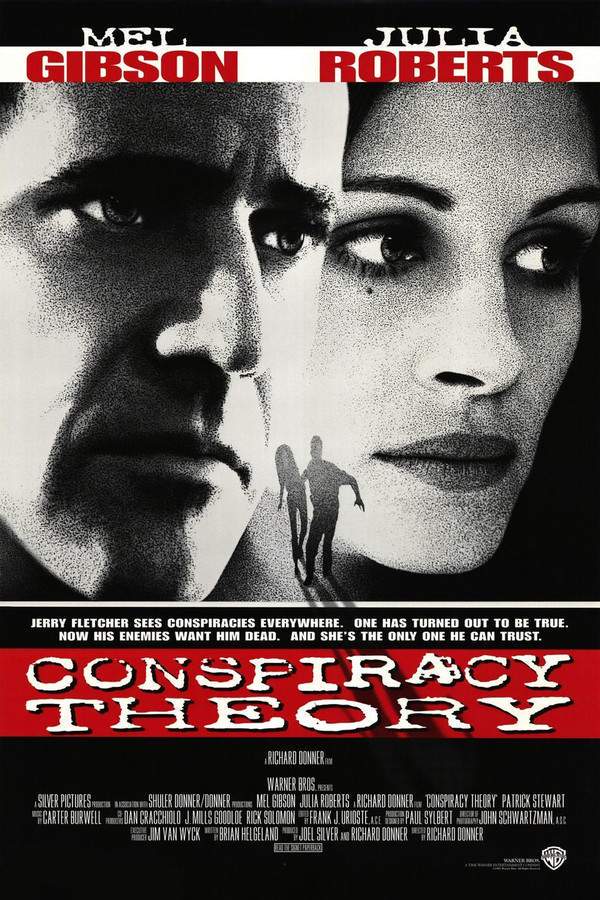
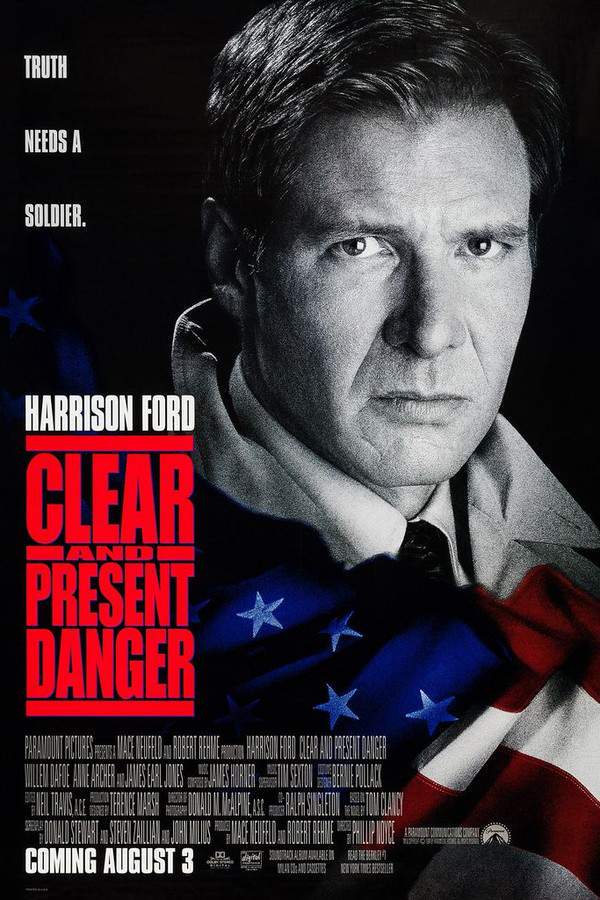
Ordinary individuals uncover vast conspiracies that powerful forces want hidden.If you enjoyed the tense unraveling of a government conspiracy in The House on Carroll Street, you'll find more gripping stories here. These movies feature determined whistleblowers, high-level corruption, and the dangerous pursuit of truth in the face of overwhelming power.
The narrative follows an initially isolated protagonist who stumbles upon a clue to a larger conspiracy. As they dig deeper, they become a target, leading to a cat-and-mouse game with powerful antagonists. The story builds through escalating suspense, chases, and confrontations, culminating in a climactic exposure of the truth.
Movies in this thread are grouped by their core dynamic: a lone truth-seeker challenging a corrupt system. They share a tense, urgent atmosphere, a fast-paced plot driven by discovery and danger, and themes of justice, corruption, and individual courage.
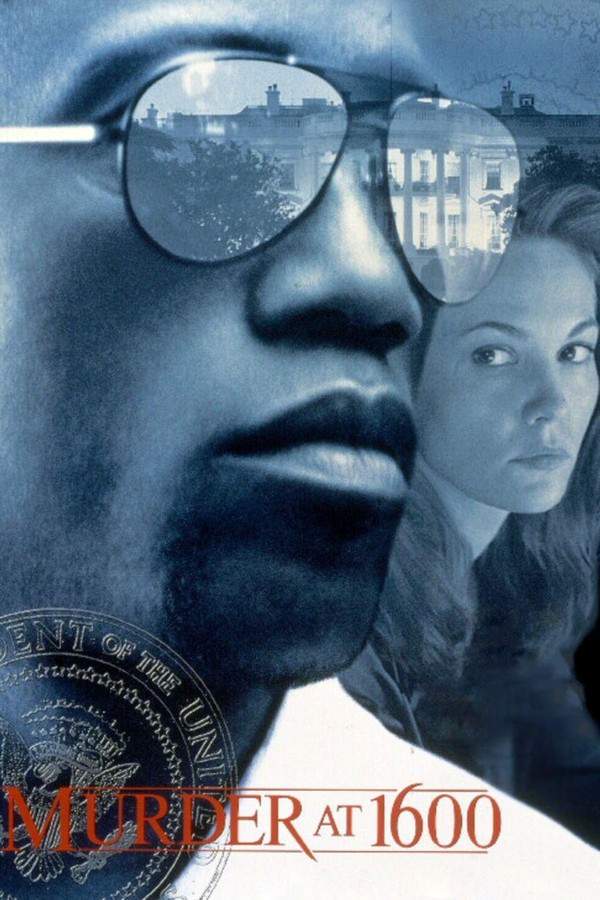
One person's courageous stand exposes the rot within a powerful institution.Fans of Emily Crane's determined fight for justice in The House on Carroll Street will appreciate these films. They explore the high-stakes journeys of individuals who risk everything to expose corruption, often finding themselves isolated and hunted for their principles.
The narrative arc centers on a character's moral awakening. They transition from being a bystander or a cog in the machine to an active opponent of corruption. The plot is driven by their gathering of evidence, evasion of threats, and the immense personal cost of their decision to speak out, often ending with a hard-won victory for truth.
These films are connected by the powerful character archetype of the whistleblower. They share a medium emotional weight focused on the protagonist's resolve, a tense tone from the constant peril, and a thematic emphasis on integrity, sacrifice, and the fight against institutional evil.
Don't stop at just watching - explore The House on Carroll Street in full detail. From the complete plot summary and scene-by-scene timeline to character breakdowns, thematic analysis, and a deep dive into the ending - every page helps you truly understand what The House on Carroll Street is all about. Plus, discover what's next after the movie.
Track the full timeline of The House on Carroll Street with every major event arranged chronologically. Perfect for decoding non-linear storytelling, flashbacks, or parallel narratives with a clear scene-by-scene breakdown.
Discover the characters, locations, and core themes that shape The House on Carroll Street. Get insights into symbolic elements, setting significance, and deeper narrative meaning - ideal for thematic analysis and movie breakdowns.
Discover movies like The House on Carroll Street that share similar genres, themes, and storytelling elements. Whether you’re drawn to the atmosphere, character arcs, or plot structure, these curated recommendations will help you explore more films you’ll love.
The House on Carroll Street (1988) Scene-by-Scene Movie Timeline
The House on Carroll Street (1988) Movie Characters, Themes & Settings
The House on Carroll Street (1988) Spoiler-Free Summary & Key Flow
Movies Like The House on Carroll Street – Similar Titles You’ll Enjoy
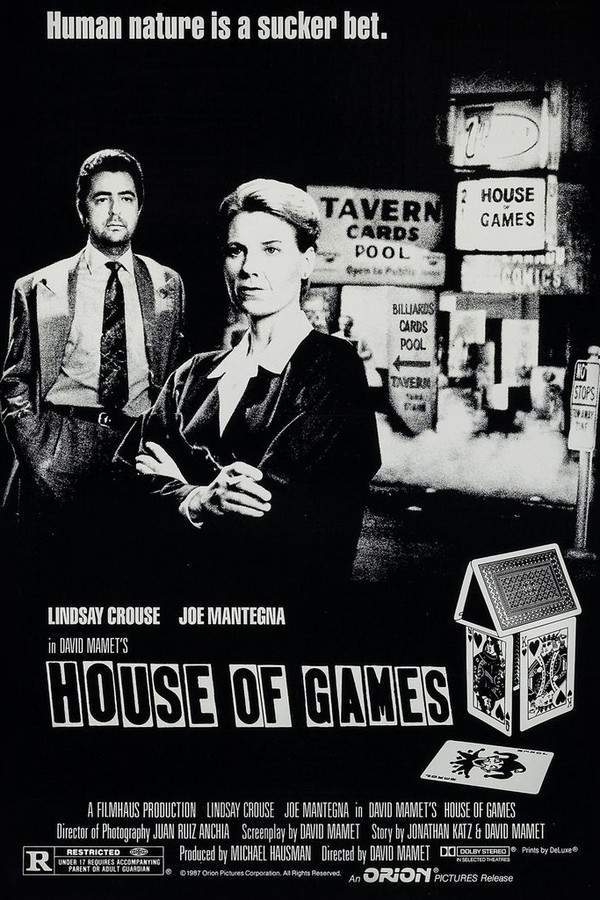
House of Games (1987) Detailed Story Recap
House at the End of the Street (2012) Movie Recap & Themes
The House (2017) Full Movie Breakdown
House of Cards (1000) Ending Explained & Film Insights
Guest in the House (1944) Film Overview & Timeline
House of Blackmail (1953) Full Summary & Key Details
House of Cards (1968) Full Summary & Key Details
The House of Fear (1945) Spoiler-Packed Plot Recap
House of Strangers (1949) Plot Summary & Ending Explained
The House on Telegraph Hill (1951) Ending Explained & Film Insights
The House in the Square (1951) Complete Plot Breakdown
House of Secrets (1993) Spoiler-Packed Plot Recap
House by the River (1950) Ending Explained & Film Insights
The House Across the Lake (1954) Detailed Story Recap
The House on 56th Street (1933) Full Summary & Key Details