Plot Explained Spoilers guaranteed!
Plot Explained

Browse by genre

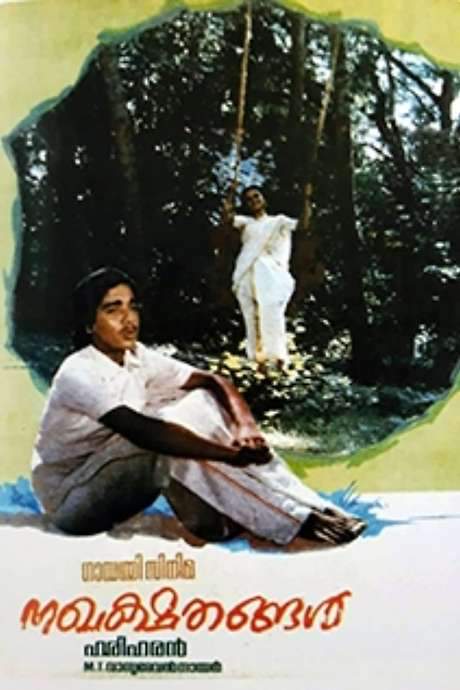
Hour of the Star (1985) movie poster

Timeline

Hour of the Star (1985) Timeline Explained – Every Event in Order

Release, runtime and language
1985 · 96 mins · Portuguese
Directed by
Suzana Amaral
Starring
Fernanda Montenegro, José Dumont, Cleide Queiroz, Marcélia Cartaxo, Elza Gonçalves, Marli Bortoletto

After her aunt dies, Macabéa moves to the big city, secures a typist job, and shares a boarding house with three other women. In her free moments she listens to the radio program Time and enjoys Sunday rides on the bustling metro, especially on Sundays. She later encounters Olímpio, a fellow Northeastern migrant who aspires to become a congressman.

On this page (6)
  1. 1 Events in order (13)
  2. 2 Timeline questions answered
  3. 3 Movie threads
  4. 4 Movies like Hour of the Star
  5. 5 Categories
  6. 6 Every angle

13 events in order · contains spoilers

Hour of the Star Timeline: Events in Chronological Order

Every key event of Hour of the Star (1985) in order, scene by scene, with when and where it takes place. Use it to untangle flashbacks, time jumps and parallel storylines, to refresh your memory before the sequel or to find the exact scene you are thinking of.

  1. Macabea arrives in Rio

    A nineteen-year-old orphan moves to Rio de Janeiro after her aunt who raised her dies. She takes a job as a typist for less than minimum wage and shares a room with three other women, all while she remains unaware of how poor she is. She is polite, quick to apologize, and begins to adapt to urban life.

    When
    shortly after moving
    Where
    Rio de Janeiro
  2. Life as a struggling typist

    She types one key at a time, makes numerous mistakes, and is oblivious to the errors she prints. Her work is imperfect, and she remains unaware of the flaws in her pages as she goes about her day. Her lack of social awareness colors her whole routine.

    When
    early in her job
    Where
    Office
  3. Quirks reveal her naivete

    She urinates into a bowl under her bed rather than using the bathroom, and she wipes her nose with her sleeve. She remains unaware of social norms and etiquette, yet she is astonishingly polite and quick to apologize. These odd habits highlight how out of step she is with city life.

    Where
    Room
  4. Small pleasures and the radio

    Macabea finds joy in tiny moments, listening to the radio and copying the vibes she hears from others. She experiences Sunday subway rides with simple pleasure, and a song on the radio can move her to tears. Her world is shaped by radios, songs, and the little things she can imitate.

    When
    Sundays
    Where
    Home / City
  5. Mirroring others

    She pastes magazine photos on the walls and looks to others for cues about how to behave. Her knowledge comes almost entirely from the radio, and she longs to be like everyone else. The urban world becomes a collage of borrowed signs and guided imitations.

    Where
    Room
  6. Meeting Olimpico, a dreamer with a gold tooth

    She meets Olimpico, an insecure steelworker from Paraiba who dreams of becoming rich and in politics. He brags about a future of wealth and proudly shows off a gold tooth, insisting that one day he will physically display his success. His swagger masks his ignorance and insecurity.

    Where
    Park bench
  7. The park bench courtship

    They begin dating by sitting on a park bench, with Olimpico bragging about his bright future. He grows irritated by Macabea’s naivety and defensiveness, while she keeps repeating lines she’s heard on the radio. The relationship hints at a marriage plan built on her innocence rather than love.

    When
    During dating
    Where
    Park
  8. First date trouble

    On their first date he offers to buy coffee but makes her pay for the milk. When she attempts to sing a song she enjoys, he knocks her to the ground. She pleads for him to call her at work, but he never does, exposing the emptiness behind his promises.

    Where
    Café / Street
  9. Gloria’s advice and Olimpico’s betrayal

    Macabea’s coworker Gloria dispenses hard-won (and manipulative) dating advice, dating a different man each week and even going to a macumbeira. Gloria ultimately begins an affair with Olimpico, who eventually discards Macabea as a nuisance, calling her a 'hair in his soup.'

    Where
    Office / Street
  10. Gloria moves on; Olimpico’s pride falters

    Gloria meets the man of her dreams and leaves Olimpico behind. Olimpico waits outside Macabea’s house with a giant stuffed animal intended for Gloria, revealing his lingering attachment and vanity.

    Where
    Macabea’s street / Home
  11. The fortune teller’s prediction

    Macabea visits Madame Carlota, who reads her past with striking accuracy and straight away prophesies a future romance. The fortune teller foresees that Macabea will marry a rich foreigner in a Mercedes who will bring her money. The prediction turns her imagination toward a life of wealth she has never imagined.

    Where
    Fortune teller’s shop
  12. A dress and a dangerous street rush

    Excited by the prospect of wealth, Macabea buys a new dress and runs into the street without looking. The moment marks a turning from naive daydreams to a fatal realism, as chance and desire collide. The city seems to offer a dangerous lure toward her imagined fortune.

    Where
    Street
  13. The Mercedes hit and imagined embrace

    Macabea is struck by a car driven by a wealthy foreigner in a Mercedes. As she lies bleeding, she imagines the driver running toward her with open arms, offering the comfort and wealth she has long pursued. The movie closes on a note of fatal romance between fantasy and reality.

    When
    Moment of accident
    Where
    Street

Last updated: October 09, 2025 at 14:27

Was this helpful?

Timeline questions answered

Hour of the Star Timeline Explained: Your Questions Answered

When does it happen, and why in that order? The questions people ask about the chronology of Hour of the Star (1985): time jumps, flashbacks, cause and effect between scenes and the correct order of events, each answered with spoilers.

Q1

Why doesn't Macabéa realize she's poor?

Macabéa grew up in such extreme poverty that she has no reference point for what constitutes a normal life. She was never educated about social norms or etiquette, and her entire worldview comes from the radio. Because she has never experienced anything else, her current living conditions seem normal to her. She doesn't notice the holes and grease on her typed pages, doesn't recognize when she's being mistreated, and finds joy in tiny things like Sunday subway rides because her expectations have been shaped by deprivation, not by any standard of comfort.

  • macabea poverty awareness
  • naive protagonist
  • poor character
  • social inequality
Q2

Why does Macabéa stay with Olimpico despite his mistreatment?

Macabéa has never experienced genuine love or attention from anyone. She is so desperate for connection that she interprets any interest in her as affection, even when Olimpico makes her pay for her own milk, pushes her to the ground when she sings, and never calls her as promised. Her low self-worth, shaped by poverty and isolation, makes her believe she deserves nothing better. She also clings to the idea that life could improve, fed by radio programs and the fortune teller's prophecy.

Foreshadowing: Earlier, Macabéa tells Olimpico she is 'not much of a person,' establishing her belief that she is lucky to have any suitor at all.

  • macabea olimpico relationship
  • why she stays
  • low self-esteem
  • desperate for love
Q3

What does Madame Carlota predict for Macabéa?

The fortune teller accurately reads Macabéa's difficult past and then prophesies that she will marry a wealthy foreigner who drives a Mercedes and will shower her with money. This prediction gives Macabéa hope she has never felt before. It transforms her from someone who just copies others into someone who actually believes her life can change. The irony is devastating: the prophecy seems to come true when she is hit by a Mercedes, but instead of marriage, she finds death.

  • madame carlota
  • fortune teller prediction
  • mercedes
  • prophecy
  • macabea fate
Q4

Why is Macabéa hit by a Mercedes?

After the fortune teller prophesies that Macabéa will marry a wealthy foreigner in a Mercedes, she experiences her first real excitement and hope. She buys a new dress and runs into the street without looking, driven by this sudden surge of anticipation. The Mercedes is significant because the fortune teller's prediction made her believe her luck was about to change. The car becomes the instrument of the prophecy's twisted fulfillment, ironically, the wealthy foreigner does arrive in a Mercedes, but instead of marrying her, he kills her.

Foreshadowing: The fortune teller explicitly mentions a Mercedes and a wealthy foreigner as Macabéa's future husband.

  • mercedes accident
  • macabea death
  • car crash
  • fortune prophecy irony
Q5

What does Macabéa imagine at the moment of her death?

As Macabéa lies bleeding on the pavement after being hit by the Mercedes, she imagines the driver rushing toward her with open arms, offering the comfort and belonging she has always wanted. This final vision represents the fantasy she has been chasing throughout the entire film, the hope that someone would see her, love her, and take her away from her difficult life. The tragedy is that even in her final moments, she escapes into delusion rather than confronting the harsh reality of her situation.

  • macabea death vision
  • final moments
  • imagined embrace
  • fantasy vs reality
Q6

Why does Olimpico call Macabéa 'a hair in his soup'?

Olimpico uses this phrase to tell Macabéa that she is a nuisance to him, a small, annoying problem that disrupts his plans. He is breaking up with her, dismissing her as insignificant and bothersome. The metaphor is particularly cruel because it reduces Macabéa to something petty and disposable, despite the fact that she has given him her time, attention, and genuine affection. This callous dismissal occurs after he has already started an affair with Glória, showing his complete disregard for Macabéa's feelings.

  • hair in his soup
  • olimpico breakup
  • dismissive language
  • cruelt
Q7

Why does Macabéa copy other women's mannerisms and behavior?

Macabéa has no real sense of self. She was raised in isolation without education or social guidance, so she doesn't know how to be 'normal.' She obtains all her knowledge about how to act, dress, and speak from the radio and by observing others. She pastes magazine photos on her walls to learn how to look, and she repeats phrases she's heard on the radio because she believes these borrowed behaviors will make her like everyone else. Her copying reveals a profound emptiness, she wants to belong but doesn't know who she is outside of imitating others.

  • macabea copying
  • imitation
  • lack of identity
  • radio influence
  • becoming normal
Q8

What is the significance of Olimpico's gold tooth?

Olimpico proudly shows off his single gold tooth as proof of his future wealth, claiming he will eventually have a mouth full of gold teeth. This physical artifact represents his deep insecurity masked as confidence. Despite being a steelworker who earns little, he uses the gold tooth as a symbol of his imagined success. It underscores his obsession with material display as a measure of worth. The gold tooth is both a lie he tells others and a lie he tells himself, a desperate attempt to appear successful when he is as struggling as Macabéa.

  • gold tooth
  • olimpico wealth display
  • materialism
  • false success
  • symbolis
Q9

Why does Macabéa urinate in a bowl under her bed?

Macabéa uses a bowl under her bed instead of walking to the bathroom at night because she is afraid of the dark or simply doesn't think to use the proper facility. This peculiar habit highlights how disconnected she is from basic social conventions. She has never been taught proper etiquette and doesn't instinctively know how to navigate everyday situations in the city. The detail also emphasizes her primitive approach to life and her complete lack of awareness about what is considered normal behavior.

  • macabea habits
  • naive behavior
  • social norms
  • poverty upbringin
Q10

How does Glória's affair with Olimpico affect Macabéa?

Glória, Macabéa's coworker and role model, goes to a macumbeira (spiritualist) hoping to find love, and eventually begins an affair with Olimpico. This betrayal is devastating because Macabéa looks up to Glória as a sister. When Olimpico leaves Macabéa for Glória, calling Macabéa 'a hair in his soup,' it mirrors the transactional nature of relationships in their world. Both women are essentially seeking security through men, but Glória has the social awareness to pursue more aggressively what Macabéa can only dream about.

Foreshadowing: Glória gives Macabéa dating advice throughout the film, creating a false sense of friendship before the betrayal.

  • gloria olimpico affair
  • coworker betrayal
  • macumbeira
  • relationship competition
Q11

What does Macabéa mean when she says 'I'm not much of a person'?

This line reveals Macabéa's profound sense of worthlessness. She genuinely believes she has little value as a human being. This belief comes from a lifetime of poverty, neglect, and being unseen. She has been taught no skills, given no education, and offered no love that would help her develop self-worth. When she says this, she is expressing a core belief that shapes all her decisions, she accepts poor treatment because she believes she deserves nothing better. It also foreshadows her death, as she remains invisible to the city and to the people around her.

  • not much of a person
  • low self-worth
  • macabea self-image
  • worthlessness
Q12

Why is the radio so important to Macabéa?

The radio is Macabéa's only window to the outside world and her primary source of knowledge about how to live. She listens to it constantly and copies the language, mannerisms, and attitudes she hears. Programs give her information about fashion, romance, and success that she tries to emulate. She repeats phrases she's heard on the radio to Olimpico, believing these will make her seem more sophisticated. The radio represents both her aspirations and her limitations, she learns about a world she can never actually access, and her understanding of life comes entirely from secondhand, often fictional, sources.

  • radio
  • macabea knowledge source
  • media influence
  • secondhand learning
  • aspiratio
Q13

Why does Macabéa die?

Macabéa dies because she runs into the street without looking after the fortune teller's prediction fills her with hope. However, her death carries deeper meaning: she dies chasing a fantasy that was never real. The fortune teller promised her a wealthy husband in a Mercedes, and the accident literally brings that promise to fruition, but twistedly, she gets the Mercedes but not the marriage. Her death also reflects the film's theme that the poor remain invisible and vulnerable in the city. She is struck and left bleeding while imagining the driver rushing to embrace her, one last delusion before death.

  • macabea death meaning
  • tragic ending
  • hope fantasy
  • social invisibilit
Q14

What does the ending of Hour of the Star mean?

The ending represents the collision between Macabéa's fantasy and brutal reality. She has spent the entire film imagining a better life through radio programs and the fortune teller's prophecy. When she runs into the street, she is finally acting on hope instead of just dreaming. But the Mercedes doesn't bring her a husband, it brings death. Her final imagined embrace is both a tragic escape and a commentary on how the poor often retreat into fantasy because reality offers them nothing. The film suggests that hope, when built on false promises and delusions, can be just as dangerous as despair.

  • ending interpretation
  • hope vs reality
  • tragic ending
  • fantasy escape
  • social critiqu

Movie threads

More Movies Like Hour of the Star, by Mood & Story

Curated lists built around what makes Hour of the Star tick: the same mood, the same kind of story or the same emotional payoff. Each list explains why these movies belong together.

Movies about quiet urban tragedies like Hour of the Star

Character studies of fragile souls adrift and overlooked in the big city. If you were moved by the poignant loneliness in Hour of the Star, explore more movies like it. This collection features similar character-driven dramas about fragile individuals navigating isolation and harsh realities in sprawling, anonymous cities.

  • lonely
  • somber
  • gritty
  • oppressive
  • tragic
  • quiet
  • Tone: bleak, melancholic
  • Pacing: slow, deliberate
Why these movies?

The story pattern: The narrative follows a linear, often episodic path, tracing the daily routines and small encounters of a protagonist who is profoundly disconnected from their surroundings. The conflict is not explosive but internal and situational, arising from the chasm between the character's simple existence and the city's crushing impersonality, typically leading to a tragic or deeply melancholic conclusion.

Why they belong together: These films are grouped by their shared commitment to a slow, gritty realism and a deeply melancholic mood. They prioritize atmosphere and character over complex plotting, using the city as a character itself to explore themes of poverty, innocence, and the quiet desperation of being unseen.

Bleak dramedies about naive characters like Hour of the Star

Stories where tragicomic humor highlights the dissonance of a naive worldview. For viewers who appreciated the unique bittersweet tone of Hour of the Star, this list finds similar movies that blend drama and subtle comedy. Discover other films where humor arises from a naive character's perspective against a backdrop of social struggle and tragic outcomes.

  • somber
  • tragicomic
  • naive
  • poignant
  • social commentary
  • gritty
  • Tone: bleak, tragicomic
  • Pacing: slow, observational
Why these movies?

The story pattern: The journey centers on a guileless, often socially inexperienced character whose limited understanding of the world creates moments of inadvertent comedy. This humor, however, consistently serves to underscore their fragility and the grim circumstances they inhabit. The narrative arc is straightforward, following the gradual erosion of their innocence, leading to a conclusion that is ultimately more tragic than funny.

Why they belong together: These movies share a specific tonal blend: a bleak dramatic core punctuated by humor that is organic to the character's perspective. The similarity lies in the use of comedy not for levity, but to deepen the pathos and highlight the tragic gap between perception and reality.

If you liked this

Movies Like Hour of the Star

Similar movies to Hour of the Star: the same genre, themes or kind of story. Each one comes with its own plot summary, timeline and ending explained.

Browse all movie summaries

Categories

Movie Lists Featuring Hour of the Star

Hour of the Star appears in these hand-built movie categories. Each one groups movies by a specific mood, theme or story type, with their plot summaries and endings explained.

View all movie categories

Every angle

Hour of the Star (1985) Explained: Plot, Timeline & Characters

Everything about Hour of the Star in one place: what happens in the plot summary, the timeline in chronological order, the characters and meaning and a spoiler-free summary. What's After the Movie adds the cast, box office and post-credit scenes.

Coming soon on iOS and Android

The Plot Explained Movie Summary App

Plot summaries, endings explained and timelines on your phone. Catch up on any movie in minutes, save your favorites and never miss a twist again.

Be the first to know when we launch. Your email stays private, always.

Learn more about the app