Plot Explained Spoilers guaranteed!
Plot Explained

Browse by genre

There Are Monsters (2013) movie poster

Plot Summary

There Are Monsters (2013) Plot Summary Explained

Release, runtime and language
2013 · 96 mins · English
Directed by
Jay Dahl
Starring
Samantha Power, Jason Eisener, Gary Wang, Jamie Bradley, Nadia Tonen, Kristin Langille

A group of student filmmakers sets out on a road trip, only to find unsettling events and unusual behavior in a small town. As they investigate, they uncover a disturbing truth: sinister doppelgangers have infiltrated the community. The crew must confront these mysterious duplicates and unravel the secrets behind their presence before it's too late.

On this page (4)
  1. 1 What happens: full plot
  2. 2 Plot questions answered
  3. 3 Movie threads
  4. 4 Every angle

Full plot summary · contains spoilers

What Happens in There Are Monsters: Full Plot Summary

The whole story of There Are Monsters (2013) explained, from the opening scene to the final frame: every key event, every twist and what it all adds up to. Read it as a quick recap before the sequel, to check a scene you missed, or to finally understand what really happened.

There Are Monsters (2013) is a tense, found-footage horror film that follows a group of graduate students on a routine road trip who stumble upon a terrifying secret. Among them is Arm Eater Samantha Power, a figure whose uneasy presence anchors the crew's investigation, and Stevie Slappyvan Jason Eisener, who records every moment as the journey unfolds. As they travel through rural Canada, the team notices locals speaking in stilted, unnatural ways, moving with a stiffness that borders on mechanical, and wearing blank, emotionless expressions. The creeping unease soon becomes paranoia as the group realizes they are witnessing the early signs of a global invasion. The remarkable twist is that these strange people are not human at all but doppelgängers — monstrous entities that have taken human form and begun replacing people around them with perfect but soulless replicas. The cameras become the crew’s only witnesses to the transformation, capturing the terrifying process as it happens in real time. Shot in a raw, handheld style, the film’s lo-fi aesthetic heightens realism and intensifies the claustrophobic feel, blurring the line between fiction and the viewer’s sense of reality.

The narrative delves into themes of identity, fear, and the fragility of perception, tapping into primal anxieties about being watched, replaced, or rendered powerless in the face of an invisible threat. With a slow-building dread and an atmosphere that unsettles long after the screen goes dark, the movie offers a distinctive take on the alien invasion trope. Beth Kristin Langille and Lynn Shelley Thompson ground the human stakes, reminding viewers of the ordinary lives at stake as the invasion encroaches. In moments of quiet unease, Bank Toddler Nadia Tonen appears, a chilling reminder that danger can hide in the most unsuspecting places. Jeff Guy Germain and a few others appear in fleeting scenes that sharpen the sense of a larger, creeping menace.

Last updated: February 03, 2026 at 07:41

Was this helpful?

Plot questions answered

There Are Monsters Plot Explained: Your Questions Answered

The questions people ask most about There Are Monsters (2013): what happens in the confusing scenes, why the characters do what they do, the twists, hidden details and what the ending means. Each answer contains spoilers.

Q1

Why do the locals behave in such stiff, unnatural ways?

The locals behave strangely because they are not actually human, they are doppelgängers that have replaced the real residents. Their movements are stiff and their speech is stilted because these replicas lack genuine human emotion and natural bodily rhythms. The film establishes early on that these duplicates are imperfect copies, revealing their true nature through subtle mechanical qualities in how they walk, talk, and interact.

Foreshadowing: The first signs of odd behavior appear during the initial filming attempts, when residents speak in unnaturally stilted patterns.

  • doppelgangers
  • locals
  • strange behavior
  • replacements
  • invasion
Q2

What exactly are the doppelgängers in the movie?

The doppelgängers are sinister entities that have taken human form to infiltrate and replace real people. They are described as monstrous, soulless replicas designed to blend into ordinary society while replacing authentic individuals. The crew discovers these replacements have perfectly mimicked appearance but lack genuine human consciousness, making them hollow copies rather than actual people.

  • doppelgangers
  • monsters
  • replicas
  • invaders
  • identity
Q3

Why do the doppelgängers replace the town residents?

The film suggests the replacements are part of a coordinated invasion rather than random occurrences. The doppelgängers infiltrate everyday spaces, workplaces, schools, shops, indicating a systematic effort to take over human society. Their purpose appears to be replacement and infiltration on a large scale, though the exact motivation remains mysterious, the invasion extends beyond this single town.

Foreshadowing: Early scenes show replacements appearing in multiple public spaces, suggesting organized infiltration.

  • replacement
  • invasion
  • community
  • takeover
Q4

Why do the cameras become the only witnesses to the invasion?

The handheld cameras serve as the sole evidence because the doppelgängers are replacing people quietly and systematically, without documentation, no one would believe the truth. The found-footage format emphasizes that the crew is capturing something real that would otherwise go unnoticed. Their footage documents the transformation in real time, preserving proof of what is happening before reality is completely overwritten.

  • cameras
  • footage
  • evidence
  • documentary
  • witnesses
Q5

Who is Arm Eater and what role does she play?

Arm Eater, played by Samantha Power, is one of the graduate student filmmakers and serves as a central figure whose uneasy presence anchors the crew's investigation. Her character contributes to the group's dynamic as they document the small town and gradually uncover the terrifying truth. She represents one of the few authentic human perspectives navigating the unfolding horror.

  • arm eater
  • samantha power
  • character
  • filmmaker
  • student
Q6

Is the doppelgänger invasion limited to just this town?

The film implies the invasion extends far beyond the single town. During their journey, the crew notices the same disturbing patterns spreading, and they discuss the possibility that the replacements have infiltrated other communities. The threat hints at a global scale, suggesting the doppelgängers are part of a worldwide infiltration rather than an isolated incident.

Foreshadowing: The crew's discussions about whether the threat extends beyond the town foreshadow the global implications.

  • global invasion
  • spread
  • worldwide
  • scale
  • threat
Q7

What happens to the student filmmakers at the end?

The ending leaves the fate of the crew uncertain and unresolved. As they attempt to escape while being chased or observed by the replacements, the footage ends with unresolved tension. The film does not confirm whether they successfully flee or themselves become targets of replacement, leaving viewers uncertain about what remains human.

  • ending
  • fate
  • escape
  • crew
  • death
Q8

How do the doppelgängers replace real people?

The exact mechanics of replacement are not fully explained, but the film shows that real people are being swapped out for perfect copies. The crew gathers evidence through witness accounts, mismatched memories, and inconsistent backstories. The replacements happen silently and systematically, with the duplicates appearing in everyday situations while the originals vanish.

  • replacement process
  • how
  • transformation
  • swap
Q9

What is the significance of the Bank Toddler character?

The Bank Toddler, played by Nadia Tonen, appears as a chilling reminder that danger can hide in the most unsuspecting places. This character adds to the film's theme that no one, especially the most vulnerable or innocent-looking individuals, can be trusted. It reinforces the paranoia that the invasion has infiltrated even childhood appearances.

  • bank toddler
  • nadia tonen
  • character
  • suspense
  • warning
Q10

Why does the movie focus more on observation than action?

The film uses a slow-burn approach typical of psychological horror, building tension through atmosphere rather than explicit violence. The found-footage style emphasizes realism and claustrophobia, making the threat feel more invasive because it creeps in quietly rather than attacking openly. The focus on observation also serves the theme of identity under siege, the horror comes from not knowing who is real.

  • slow burn
  • horror style
  • atmosphere
  • psychological

Movie threads

More Movies Like There Are Monsters, by Mood & Story

Curated lists built around what makes There Are Monsters tick: the same mood, the same kind of story or the same emotional payoff. Each list explains why these movies belong together.

Paranoid Doppelgänger Horror movies like There Are Monsters

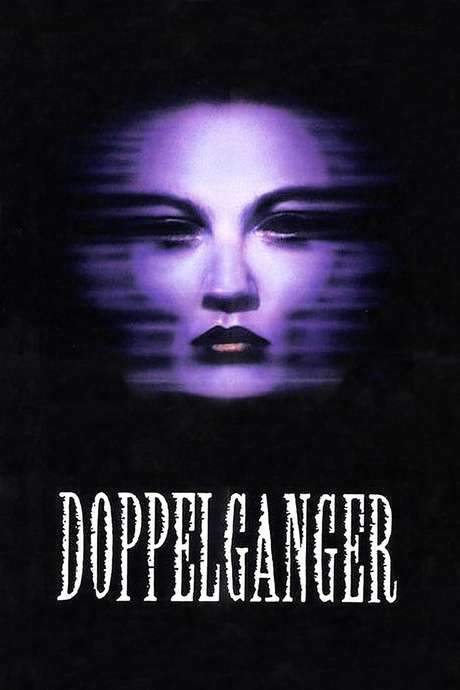
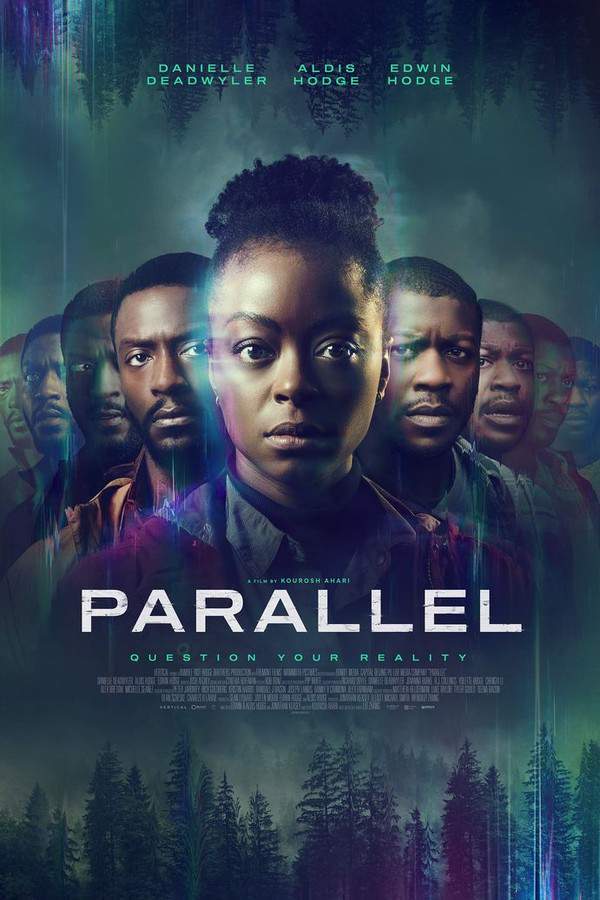
Stories where familiar faces are replaced by sinister impostors. For viewers who liked the doppelgänger terror in There Are Monsters, this list features similar horror movies about sinister replacements, loss of identity, and the fear of social infiltration.

  • paranoid
  • unsettling
  • dread-filled
  • claustrophobic
  • eerie
  • anxious
  • Tone: tense, unsettling
  • Pacing: variable, slow burn to frantic
Why these movies?

The story pattern: These narratives typically follow protagonists uncovering a hidden invasion where doppelgängers or impostors are systematically replacing people. The journey involves investigation, mounting paranoia, and a desperate struggle for survival as the line between real and duplicate blurs.

Why they belong together: Movies in this thread share a core theme of identity under threat, creating a unique brand of psychological horror. They build tension through suspicion and the violation of personal relationships, leading to a shared atmosphere of claustrophobic dread.
Found Footage slow burn horror movies like There Are Monsters

Immerse yourself in raw, first-person footage of creeping horror. If you enjoyed the immersive dread and documentary style of There Are Monsters, explore these similar found-footage horror films featuring a slow build of tension and a raw, first-person perspective.

  • unsettling
  • anxious
  • oppressive
  • eerie
  • raw
  • claustrophobic
  • Tone: tense, raw, anxious
  • Pacing: variable, slow burn
Why these movies?

The story pattern: These stories unfold through the lens of a character's camera, starting with a sense of normalcy that gradually erodes. The pacing is often a slow burn, establishing an eerie atmosphere before accelerating into panic, capturing the characters' raw fear and confusion in real time.

Why they belong together: These films are grouped by their shared format and pacing, which directly shapes the viewing experience. The found-footage style creates intimacy and realism, while the slow-burn structure maximizes suspense, making the eventual horror feel earned and more impactful.

Every angle

There Are Monsters (2013) Explained: Plot, Timeline & Characters

Everything about There Are Monsters in one place: what happens in the plot summary, the timeline in chronological order, the characters and meaning and a spoiler-free summary. What's After the Movie adds the cast, box office and post-credit scenes.

Coming soon on iOS and Android

The Plot Explained Movie Summary App

Plot summaries, endings explained and timelines on your phone. Catch up on any movie in minutes, save your favorites and never miss a twist again.

Be the first to know when we launch. Your email stays private, always.

Learn more about the app