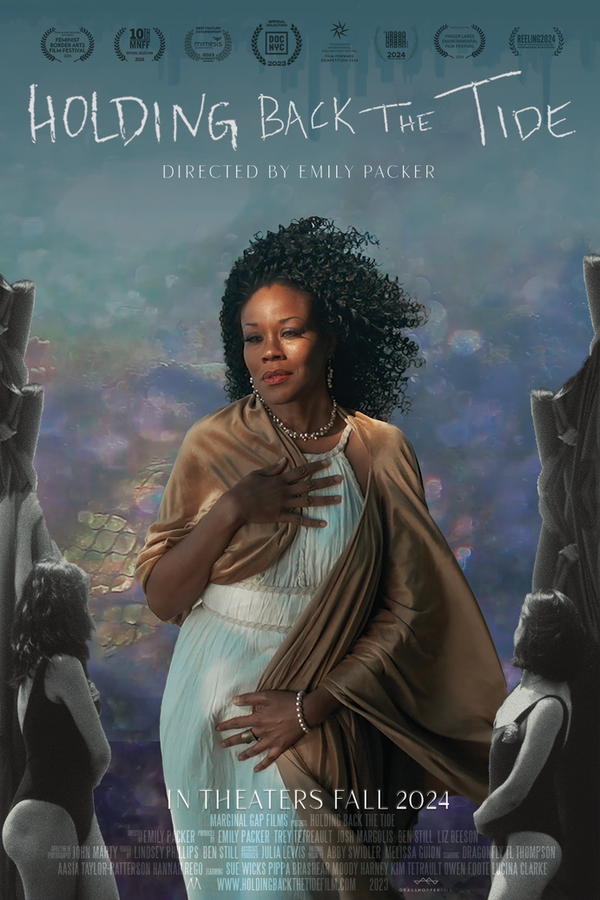
New York City’s restless coastline stretches over five hundred miles, a shimmering edge where history, myth, and ecology converge. Once a bustling oyster capital that supplied half the world’s bivalve bounty, the harbor now whispers of a forgotten era when reefs rose up like natural cathedrals, filtering water and shielding the boroughs from storms. The film opens with sweeping vistas of the water‑lined skyline, letting the audience feel the pulse of a city that has always been shaped by its tides—both literal and metaphorical. Ancient stories of sea‑gods and gender‑fluid deities echo through the narrative, framing oysters as living symbols of resilience and transformation.
At the heart of this story are the people who have chosen to listen to the shells’ quiet call. Moody “The Mothershucker” Harney rolls his oyster cart through streets and markets, turning what was once an exclusive delicacy into a communal treasure, while drawing inspiration from the legendary Black Oyster King of the 1800s. Sue Wicks, a former WNBA star, has traded the roar of crowds for the steady rhythm of the water, cultivating oysters that mirror her own journey of shedding expectations around sex and gender. Together with the tireless volunteers of the Billion Oyster Project and the visionary designers of SCAPE, they weave a tapestry of grassroots ingenuity that feels both grounded in scientific rigor and uplifted by poetic reverence.
The tone of the documentary balances investigative clarity with lyrical wonder. Interviews blend with sun‑drenched footage of new reefs spawning on reclaimed shells, and the city’s industrial hum is scored by subtle, ocean‑born melodies. The narrative invites viewers to contemplate how a humble mollusk can become a catalyst for climate‑smart urban design, while also serving as a mirror for humanity’s own capacity to adapt. A sense of hopeful urgency permeates every frame, suggesting that the tide’s pull is not just a force of nature but a call to collective imagination.
As the story unfolds, the audience is left with a lingering question: can the quiet work of these stewards rewrite the future of a metropolis perched on the edge of water? The film holds back the tide long enough for curiosity to swell, promising that the answers lie not in grand gestures alone, but in the countless small shells that line the city’s shoreline.