Plot Explained Spoilers guaranteed!
Plot Explained

Browse by genre

These Amazing Shadows (2011) movie poster

Timeline

These Amazing Shadows (2011) Timeline Explained – Every Event in Order

Release, runtime and language
2011 · 88 mins · English
Directed by
Kurt Norton, Paul Mariano
Starring
John Singleton, Christopher Nolan, John Lasseter, Tim Roth, Rob Reiner, George Takei

The film explores the history and significance of the National Film Registry, a curated list of American cinema treasures that showcases the country’s cultural and artistic diversity, illustrating how these works reflect the broader American experience.

On this page (4)
  1. 1 Events in order (12)
  2. 2 Timeline questions answered
  3. 3 Movie threads
  4. 4 Every angle

12 events in order · contains spoilers

These Amazing Shadows Timeline: Events in Chronological Order

Every key event of These Amazing Shadows (2011) in order, scene by scene, with when and where it takes place. Use it to untangle flashbacks, time jumps and parallel storylines, to refresh your memory before the sequel or to find the exact scene you are thinking of.

  1. Introduction to American Film Heritage

    The documentary begins by emphasizing the cultural, historical, and aesthetic significance of American films such as Casablanca, Blazing Saddles, and West Side Story. These movies are part of the National Film Registry, showcasing the diversity and importance of American cinema. The film highlights how these movies reflect the American experience and national identity.

  2. Overview of 'These Amazing Shadows'

    The documentary, titled 'These Amazing Shadows,' is an 85-minute film that weaves together clips from beloved films and personal stories. It demonstrates how movies have reflected American culture and changed lives, integrating interviews with notable filmmakers, actors, archivists, and officials.

  3. Discussion of Film Preservation Laws

    The film covers the passage of the National Film Preservation Act of 1988, which established a system for identifying notable films for preservation. It explains how the Librarian of Congress, with input from the public and a preservation board, selects films for the National Film Registry annually.

  4. Selection Process for the Film Registry

    The documentary provides a behind-the-scenes look at the debates and discussions involved in selecting films for the Registry. It emphasizes the importance of this process in maintaining America's cinematic heritage and cultural memory.

  5. Cultural Impact of American Cinema

    The film explores how American movies serve as a form of living history, transforming the way the nation expresses itself and reflecting societal hopes and problems. Films are described as an audiovisual history that documents the 20th century and beyond.

  6. Films as a Reflection of American History

    The documentary examines how cinema reflects America's turbulent history, including issues of race and gender. Films like 'The Birth of a Nation,' 'The Searchers,' and 'Boyz n the Hood' reveal societal conflicts and progress.

  7. Role of Women in Filmmaking

    The film highlights the contributions of women filmmakers from Lois Weber and Dorothy Arzner to contemporary directors. It discusses the evolving role and importance of women in shaping and advancing American cinema.

  8. The Enduring Power of Films

    Stories told through movies create deep emotional connections, often sweeping audiences away. The film features testimonials and scenes illustrating how powerful storytelling in cinema can be, impacting individuals profoundly.

  9. Preserving America's Film Heritage

    The documentary stresses the importance of archiving and preserving films for future generations. Interviews with archivists like Liz Stanley reveal the efforts to keep film images accessible and meaningful long-term.

  10. Film as a Medium of Shared Human Experience

    It discusses how American films act as a family album, sharing stories across borders, beliefs, and generations. The movies serve as a portal to the past, a reflection of the present, and a vision for the future.

  11. Global Cultural Influence of American Films

    The film illustrates how American cinema has helped shape a global cultural language, connecting diverse audiences worldwide. It emphasizes the role of movies in fostering understanding and shared storytelling across different cultures.

  12. Conclusion: Film as Living History

    The documentary concludes by reinforcing that cinema is more than entertainment; it is a vital part of our cultural history. American movies capture the hopes, fears, and aspirations of society, functioning as a collective memory for future generations.

Last updated: August 19, 2025 at 05:15

Was this helpful?

Timeline questions answered

These Amazing Shadows Timeline Explained: Your Questions Answered

When does it happen, and why in that order? The questions people ask about the chronology of These Amazing Shadows (2011): time jumps, flashbacks, cause and effect between scenes and the correct order of events, each answered with spoilers.

Q1

How are films selected for the National Film Registry?

Films are selected for the National Film Registry through an annual process led by the Librarian of Congress. The selection incorporates public nominations and expert guidance from the National Film Preservation Board. The registry aims to preserve films that are culturally, historically, or aesthetically significant, representing the diversity of American filmmaking across every genre, from silent films to documentaries to Hollywood blockbusters.

Foreshadowing: Earlier in the documentary, viewers see how beloved classics like Casablanca and West Side Story set the stage for understanding what qualifies as culturally significant.

  • national film registry
  • film selection
  • librarian of congress
  • preservation
  • cultural significance
Q2

Why was the National Film Preservation Act of 1988 important?

The National Film Preservation Act of 1988 established the formal legal framework for identifying and preserving significant American films. This legislation created the system that allows the National Film Registry to function, ensuring that films of cultural and historical importance are protected for future generations. The act represents a national commitment to maintaining America's cinematic heritage.

Foreshadowing: The documentary frames this as the pivotal moment when film preservation became an official national priority.

  • national film preservation act
  • 1988
  • legislation
  • film preservation law
Q3

What role does the Librarian of Congress play in film preservation?

The Librarian of Congress, specifically Dr. James Billington, serves as the key decision-maker in the film selection process. After receiving public input and recommendations from the National Film Preservation Board, the Librarian makes the final determination on which films are added to the registry each year. This position carries the responsibility of deciding which films represent America's cultural memory.

Foreshadowing: Dr. Billington is introduced early as the权威 figure driving the preservation effort.

  • james billington
  • librarian of congress
  • national film preservation board
  • film selection authority
Q4

Why does the documentary include films like The Birth of a Nation despite their controversial content?

The documentary addresses The Birth of a Nation and The Searchers to illustrate how cinema both reflects and shapes American history, including its most difficult aspects. Rather than ignoring problematic content, the film uses these examples to show how movies can perpetuate harmful stereotypes while also serving as important historical documents. This approach demonstrates that preservation does not equal endorsement, but rather a commitment to understanding the full complexity of American cultural memory.

Foreshadowing: The documentary establishes early on that films serve as a mirror to society's hopes, fears, and dreams, including the negative ones.

  • birth of a nation
  • dw griffith
  • controversial films
  • racial representation
  • cultural memory
Q5

What is the significance of including Cold War-era propaganda films in the registry?

The documentary features films like Duck and Cover and The House in the Middle to demonstrate how cinema extends beyond entertainment into social and political influence. These government-produced films shaped public perception during the Cold War, illustrating cinema's power as a tool for mass persuasion and national identity formation. Their inclusion shows that the registry values films that document how Americans lived and thought, not just artistic achievements.

Foreshadowing: The documentary mentions early that films capture the hopes, fears, and aspirations of each era.

  • cold war
  • propaganda films
  • duck and cover
  • political cinema
  • american history
Q6

How does the documentary cover women filmmakers in American cinema?

The documentary highlights pioneering female filmmakers including Lois Weber, Dorothy Arzner, and contemporary directors like Julie Dash. It traces the evolving role of women behind the camera from the silent era through modern cinema. This coverage emphasizes that American filmmaking has always involved significant female contributions, despite historical underrepresentation in mainstream narratives.

Foreshadowing: The documentary mentions early that it showcases the diversity of American cinema across multiple dimensions.

  • lois weber
  • dorothy arzner
  • julie dash
  • women filmmakers
  • female directors
  • american cinema history
Q7

What does the documentary mean by calling films 'visual family albums'?

The documentary uses this metaphor to describe how films preserve personal and collective memories across generations. Like a family photo album, cinema captures moments that define who we are and who we aspire to be. This concept extends beyond individual stories to encompass the broader American experience, creating a shared archive that connects past, present, and future generations through shared cultural moments.

Foreshadowing: The documentary opens by establishing films as reflections of the American experience and national identity.

  • visual family album
  • collective memory
  • cultural preservation
  • generational connection
  • american identity
Q8

Why is film preservation important for future generations?

Film preservation ensures that future generations have access to the stories, images, and cultural moments that shape American identity. Without active preservation efforts, films deteriorate physically and become inaccessible. The documentary argues that films function as living history, capturing the exuberance, struggles, and aspirations of each era so that future Americans can understand and connect with their cultural heritage.

Foreshadowing: The documentary's opening emphasizes the cultural, historical, and aesthetic significance of American films.

  • film preservation
  • archiving
  • future generations
  • cultural heritage
  • film decay
  • storage
Q9

How does American cinema reflect cultural identity according to the documentary?

The documentary presents American cinema as a mirror to society, capturing the nation's cultural and artistic diversity. Films reflect American experiences across race, gender, class, and historical periods. From Hollywood blockbusters to home movies, from documentaries to avant-garde works, the diversity of films in the registry demonstrates that American cinema serves as a comprehensive record of the American experience and collective identity.

Foreshadowing: The documentary opens by emphasizing how movies reflect the American experience in all its diversity.

  • american identity
  • cultural reflection
  • american experience
  • national identity
  • cinema and society
Q10

What is the main message These Amazing Shadows conveys about cinema?

The documentary's central message is that films are more than entertainment, they are a vital medium of art and storytelling that preserves America's cultural legacy. The film celebrates how cinema connects emotionally, helps us understand our past, and allows us to imagine our future. Through the lens of the National Film Registry, it argues that preserving these stories ensures they continue to inform, inspire, and connect generations of Americans.

Foreshadowing: The documentary culminates in Robin Blaetz's reflection on how film stories will inspire future generations.

  • film importance
  • cinematic legacy
  • storytelling
  • cultural connection
  • art and entertainment

Movie threads

More Movies Like These Amazing Shadows, by Mood & Story

Curated lists built around what makes These Amazing Shadows tick: the same mood, the same kind of story or the same emotional payoff. Each list explains why these movies belong together.

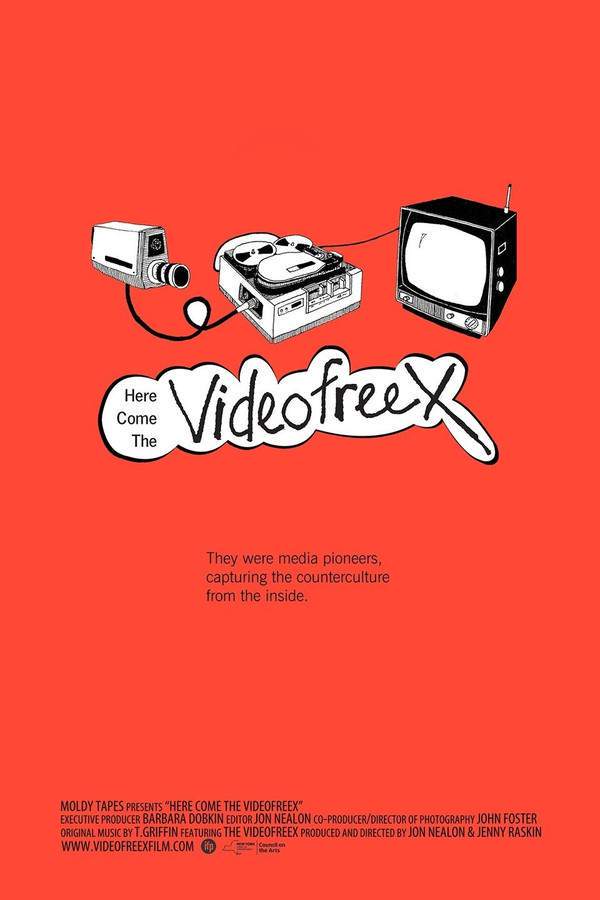
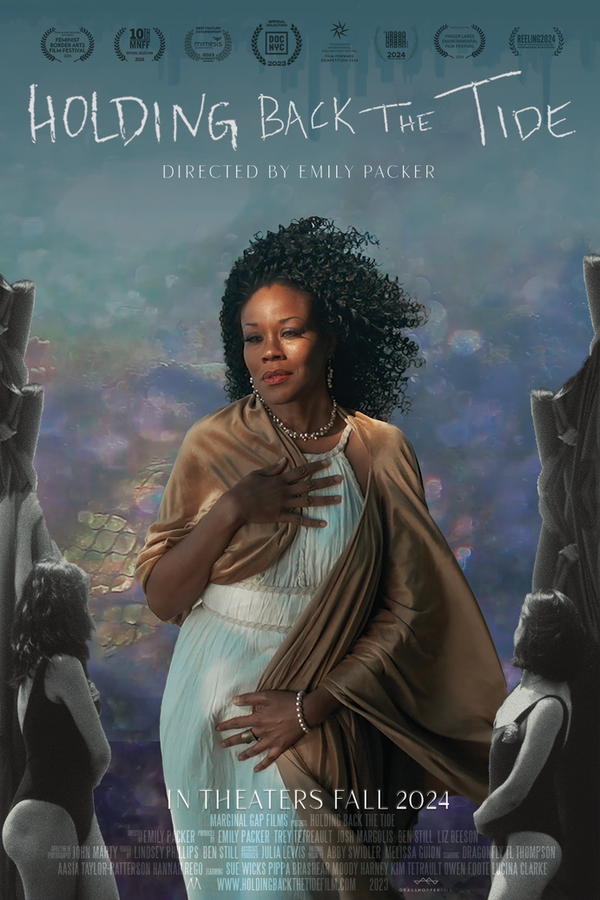
Documentaries about cultural preservation like These Amazing Shadows

Hopeful documentaries that chronicle the vital work of saving and honoring artistic heritage. If you enjoyed These Amazing Shadows and its hopeful look at the National Film Registry, you'll appreciate these other movies about cultural preservation. They share a similar steady pacing and inspirational tone, exploring the important work of saving art, history, and collective memory for the future.

  • educational
  • inspirational
  • reverent
  • celebratory
  • heartfelt
  • nostalgic
  • Tone: hopeful, reverent
  • Pacing: steady, educational
Why these movies?

The story pattern: The narrative typically follows a logical, steady exploration of a preservation effort, often starting with the significance of what's being lost, introducing the people fighting to save it, and culminating in a hopeful look at the positive impact of their work on our cultural identity.

Why they belong together: These films are grouped together because they share a core mission: to inspire appreciation and action for preserving cultural legacies. They consistently feature a heartfelt, reverent mood, a hopeful tone, and an educational yet emotionally engaging structure that makes complex topics accessible.
Movies exploring art history like These Amazing Shadows

Documentaries that offer a heartfelt, nostalgic exploration of an art form's evolution and impact. Fans of These Amazing Shadows will find similar thoughtful analysis in these documentaries about art history. They share a straightforward, steady approach to explaining how artistic movements reflect and shape society, all while maintaining an inspirational and heartfelt mood.

  • reflective
  • nostalgic
  • educational
  • inspirational
  • reverent
  • heartfelt
  • Tone: reflective, inspirational
  • Pacing: steady, logical
Why these movies?

The story pattern: Stories in this thread often unfold as a chronological or thematic exploration, connecting specific works or artists to larger societal narratives. The emotional journey is one of discovery and deepened appreciation, moving from simple observation to a profound understanding of art's role in the human experience.

Why they belong together: This thread unites movies that use an artistic medium as a lens to examine culture and history. They are defined by a nostalgic and reflective mood, a straightforward complexity that makes them widely accessible, and a core theme of how art documents and influences the world around us.

Every angle

These Amazing Shadows (2011) Explained: Plot, Timeline & Characters

Everything about These Amazing Shadows in one place: what happens in the plot summary, the timeline in chronological order, the characters and meaning and a spoiler-free summary. What's After the Movie adds the cast, box office and post-credit scenes.

Coming soon on iOS and Android

The Plot Explained Movie Summary App

Plot summaries, endings explained and timelines on your phone. Catch up on any movie in minutes, save your favorites and never miss a twist again.

Be the first to know when we launch. Your email stays private, always.

Learn more about the app