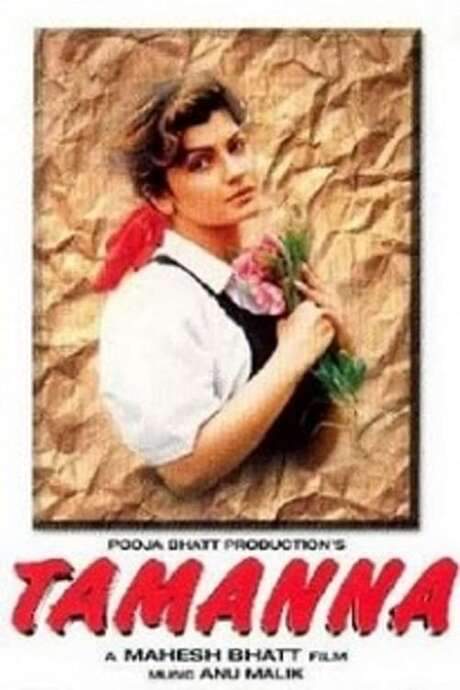
Set in 1975, in the crowded lanes of Mahim, Bombay, this is the story of Tikku, a Hijra who works as a makeup and hair stylist for Bollywood actresses, and the sole child of yesteryear Bollywood actress Nazneen Begum. Begum has fallen on hard times, is virtually destitute, and relies on Tikku to stay afloat as she scrapes by in the margins of the film world. After Nazneen Begum’s passing, Tikku is crushed by grief, yet an even deeper ache pulls at her: a desire for human connection.
One day, Tikku witnesses a woman abandon a child in a garbage bin. Gripped by loneliness and a sense of responsibility, she retrieves the baby and decides to raise her, naming her Tamanna, with the steadfast aid of a close friend, Saleem. Together, they carve out a home from scarcer-than-scars circumstances, weaving care, humor, and resilience into Tamanna’s early years. The bond they form—between a caregiver who defies societal norms and a child who seeks belonging—becomes the quiet engine of the story.
As Tamanna grows, Tikku arranges for her education at St. Mary’s High School’s hostel, hoping to give her a foothold in a world that often treats outsiders as invisible. When Tamanna finishes school and returns home, she finds Tikku living in the guise of a hijra, a revelation that initially drives a wedge between them. Yet affection and responsibility ultimately soften the rift, and the two redouble their commitment to one another.
The plot thickens when Tamanna learns she is the daughter of Ranvir Chopra, an ambitious politician. This revelation propels her toward the Chopra family’s palatial house, where the social and political currents of the era begin to press in on them. Ranvir’s worldview—seeing a daughter as a burden and prioritizing sons—casts a pall over Tamanna’s sense of identity and belonging. The moment Tamanna records his confession becomes a turning point, as Ranvir responds with violence, attempting to end her life. Tikku intervenes, saving Tamanna and ensuring that Ranvir faces justice for his crimes.
In the aftermath, Tamanna’s mother and brother hope she will return to the fold of her blood relatives, but Tamanna makes a decisive, heart-wrenching choice: she refuses to abandon Tikku and chooses to stay by her side. The film closes on a note of endurance, loyalty, and the stubborn resilience of chosen family, underscored by the luminous bond between a caregiver and the child she refused to let go.
- A nuanced portrait of love that transcends bloodlines, and a meditation on dignity, community, and belonging in a society quick to categorize and quick to condemn.