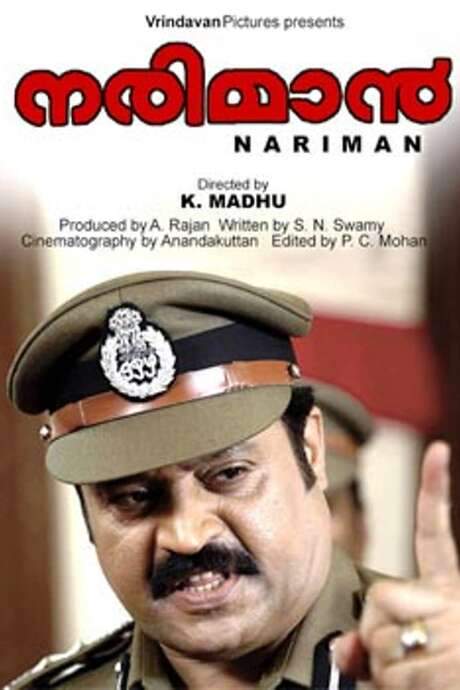
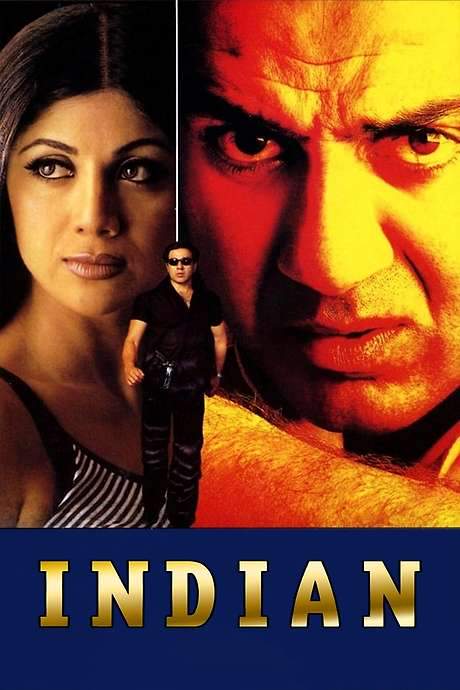
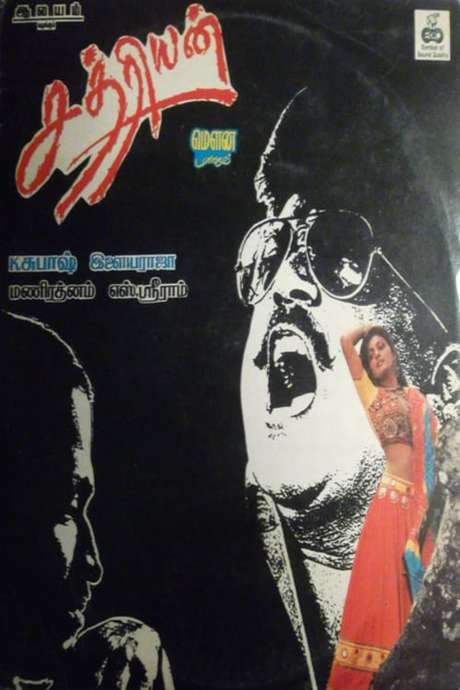
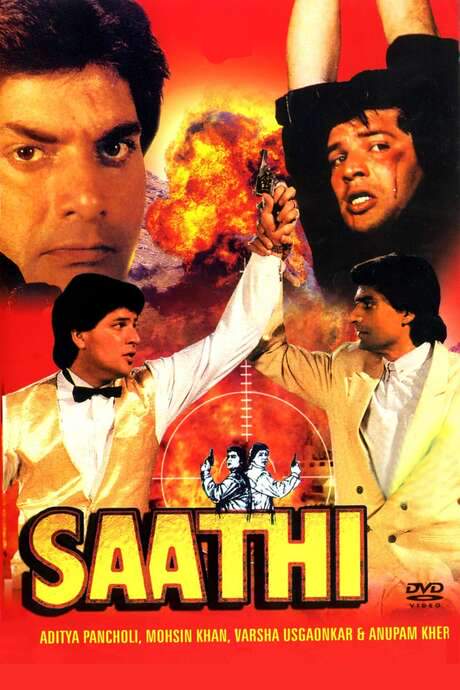
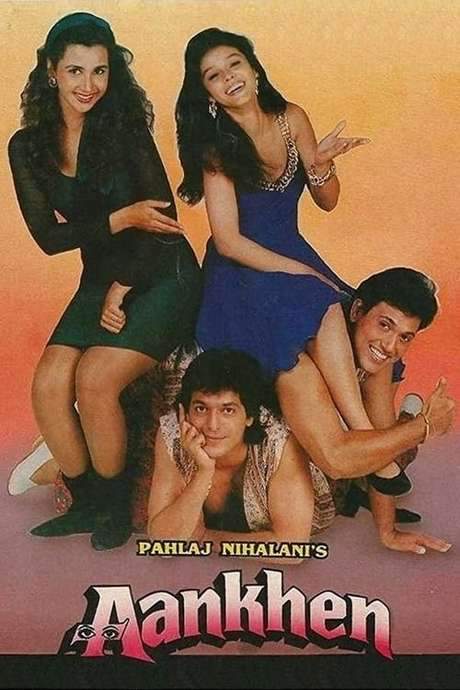
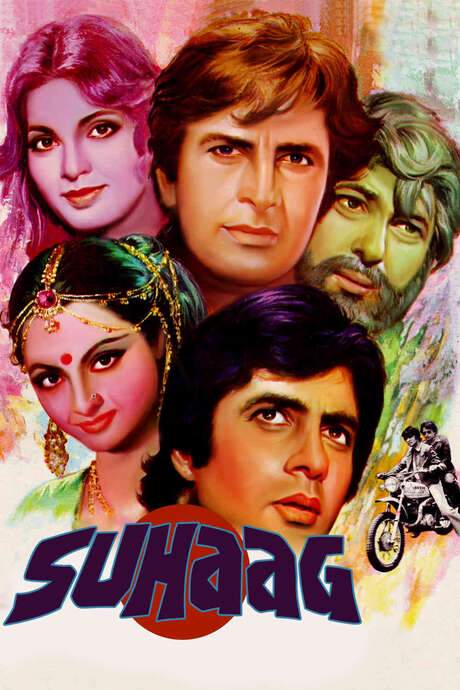
Suraj Chauhan is an honest and diligent police officer, a quality that sits uncomfortably beside the rampant corruption surrounding him. From the outset, the system mucks with virtue—powerful politicians and police officers alike, including the Home Minister, Bhavani Shankar, bend the rules to suit their own opaque agendas. Suraj’s world is a tightrope between duty and danger, framed by a city where crime often wears a suit and speaks in favors. He also has a personal stake in the fight for justice: his brother is a crime reporter for the Indian Times, a detail that sharpens his resolve when tragedy strikes.
The story pivots around a disturbing scene at an adoption center. A function there draws Bhavani Shankar, who quickly becomes obsessed with a pretty girl in attendance. He orders the DIG to secure her for him, leveraging the owner— the Mayor’s wife— who initially resists, then caves when threatened with exposure of her own past dealings with prostitutes. That night, as she delivers the girl to the minister, the shadow of abuse hangs over the event, and a videotaped assault follows soon after. Arun Govil, a crime reporter on assignment, captures the horrifying act, documenting Bhavani Shankar’s crime.
Arun shares the footage with the Mayor in hopes of forcing official action. They head to the police to arrest the Home Minister, but the plan is snuffed out by a twist of betrayal: the Mayor’s wife alerts the DIG, tipping off Bhavani Shankar. En route to the station, Arun and the Mayor are intercepted and, brutally, killed by Chakku Pande, a hired goon working for the minister. The loss shakes Suraj to the core, and he vows vengeance. The sense that corruption has weaponized violence becomes personal for him as he begins to connect Bhavani Shankar’s fingerprints to the crime that ripped his family apart.
What follows is a high-stakes confrontation with Chakku Pande. Suraj seeks a confession, and when Chakku Pande denies it, Suraj’s interrogation turns physical, and Chakku Pande is jailed. Yet the web of corruption remains intact. Bhavani Shankar engineers a fresh attempt to eliminate Chakku Pande at the hoosegow, hiring goons to finish the job. Miraculously, Chakku Pande survives with the support of Suraj and the police, vowing to oppose Bhavani Shankar publicly. At a large public function, however, Chakku Pande points fingers back at Suraj, sowing confusion and turning public opinion against the officer.
The chaos culminates in a chilling blackout and a gunshot. When the lights return, Chakku Pande is dead, and a suspect is seen slipping away into the crowd. Suraj is arrested for the murder by Bhavani Shankar’s corrupt police force, and a grim sense of injustice settles over the jail. But this is not the end of Suraj’s fight. In prison, he encounters Rajnikanth, a lookalike with unwavering morals who is serving time for defending his wife after a would-be rapist attack. The two men discover that Bhavani Shankar’s schemes have shaped their fates in unexpected ways, and Rajnikanth’s plea for a switch— so Suraj can walk free while Rajnikanth completes his own sentence— becomes a daring plan.
The idea of role reversal sets the stage for a quiet, relentless partnership between two men who share a common enemy. As they swap places and identities, they combine their strengths to pursue justice on their own terms. The story evolves into a tense, action-packed tale of justice reimagined: Suraj can avenge his brother and dismantle a corrupt network, while Rajnikanth’s moral compass keeps them tethered to a higher purpose. Together, they navigate a city where power tries to silence truth, blending grit, strategy, and courage in their quest to repair the harm done by those who abuse authority.
In the end, the narrative remains grounded in a simple truth: when the system fails, ordinary courage— amplified by cunning and solidarity— can overturn a dangerous machine. The film fuses personal loss with a broader fight against corruption, delivering a thrilling, person-centered arc that keeps the focus on characters who refuse to surrender to injustice. The alliance between Suraj and his Rajnikanth stand-in becomes more than a clever ruse; it becomes a symbol of resilience, a reminder that truth and integrity can outlast even the most entrenched power.