Plot Explained Spoilers guaranteed!
Plot Explained

Browse by genre

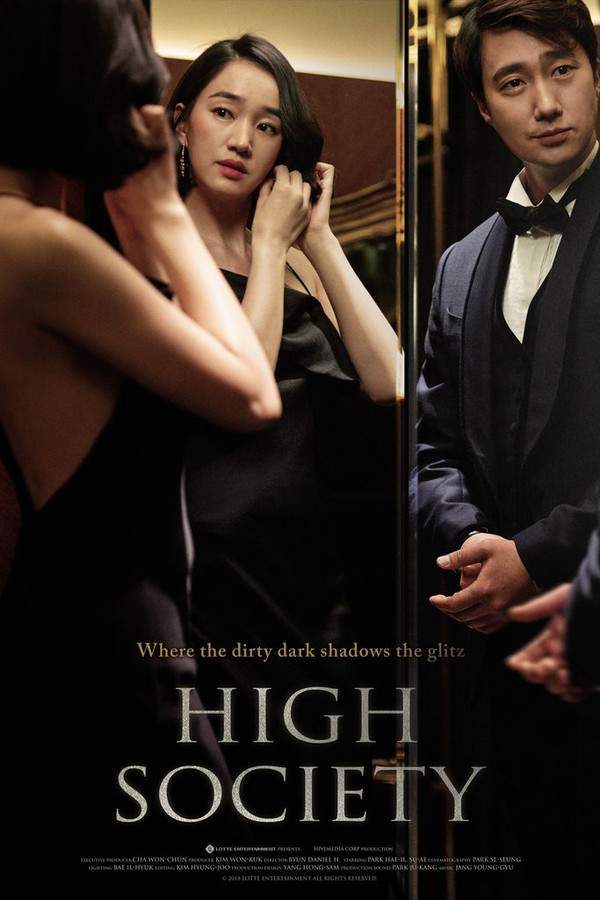
High Society (2017) movie poster

Characters & Themes

High Society (2017) Characters, Setting & Themes Explained

Release, runtime and language
2017 · 100 mins · German
Directed by
Anika Decker
Starring
Jannis Niewöhner, Langston Uibel, Iris Berben, Gizem Emre, Caro Cult, Manuel Rubey

Opposites attract Two girls from very different social backgrounds discover, at the age of 25, that they had been switched at birth.

On this page (7)
  1. 1 Characters explained (5)
  2. 2 Where & when it takes place
  3. 3 Themes & meaning (3)
  4. 4 Character & meaning questions
  5. 5 Movie threads
  6. 6 Movies like High Society
  7. 7 Every angle

5 main characters · contains spoilers

High Society Characters Explained: Who Is Who

The main characters of High Society (2017), heroes and villains: what drives them, how they change over the course of the story and what each of them reveals about the film's bigger ideas.

  • Tae-jun

    A university professor and political aspirant who champions a citizen's bank, only to discover party collusion and the manipulation of policy. He becomes entangled in an affair with a young aide, exposing vulnerabilities behind his polished public persona. His arc moves from idealistic ambition to a choice between integrity and power.

    • 🏛️ Power
    • 💼 Ambition
    • 💔 Relationships
  • Soo-yeon

    A deputy director of an art gallery who brokers influence through personal and professional moves, including supporting her husband’s bid while pursuing her own advancement. She rekindles a relationship with an ex-boyfriend, leading to a controversial sex tape that threatens her rivals. Ultimately she negotiates a replacement path to power, even as the moral price is paid.

    • 🎨 Art world
    • 💼 Ambition
    • 💔 Relationships
  • Chief Min

    An uncompromising rival for the gallery’s director position who seizes on the threat of exposure to maintain control. He embodies the competition and ruthless tactics within elite circles.

    • 🗝️ Rivalry
    • 🗳️ Politics
  • Chairman

    Chairman of the conglomerate that owns the gallery; he claims to make 'art' by having celebrities on canvas and uses power to demand compliance.

    • 🏢 Conglomerate
    • 🎨 Art world
    • 💰 Power
  • Director

    Current director of the gallery; storms in during the power struggle and is leveraged by Soo-yeon’s transactional approach, before being replaced.

    • 🏛️ Authority
    • 🎭 Power

Last updated: October 04, 2025 at 07:55

Was this helpful?

Setting

Where and When Does High Society Take Place?

The setting of High Society (2017): the year and time period, the places and locations, and how they shape the characters, the mood and the tension of the story.

Time period

Contemporary (late 2010s–2020s)

Set in present-day times, the film chronicles modern politics, media manipulation, and elite culture. It shows campaigns funded by corporations, the commodification of art, and how reputation can be fragile in the digital age. Private desires collide with public performance, heightening the sense of a translucent, celebrity-led society.

Location

Seoul, Paris

Seoul anchors the story with its university and political scenes, highlighting elite circles in a modern city. Paris appears as a contrasting backdrop for a pivotal affair and the gallery’s international reach. The film juxtaposes the Korean capital’s institutions with the glamorous and dangerous art world that spans across borders.

  • 🏙️ Metropolitan
  • 🎨 Art world
  • 🗺️ Cityscape

Last updated: October 04, 2025 at 07:55

Was this helpful?

3 major themes

High Society Meaning: Themes & Message Explained

What is High Society (2017) really about? The emotional, social and philosophical themes the film keeps returning to, its symbolism and the message beneath the surface.

  • Power

    Ambition drives both Tae-jun and Soo-yeon as they chase political influence and control over institutions. The story exposes how parties, galleries, and conglomerates collude to shape policy and culture. Personal choices—affairs, secrets, and surveillance—reveal a system built on compromise rather than principle. In the end, the pursuit of power destabilizes the very elite it relies on.

  • Art

    Art is treated as currency and spectacle, with the chairman claiming to create art through scandal and canvases that capture celebrity bodies. Soo-yeon's intimate footage is weaponized as leverage, turning private acts into public performance. The narrative critiques voyeurism and the commodification of art within a corrupt elite. The climactic exhibition reframes private desire as a critique of the gallery's ethics.

  • Exposure

    Public exposure becomes a tool and a threat, capable of derailing careers and reshaping alliances. Evidence is manufactured, traded, and weaponized to bend power to the holders' advantage. The ending redefines confession as both guilt and emancipation, allowing the couple to abandon their pretensions. The film treats exposure as a catalyst for moral reckoning rather than pure triumph.

Last updated: October 04, 2025 at 07:55

Was this helpful?

Character & theme questions

High Society Characters & Meaning: Your Questions Answered

The questions people ask about High Society (2017): who the characters really are, their relationships, what the symbols mean, where it takes place and what the movie is really about. Each answer contains spoilers.

Q1

Where does High Society take place?

The story unfolds primarily in Seoul, where university and political scenes highlight elite circles in a modern metropolitan setting. Paris appears as a contrasting backdrop for a pivotal affair and represents the gallery's international reach, juxtaposing Korean institutions with the glamorous but dangerous art world that spans across borders.

  • seoul
  • paris
  • setting
  • locations
  • korea
Q2

What time period is the movie set in?

High Society is set in contemporary times, specifically in the late 2010s to early 2020s. The film reflects modern politics, media manipulation, and elite culture, featuring corporate-funded campaigns, the commodification of art, and the fragility of reputation in the digital age.

  • contemporary
  • modern
  • time period
  • 2010s
  • 2020s
Q3

What is the main theme of Power in High Society?

Ambition drives both Tae-jun and Soo-yeon as they chase political influence and control over institutions. The story exposes how parties, galleries, and conglomerates collude to shape policy and culture. Personal choices, affairs, secrets, and surveillance, reveal a system built on compromise rather than principle, and the pursuit of power ultimately destabilizes the very elite it relies on.

  • power
  • ambition
  • elite
  • politics
  • corruption
Q4

How does the movie treat art as a theme?

Art is treated as currency and spectacle in the film, with the chairman claiming to create art through scandal and canvases that capture celebrity bodies. Soo-yeon's intimate footage is weaponized as leverage, turning private acts into public performance. The narrative critiques voyeurism and the commodification of art within a corrupt elite, with the climactic exhibition reframing private desire as a critique of the gallery's ethics.

  • art
  • gallery
  • commodification
  • voyeurism
  • exhibition
Q5

What does Exposure represent in the story?

Public exposure becomes both a tool and a threat, capable of derailing careers and reshaping alliances. Evidence is manufactured, traded, and weaponized to bend power to the holders' advantage. The ending redefines confession as both guilt and emancipation, allowing the couple to abandon their pretensions. The film treats exposure as a catalyst for moral reckoning rather than pure triumph.

  • exposure
  • scandal
  • confession
  • blackmail
  • public
Q6

Who is Tae-jun in High Society?

Tae-jun is a university professor and political aspirant who champions a citizen's bank, only to discover party collusion and the manipulation of policy. He becomes entangled in an affair with a young aide, exposing vulnerabilities behind his polished public persona. His arc moves from idealistic ambition to a choice between integrity and power.

  • tae-jun
  • professor
  • politician
  • citizen bank
  • ambition
Q7

What is Soo-yeon's role in the movie?

Soo-yeon is the deputy director of an art gallery who brokers influence through personal and professional moves, including supporting her husband's bid while pursuing her own advancement. She rekindles a relationship with an ex-boyfriend, leading to a controversial sex tape that threatens her rivals. Ultimately she negotiates a replacement path to power, even as the moral price is paid.

  • soo-yeon
  • gallery
  • deputy director
  • art world
  • ambition
Q8

What is the emotional tone of High Society?

The film carries a heavy emotional weight, dealing directly with themes of corruption, exploitation, and the dehumanizing cost of ambition. The tone is dominantly tense, underscored by the protagonists' precarious position and the ever-present threat of exposure. The intensity remains high due to relentless power moves, public scandals, and personal betrayals that create a constant sense of anxiety and moral decay.

  • tone
  • emotional
  • tension
  • corruption
  • anxiety
Q9

How does High Society end?

The ending is bittersweet; while the protagonists achieve a form of authentic liberation by exposing and undermining the corrupt systems they served, they do so at the cost of their prestigious positions. They must rebuild from scratch, representing a victory of principle over power that is both hopeful and sobering. Confession becomes both guilt and emancipation.

  • ending
  • bittersweet
  • liberation
  • rebuild
  • victory
Q10

How does the film depict the art world?

The film depicts the art world as a corrupt, manipulation-filled arena where art serves as currency and leverage. Galleries, chairmen, and directors engage in ruthless competition, with personal relationships weaponized for professional gain. The climactic exhibition becomes a platform for moral reckoning, reframing private desire as a critique of the gallery's ethics.

  • art world
  • corruption
  • gallery
  • manipulation
  • competition

Movie threads

More Movies Like High Society, by Mood & Story

Curated lists built around what makes High Society tick: the same mood, the same kind of story or the same emotional payoff. Each list explains why these movies belong together.

Movies about ruthless social climbing like High Society

Stories of cynical characters clawing their way to the top of elite circles. If you enjoyed the cynical power plays and high-stakes ambition of High Society, explore more movies like it. This section features tense dramas about characters using manipulation and betrayal to climb the social ladder, perfect for fans of stories about transactional relationships and moral decay in elite settings.

  • calculating
  • corrupt
  • pragmatic
  • uncompromising
  • tense
  • defiant
  • Tone: tense, calculating, defiant
  • Pacing: fast, relentless
Why these movies?

The story pattern: These narratives typically follow a relentless upward trajectory, punctuated by scandals, betrayals, and quid-pro-quo deals. Characters often start from a position of disadvantage and employ morally ambiguous or outright corrupt tactics to gain influence, wealth, or status, leading to a precarious existence where one misstep can cause a catastrophic fall.

Why they belong together: Movies are grouped here based on their shared focus on ambition as a driving, often destructive, force. They feature a tense, pragmatic tone, fast-paced plots filled with power moves, and a heavy emotional weight stemming from the dehumanizing cost of success within corrupt systems.

Movies with bittersweet liberation endings like High Society

Characters who reclaim their authenticity by destroying the gilded cages they built. For viewers who appreciated the defiant yet costly finale of High Society, this section collects similar movies with bittersweet endings. These films feature characters who break free from morally compromising situations, achieving authentic freedom but losing their prestigious positions, offering a complex mix of hope and sobering realism.

  • defiant
  • bittersweet
  • cathartic
  • solemn
  • hopeful
  • sobering
  • Tone: bittersweet, defiant, heavy
  • Pacing: variable, building to a climax
Why these movies?

The story pattern: The journey often involves a protagonist deeply entangled in a web of corruption or exploitation, who reaches a breaking point. Their act of defiance—whether burning bridges, exposing truths, or walking away—is cathartic but leaves them to rebuild from scratch. The focus is on the emotional weight of choosing integrity over influence.

Why they belong together: These films are united by a specific emotional arc: a heavy narrative leading to a conclusion that is both hopeful and sobering. They share a tone that mixes defiance with melancholy, and a thematic focus on the price of authenticity in a transactional world.

If you liked this

Movies Like High Society

Similar movies to High Society: the same genre, themes or kind of story. Each one comes with its own plot summary, timeline and ending explained.

Browse all movie summaries

Every angle

High Society (2017) Explained: Plot, Timeline & Characters

Everything about High Society in one place: what happens in the plot summary, the timeline in chronological order, the characters and meaning and a spoiler-free summary. What's After the Movie adds the cast, box office and post-credit scenes.

Coming soon on iOS and Android

The Plot Explained Movie Summary App

Plot summaries, endings explained and timelines on your phone. Catch up on any movie in minutes, save your favorites and never miss a twist again.

Be the first to know when we launch. Your email stays private, always.

Learn more about the app