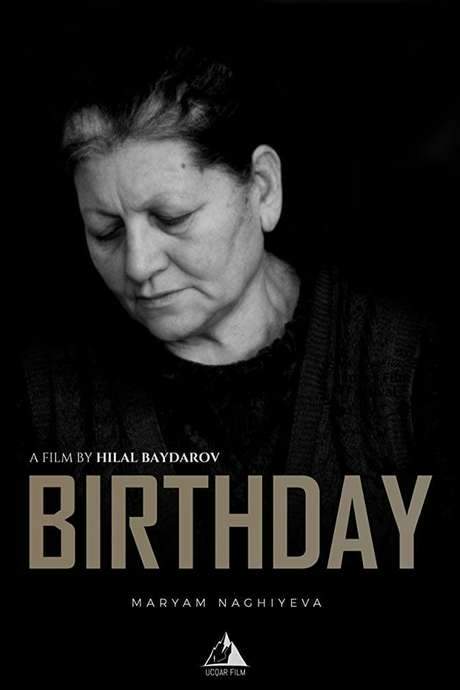
68-year-old Parsi man Ratanshi Oshidaar, also known as Rattoo, lives alone in a sprawling, aging house whose walls seem to murmur with memory. He makes a quiet living as an automatic writer and healer, a subtle bridge between the living and the spirit world. The routine of his days carries a calm, almost ritual cadence, but beneath the surface there is an edge to his work that keeps most visitors at bay.
Beth Rose, a 37-year-old Christian single mother who has recently lost her son to cancer, reaches into the unknown as a last resort to contact him. She enters Rattoo’s world with a mix of doubt and curiosity, aware that his appearance—especially the odd wig he wears—casts a strange spell over the room. Her aim is singular: to hear from her son one final time and to learn whether he bears anger toward her for the way things ended. The questions hover in the air as Rattoo begins to call up echoes from the spirit world.
During the session, Rattoo speaks with the spirit of Beth’s son, and the responses arrive with a force that unsettles her resolve. Beth wrestles with the impulse to walk away, yet Rattoo keeps finding reasons to prolong her stay, as if he needs her presence for reasons beyond the séance. There is a careful persistence in his gestures, a sense that he is protecting something by keeping her close, even as the line between truth and manipulation grows thinner.
As Beth’s doubt tightens, Rattoo reveals that he is quietly preparing for a birthday party. The countdown to that event becomes the film’s pulse, guiding every exchange and choice. The pair decorate the house together, blowing red balloons and sharing intimate conversations about death, memory, and the limits of what one can bear. Rattoo opens up about a fractured past—his wife left him, taking their daughter with her—while Beth confesses the exhausting burden of ten years spent caring for her son. The atmosphere thickens with shared secrets, each revelation sharpening the sense that nothing here is accidental.
When the party moment finally arrives, the mood shifts from delicate exchange to something darker and more controlled. Beth discovers that she was never merely a guest; she has been a participant in a calculated ritual. Rattoo’s secrets, layered and bone-chilling, begin to close in, turning the birthday celebration into a trap that seems designed to test the limits of what a person will endure. The title moment arrives with an unsettling clarity, reframing the story around the idea of holding on and letting go.
Throughout the film, small, telling details intensify the tension. A loyal dog roams the halls, [Lenny], whose presence offers a companionable counterpoint to the growing dread. The house is also filled with the quiet, persistent cadence of the answering machine’s voice, brought to life by [Mélissa Thomas], whose performance adds a clinical, almost lifelike texture to the haunting proceedings. These threads—the dog’s quiet companionship and the machine’s restrained responses—serve to keep the suspense intimate and personal, turning a private confrontation into a chilling examination of memory, guilt, and the slippery line between care and coercion.
> Happy Birthday
What begins as a whispered plea for connection escalates into a claustrophobic, thought-provoking thriller that digs into how people cling to the past and what it costs to finally let go. The film stays with you as it rewrites the meaning of reconciliation, duty, and the moments we choose to keep close, even when they may be better left behind.