Plot Explained Spoilers guaranteed!
Plot Explained

Browse by genre

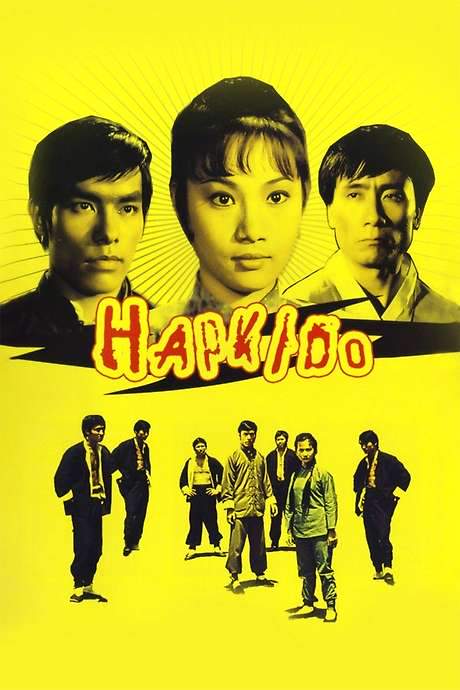
Hapkido (1972) movie poster

Timeline

Hapkido (1972) Timeline Explained – Every Event in Order

Release, runtime and language
1972 · 97 mins · Chinese
Loading streaming availability…
Directed by
Huang Feng
Starring
Jackie Chan, Nancy Sit Ka-Yin, Bruce Leung Siu-Lung, Yuen Biao, Yuen Wah, Corey Yuen Kwai

Yu Ying, Kao and Fan travel back to China to open a martial‑arts school. Their peaceful plans are shattered when a ruthless Japanese rival, head of the Black Bear school, begins a campaign of intimidation and sabotage. The escalating rivalry forces the friends into fierce confrontations as they fight to protect their dream.

On this page (6)
  1. 1 Where to watch
  2. 2 Events in order (12)
  3. 3 Timeline questions answered
  4. 4 Movie threads
  5. 5 Movies like Hapkido
  6. 6 Every angle
Loading streaming availability…

12 events in order · contains spoilers

Hapkido Timeline: Events in Chronological Order

Every key event of Hapkido (1972) in order, scene by scene, with when and where it takes place. Use it to untangle flashbacks, time jumps and parallel storylines, to refresh your memory before the sequel or to find the exact scene you are thinking of.

  1. Park confrontation in 1934

    In 1934, amid Korea under Japanese occupation, Yu Ying, Kao Chang, and Fan Wei sit in a quiet park and are approached by a pushy band of Japanese toughs. Yu Ying tries to ignore them, but the tension escalates until a melee erupts. Their training in hapkido informs their response, turning a tense moment into a display of controlled force.

    When
    1934
    Where
    Park, Korea
  2. Decision to return to China to teach

    After the altercation, the trio resolves to go back to China to share their discipline with others. They vow to open a school rooted in restraint, respect, and self-control. The decision sets the course for their mission.

    When
    1934
    Where
    Korea
  3. Return to China and plan to open a school

    They travel back to China with the aim of establishing a teaching space for hapkido. They envision a school where restraint and mutual respect guide every demonstration. The plan anchors their ambitions as they re-enter a dangerous political climate.

    When
    1934–1935
    Where
    China
  4. Resistance met by dismissals and traitors

    On their arrival, the Japanese dismiss their art as inferior and press to push them out with the help of Chinese traitors, including Chou Ba-tien. The trio must navigate a hostile blend of occupation pressure and internal betrayal. Their resolve is tested as threats mount.

    When
    1935
    Where
    China
  5. Keeping a low profile under master’s guidance

    Guided by their master’s wishes and the discipline they've trained in, they attempt to keep a low profile. They work quietly to lay the foundations for the school without drawing attention. The risk of exposure remains constant.

    When
    1935
    Where
    China
  6. Insult and threat propel Fan Wei to flee

    Insults escalate into direct threats that collide with their mission. Fan Wei’s temper erupts, forcing him to go on the run. The trio must reorganize and adapt to a dangerous landscape.

    When
    1935
    Where
    China
  7. Yu Ying and Kao Chang navigate danger for the cause

    With Fan Wei on the run, Yu Ying and Kao Chang press ahead, balancing loyalty to the master, friendship, and their principled goal. They navigate a criminalized landscape where betrayal is possible and survival is not guaranteed. The ever-present danger tests their resolve.

    When
    1935–1936
    Where
    China
  8. Japanese cruelties intensify; Black Bear Gang closes in

    As Japanese cruelty grows bolder, the Black Bear Gang closes in with ruthless determination. The increased threats threaten to crush any attempt to establish a peaceful school. The weight of oppression pressures the trio from multiple sides.

    When
    1935–1936
    Where
    China
  9. Kao Chang and Fan Wei are killed

    In the escalating pursuit, Kao Chang and Fan Wei lose their lives. The loss devastates Yu Ying and marks a turning point in the struggle. Grief hardens her and steels her resolve to defend what she and their teacher stood for.

    When
    1936
    Where
    China
  10. Yu Ying forges ahead, drawing on hapkido lineage

    Grief transforms Yu Ying into a disciplined, determined fighter. She draws on the strength and lineage of hapkido to stand up to brutal foes. She trains harder and prepares for the inevitable confrontation.

    When
    1936–1937
    Where
    China
  11. Final confrontation with gang leadership

    Yu Ying teams with her elder brother to confront the gang’s leadership in a decisive battle. Their training and discipline are pushed to the limit as they meet ruthless resistance head-on. The showdown tests every principle they've sworn to uphold.

    When
    1937
    Where
    Gang’s headquarters
  12. Aftermath and the cost of resistance

    What began as a quiet pursuit of a peaceful teaching space becomes a stark test of courage and the cost of resistance. The victory or loss of that struggle leaves a lasting legacy about resilience and the price of standing against oppression.

    When
    1937–1938
    Where
    China

Last updated: February 19, 2026 at 09:51

Was this helpful?

Timeline questions answered

Hapkido Timeline Explained: Your Questions Answered

When does it happen, and why in that order? The questions people ask about the chronology of Hapkido (1972): time jumps, flashbacks, cause and effect between scenes and the correct order of events, each answered with spoilers.

Q1

Why did Fan Wei have to go on the run?

Fan Wei was forced to flee after his temper erupted during escalating insults and threats from the Japanese and their Chinese collaborators. His violent reaction to the持续的侮辱 and intimidation made him a target, forcing him to escape while Yu Ying and Kao Chang continued their mission to establish the hapkido school.

Foreshadowing: Earlier in the park confrontation, Fan Wei already demonstrated his quick temper by losing it against the Japanese toughs, setting the stage for his later recklessness.

  • fan wei
  • flee
  • escape
  • japanese threats
Q2

Why are Kao Chang and Fan Wei killed?

Kao Chang and Fan Wei are killed as the Japanese Black Bear Gang escalates its campaign to eliminate anyone who threatens their control. Their deaths represent the brutal suppression of resistance during the Japanese occupation, with the gang ruthlessly eliminating anyone who opposes them or tries to establish independent institutions.

Foreshadowing: The Black Bear Gang had been closing in with ruthless determination throughout the timeline, and the increasing Japanese cruelty signaled that peaceful coexistence was impossible.

  • kao chang
  • fan wei
  • death
  • black bear gang
  • killed
Q3

Who is Yu Ying's elder brother?

Yu Ying's elder brother is a skilled martial artist who appears during the final confrontation. He teams up with Yu Ying to battle the Black Bear Gang's leadership, combining their hapkido training to defeat the ruthless antagonists in the decisive showdown.

Foreshadowing: The master mentioned earlier that the trio should stay low profile, suggesting that Yu Ying had other family trained in the same tradition who would eventually join the fight.

  • yu ying
  • elder brother
  • final battle
  • confrontation
Q4

Why did the Japanese want to shut down the hapkido school?

The Japanese dismissed hapkido as an inferior martial art and viewed the trio's mission to open a school as a threat to their authority. Establishing an independent institution represented resistance to Japanese occupation, and they used intimidation, sabotage, and Chinese traitors like Chou Ba-tien to push the students out.

Foreshadowing: The Japanese toughs in the initial park confrontation immediately escalated tensions when they approached Yu Ying, showing the occupiers' hostile attitude toward Koreans practicing martial arts.

  • japanese
  • hapskido school
  • opposition
  • occupation
Q5

Who is Chou Ba-tien and what happened to him?

Chou Ba-tien is a Chinese traitor who collaborates with the Japanese to help them push out Yu Ying and her companions. He represents the internal betrayal that the trio must navigate alongside external Japanese aggression. His actions contribute to the hostile environment that ultimately leads to the deaths of Kao Chang and Fan Wei.

Foreshadowing: The arrival in China immediately revealed the threat of Chinese collaborators, with Chou Ba-tien named as part of the opposition from the start.

  • chou ba-tien
  • traitor
  • collaborator
  • japanese
Q6

How does Yu Ying avenge Kao Chang and Fan Wei?

After Kao Chang and Fan Wei are killed, grief hardens Yu Ying's resolve. She trains harder and draws on the full strength of her hapkido lineage. She then confronts the Black Bear Gang's leadership alongside her elder brother in a final battle, defeating the antagonists in revenge for her fallen friends.

Foreshadowing: The deaths marked a turning point that transformed Yu Ying from someone trying to keep a low profile into a determined fighter willing to engage in direct confrontation.

  • yu ying
  • avenge
  • revenge
  • final battle
  • black bear gang
Q7

What happened to the hapkido school they wanted to open?

The trio's plan to open a peaceful hapkido school was shattered by Japanese opposition and violence. While Yu Ying ultimately defeats the Black Bear Gang, the cost is devastating, Kao Chang and Fan Wei are killed, and the peaceful teaching space they envisioned becomes impossible. The movie ends with a bittersweet victory that emphasizes the high price of resistance.

Foreshadowing: From the moment they arrived in China, the Japanese dismissals and traitors ensured that establishing a tranquil school would be met with hostility.

  • hapkido school
  • plans
  • destroyed
  • japanese occupation
Q8

Why does Yu Ying decide to fight instead of staying peaceful?

Yu Ying initially tries to maintain a low profile guided by her master's wishes, but the escalating Japanese cruelties and the murder of her friends leave her no choice. The combination of grief, oppression, and the impossibility of peaceful coexistence forces her to abandon restraint in favor of direct confrontation with the Black Bear Gang.

Foreshadowing: The progression from keeping a low profile to full confrontation mirrors the escalating threats throughout the timeline, culminating in tragedy that makes passivity impossible.

  • yu ying
  • fight
  • peace
  • resistance
  • confrontation
Q9

Why did Yu Ying, Kao Chang, and Fan Wei return to China?

After the park confrontation in Korea where they used their hapkido training to defend themselves against Japanese toughs, the three friends decided to return to China to share their discipline with others. Their goal was to open a school rooted in restraint, respect, and self-control, bringing hapkido to their homeland.

Foreshadowing: The peaceful park scene contrast sharply with later violent confrontations, showing how their initial idealistic mission becomes corrupted by occupation violence.

  • return to china
  • open school
  • motivation
  • hapkido training
Q10

What is the ending of the story?

The movie ends with Yu Ying and her elder brother successfully defeating the Black Bear Gang's leadership in a final confrontation. However, the victory is bittersweet, Kao Chang and Fan Wei have already been killed, leaving Yu Ying to celebrate victory while grieving her lost friends. The ending emphasizes the heavy cost of resistance against oppression.

Foreshadowing: The timeline's progression from peaceful beginnings to tragedy was always leading toward this bittersweet outcome where victory comes at tremendous personal loss.

  • ending
  • final battle
  • bittersweet victory
  • black bear gang

Movie threads

More Movies Like Hapkido, by Mood & Story

Curated lists built around what makes Hapkido tick: the same mood, the same kind of story or the same emotional payoff. Each list explains why these movies belong together.

Defiant Resistance Stories like Hapkido

Stories where individuals fight back against overwhelming forces of tyranny and control. If you enjoyed the defiant spirit of Hapkido, explore more movies about fighting back against oppression. These films feature gritty struggles, heavy themes, and bittersweet victories against powerful foes.

  • defiant
  • oppressive
  • vengeful
  • gritty
  • brutal
  • tense
  • Tone: tense, defiant, bleak
  • Pacing: fast, confrontational
Why these movies?

The story pattern: Narratives in this thread typically follow a group or individual whose peaceful existence is shattered by an external threat. They are forced to abandon passivity and engage in a escalating series of confrontations, culminating in a final, costly stand that secures a victory shadowed by loss.

Why they belong together: These movies are grouped by their shared theme of resistance, a tone of tense defiance, and an emotionally heavy journey. They explore the friction between the desire for peace and the necessity of violence, often resulting in a bittersweet conclusion.


Pyrrhic Victory Stories like Hapkido

Tales where triumph is achieved, but at a devastating personal cost. Fans of Hapkido's emotionally complex ending will appreciate these movies about costly triumphs. Discover similar stories where winning the battle comes with a heavy, bittersweet price.

  • bittersweet
  • tragic
  • vengeful
  • grim
  • sacrifice
  • heavy
  • Tone: bittersweet, grim, heavy
  • Pacing: fast, linear
Why these movies?

The story pattern: The narrative follows a clear, often revenge-driven plot where the protagonist's goal is ultimately met. However, the path to that goal is littered with tragedy. The emotional core shifts from a desire for success to a grim determination, culminating in an ending where the cost of victory is the central, lingering theme.

Why they belong together: These films share a specific emotional arc: the journey from a clear objective to a conclusion where success is emotionally ambiguous. They are united by a heavy emotional weight, a straightforward plot focused on confrontation, and a final feeling that is more somber than celebratory.

If you liked this

Movies Like Hapkido

Similar movies to Hapkido: the same genre, themes or kind of story. Each one comes with its own plot summary, timeline and ending explained.

Browse all movie summaries

Every angle

Hapkido (1972) Explained: Plot, Timeline & Characters

Everything about Hapkido in one place: what happens in the plot summary, the timeline in chronological order, the characters and meaning and a spoiler-free summary. What's After the Movie adds the cast, box office and post-credit scenes.

Coming soon on iOS and Android

The Plot Explained Movie Summary App

Plot summaries, endings explained and timelines on your phone. Catch up on any movie in minutes, save your favorites and never miss a twist again.

Be the first to know when we launch. Your email stays private, always.

Learn more about the app